
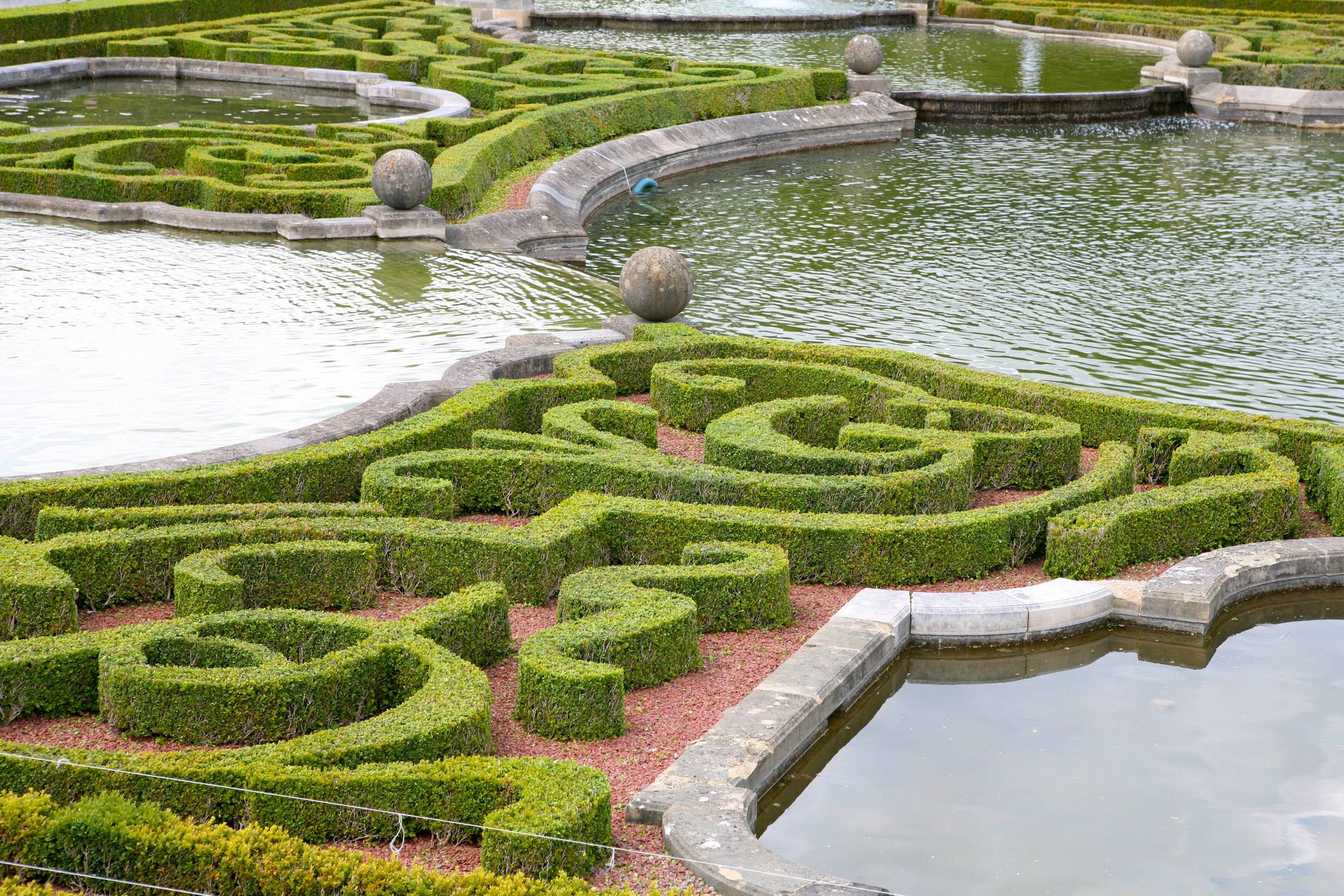
The highly ornate clipped box pattern is a classic element of the European formal garden. This one was installed in the 1920's at Blenheim Palace, Woodstock, UK.
The French formal garden style continues the Italian renaissance themes of order, symmetry, axes. This garden represents man's domination over nature.
Look for longer axes that exaggerate perspective, extensively clipped hedges, and ornate water features. This style works well in small spaces where clipping allows one to maintain plants at a reasonable size, an axis can highlight an entrance, and the repetition is soothing.
This style is referred to as "French" because of the number of famous French landscape designers and writers. The style was popular across Europe and its colonies in the 1600-1700's. This style's rigidity set the stage for a revolution in garden design called the picturesque movement.
Check out the posts below for other examples of gardens inspired by the French formal style.

Water features, like other aspects of the garden, can be a source of competition. One of my favorite "water fight" examples starts at Paleis Het Loo in Apeldoorn, Netherlands. Het Loo boasts "the highest spouting fountain in Europe"...

Looking for inspiration for your parterre garden? In 1722 Antoine-Joseph Dezallier d'Argenville offered advice to aspiring parterre designers in his book La Theorie et la Pratique du Jardinage. “The broderie of a parterre should be neither too heavy nor too light.” Here's an example of what he meant...

With the recent passing of Fidel Castro, Cuba is back in the news – a good time to reflect on Cuba’s history. What better way to explore this than by through a garden - the Cienfuegos Botanical Garden. Several of the Garden’s formal features grabbed my attention. An abandoned pergola and a grand allee of palms...

New York City is among the densest places in the world. Amidst all its activity any quiet spot is a source of welcome relief. One my favorite is the Cathedral Church of St. John the Divine. Set on a full block in upper Manhattan. The Cathedral is an inclusive place where all are welcome...

To walk around the grounds of the Het Loo Palace in Apeldoorn, the Netherlands is to step back to 1700. It is so authentic that William or Mary, the joint regents who created the garden, might be around any corner. Looks can be deceiving. Het Loo is actually a new garden meant to look old...

I love the separation that middle age cloister gardens create -- between inside and outside worlds. Prinsenhof in Groningen, the Netherlands, is a wonderful example of this. Its role as a cloister dates back to the 1400’s. Tall brick walls separate it visually from a busy city street. Pleached sycamores peak out above the brick wall – the only sign of something special within. But in the 1500’s Prinsenhof became a residence and the gardens were updated...
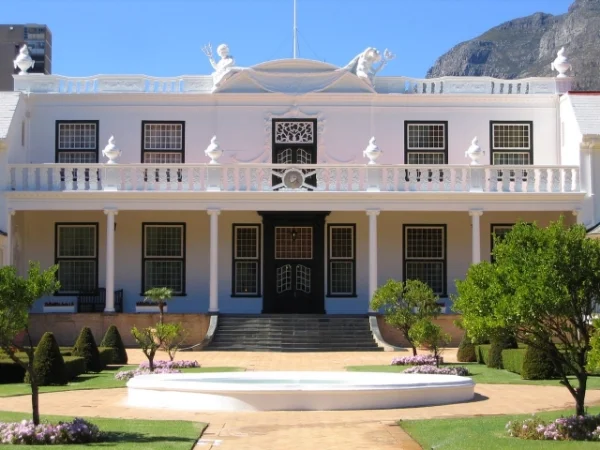
During my visit to the Company’s Gardens in Cape Town South Africa, the architecture and landscape of De Tuynhuys, or The Garden House, caught my attention. But it was the 300 years of history of the place that kept my interest...
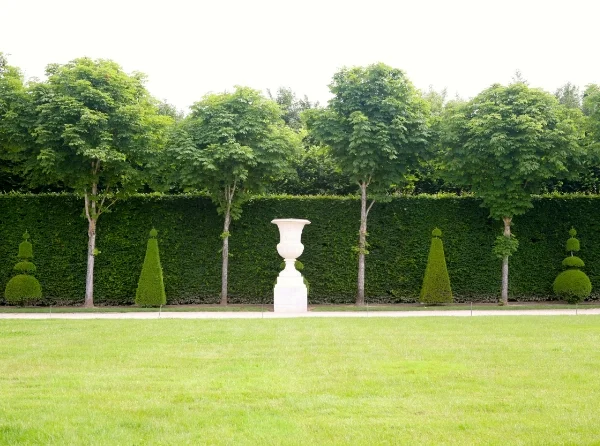
The use of ornament in the garden can have a big impact. Ornaments provide focal points, reinforce the style of the garden, make us pause and think. They offer a delightful way to introduce personality into the garden. One of my favorite gardens uses flying pigs...

I love walled gardens. They distinguish the cultivated from the wild. They offer mystery and provide shelter. Given my rabbit problem, solid walls around my garden would be most welcome! There is a particularly special walled garden within Keukenhof in Lisse, the Netherlands inspired by...
Mary's garden...