the good garden

garden history, design inspiration
  • Home
  • My story
  • Talks and Articles
  • Resources
    • Places
    • Styles
    • Books, Video, Websites
  • Home
  • My story
  • Talks and Articles
    • Places
    • Styles
    • Books, Video, Websites

Blog

The good garden blog is about sharing garden inspiration and ideas from historic gardens around the world and some right next door.  Garden stories explore garden history, design, and the garden people behind famous and not-so-famous gardens.  My garden photographs span dozens of places across 5 continents.  Please join me in celebrating good garden design.

  • All
  • Arts and crafts
  • Chinese
  • Cloister
  • French formal
  • Gardenesque
  • Islamic
  • Italian renaissance
  • Japanese
  • Modernist
  • Picturesque
  • Roman
  • Thai
  • Vegetable
  • Wild
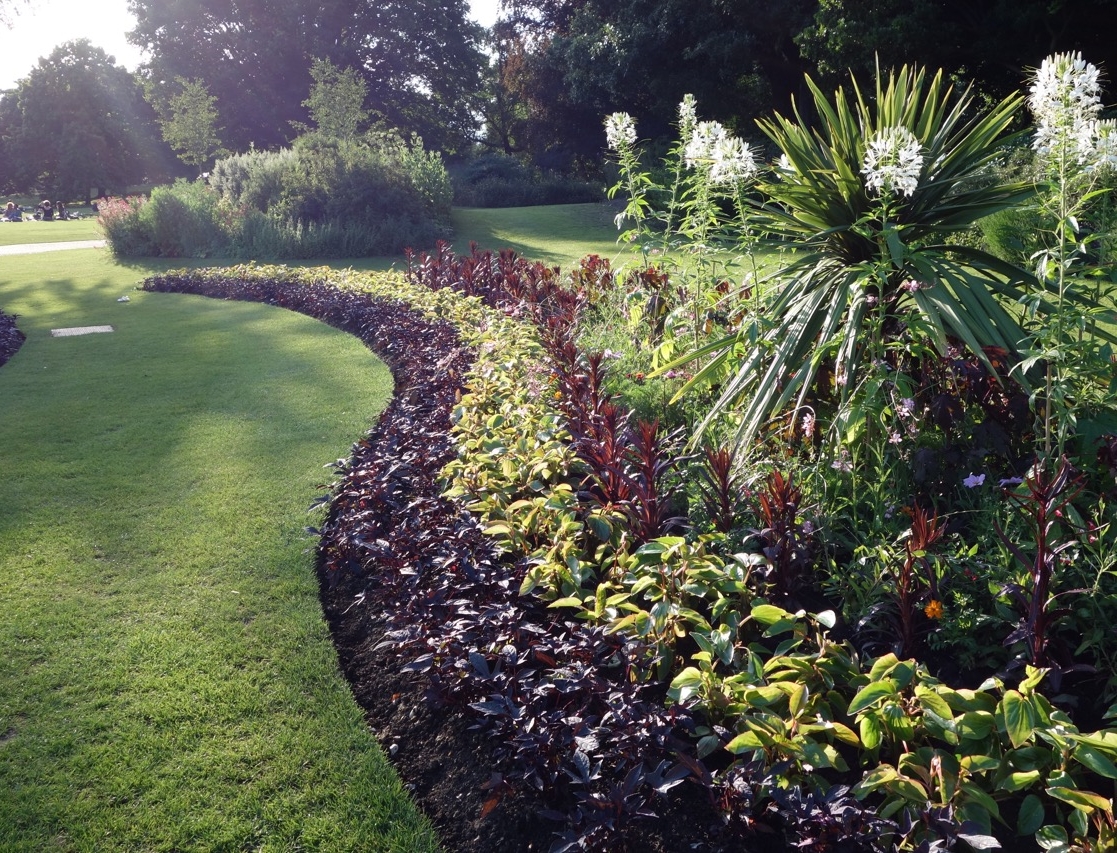
 Stripes in Hyde Park, London.

Stripes in Hyde Park, London.

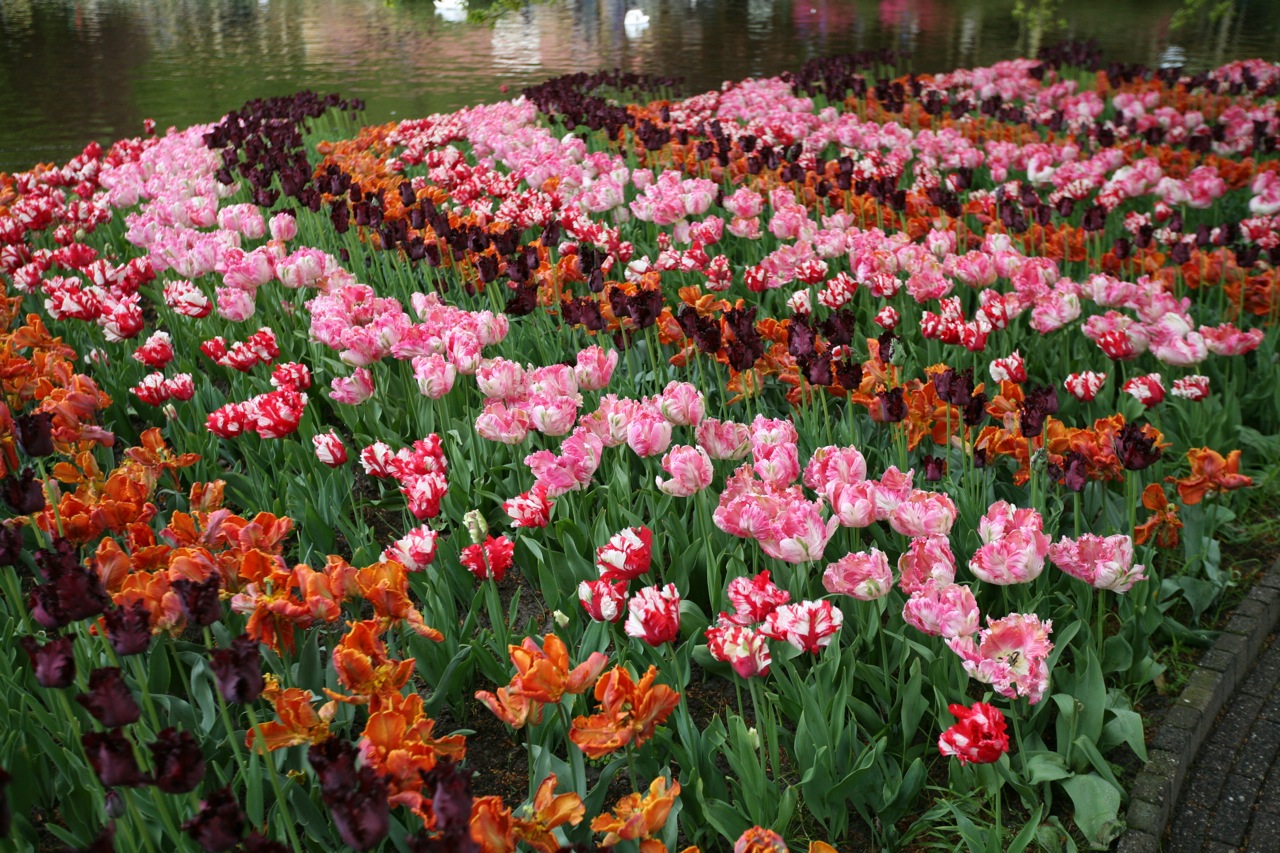
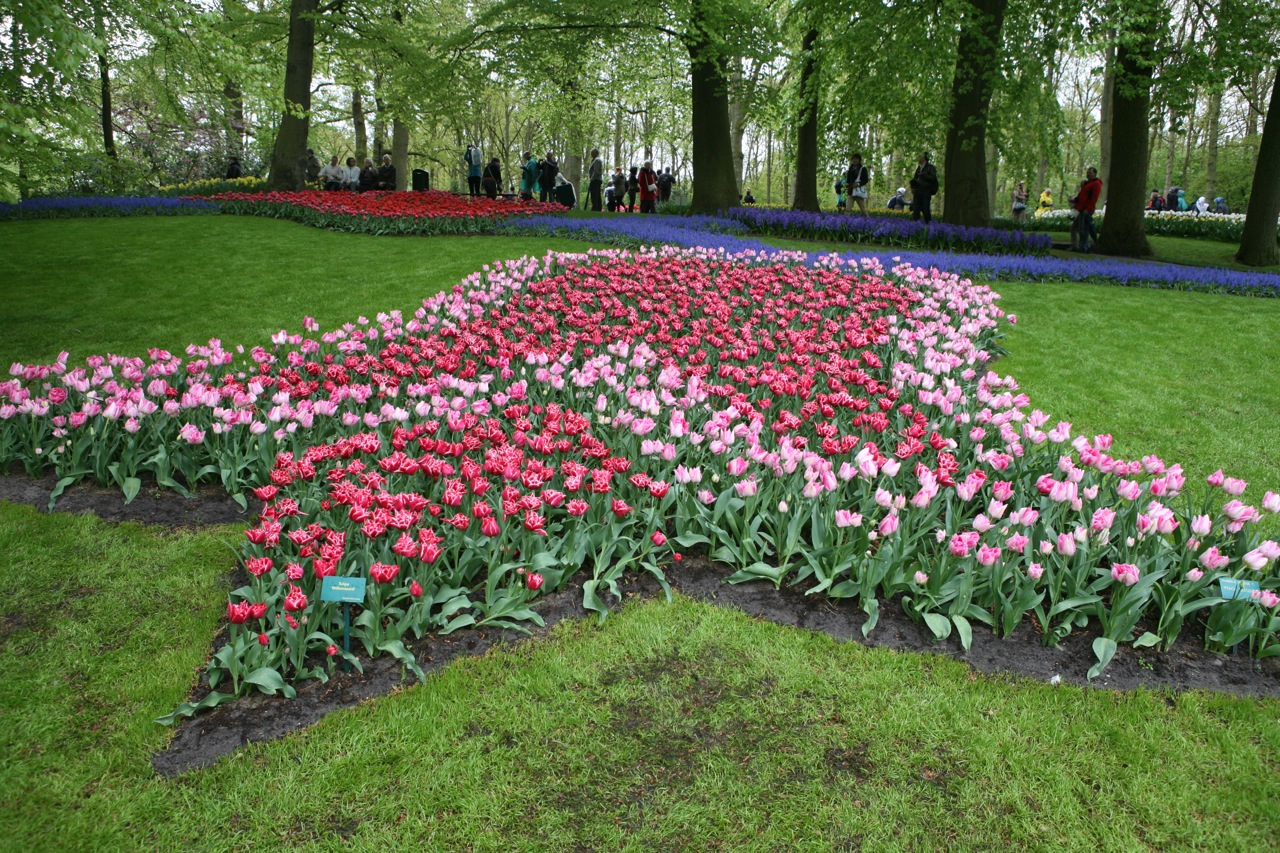
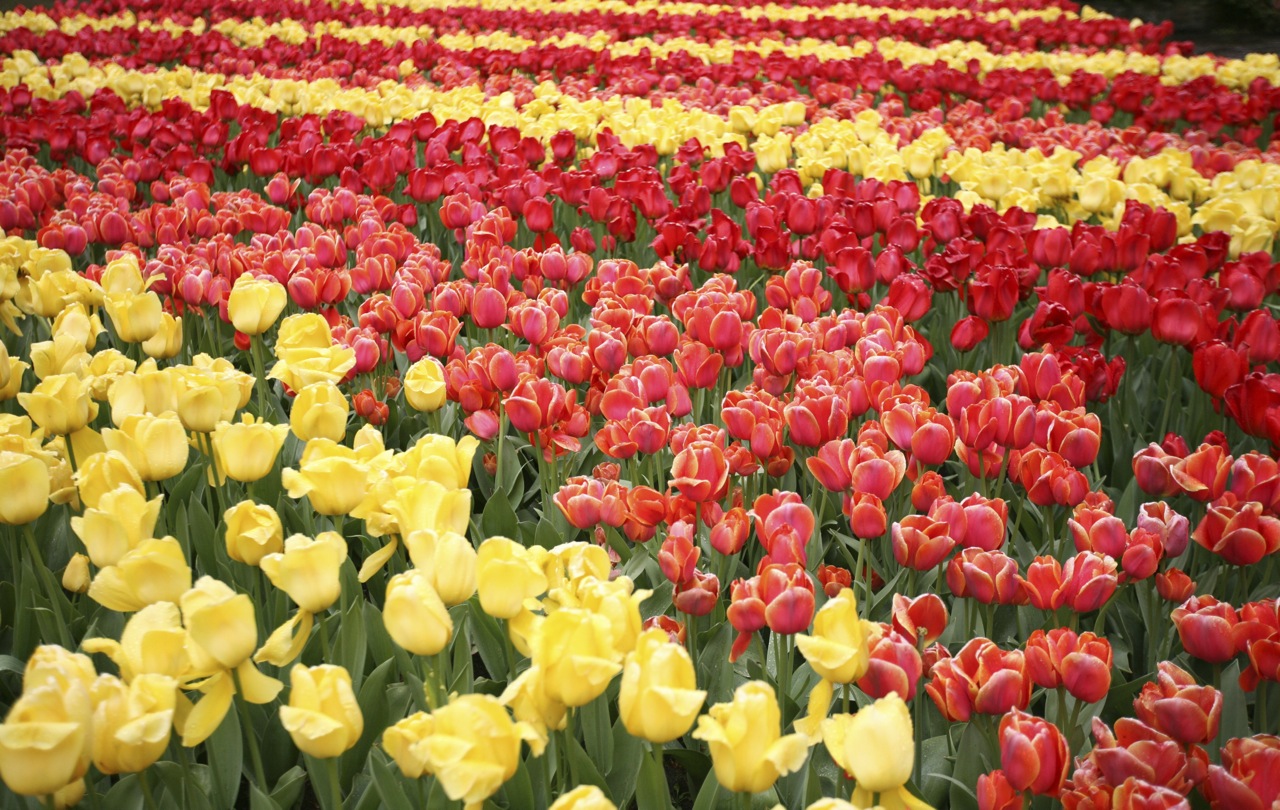
 Tulips arranged in stripes at Keukenhof.

Tulips arranged in stripes at Keukenhof.

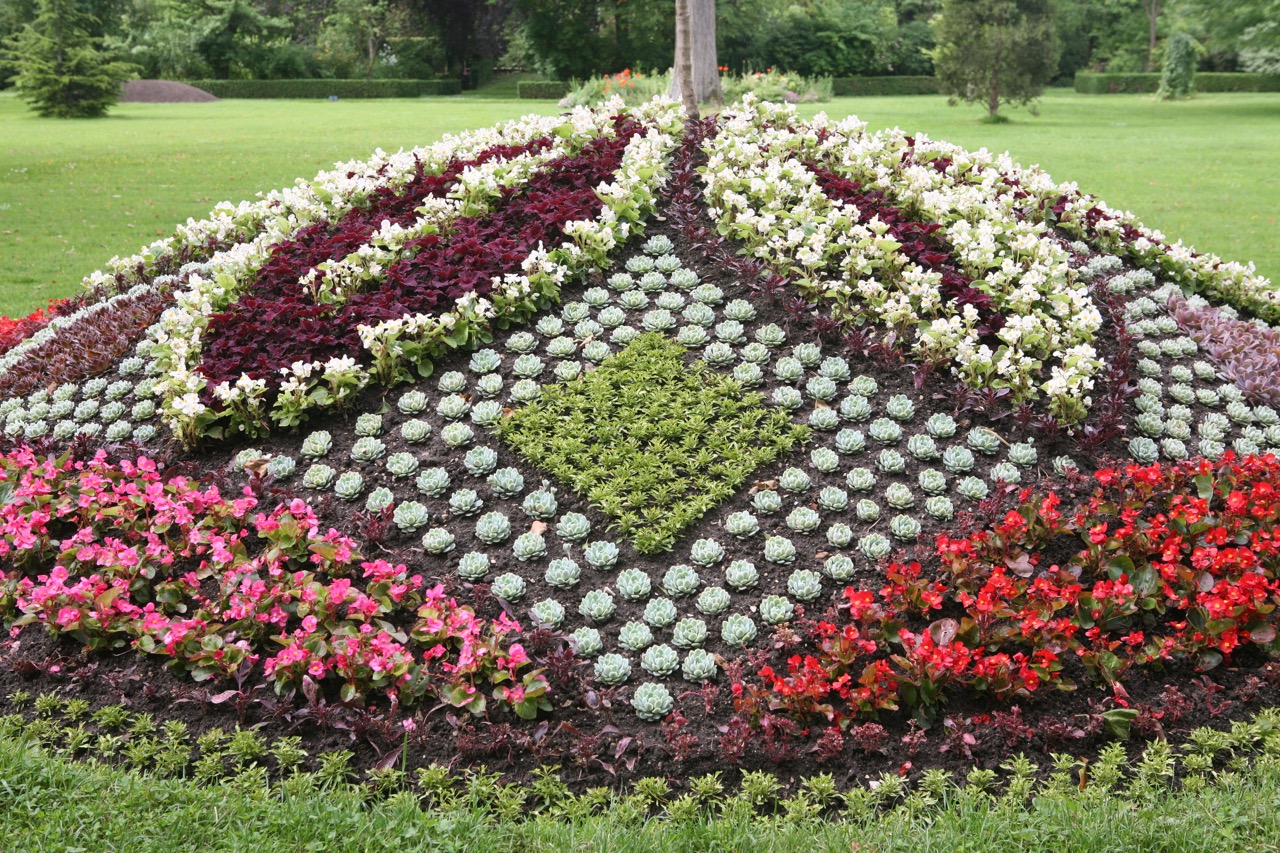
 Classic example of carpet bedding from the Jardin Anglaise at Versailles.

Classic example of carpet bedding from the Jardin Anglaise at Versailles.

 A tulip by tulips at the tulip garden of the world - Keukenhof.

A tulip by tulips at the tulip garden of the world - Keukenhof.

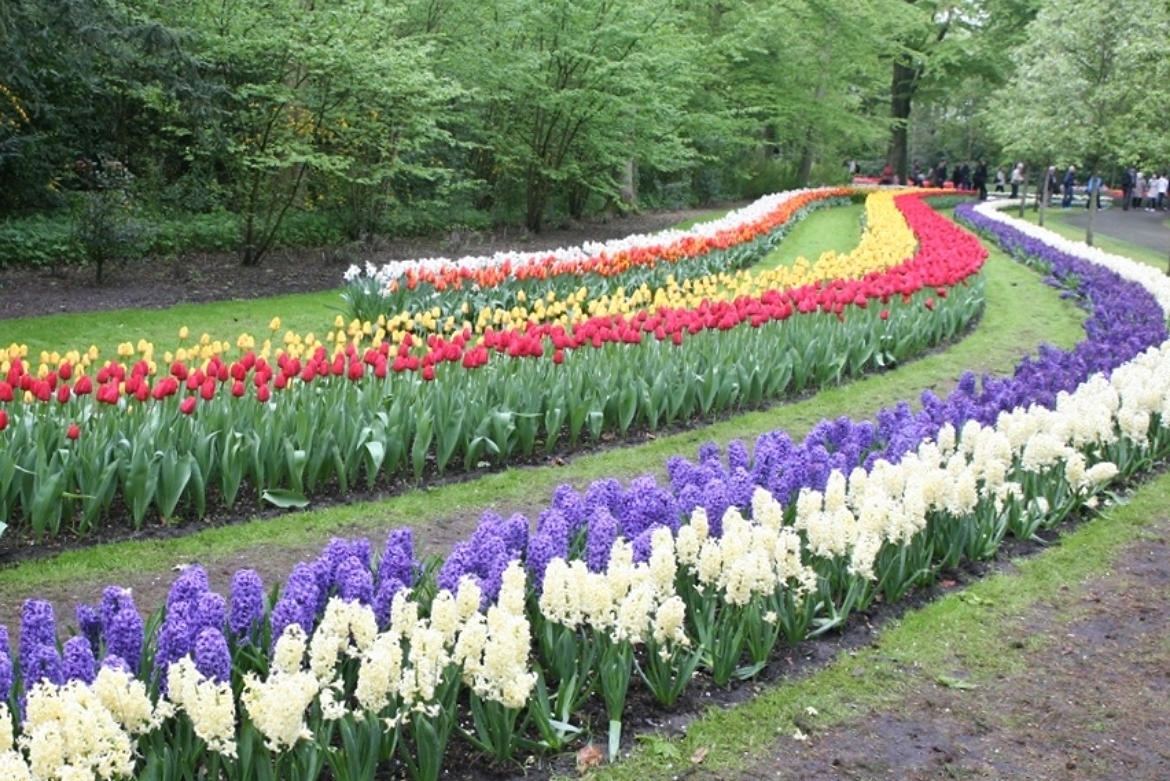
 Example of striping at Keukenhof.

Example of striping at Keukenhof.

thegoodgarden|keukenhof|netherlands|6572.jpg
 Stripes in Hyde Park, London.  Tulips arranged in stripes at Keukenhof.  Classic example of carpet bedding from the Jardin Anglaise at Versailles.  A tulip by tulips at the tulip garden of the world - Keukenhof.  Example of striping at Keukenhof. thegoodgarden|keukenhof|netherlands|6572.jpg

Controversy in the garden, 1882

David March 7, 2015

"During the last twenty years Europe has been swept by a mania for sacrificing natural scenery to coarse manufactures of brilliant and gaudy decoration under the name of specimen gardening; bedding, carpet, embroidery, and ribbon gardening, or other terms suitable to the house-furnishing and millinery trades.  It was a far madder contagion than the tulip-mania ... of our youth."

-  Fredrick Law Olmsted, The Spoils of the Park, 1882


Gardeners as a group are a friendly bunch.  However, there are a few topics that can be polarizing.  Arguments about formal vs. informal, native vs. exotic, natural vs. man-made, annual vs perennial, are common. 

Full copy available on books.google.com

Full copy available on books.google.com

In the 1800’s, the gardenesque style arranged exotic plant specimens to show off their full potential.  In some cases this was done with a single plant or cluster; at other times brightly colored plants were combined in patterns that resembled carpets, embroidery, and stripes.

When the picturesque style had a resurgence in popularity in the 1800’s, some designers thought that these patterned plantings had gone too far.  

One example can be found in the quote above.  I think it’s clear where Olmsted stands on this issue.  

Nonetheless, gardenesque bedding schemes remain popular.  Like our attraction to shiny objects, we can hardly resist the sheer explosion of color and pattern.  A few examples above from London's Hyde Park, Chateau de Versailles in France and Keukenhof in the Netherlands continue to draw large numbers of visitors.

See more gardenesque gardens here.
In Gardenesque Tags plant combinations, plant ideas, Carpet bedding, Versailles, Hyde Park, Keukenhof
5 Comments
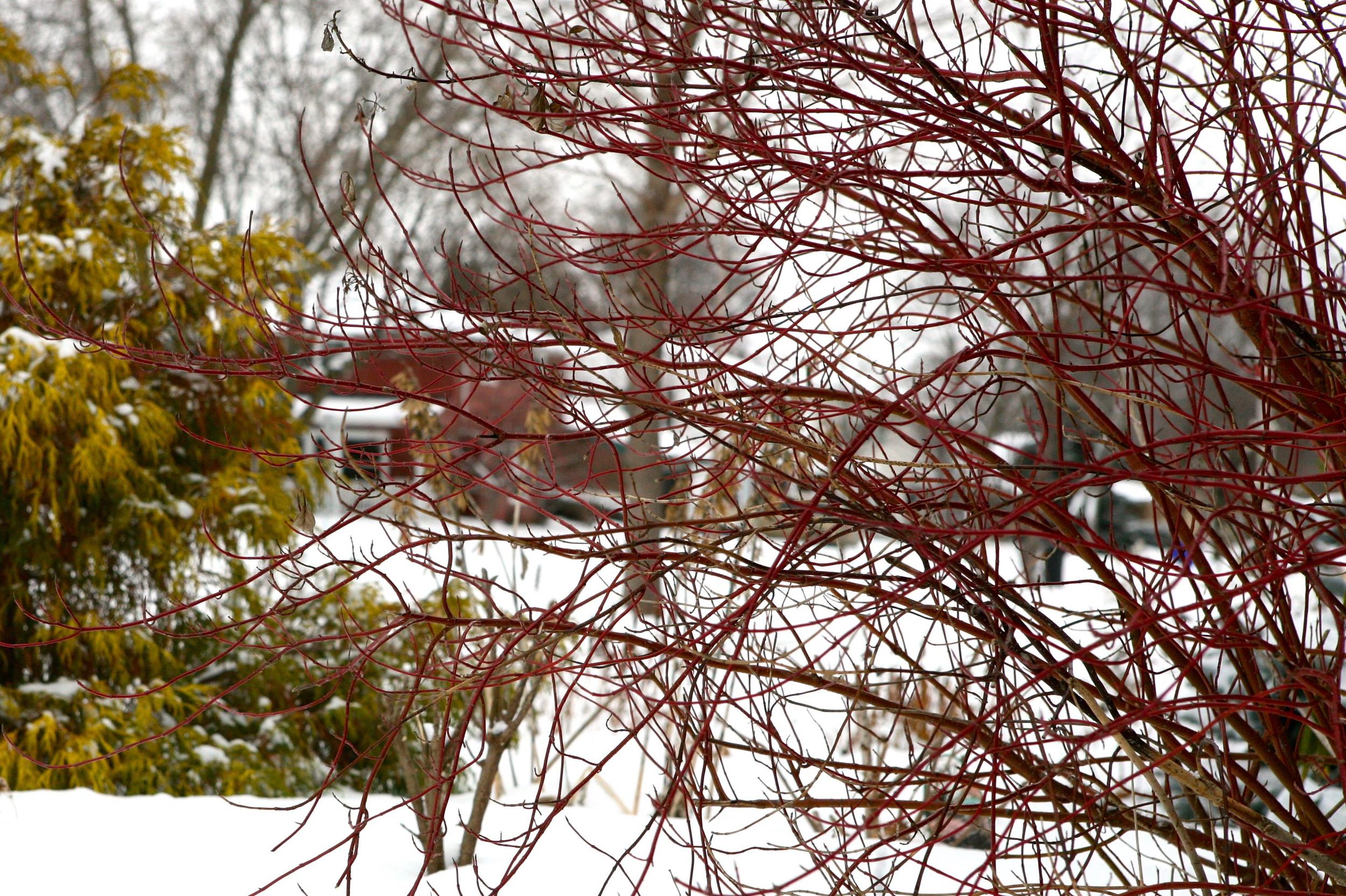
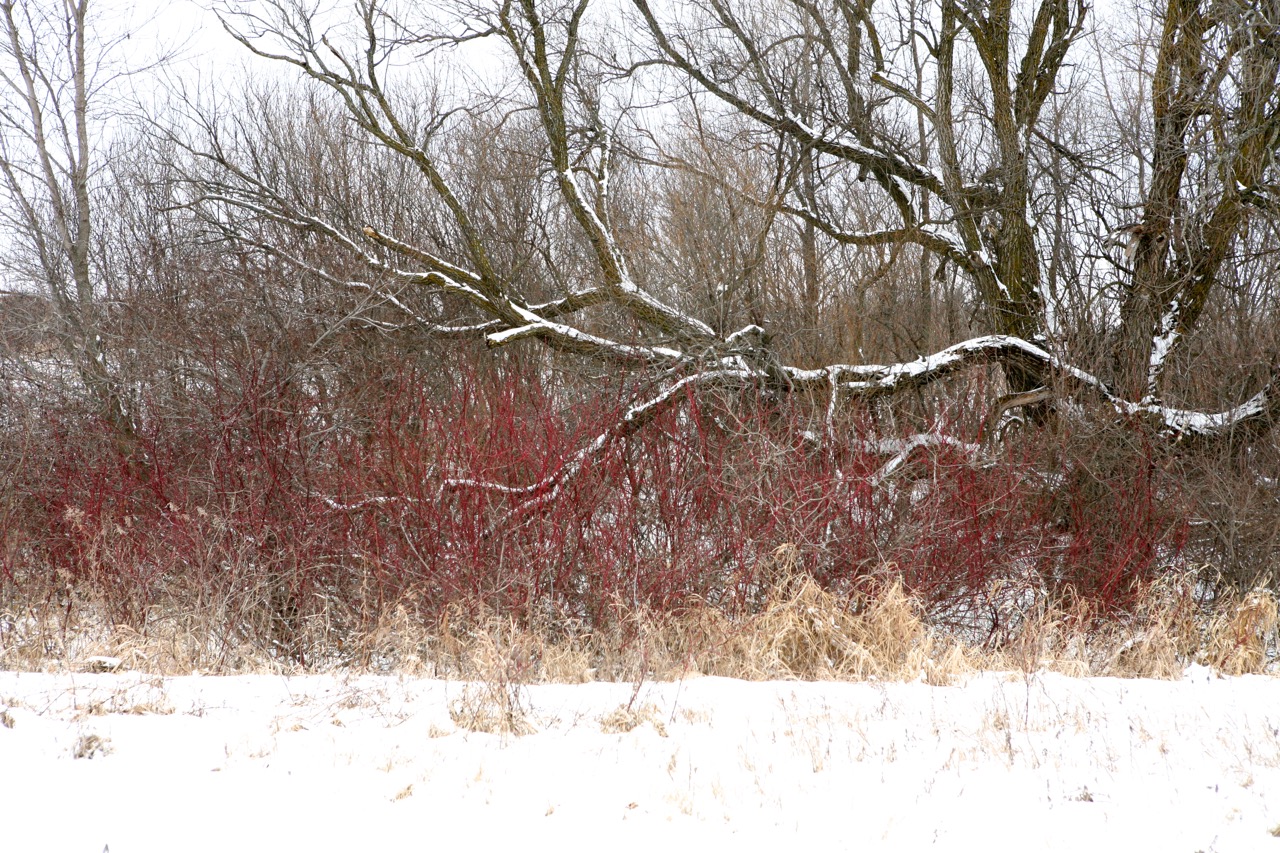
 Red twig dogwood contrast nicely with Timothy grass in Jim's Center garden.

Red twig dogwood contrast nicely with Timothy grass in Jim's Center garden.

 Anemones take on a new look in the winter, here in Marcie's Appleton garden.

Anemones take on a new look in the winter, here in Marcie's Appleton garden.

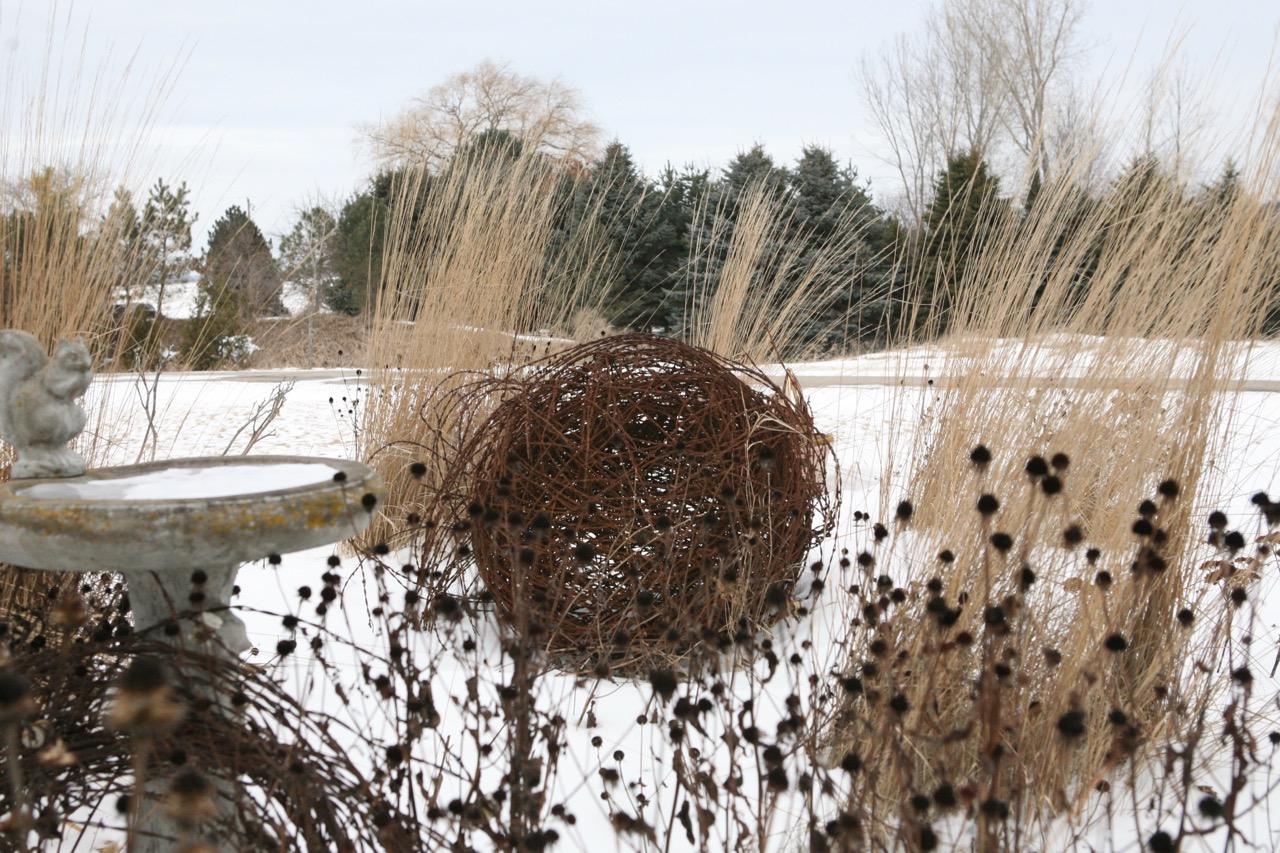
 One of a series of barbed wire balls that were originally part of the farm but discarded.  As ornaments they connect the garden with its past.

One of a series of barbed wire balls that were originally part of the farm but discarded.  As ornaments they connect the garden with its past.

 Nature plays a role in the design with black-eyed susans finding their way into this cluster of Sedum in Jim's garden.

Nature plays a role in the design with black-eyed susans finding their way into this cluster of Sedum in Jim's garden.

 Red-twig dogwood provides interest all winter in Marcie's garden.

Red-twig dogwood provides interest all winter in Marcie's garden.

 A vintage reflecting ball ornament lights up Jim's winter garden.

A vintage reflecting ball ornament lights up Jim's winter garden.

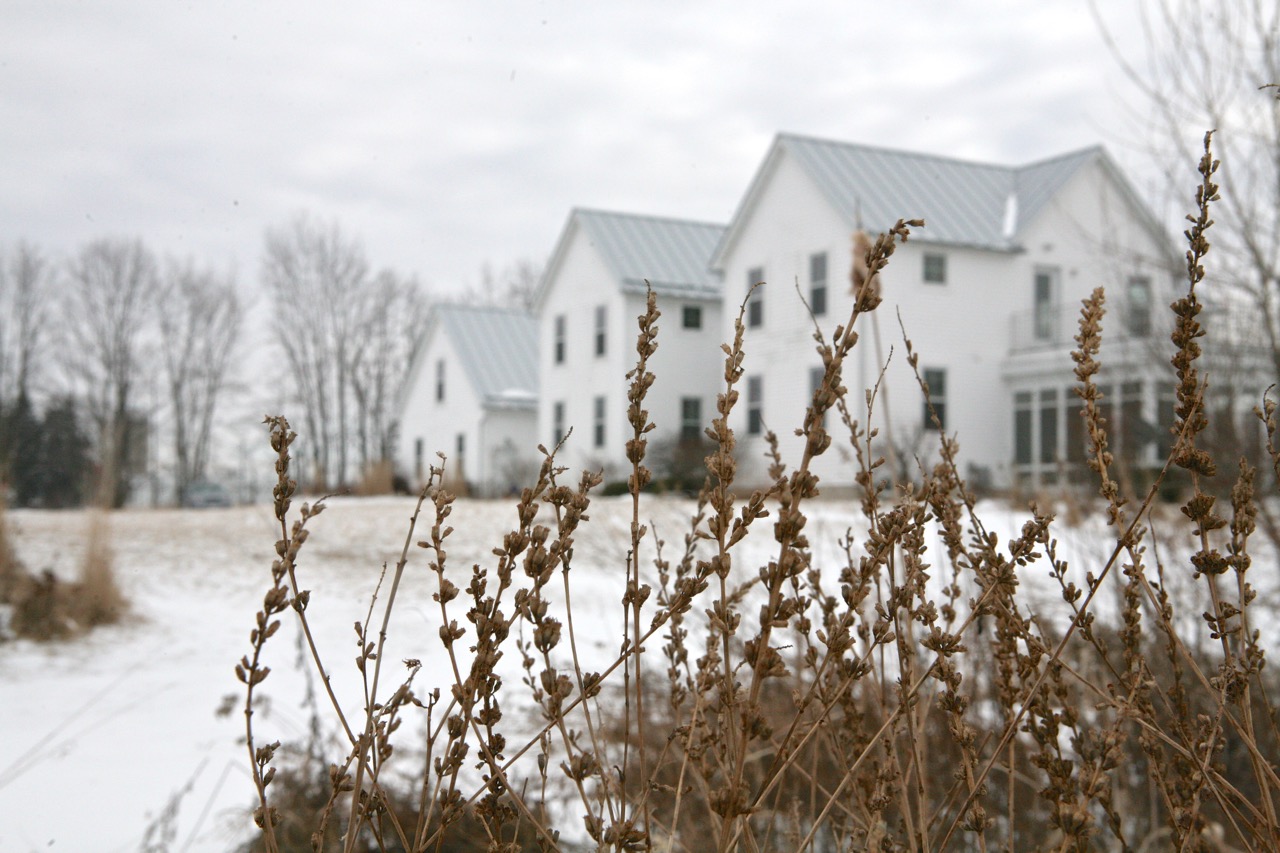
 Jim's modern farmhouse in a meadow of Timothy grass and other prairie plants.

Jim's modern farmhouse in a meadow of Timothy grass and other prairie plants.

 Red twig dogwood contrast nicely with Timothy grass in Jim's Center garden.  Anemones take on a new look in the winter, here in Marcie's Appleton garden.  One of a series of barbed wire balls that were originally part of the farm but discarded.  As ornaments they connect the garden with its past.  Nature plays a role in the design with black-eyed susans finding their way into this cluster of Sedum in Jim's garden.  Red-twig dogwood provides interest all winter in Marcie's garden.  A vintage reflecting ball ornament lights up Jim's winter garden.  Jim's modern farmhouse in a meadow of Timothy grass and other prairie plants.

Winter inspiration next door

David March 4, 2015

Winter is a good time to reflect on the magic of historic gardens to sharpen ideas for next season.  This year, however, I am taking a short break from garden history to get inspiration from local gardens and gardeners.   

I recently had the opportunity to visit with gardening friends in my own town to learn about their design inspiration, plant choices, and the merits of plant sharing. We talked about the power of childhood memories, embracing plants that are doing well in our gardens, and experimentation.

See the full column in the Post-Crescent to get the whole story.

With spring garden chores around the corner, now is a great time to get out and seek inspiration from our neighbor's gardens.  It may be hard to believe, but time's running out.


Click here to view article as it ran in The Post-Crescent.

Click here to view article as it ran in The Post-Crescent.


In Wild, Picturesque Tags Garden inspiration, garden ideas, garden ornament, plant ideas, Winter garden, Private Appleton Gardens, Jim Mahn, Marcie Burrows
2 Comments
thegoodgarden|regentspark|3895.jpg
thegoodgarden|regentspark|3902.jpg
thegoodgarden|regentspark|3916.jpg
thegoodgarden|regentspark|3897.jpg
thegoodgarden|regentspark|3901.jpg
thegoodgarden|regentspark|3890.jpg
thegoodgarden|regentspark|3881.jpg
thegoodgarden|regentspark|3895.jpg thegoodgarden|regentspark|3902.jpg thegoodgarden|regentspark|3916.jpg thegoodgarden|regentspark|3897.jpg thegoodgarden|regentspark|3901.jpg thegoodgarden|regentspark|3890.jpg thegoodgarden|regentspark|3881.jpg

The Rose Garden

David February 28, 2015

I couldn't let February go without a final salute to the rose since few plants hold our imagination in the same way.  The rose has served as a symbol of love, beauty, war, and death; its uses span from celebrations to medicine.  The power of the rose can be seen in the popularity of the rose garden – a garden dedicated to this one plant.

I must confess that I don’t grow roses.  I don’t like to garden with thorny plants.  And I am turned off by the prospect of having to battle diseases with terrible names like black spot, rust, and rose canker, to name a few.  This doesn’t mean that I don’t appreciate the rose.  The fact that I don't have roses in my own garden makes them that much more precious with I see them in others.  The colors, patterns, and fragrance can't be beat.  I tip my hat to gardeners braver than me, who succeed with this plant that sits at the top of the food chain.

A tapestry called Courtiers in a Rose Garden. 1440-50, South Netherlands.  Source: The Metropolitan Museum of Art.

A tapestry called Courtiers in a Rose Garden. 1440-50, South Netherlands.  Source: The Metropolitan Museum of Art.

According to the University of Illinois Extension, "The rose is ... 35 million years old. In nature, the genus Rosa has some 150 species spread throughout the Northern Hemisphere...  Garden cultivation of roses began some 5,000 years ago, probably in China. During the Roman period, roses were grown extensively in the Middle East. They were used as confetti at celebrations, for medicinal purposes, and as a source of perfume." Cultivated roses which had many more petals than wild roses came to Europe in the 1700’s.  

One rose garden that blew me away was Queen Mary’s Rose Garden in Regent’s Park.  It is the largest rose garden in London with 12,000 roses across 400 varieties.  Planted in the 1930's in blocks, I have never seen so many roses in one place.  The color and fragrance will knock you out.

Next time you are in London, this is a great spot to visit.

See more examples of gardenesque gardens here.


Source: 50 Best Gardens, The Independent

Source: 50 Best Gardens, The Independent

In Gardenesque Tags Rose garden, Roses, Regent's Park, London, UK, Queen Mary's Rose Garden
6 Comments
  • Blog
  • Older
  • Newer
Subscribe
No results found
Garden stories
 
facebook email
  • Policies
  • Contact
  • Subscribe
Garden stories

©2025 David Calle. The Good Garden.

the good garden

garden history, design inspiration

facebook email