the good garden

garden history, design inspiration
  • Home
  • My story
  • Talks and Articles
  • Resources
    • Places
    • Styles
    • Books, Video, Websites
  • Home
  • My story
  • Talks and Articles
    • Places
    • Styles
    • Books, Video, Websites

Blog

The good garden blog is about sharing garden inspiration and ideas from historic gardens around the world and some right next door.  Garden stories explore garden history, design, and the garden people behind famous and not-so-famous gardens.  My garden photographs span dozens of places across 5 continents.  Please join me in celebrating good garden design.

  • All
  • Arts and crafts
  • Chinese
  • Cloister
  • French formal
  • Gardenesque
  • Islamic
  • Italian renaissance
  • Japanese
  • Modernist
  • Picturesque
  • Roman
  • Thai
  • Vegetable
  • Wild
thegoodgarden|hetpark|rotterdam|2003b.jpg
thegoodgarden|hetpark|rotterdam|01997.jpg
thegoodgarden|hetpark|rotterdam|2059b.jpg
thegoodgarden|hetpark|rotterdam|02060.jpg
thegoodgarden|hetpark|rotterdam|2003b.jpg thegoodgarden|hetpark|rotterdam|01997.jpg thegoodgarden|hetpark|rotterdam|2059b.jpg thegoodgarden|hetpark|rotterdam|02060.jpg

Crocuses welcome spring

David February 25, 2015

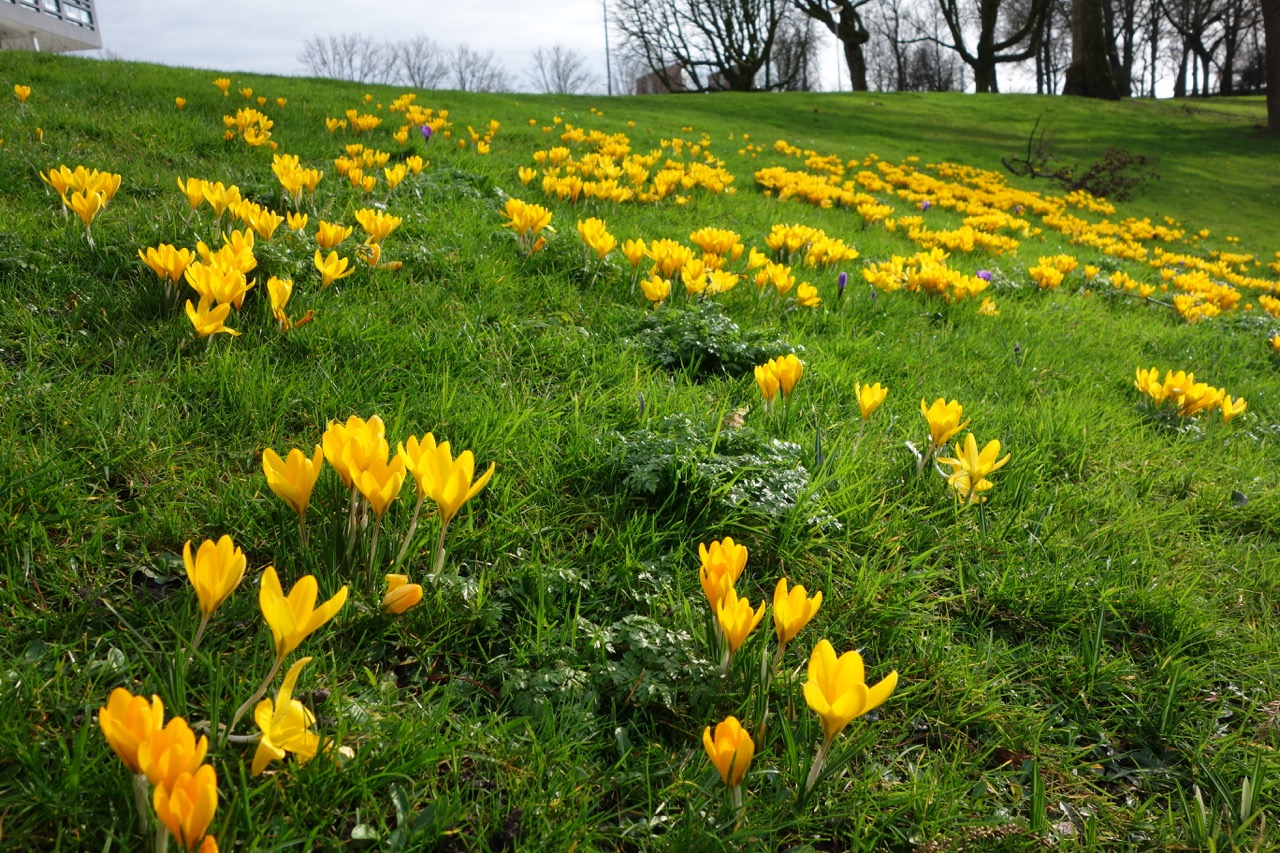
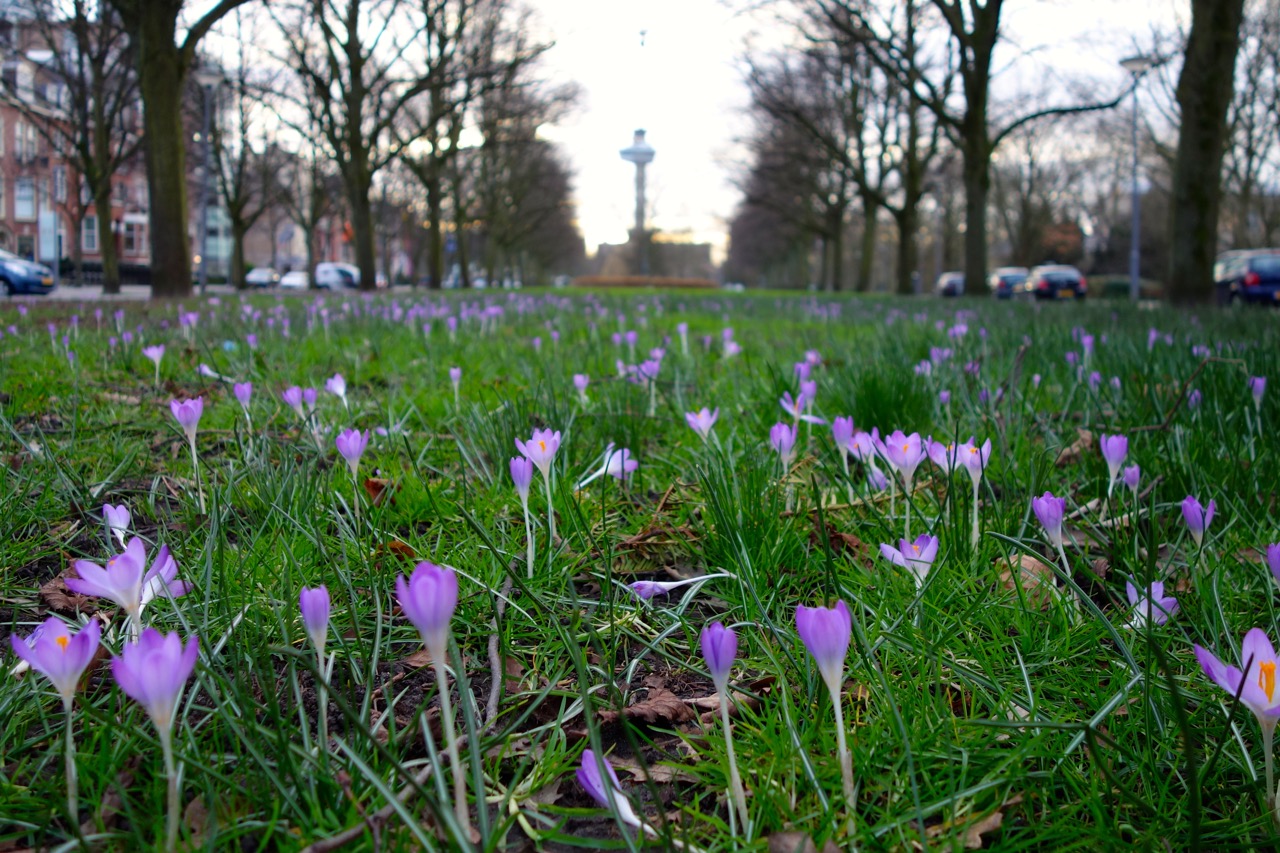
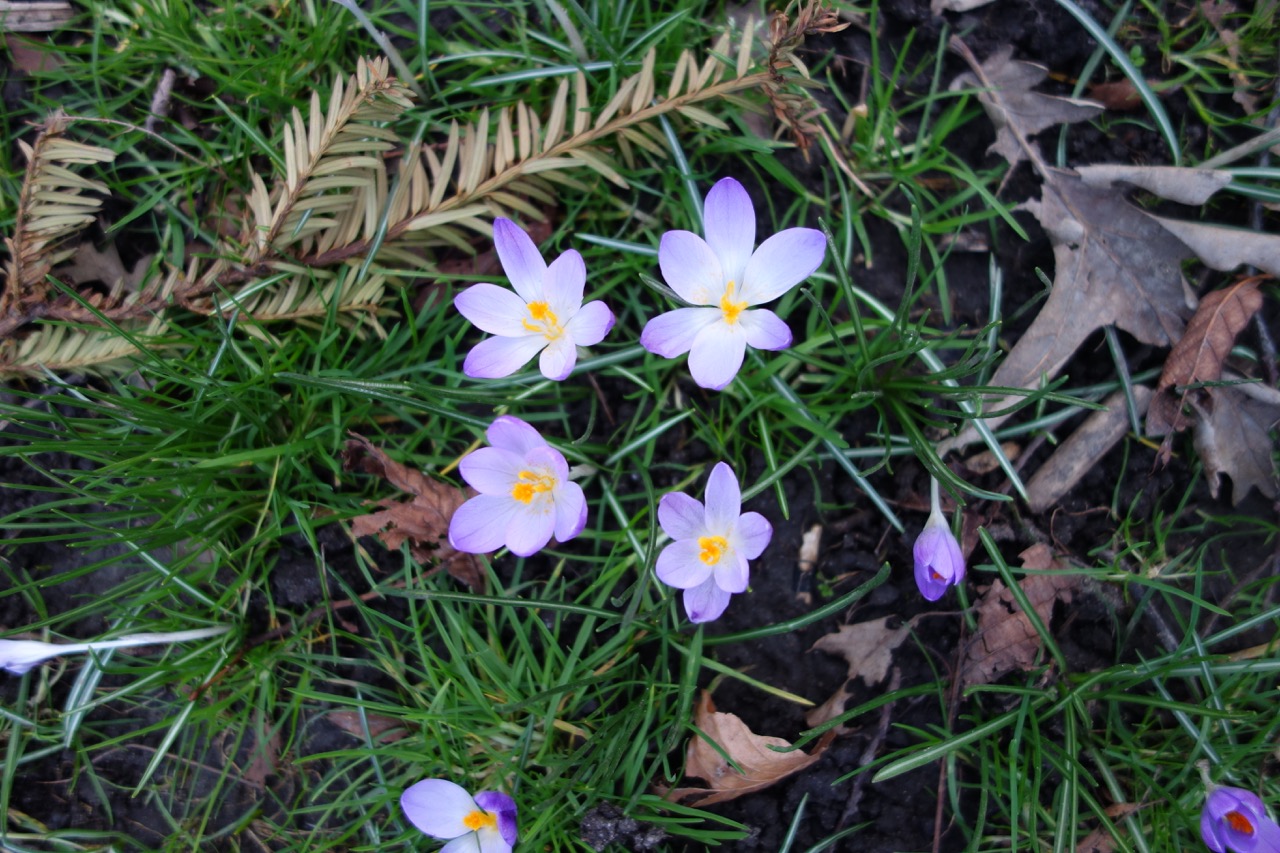
Thinking of spring.... I love how the gardeners at Het Park in Rotterdam use crocuses in naturalistic, random clusters to welcome spring.  By using only one type of crocus in each section of the garden, the result is soothing. elegant, and rhythmic.

This picturesque or English landscape style park dates from the 1850’s.  It was designed by Jan David Zocher and his son Louis Paul who started to work as a team at this time.

According to the Netherlands Architecture Institute, “Zocher’s ideal is to design building and landscape as a single entity. Which accounts for his inclination to work on many country estates, designing both the park and the house; one beautifies the other and they cannot be seen separately.”

 
2008 Book about Zocher's work.  Source:  Tuinhistorisch Genootschap Cascade

2008 Book about Zocher's work.  Source:  Tuinhistorisch Genootschap Cascade

Jan David Zocher.  Source: NAI.

Jan David Zocher.  Source: NAI.

In Picturesque Tags Het Park, Rotterdam, Netherlands, crocus, plant ideas, landscape garden
6 Comments
 After passing through half a dozen intimate courtyards, the view opens up to this amazing central water feature.  Smaller gardens are arranged around this.

After passing through half a dozen intimate courtyards, the view opens up to this amazing central water feature.  Smaller gardens are arranged around this.

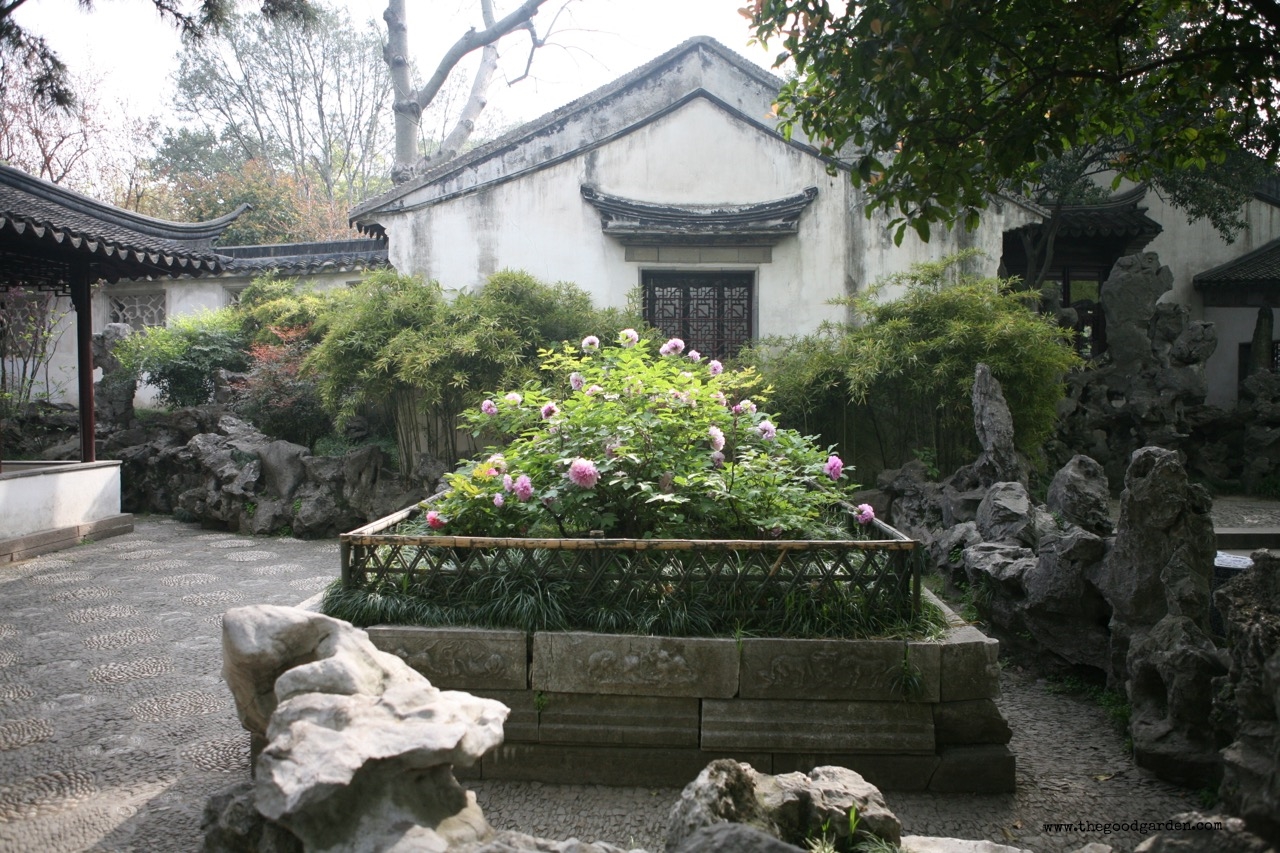
 A favorite outdoor room of peonies, lily turf, and bamboo.

A favorite outdoor room of peonies, lily turf, and bamboo.

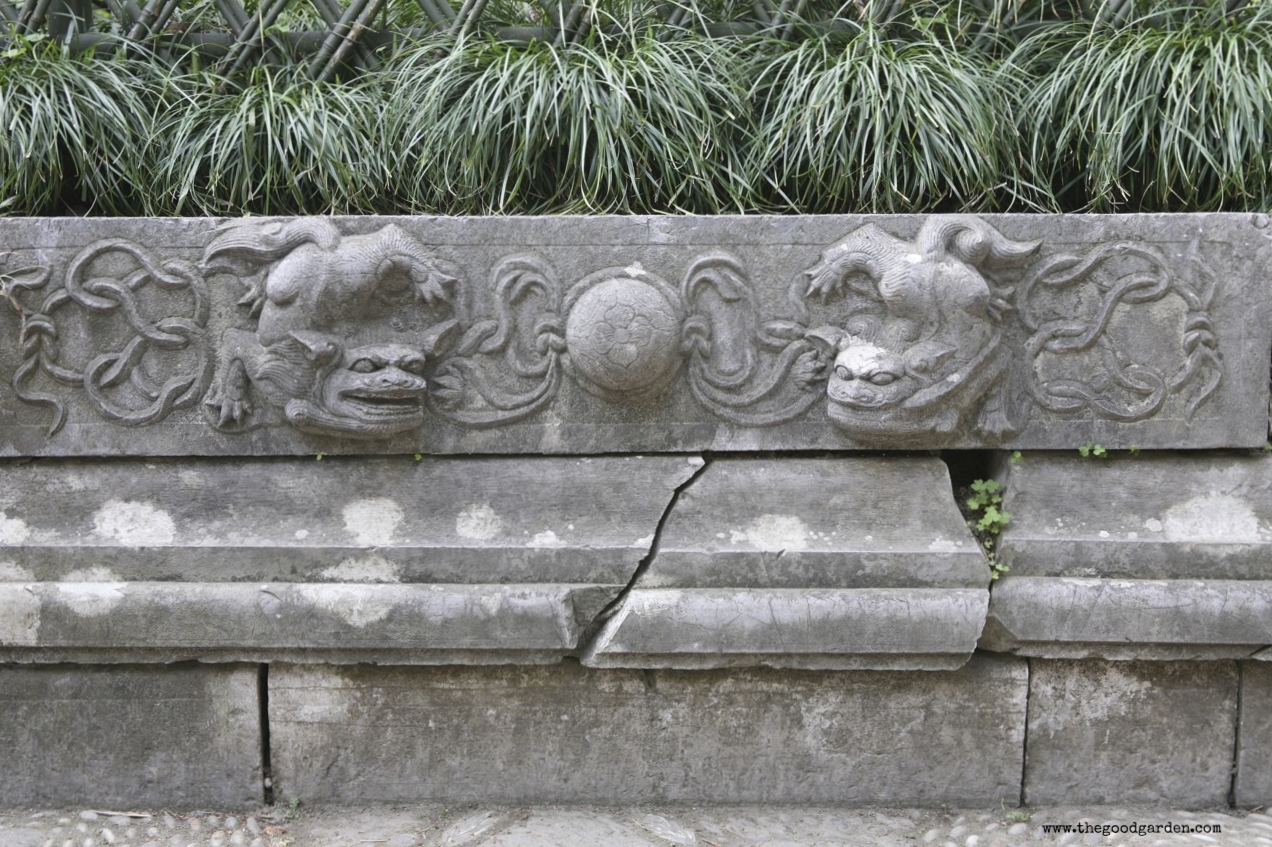
 Detail of carved stone planter that defines this space.

Detail of carved stone planter that defines this space.

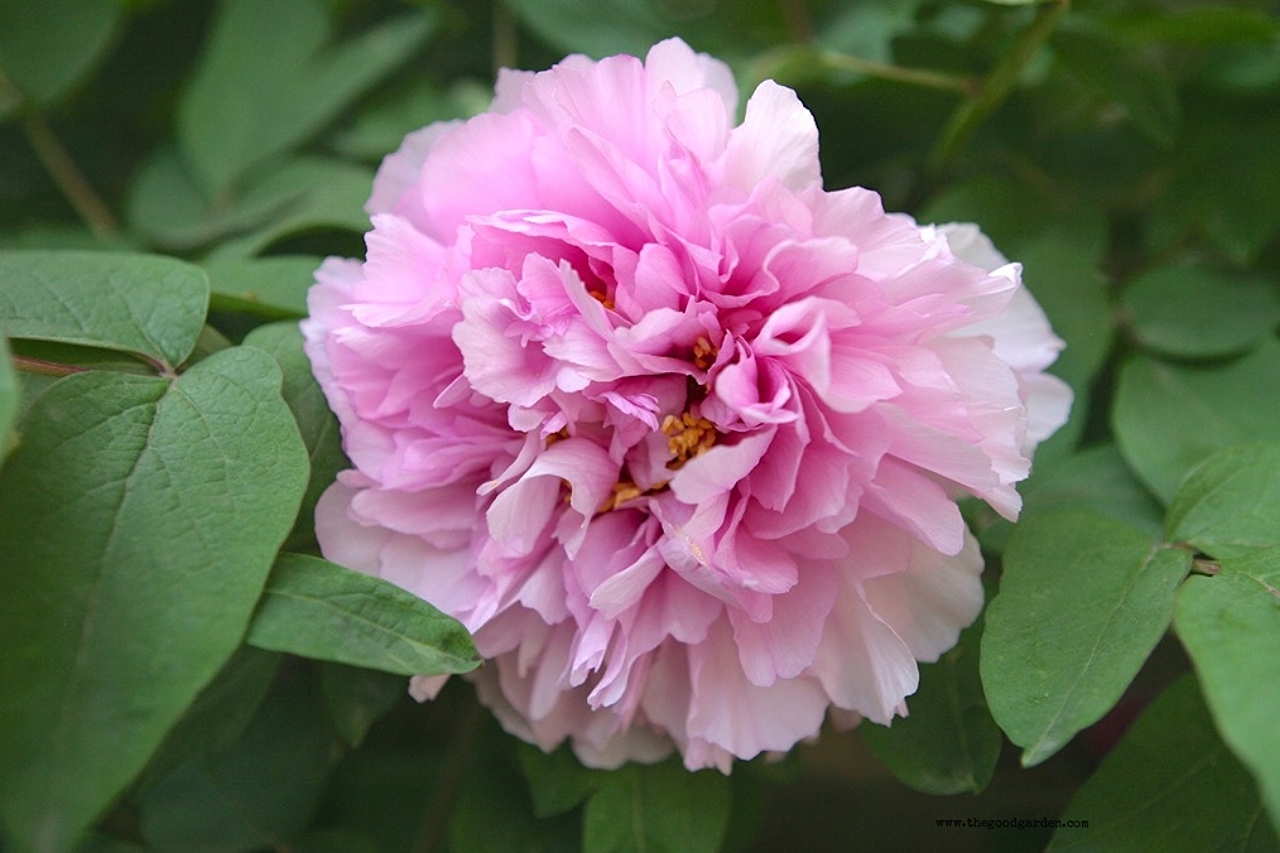
 Close up of a peony.  The star of this garden.

Close up of a peony.  The star of this garden.

 After passing through half a dozen intimate courtyards, the view opens up to this amazing central water feature.  Smaller gardens are arranged around this.  A favorite outdoor room of peonies, lily turf, and bamboo.  Detail of carved stone planter that defines this space.  Close up of a peony.  The star of this garden.

Romance in the Lingering Garden

David February 18, 2015

As February is the month of romance, I'd like to continue to celebrate romantic gardens from around the world. 

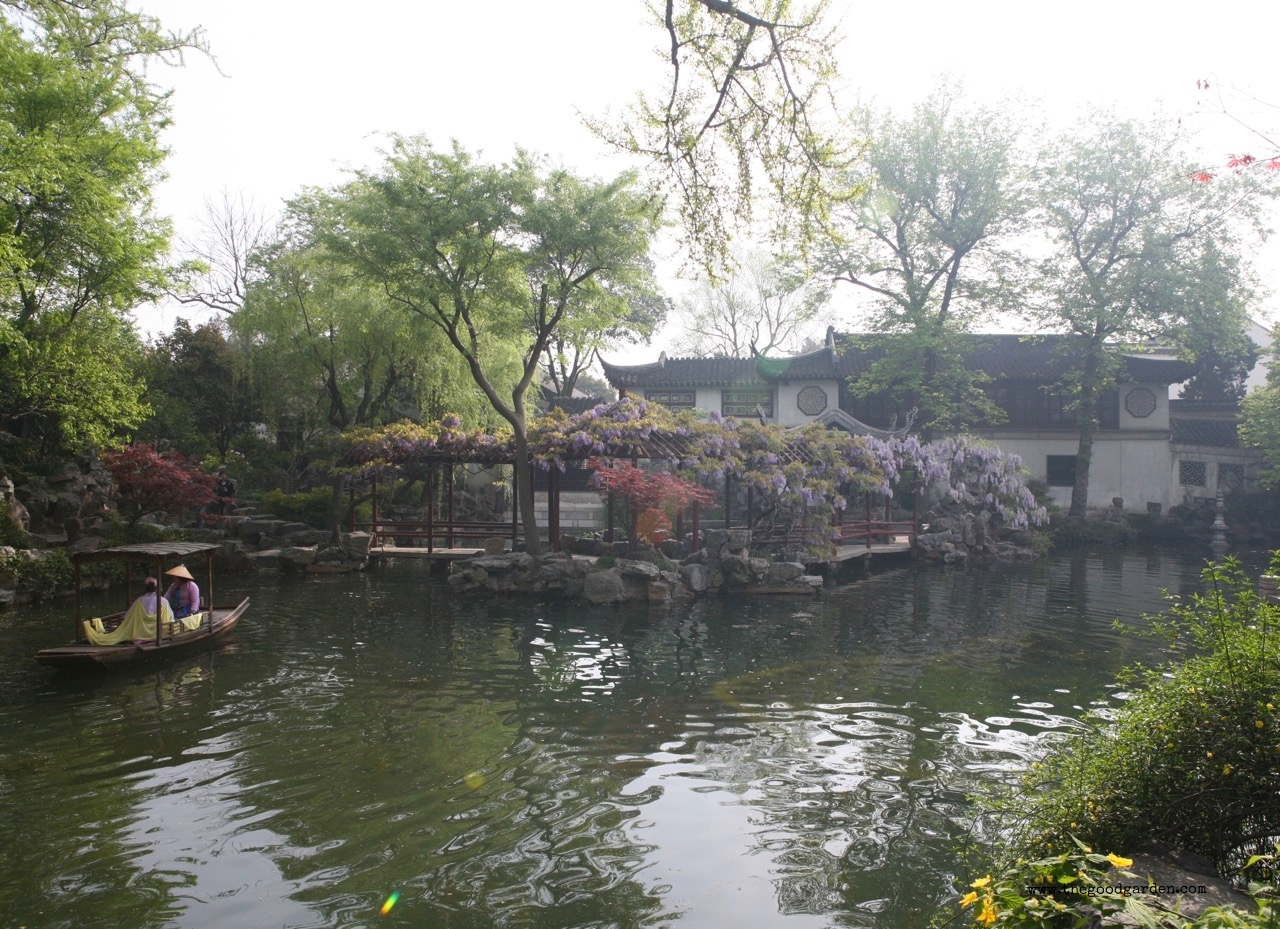
One of these is the Lingering Garden in Suzhou, China.  Built in the 1590’s by Xu Tai, this garden delivers an idealized vision of nature.  The design focuses on harmony and balance, seamlessly integrating buildings, stone work, and plant material.

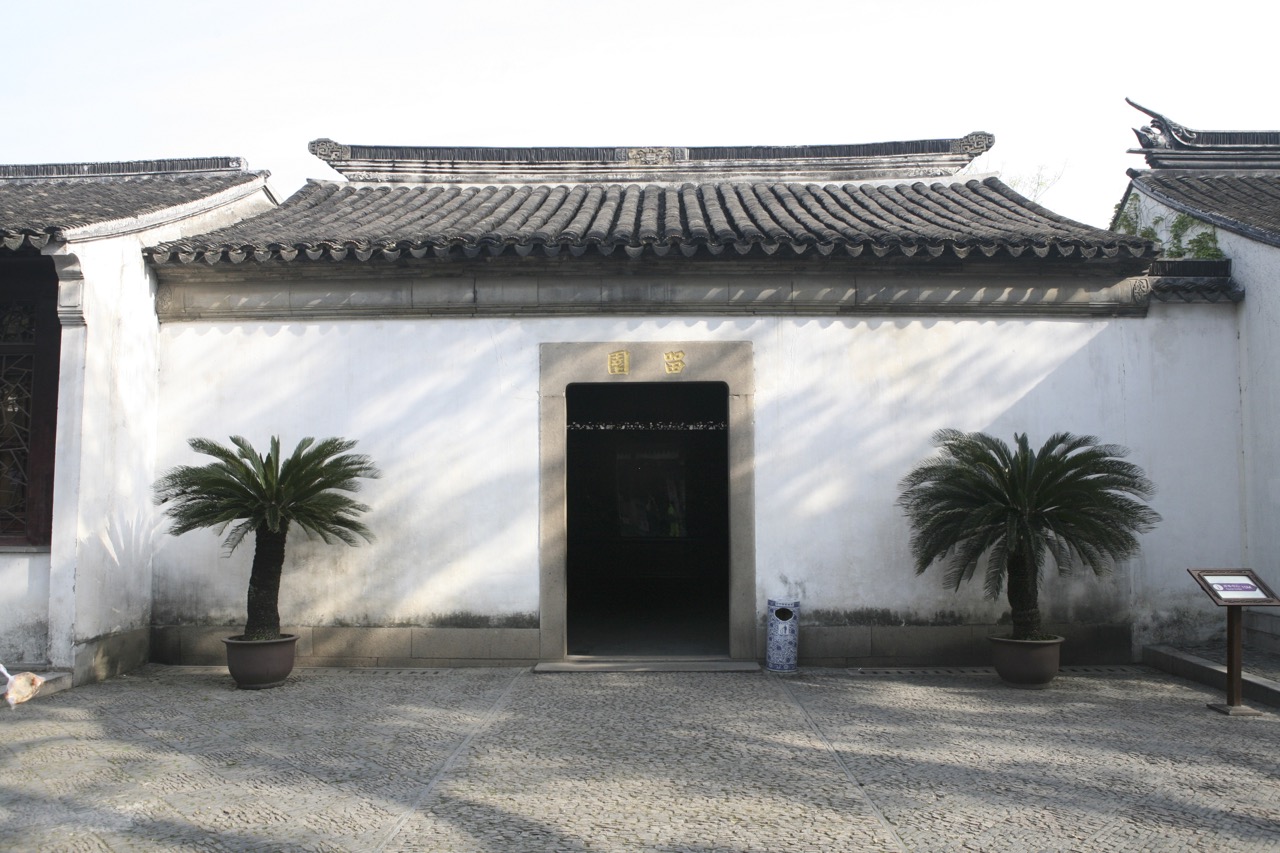
Street entrance to the Lingering Garden.

Street entrance to the Lingering Garden.

To reach the garden you pass through half a dozen intimate courtyards, linked by hallways lined with poetry and rock sculpture.  This passage is rewarded when the view opens up to a beautiful naturalistic lake that marks the center of the garden.  You know that you’ve arrived, and the water frames views of woodland and a wisteria covered bridge.  The lake is surrounded by a series of garden rooms—each one has its own feel and interest.

One of several intimate courtyards that ultimately open up to the central garden.

One of several intimate courtyards that ultimately open up to the central garden.

One room that I found hard to leave has a rectangular stone raised bed.  Lily turf provides an outline for a mound of peonies.  Various types of bamboo offer a simple backdrop.

The Lingering Garden of Suzhou, China. Simple, elegant, lush, romantic.  Check out this wonderful video if you want to learn more about this garden.

See more photos from Chinese gardens here.


In Chinese Tags Lingering Garden, Suzhou, China, chinese garden, ro, romantic garden, Xu Tai, peonies, lily turf, bamboo, plant ideas
Comment
thegoodgarden|ninfa|sermoneta|4691.jpg
thegoodgarden|ninfa|sermoneta|4770.jpg
thegoodgarden|ninfa|sermoneta|4992.jpg
thegoodgarden|ninfa|sermoneta|4703.jpg
thegoodgarden|ninfa|sermoneta|4767.jpg
thegoodgarden|ninfa|sermoneta|5054.jpg
thegoodgarden|ninfa|sermoneta|5038.jpg
thegoodgarden|ninfa|sermoneta|4691.jpg thegoodgarden|ninfa|sermoneta|4770.jpg thegoodgarden|ninfa|sermoneta|4992.jpg thegoodgarden|ninfa|sermoneta|4703.jpg thegoodgarden|ninfa|sermoneta|4767.jpg thegoodgarden|ninfa|sermoneta|5054.jpg thegoodgarden|ninfa|sermoneta|5038.jpg

Happy Valentine's Day from Ninfa

David February 14, 2015

The garden of Ninfa is often refered to as “the most romantic garden in the world.”  It doesn’t hurt that garden expert Charles Quest-Ritson wrote a book about this garden using this phrase as its title. Is it a claim, a boast, or just a provocative statement meant to peak our interest?

I was curious to see this for myself.  With so many romantic gardens, how could any one claim to be the most romantic?  Depending on your mood, ”romantic” could take on many styles.  As I planned my day trip to Ninfa, near the medieval town of Sermoneta, south of Rome, I was skeptical -- to say the least.  Would I be impressed or disappointed?  To heighten my anticipation, the garden is hard to get to, is only open a few times per month, and only a few hours in the morning and afternoon.  Tickets can not be purchased in advance.  Instead they require waiting in line for at least an hour, and then, you can only visit in chaperoned groups.  I have never visited a public garden with so many restrictions.

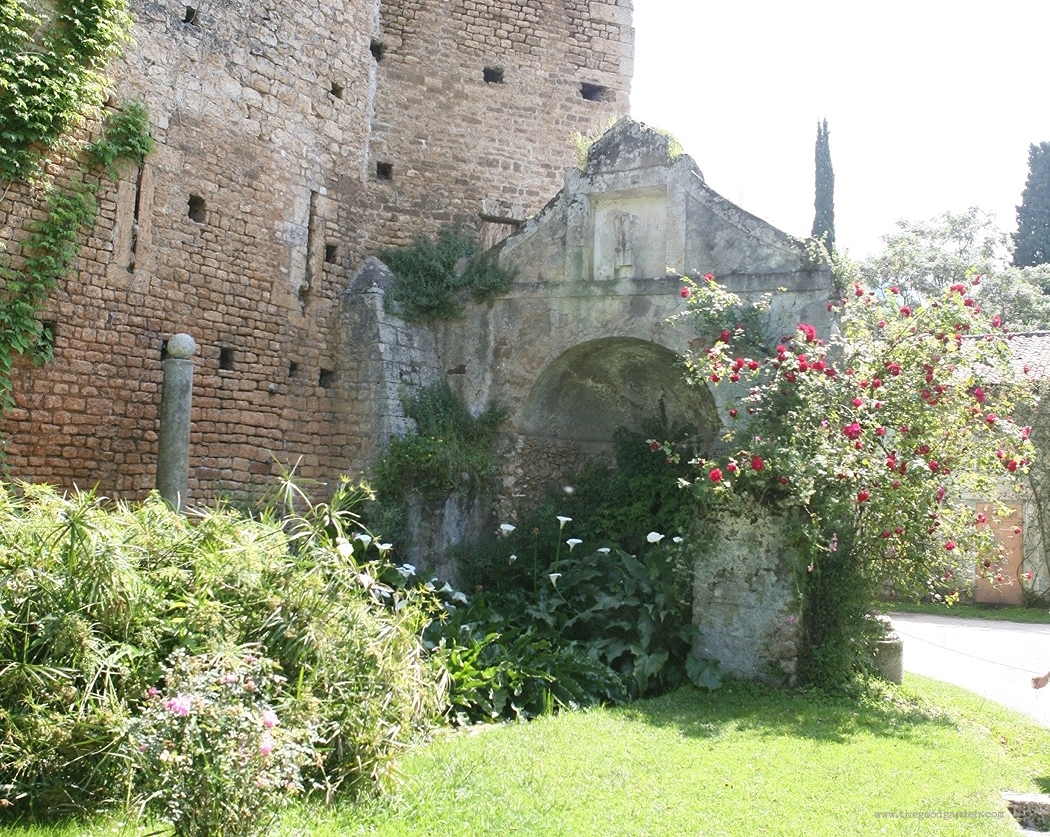
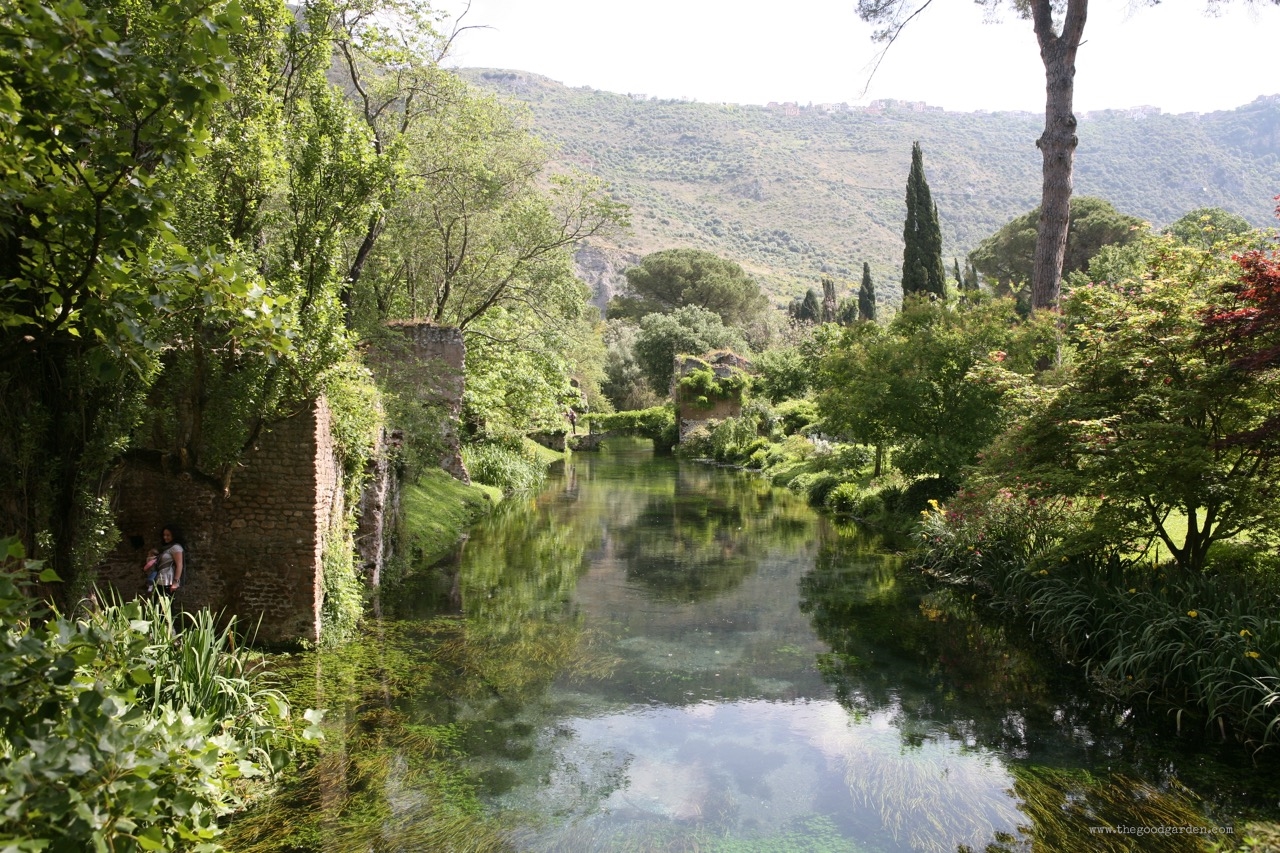
Like other picturesque gardens, Ninfa feels like a series of perfectly composed landscape paintings.  A river, a lake, mountains in the distance, and ruins are key elements.  What makes Ninfa unique is that it incorporates the actual ruins of a Roman village.  If you recall, the picturesque movement got its inspiration from paintings of the Italian countryside, and here we have a picturesque garden that is actually in the Italian countryside.

Monty Don and Derry Moore’s Great Gardens of Italy explains its history:  “For a thousand years Ninfa was a busy town on the main road from Rome to Naples until 1381 when it was sacked by mercenaries and the remaining inhabitants, much reduced by plague and … malaria from the surrounding marshes, abandoned it.”

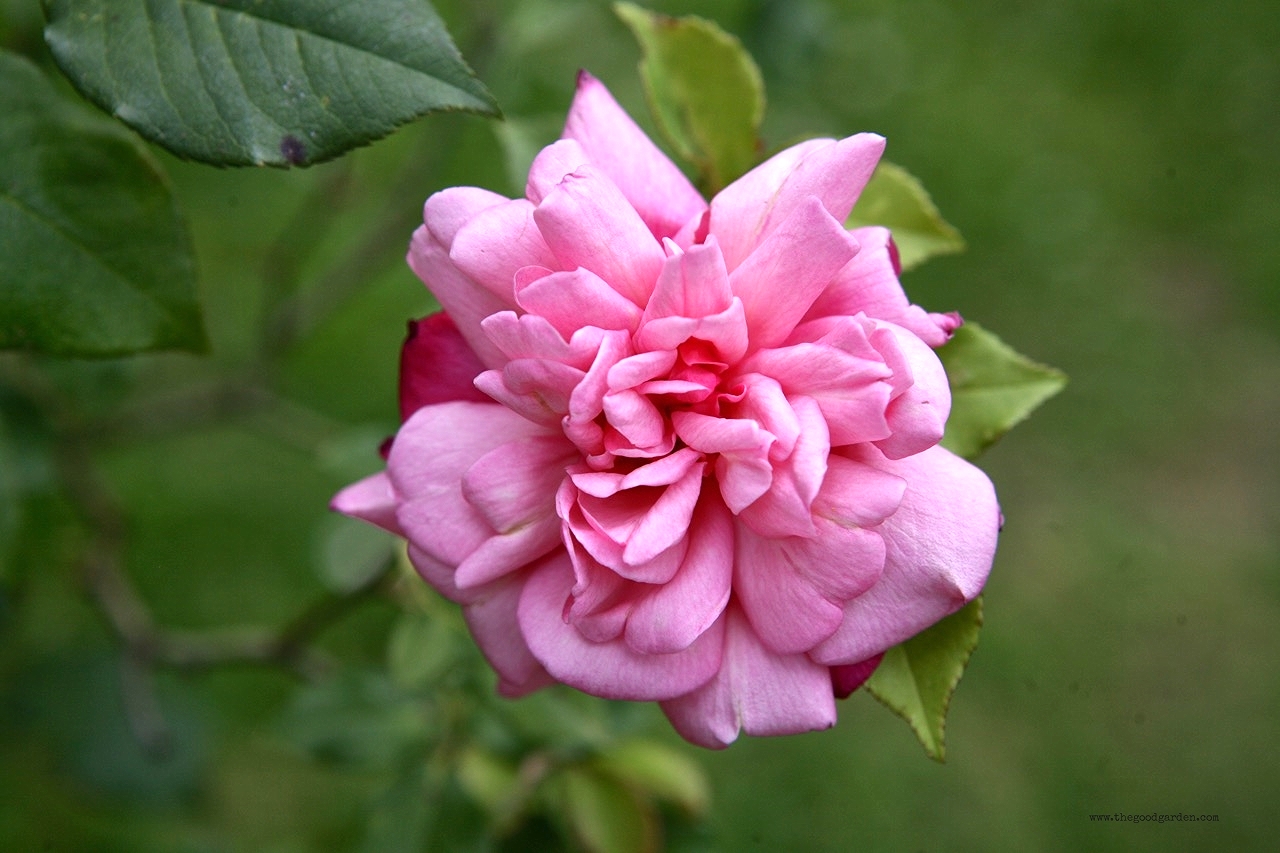
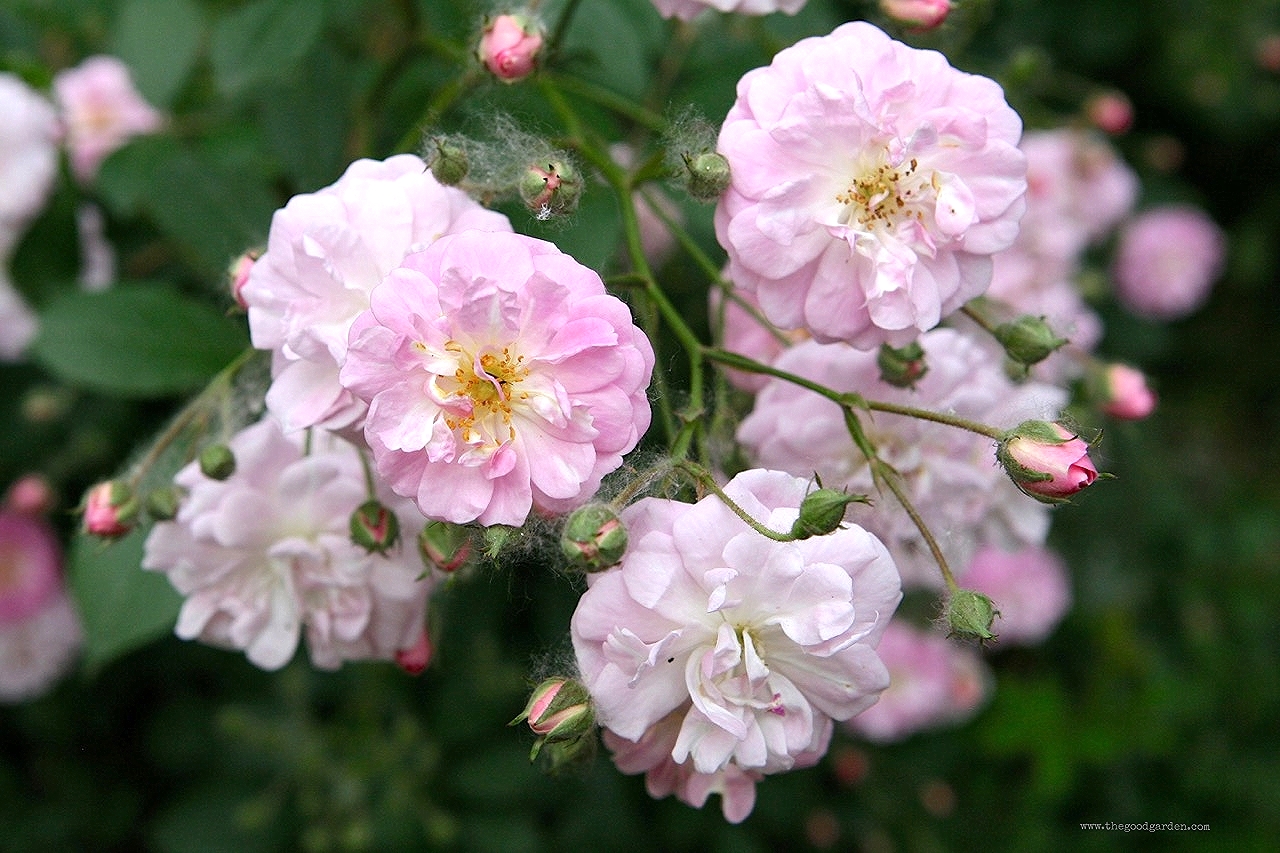
Fast forward to the 1920’s when the Caetani family began to shore up the ruins and to plant again. They planted cypress, pines, oaks, and cedars.  But most of all, they planted roses. The rose links the garden spaces together.  Roses of all varieties are everywhere.  Marguerite Caetani, a literary magazine editor and wealthy American, is credited with how the garden looks today, herself planting hundreds of roses. 

This garden is a dream place.  To enter this garden is to enter a bubble in time and space.  A garden well worth the hassle of getting there and waiting in line for tickets; it deserves all the praise it gets.

Happy Valentine's Day.

 
 
Marguerite Caetani.  Source: Made in South Italy Today 

Marguerite Caetani.  Source: Made in South Italy Today 

In Picturesque Tags Ninfa, Italy, Roses, plant ideas, Garden ruins, Roman ruins
2 Comments
  • Blog
  • Older
  • Newer
Subscribe
No results found
Garden stories
 
facebook email
  • Policies
  • Contact
  • Subscribe
Garden stories

©2025 David Calle. The Good Garden.

the good garden

garden history, design inspiration

facebook email