the good garden

garden history, design inspiration
  • Home
  • My story
  • Talks and Articles
  • Resources
    • Places
    • Styles
    • Books, Video, Websites
  • Home
  • My story
  • Talks and Articles
    • Places
    • Styles
    • Books, Video, Websites

Blog

The good garden blog is about sharing garden inspiration and ideas from historic gardens around the world and some right next door.  Garden stories explore garden history, design, and the garden people behind famous and not-so-famous gardens.  My garden photographs span dozens of places across 5 continents.  Please join me in celebrating good garden design.

  • All
  • Arts and crafts
  • Chinese
  • Cloister
  • French formal
  • Gardenesque
  • Islamic
  • Italian renaissance
  • Japanese
  • Modernist
  • Picturesque
  • Roman
  • Thai
  • Vegetable
  • Wild
thegoodgarden|hidcote|3534.jpg
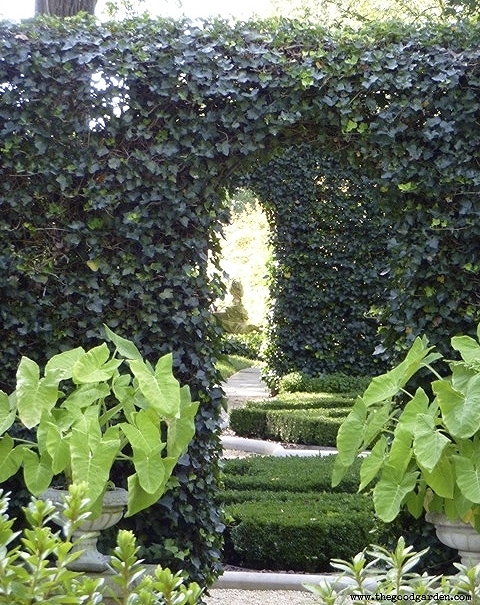
 Innovative ivy hedge over a metal frame creates a lush, dark green backdrop for this garden room at Hillwood.  Washington, DC.

Innovative ivy hedge over a metal frame creates a lush, dark green backdrop for this garden room at Hillwood.  Washington, DC.

 Hornbeam trained over a wood trellis at the Prinsetuin includes windows and doorways.  Groningen  ,   The Netherlands.

Hornbeam trained over a wood trellis at the Prinsetuin includes windows and doorways. Groningen, The Netherlands.

 A boxwood and yew hedge in the garden at Hidcote. Gloucestershire, England.

A boxwood and yew hedge in the garden at Hidcote. Gloucestershire, England.

 Hedge of holly and hornbeam, in both regular and copper varieties, at the garden at Hidcote. Gloucestershire, England.  

Hedge of holly and hornbeam, in both regular and copper varieties, at the garden at Hidcote. Gloucestershire, England.  

 Yew in simple, rectangular shapes frame a garden at Sissinghurst Castle, Kent, England.

Yew in simple, rectangular shapes frame a garden at Sissinghurst Castle, Kent, England.

 Notches in old yew hedges are invitations to explore. Savill Garden, near Surrey, England.

Notches in old yew hedges are invitations to explore. Savill Garden, near Surrey, England.

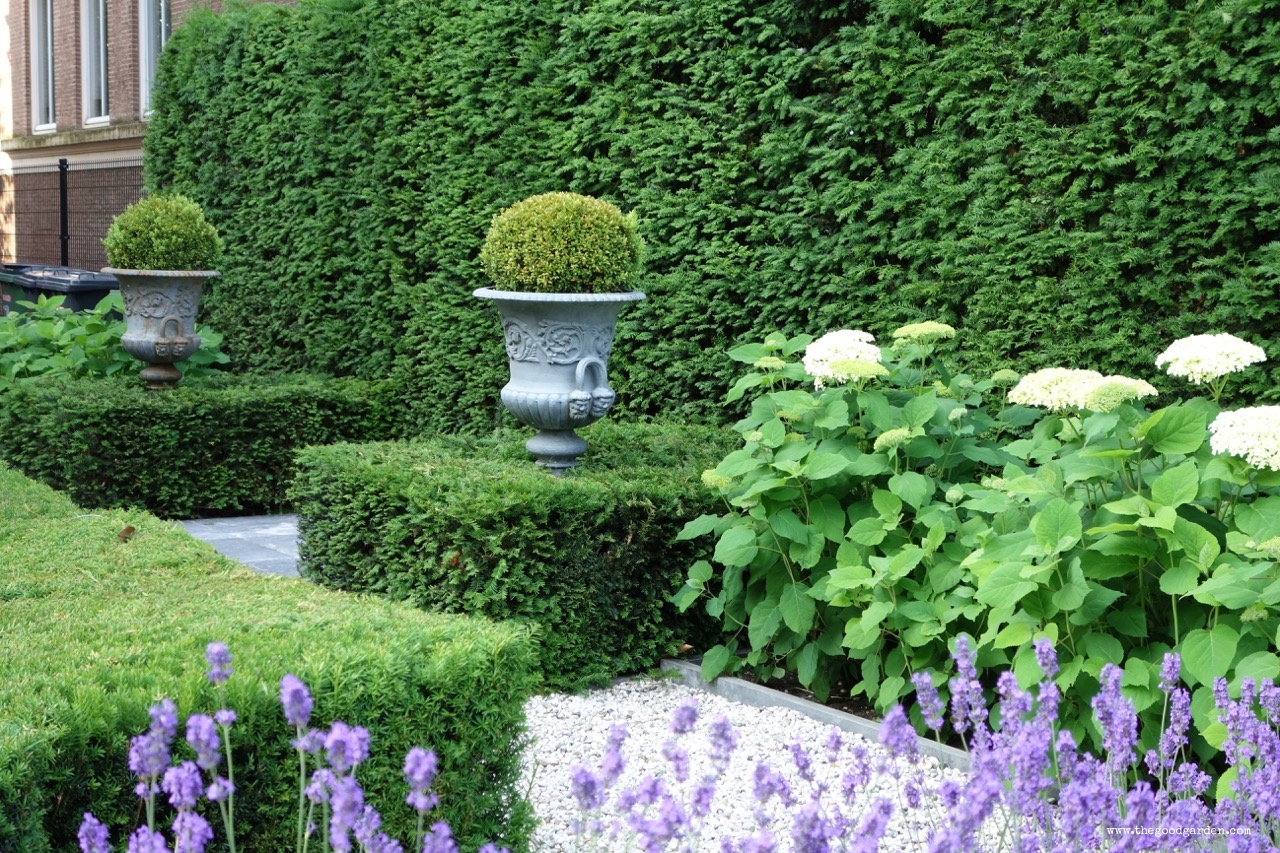
 A yew hedge in a small urban front garden. Rotterdam, the Netherlands.

A yew hedge in a small urban front garden. Rotterdam, the Netherlands.

 A semi-circular cut out creates a sheltered seating area at Longwood Gardens. Pennsylvania, US.

A semi-circular cut out creates a sheltered seating area at Longwood Gardens. Pennsylvania, US.

thegoodgarden|hidcote|3534.jpg  Innovative ivy hedge over a metal frame creates a lush, dark green backdrop for this garden room at Hillwood.  Washington, DC.  Hornbeam trained over a wood trellis at the Prinsetuin includes windows and doorways.  Groningen  ,   The Netherlands.   A boxwood and yew hedge in the garden at Hidcote. Gloucestershire, England.  Hedge of holly and hornbeam, in both regular and copper varieties, at the garden at Hidcote. Gloucestershire, England.    Yew in simple, rectangular shapes frame a garden at Sissinghurst Castle, Kent, England.  Notches in old yew hedges are invitations to explore. Savill Garden, near Surrey, England.  A yew hedge in a small urban front garden. Rotterdam, the Netherlands.  A semi-circular cut out creates a sheltered seating area at Longwood Gardens. Pennsylvania, US.

Best garden hedges

David January 31, 2015

I have hedge envy. 

Hedges define a space, provide shelter, and create the perfect backdrop for shrubs and perennials.  Tall hedges pull the eye upwards.  An opening in a hedge adds mystery and invites us to look in, to enter.  A nook in a hedge is the perfect place to secretly sit. 

Hedges offer interest all year round.  They make places for wildlife to hide, or rest, or sleep .  A trimmed hedge is an opportunity to create fantastical structures or just keep it simple.  

Once established, they take care of themselves; they don’t need to be painted and they don’t fall down like a wooden fence. Like a fence, though, a hedge can hide an unwanted view.

Historic gardens offer inspiring ways to use hedges.  Just a few of my favorite examples are highlighted above and include: Hidcote, Prinsentuin, Longwood Gardens,  Hillwood Estate, Savill Garden, Sissinghurst, and Versailles.  Hover on the photos to learn where each photo was taken.

Even with today's power tools, formal hedges are a lot of work.  I can't imagine what it was like with manual tools.  Old Garden Tools Virtual Museum's mission is to be "a resource to collectors and researchers in the field of tools and ephemera used in the art and science of gardening." Thanks to their work we have a few examples of tools used in the early 1900's to keep hedges looking their best. 

Hedging shears. Source: Old Garden Tools Virtual Museum.

Hedging shears. Source: Old Garden Tools Virtual Museum.

Little Wonder.  Source: Old Garden Tools Virtual Museum.

Little Wonder.  Source: Old Garden Tools Virtual Museum.

Multi-cut shears. Source: Old Garden Tools Virtual Museum.
Multi-cut shears. Source: Old Garden Tools Virtual Museum.
 

In Arts and crafts, French formal Tags Garden inspiration, garden ideas, garden hedges, Hidcote, Hillwood, Sissinghurst, Savill Garden, Rotterdam Private Garden, Longwood Garden, Prinsenhoftuin
Comment
thegoodgarden|GreenBayBotanic|9953.jpg
thegoodgarden|GreenBayBotanic|9951.jpg
thegoodgarden|GreenBayBotanic|9944.jpg
thegoodgarden|GreenBayBotanic|9946.jpg
thegoodgarden|GreenBayBotanic|9954.jpg
thegoodgarden|GreenBayBotanic|9956.jpg
thegoodgarden|GreenBayBotanic|9953.jpg thegoodgarden|GreenBayBotanic|9951.jpg thegoodgarden|GreenBayBotanic|9944.jpg thegoodgarden|GreenBayBotanic|9946.jpg thegoodgarden|GreenBayBotanic|9954.jpg thegoodgarden|GreenBayBotanic|9956.jpg

50 days until spring!

David January 27, 2015

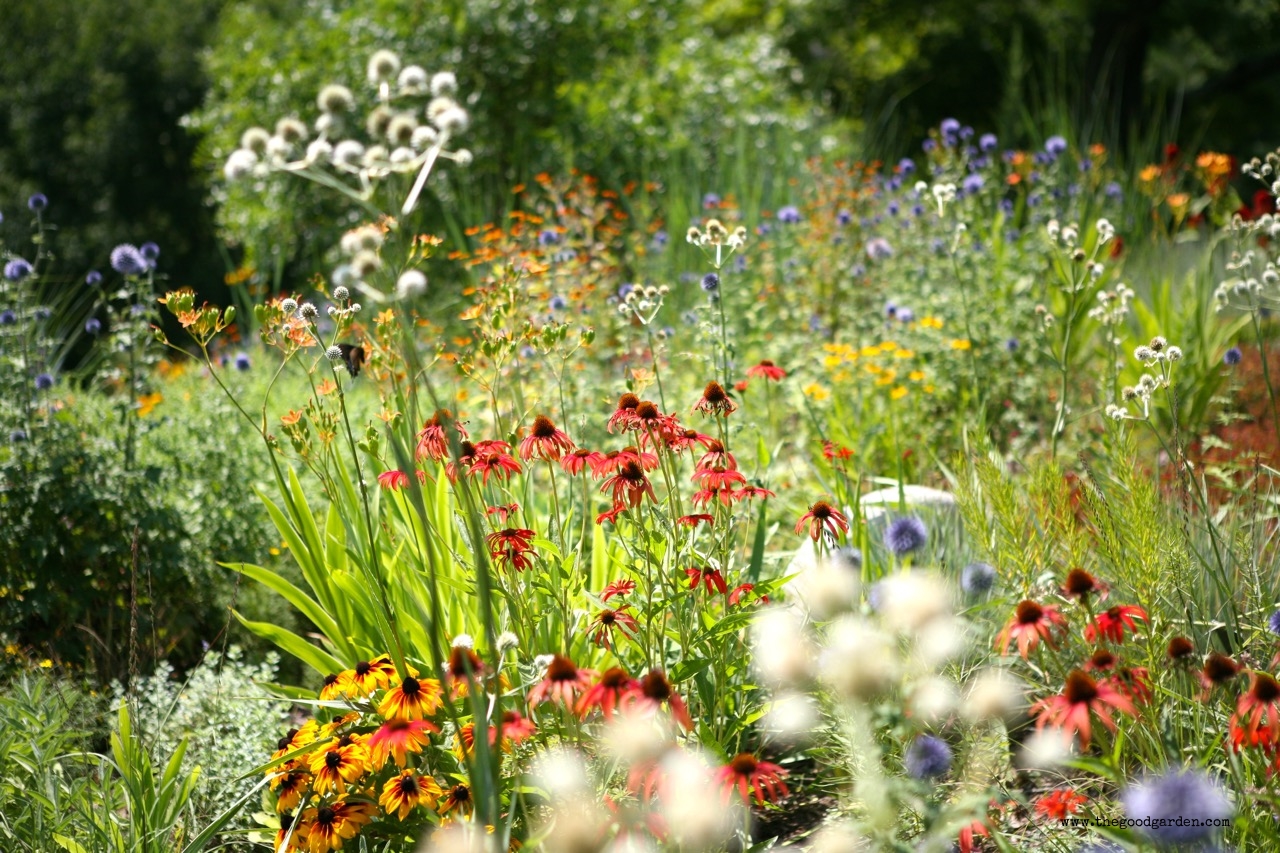
Botanic gardens are great resources to learn about individual plants and to see them cultivated to their full potential.  They are also inspiring places to pick up wonderful composition ideas.  With only 50 days until spring, I have been thinking about my borders and a wonderful trip I made this summer to the Green Bay Botanical Garden in Wisconsin.

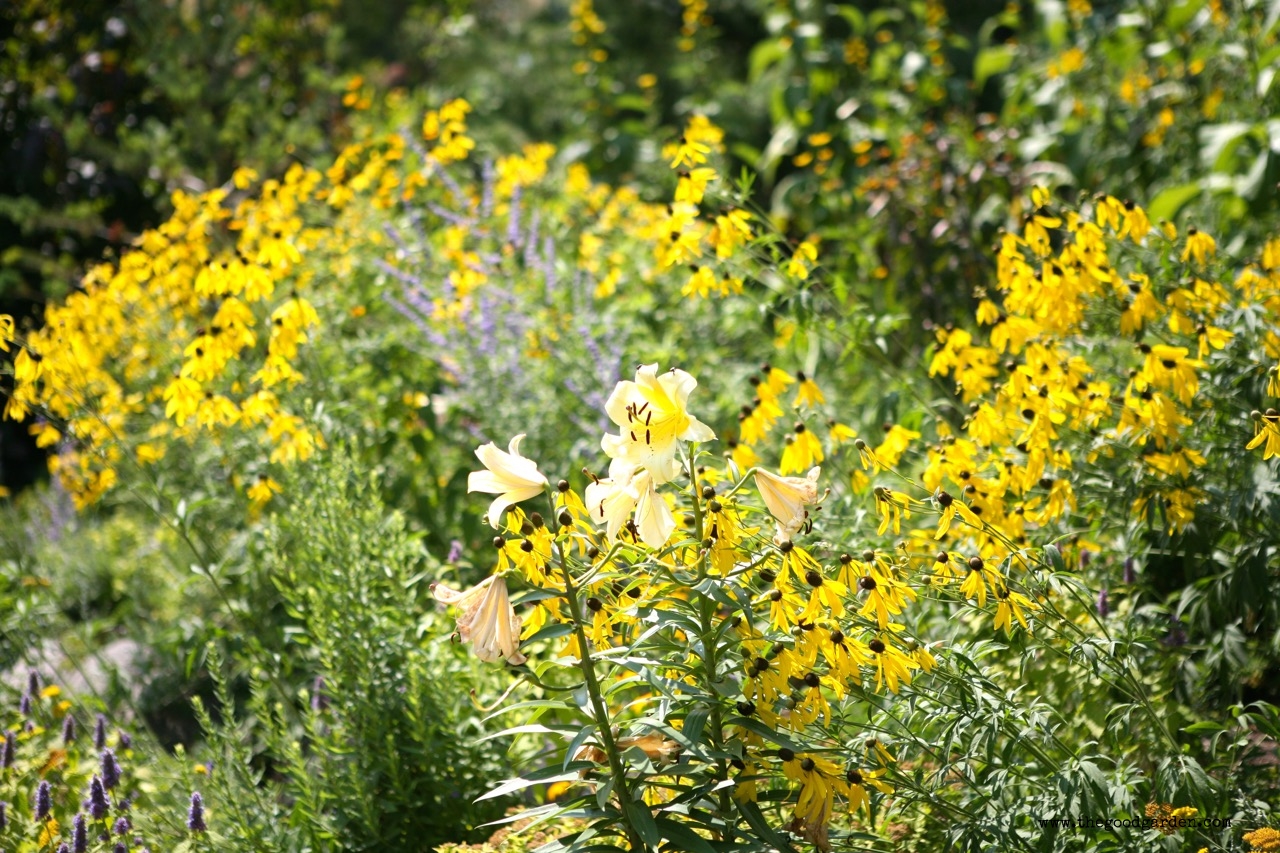
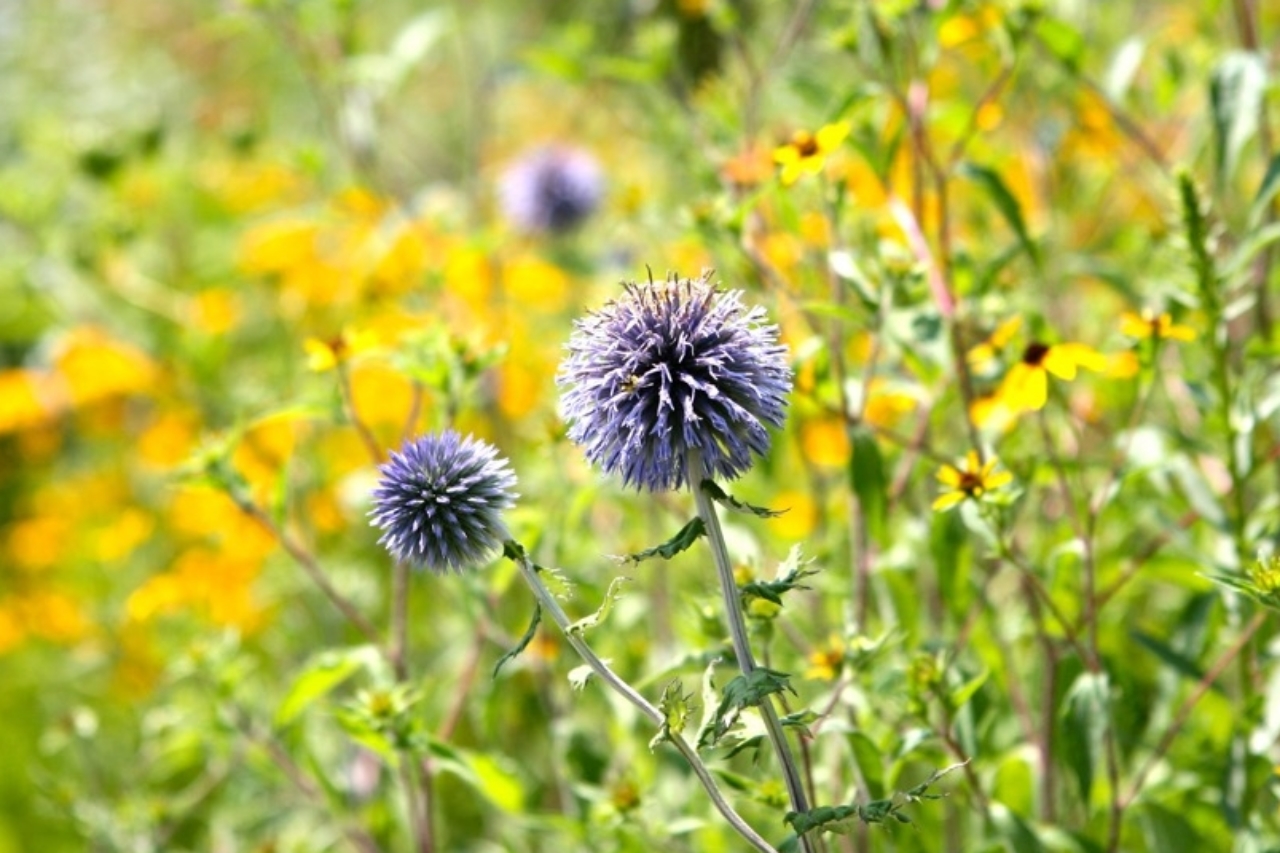
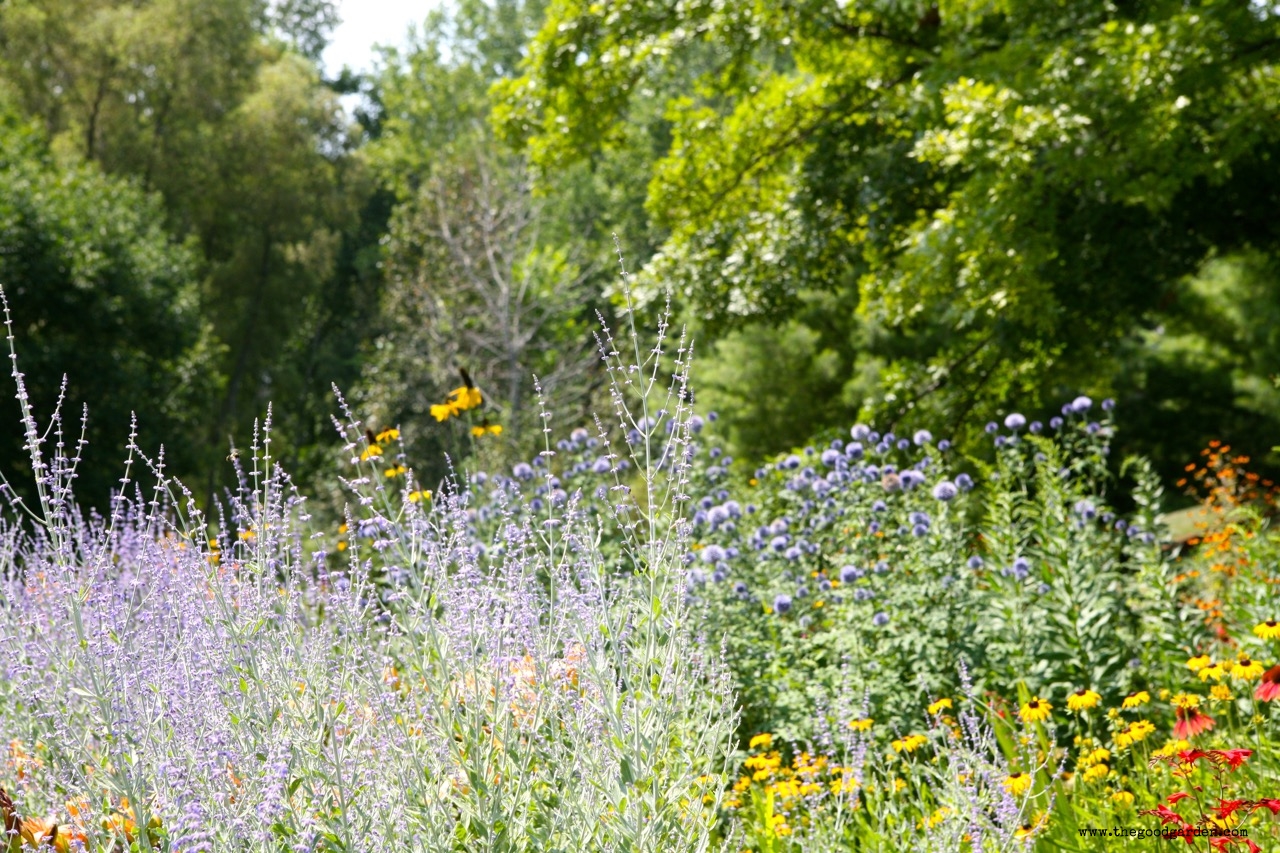
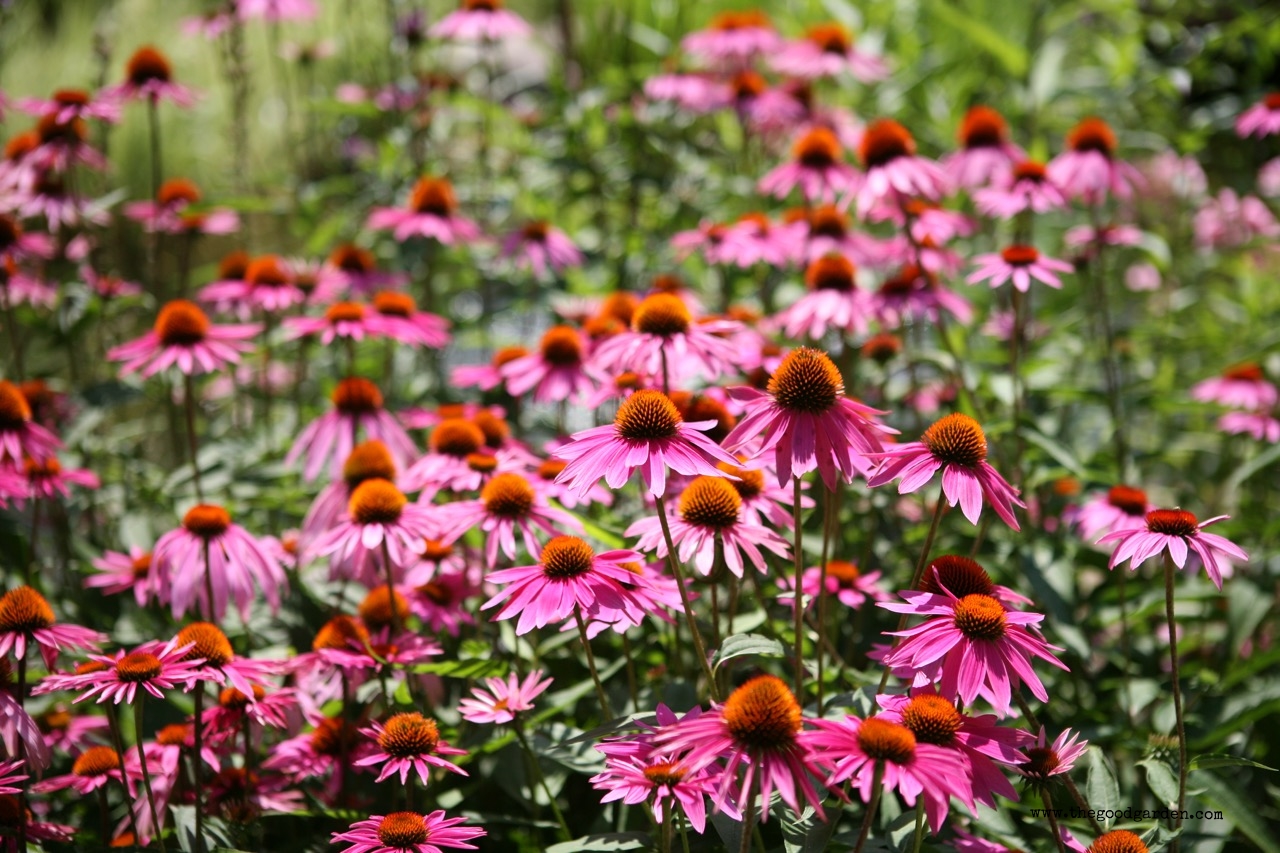
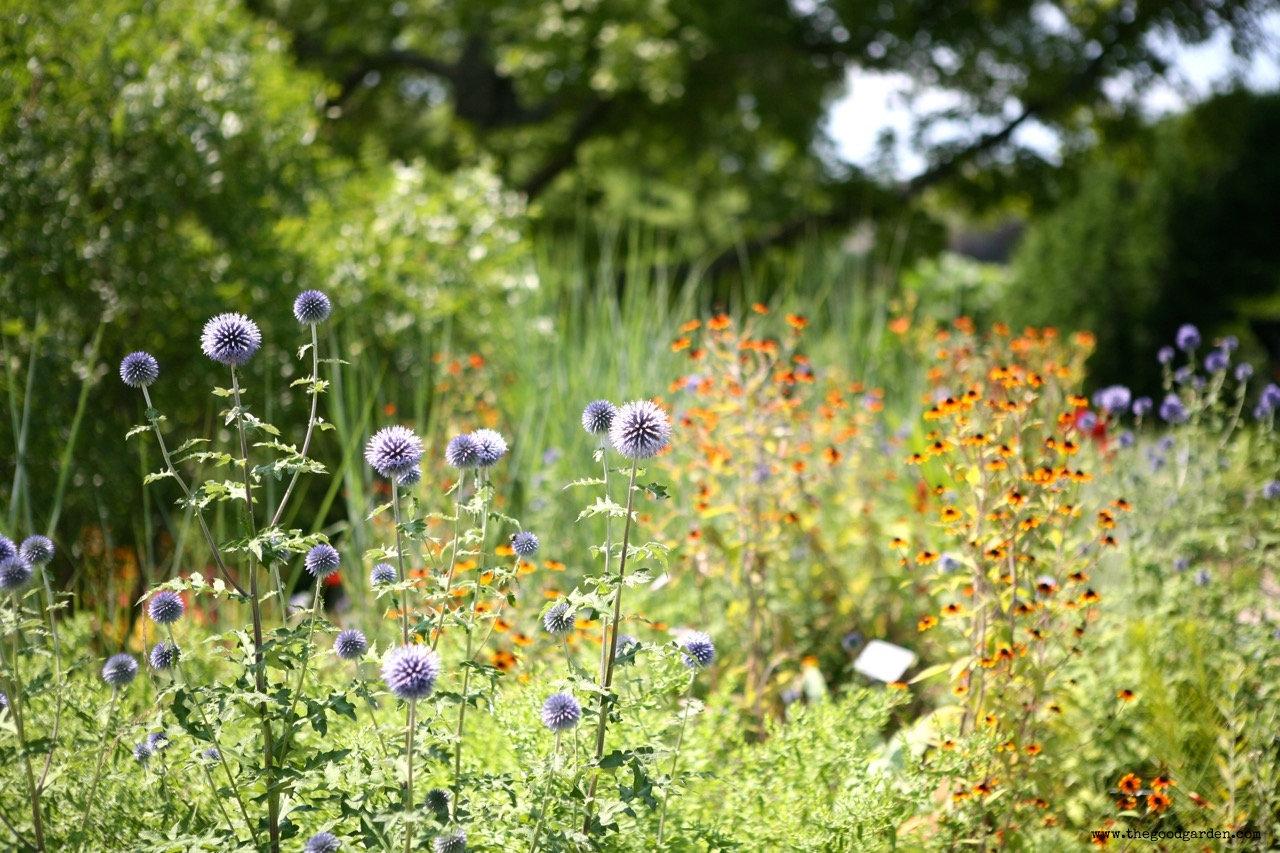
The area of the garden pictured above stopped me in my tracks.   In between the Vietnam Veteran Garden and the Van Den Wymelenberg Color and Foliage Garden, this perennial border includes globe thistle, purple coneflower, coreopsis, and sage.  The colors complement each other, the different textures provide refreshing contrast, and the thin stems allow flowers to float in the wind. Plants are arranged in small groupings so that they don’t get lost, yet are arranged loosely enough to look as they might in a meadow. Notice how the designers create rhythm in the garden by repeating the same plants over and over again.

One of the benefits of the northern climate is that spring and summer pack a real punch. Plants that might bloom sequentially further south, bloom at the same time here. So there are more opportunities to layer.

The Green Bay Botanic Garden is relatively young, opening to the public in 1996.  Its 47 acres captures the beauty of Northeast Wisconsin.  I find this garden particularly useful because it showcases plants that thrive locally.   

The property, known as “the old Larsen orchard”, was assembled by William Larsen in the early 1900's to grow apples for his wholesale fruit and vegetable business.    In the 1970’s a group called Plants in the Urban Environment started the work that eventually led to the creation of the botanic garden.  This acreage lies in Hobart, WI on the land was once part of the Oneida Indian Reservation.

I was so impressed by the garden that I became a member on the first day that I visited.


Sign posted in front of the "old Larsen orchard" announcing that the botanic garden was coming soon, 1990's. Source: The Green Bay Botanical Garden.

Sign posted in front of the "old Larsen orchard" announcing that the botanic garden was coming soon, 1990's. Source: The Green Bay Botanical Garden.

In Wild Tags Green Bay Botanical Garden, plant ideas, Perennials, garden stories
10 Comments
thegoodgarden|singapore|botanic|1397.jpg
thegoodgarden|singapore|01399.jpg
thegoodgarden|singapore|botanic|1420.jpg
thegoodgarden|singapore|01400.jpg
thegoodgarden|singapore|01279.jpg
thegoodgarden|singapore|01283.jpg
thegoodgarden|singapore|01321.jpg
thegoodgarden|singapore|01352.jpg
thegoodgarden|singapore|01357.jpg
thegoodgarden|singapore|01366.jpg
thegoodgarden|singapore|01296.jpg
thegoodgarden|singapore|botanic|1397.jpg thegoodgarden|singapore|01399.jpg thegoodgarden|singapore|botanic|1420.jpg thegoodgarden|singapore|01400.jpg thegoodgarden|singapore|01279.jpg thegoodgarden|singapore|01283.jpg thegoodgarden|singapore|01321.jpg thegoodgarden|singapore|01352.jpg thegoodgarden|singapore|01357.jpg thegoodgarden|singapore|01366.jpg thegoodgarden|singapore|01296.jpg

Orchid lovers wanted

David January 20, 2015

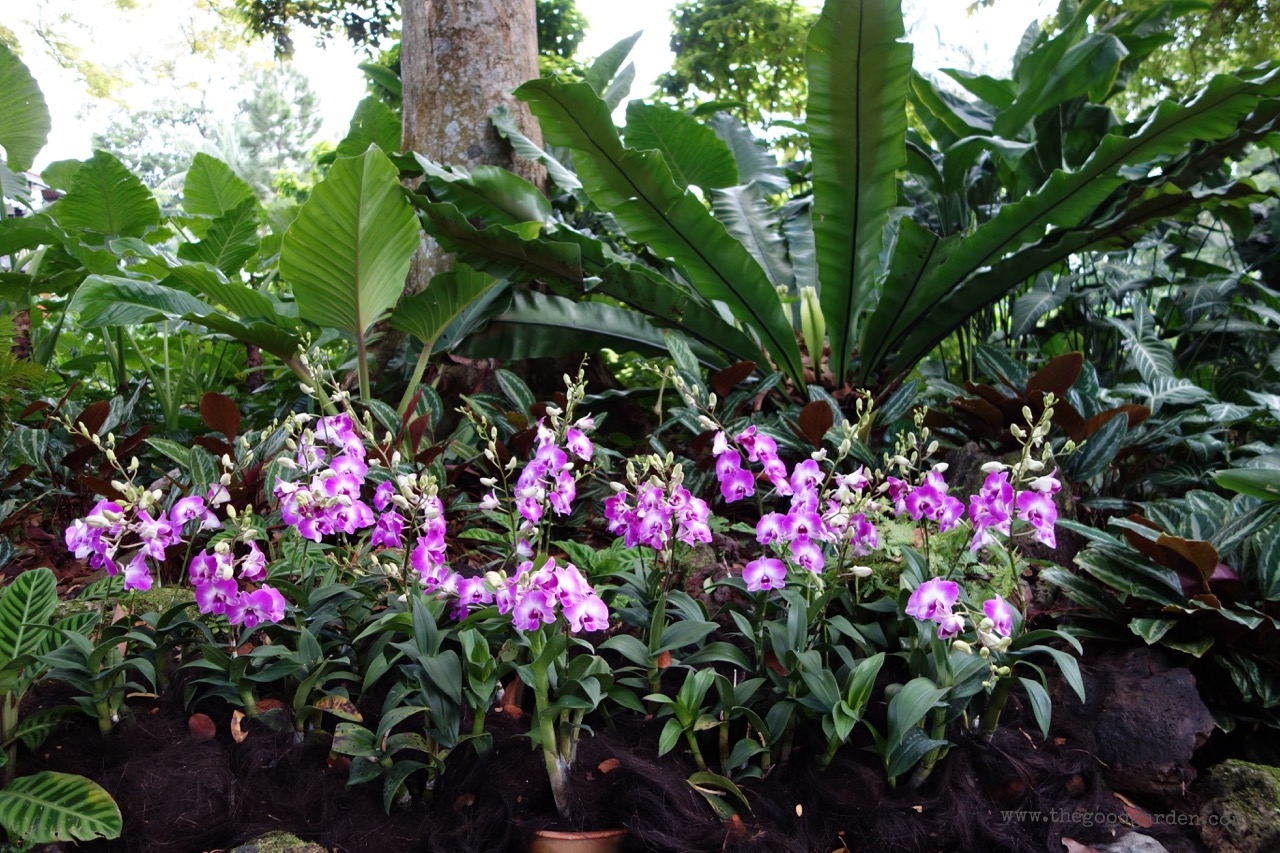
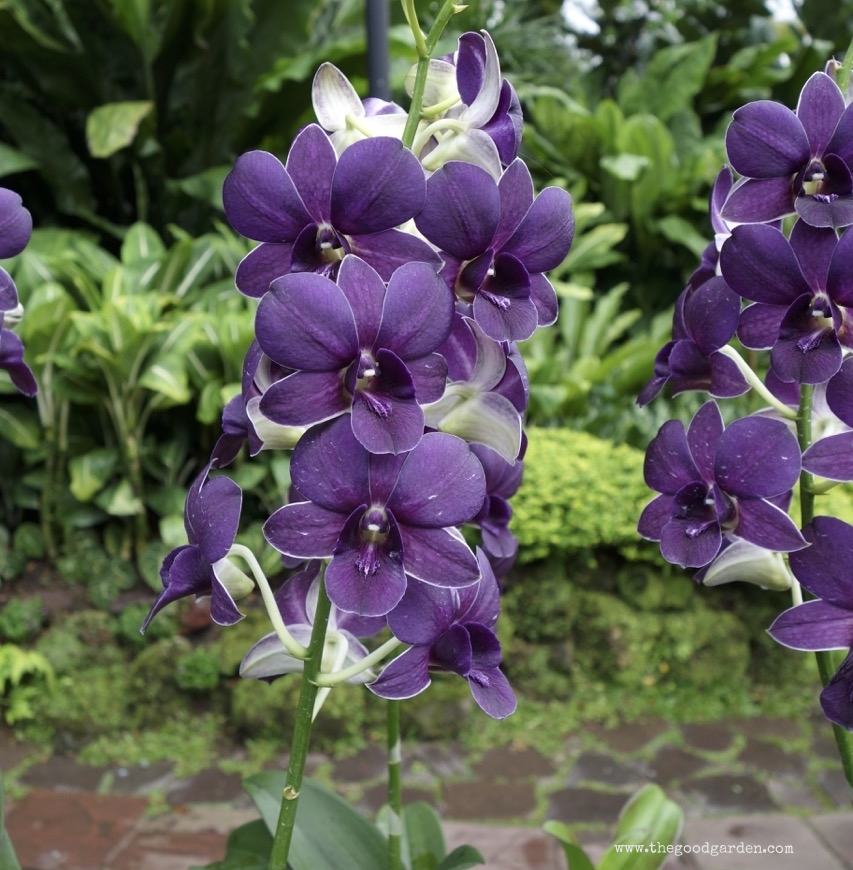
I am sitting here on a snowy Wisconsin winter day appreciating the blooms on a Phalaenopsis (Moth) orchid that a friend gave me last week and a fresh shoot emerging from an Oncidium Hilo Gold orchid that my dad gave me over Thanksgiving.  These amazing plants remind me of an escape I made to Singapore’s Botanic Garden.  Singapore lies almost directly on the equator.  As a result it has no seasons.  Temperatures are almost always 80° F (28° C) and it gets 92” of rain every year.  For comparison, England, the “perfect” gardening climate, averages 34” of rain and average temperatures of around 50° F (10° C).

In terms of weather, be careful what you wish for.  I spent quite a bit of time in Singapore for business and learned that most people there neither have nor want a garden. It’s just too hot and humid all the time to either enjoy gardening or to sit outside for more than ten minutes. When I did break away from an air-conditioned conference room to the Botanic Garden to charge up on sunshine and warmth, I was uncomfortably drenched within 15 minutes.  Humidity is regularly over 90%.  I am told that your body gets used to it, and that visitors like me sweat more than locals do.

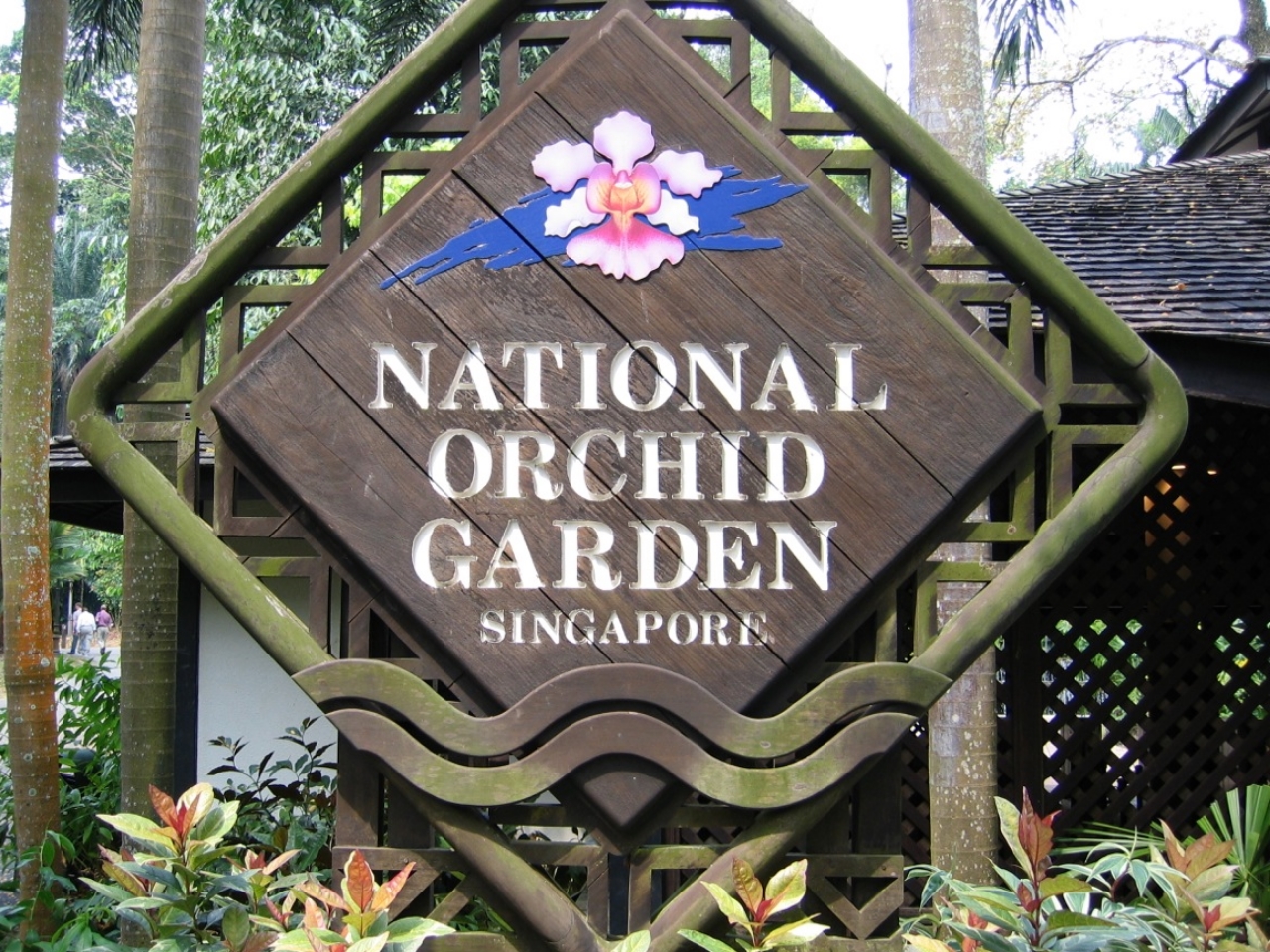
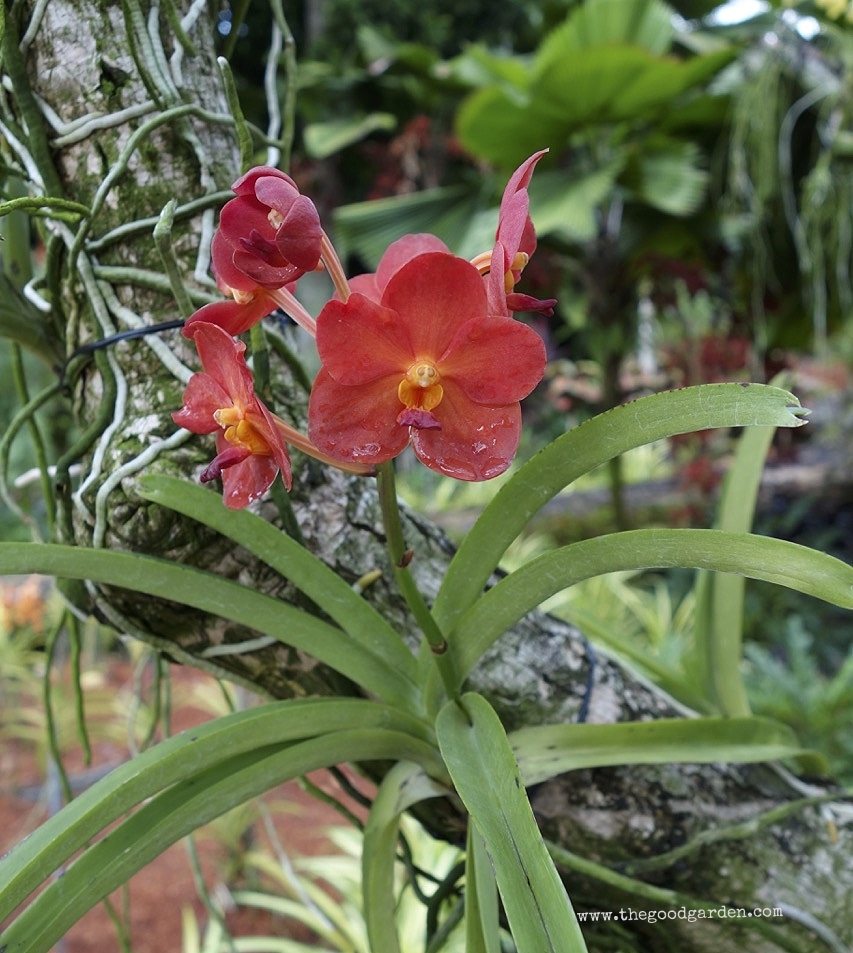
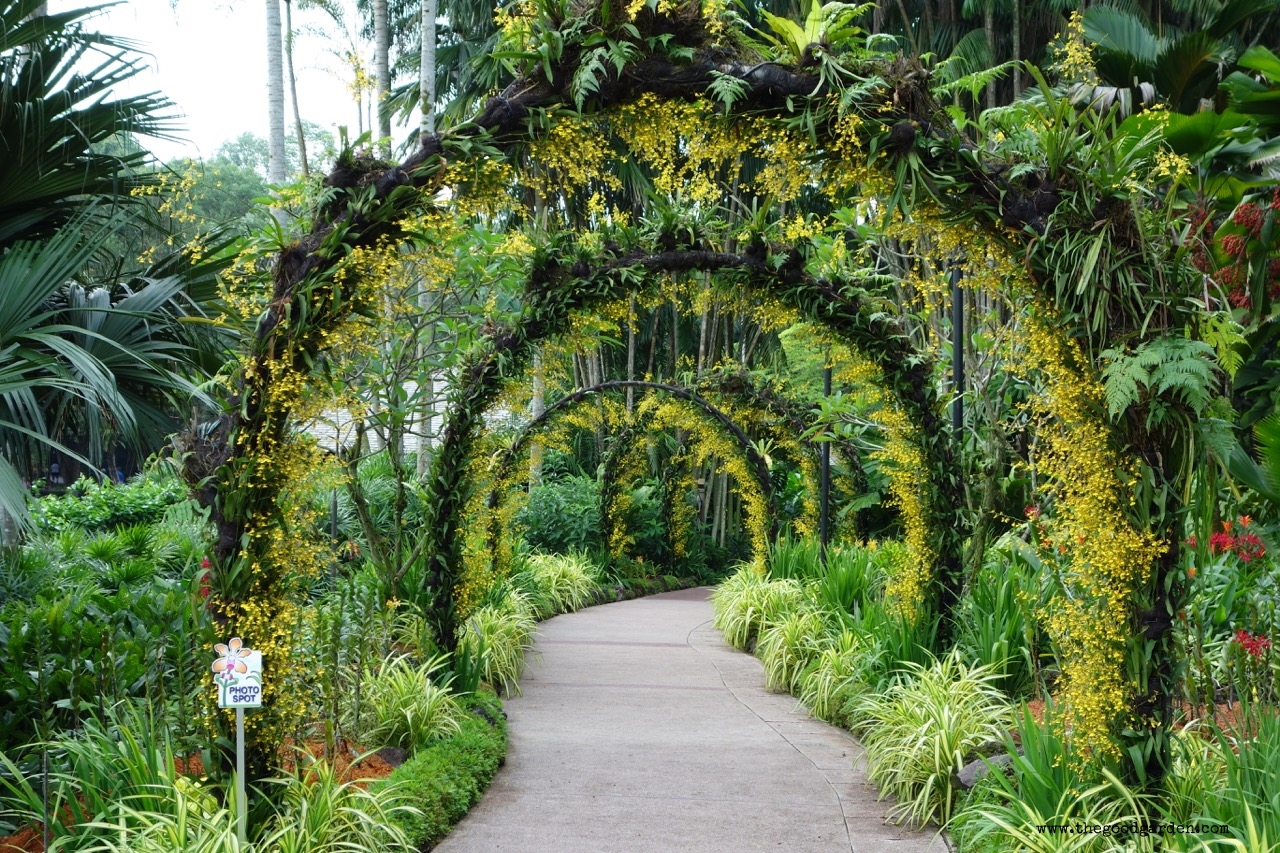
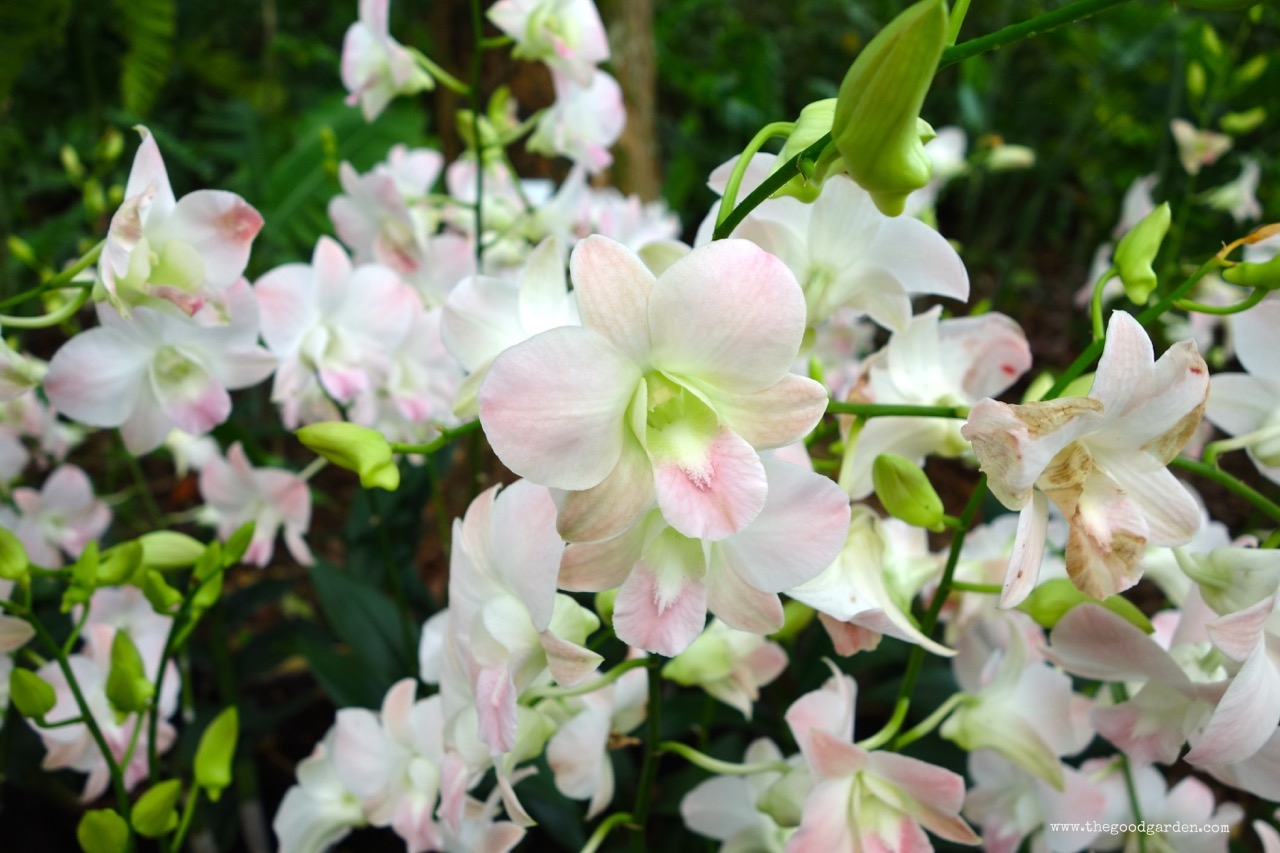
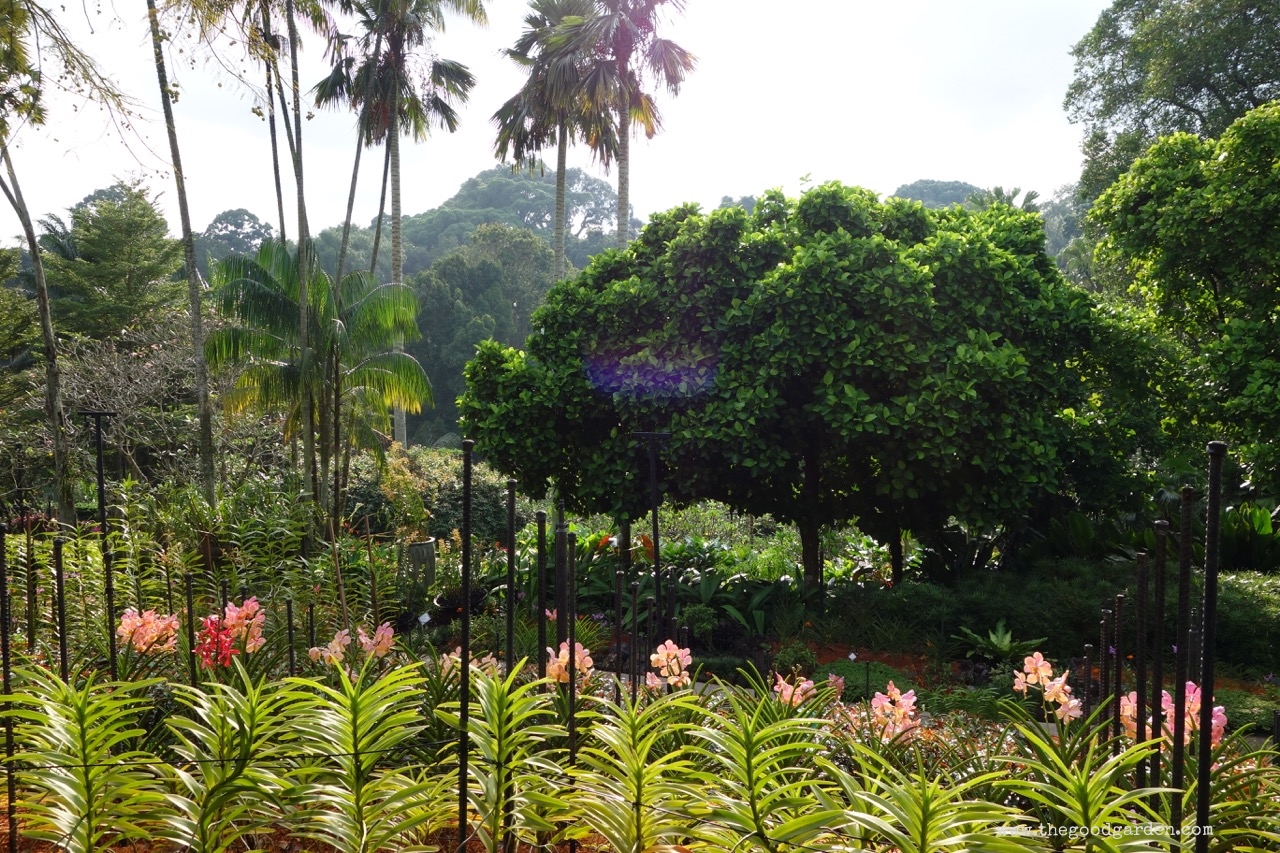
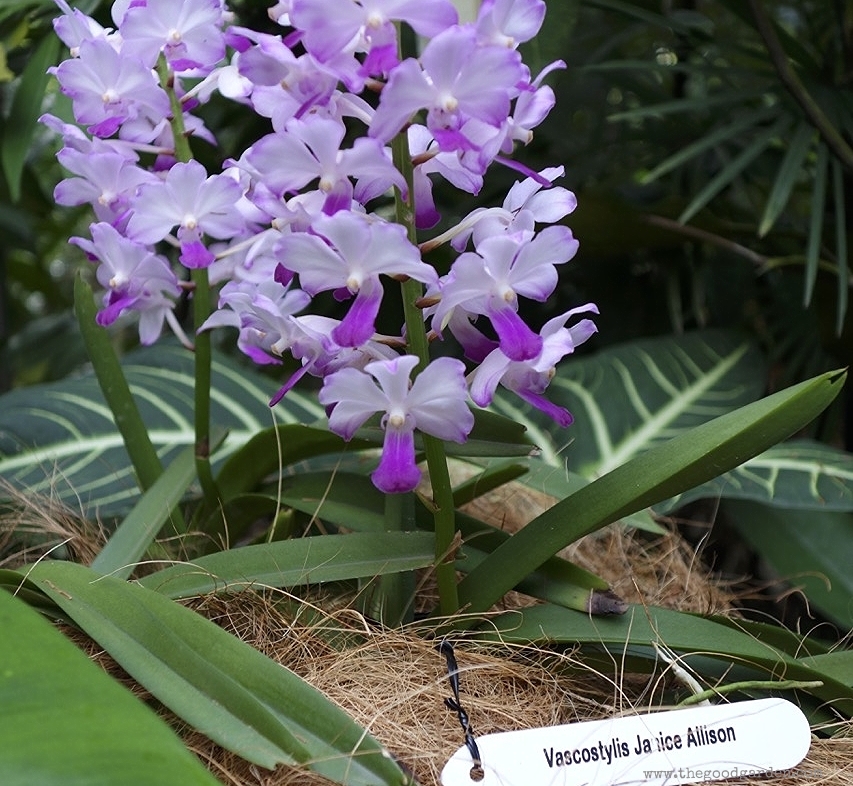
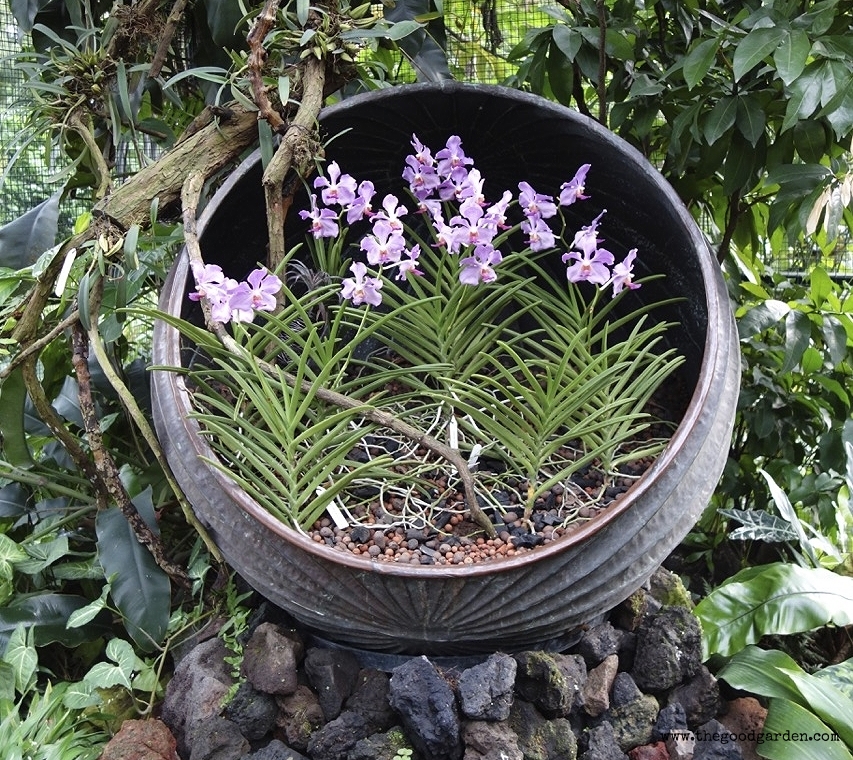
For the orchid lover, the National Orchid Garden boasts the largest display of orchids with over 600 species and has dedicated spaces for hot sun, shade, and cold.  It is an embarrassment of riches with so many orchids in their prime.  Looking closely, many are in individual pots covered in mulch so that when they are spent, they can be rushed back to the greenhouse for R&R, replaced by a fresh compatriot.  There is never a bad time to visit this garden. The hoop pergola covered with blooming oncidiums is stunningly over the top.

As with many botanic gardens, Singapore’s is a marriage of a picturesque frame – curving paths, naturalistic lakes, clusters of trees - and the gardenesque style – where the beauty of individual plants is celebrated. 

Gardenesque was advanced by John Claudius Loudon who wrote Landscape Gardening and Landscape Architecture of the Late Humphry Repton, Esq.  in 1840.  In it he explained, “the aim of the gardenesque is to add to the acknowledged charms of the [picturesque], all those which the sciences of gardening and botany, in their present advanced state, are capable of producing…. According to the gardenesque school, … all trees and shrubs planted are arranged… as may best display the natural form and habit of each…”


For those of us trying to grow our own orchids, check out "My first orchid reblooms: from Margaret Roach's blog Away to Garden for practical, straight-forward advice. 

The American Orchid Society also has wonderful resources.  Warning, orchids can be addictive.

In Gardenesque Tags Singapore Botanic Garden, Singapore, John Claudius Loudon, orchids, historic gardens, garden stories
4 Comments
  • Blog
  • Older
  • Newer
Subscribe
No results found
Garden stories
 
facebook email
  • Policies
  • Contact
  • Subscribe
Garden stories

©2025 David Calle. The Good Garden.

the good garden

garden history, design inspiration

facebook email