the good garden

garden history, design inspiration
  • Home
  • My story
  • Talks and Articles
  • Resources
    • Places
    • Styles
    • Books, Video, Websites
  • Home
  • My story
  • Talks and Articles
    • Places
    • Styles
    • Books, Video, Websites

Blog

The good garden blog is about sharing garden inspiration and ideas from historic gardens around the world and some right next door.  Garden stories explore garden history, design, and the garden people behind famous and not-so-famous gardens.  My garden photographs span dozens of places across 5 continents.  Please join me in celebrating good garden design.

  • All
  • Arts and crafts
  • Chinese
  • Cloister
  • French formal
  • Gardenesque
  • Islamic
  • Italian renaissance
  • Japanese
  • Modernist
  • Picturesque
  • Roman
  • Thai
  • Vegetable
  • Wild
thegoodgarden|vizcaya|diegosuarez|553.JPG.jpg
thegoodgarden|vizcaya|diegosuarez|653.jpg
thegoodgarden|vizcaya|diegosuarez|642.JPG.jpg
thegoodgarden|vizcaya|diegosuarez|600.jpg
thegoodgarden|vizcaya|diegosuarez|661.jpg
thegoodgarden|vizcaya|diegosuarez|663.JPG.jpg
thegoodgarden|vizcaya|diegosuarez|716.jpg
thegoodgarden|vizcaya|diegosuarez|553.JPG.jpg thegoodgarden|vizcaya|diegosuarez|653.jpg thegoodgarden|vizcaya|diegosuarez|642.JPG.jpg thegoodgarden|vizcaya|diegosuarez|600.jpg thegoodgarden|vizcaya|diegosuarez|661.jpg thegoodgarden|vizcaya|diegosuarez|663.JPG.jpg thegoodgarden|vizcaya|diegosuarez|716.jpg

When money was no object

David December 27, 2014

Greetings from Florida!  As we recover from year-end shopping, travel, gift giving, and bills, let’s go back to a time when money was no object.

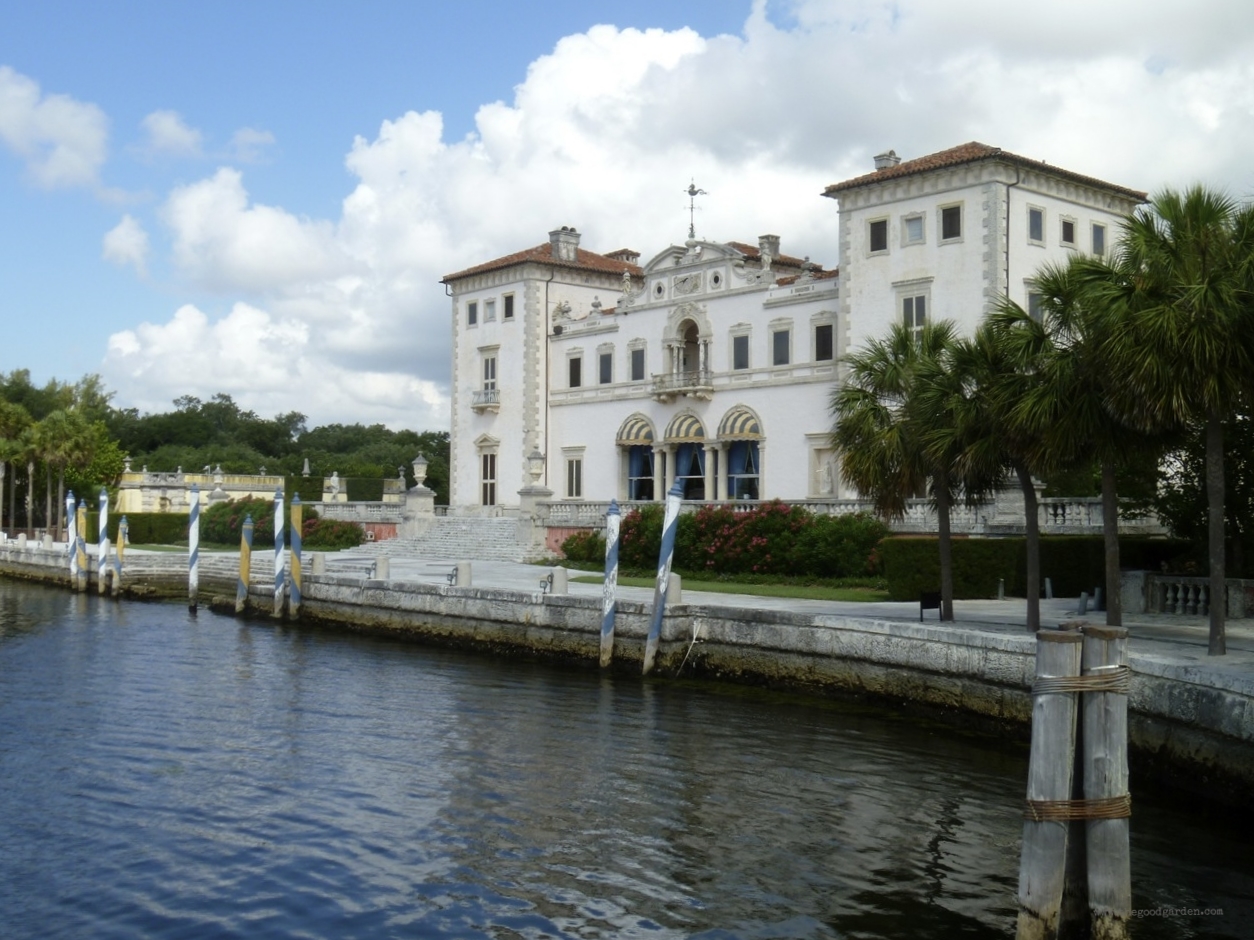
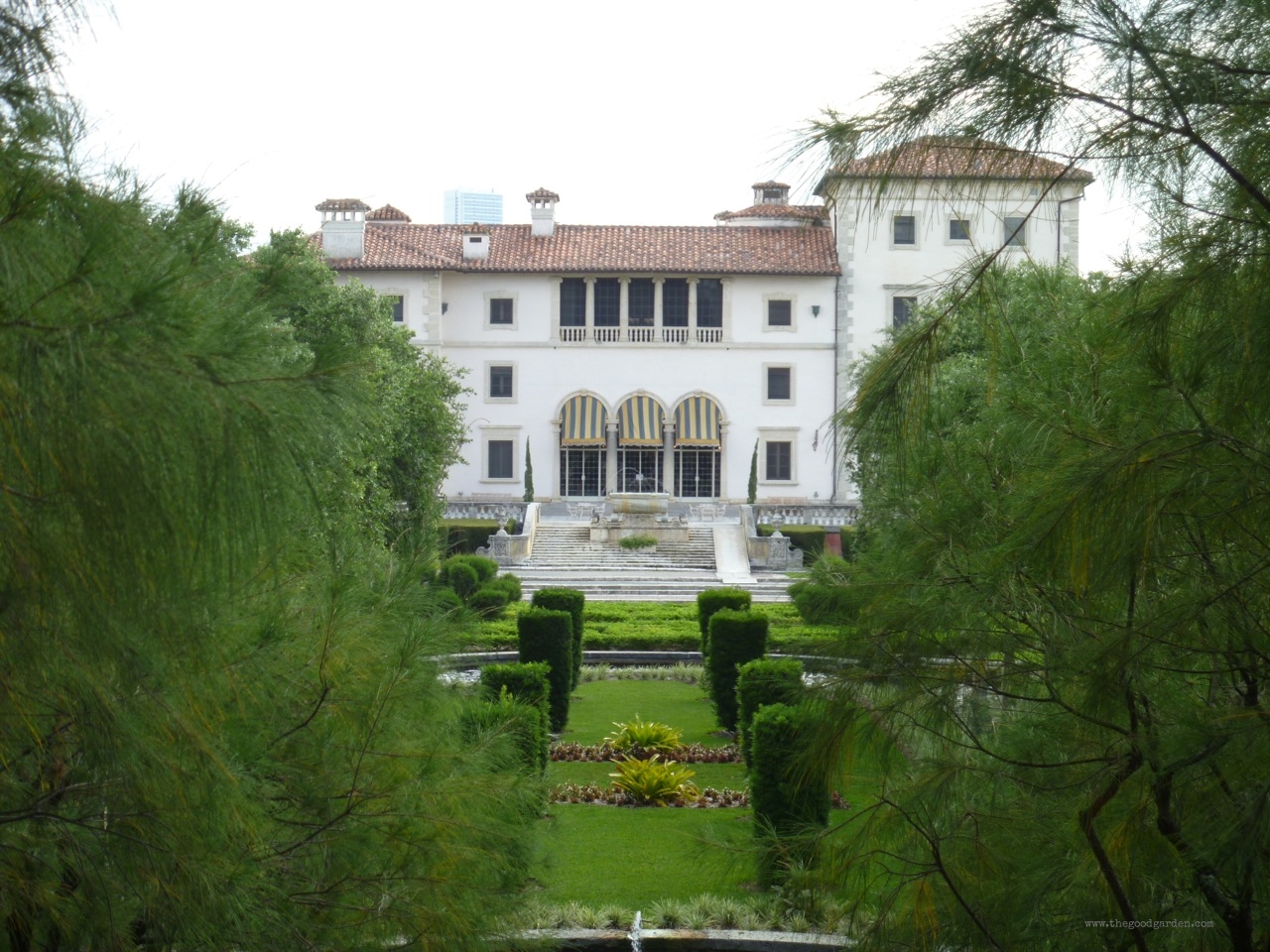
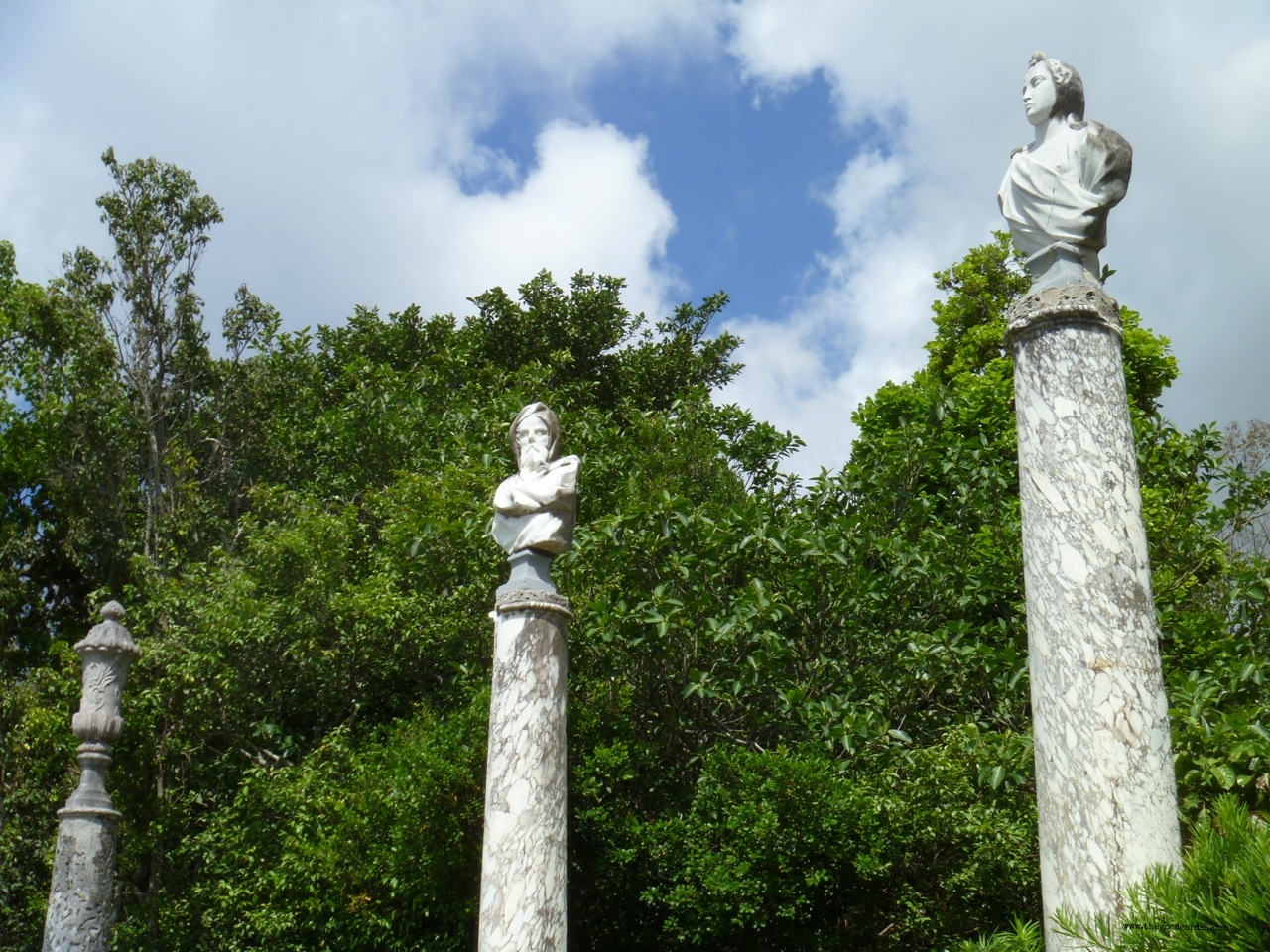
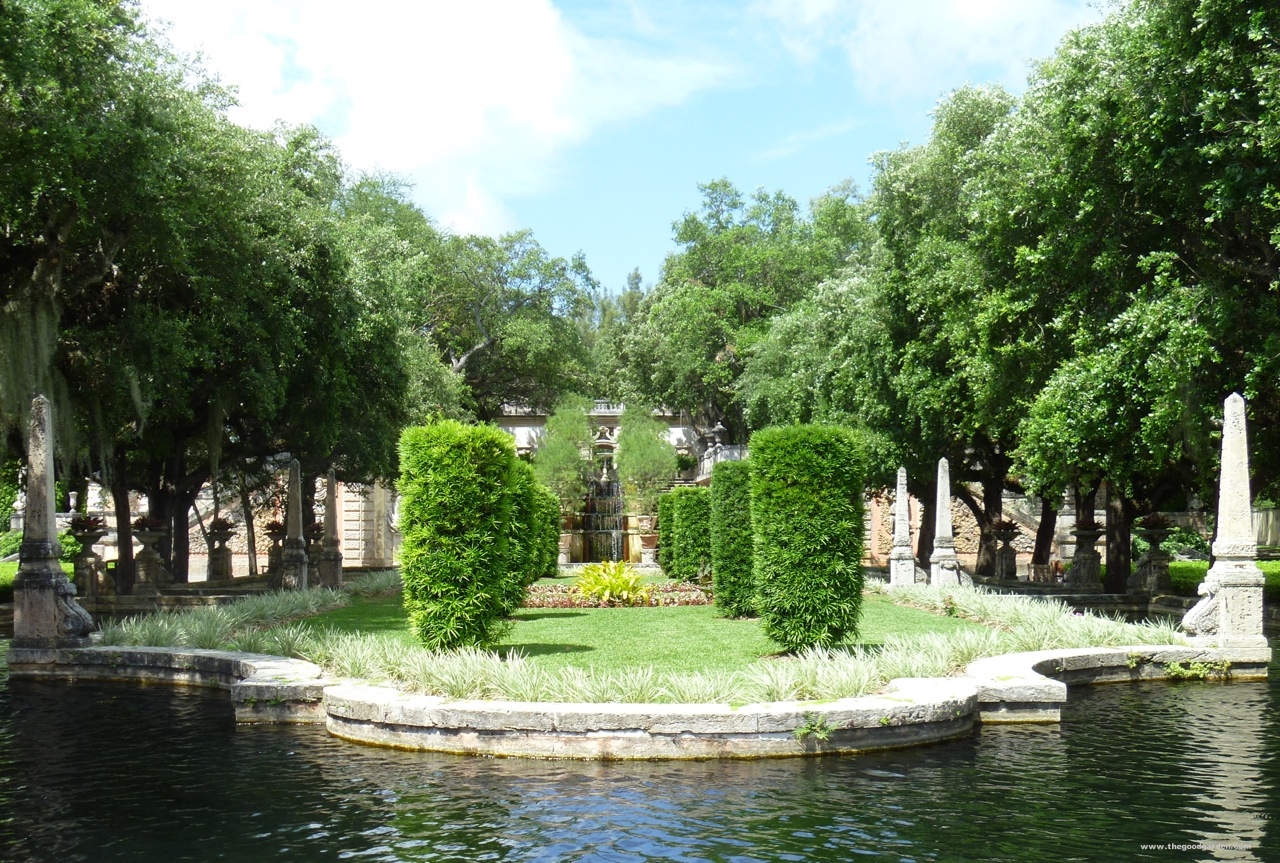
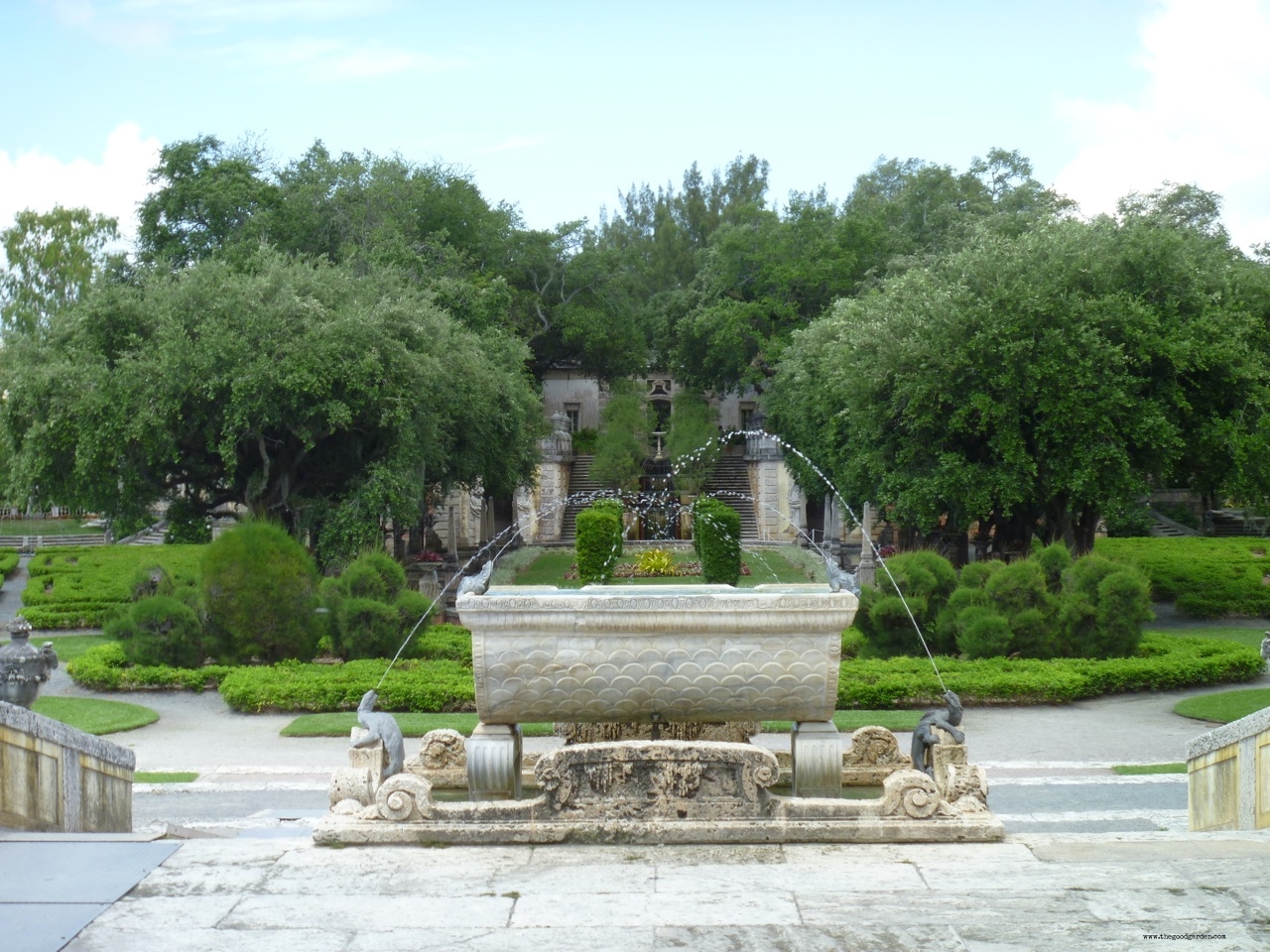
In 1915, American industrialist James Deering, of the International Harvester fortune hired Colombian landscape architect Diego Suarez to create Vizcaya, an Italian renaissance garden.  Modeled after the original ones from 350 years earlier, Deering picked Key Biscayne outside of Miami, Florida for its setting.  Suarez, a graduate of Florence's Accademia di Belle Arti, was an expert in historic Italian gardens and designed several famous gardens for the Anglo-American community in Florence.  He brought his knowledge to bear in the design for Vizcaya.  Part of the unique personality of this garden lies in Suarez's use of native plants within an Italian design framework, including oaks, royal palms, peach palm, elephant ear, and flowering lily.

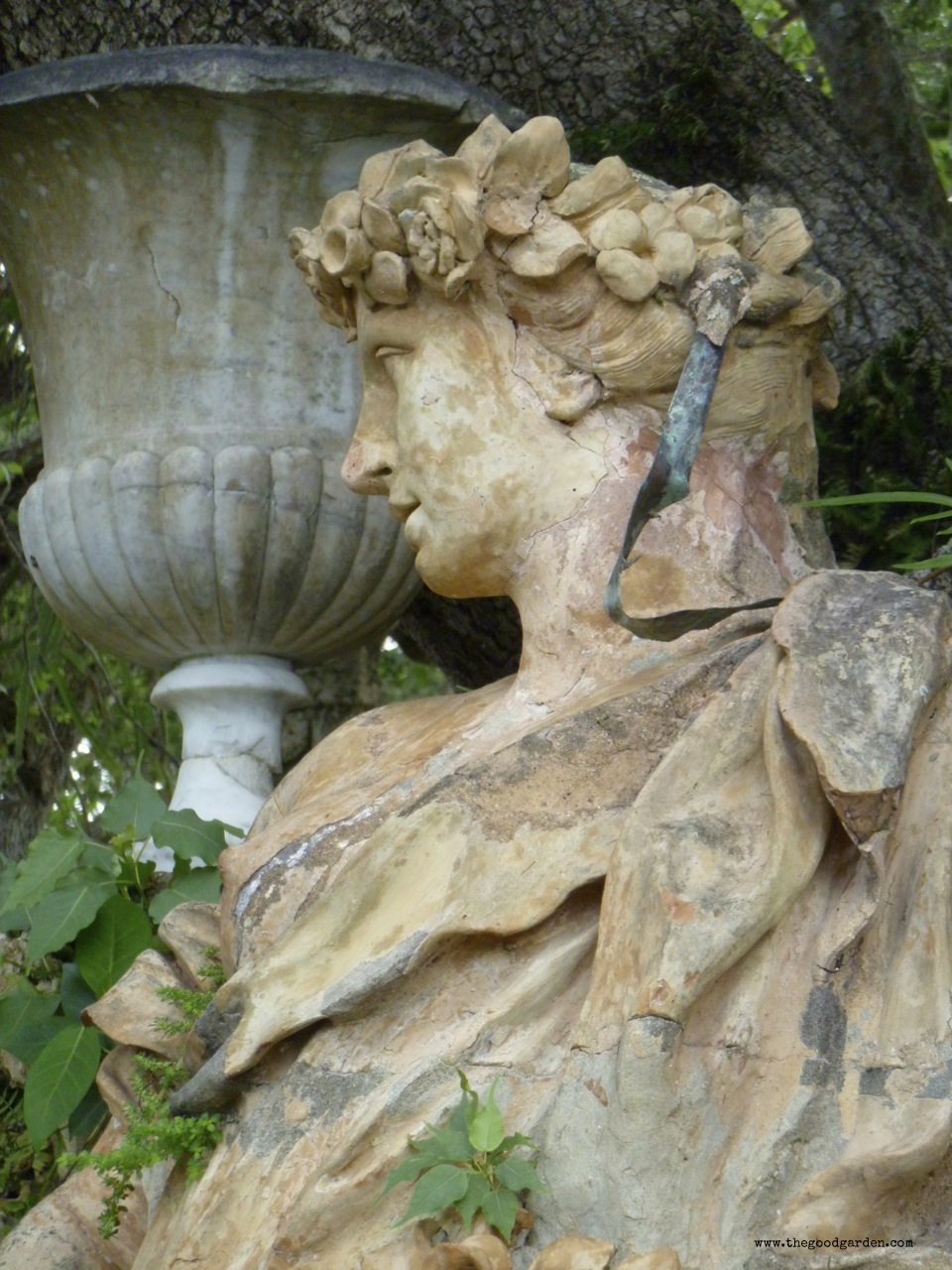
No expense was spared in building Vizcaya.  Trips to Europe involved visiting gardens for inspiration and meeting with antique dealers to collect original garden pots and statuary.  During the height of construction, 10% of the population of Miami was employed on the project.

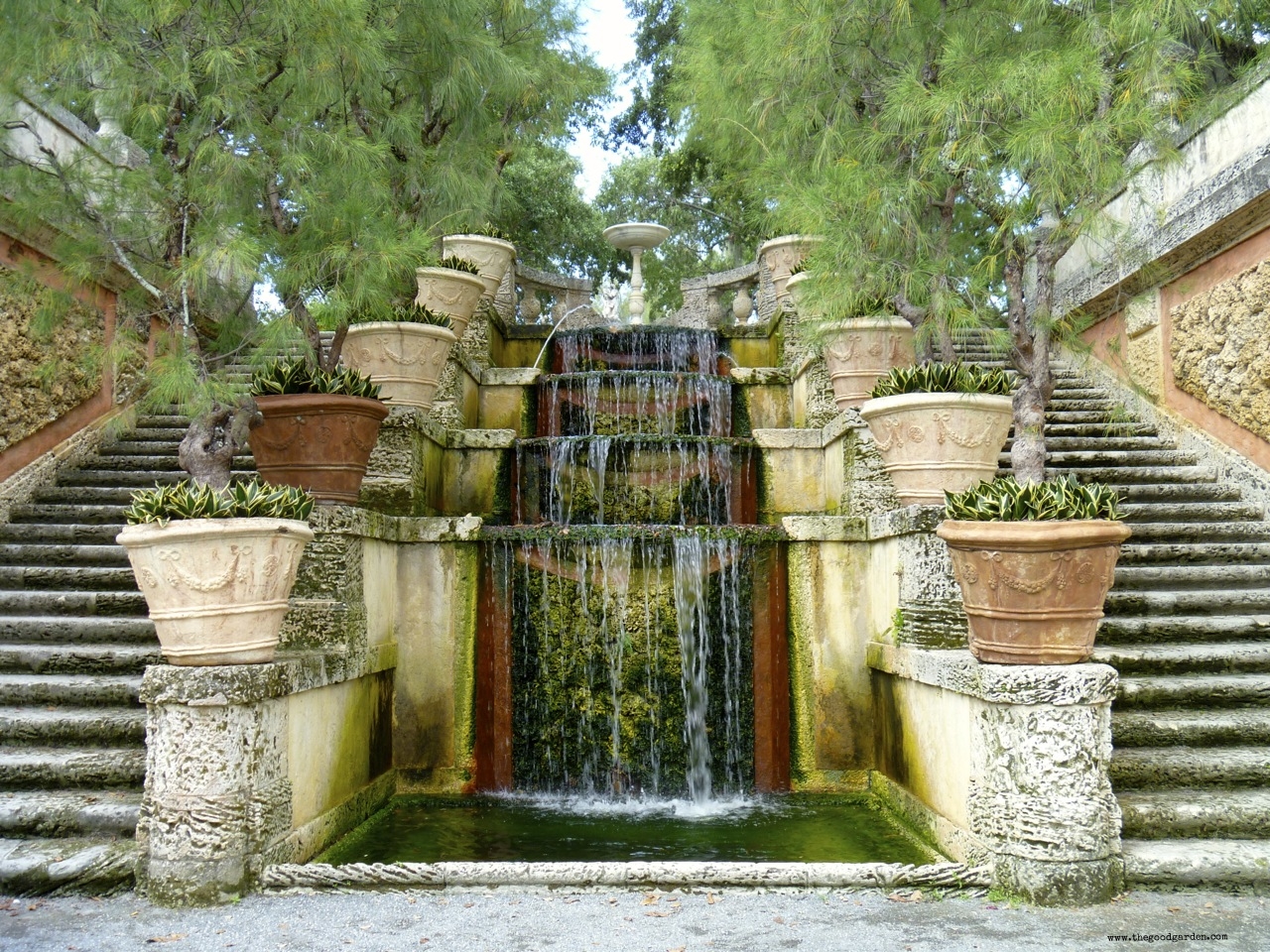
In the photos here we see the use of axes, symmetry, order, repetition, and water. 

A visit to Vizcaya is well worth the time, especially in the winter months.  

Best wishes to all for 2015!

In Italian renaissance Tags Vizcaya, garden history, Miami, Florida, Garden inspiration, garden ideas, plant containers, plant ideas, herb garden, garden ornament, historic gardens, garden stories, garden design
Comment
thegoodgarden|villafarnese|6098.jpg
thegoodgarden|villafarnese|6107.jpg
thegoodgarden|villafarnese|6109.jpg
thegoodgarden|villafarnese|6116.jpg
thegoodgarden|villafarnese|6119.jpg
thegoodgarden|villafarnese|6138.jpg
thegoodgarden|villafarnese|6187.jpg
thegoodgarden|villafarnese|6285.jpg
thegoodgarden|villafarnese|6129.jpg
thegoodgarden|villafarnese|6329.jpg
thegoodgarden|villafarnese|6098.jpg thegoodgarden|villafarnese|6107.jpg thegoodgarden|villafarnese|6109.jpg thegoodgarden|villafarnese|6116.jpg thegoodgarden|villafarnese|6119.jpg thegoodgarden|villafarnese|6138.jpg thegoodgarden|villafarnese|6187.jpg thegoodgarden|villafarnese|6285.jpg thegoodgarden|villafarnese|6129.jpg thegoodgarden|villafarnese|6329.jpg

Italian garden show

David December 23, 2014

The European renaissance marked the end of the middle ages.  By 1500 the city-states of Italy were flush with money and ready to show off.  And part of showing off included a new style of garden.

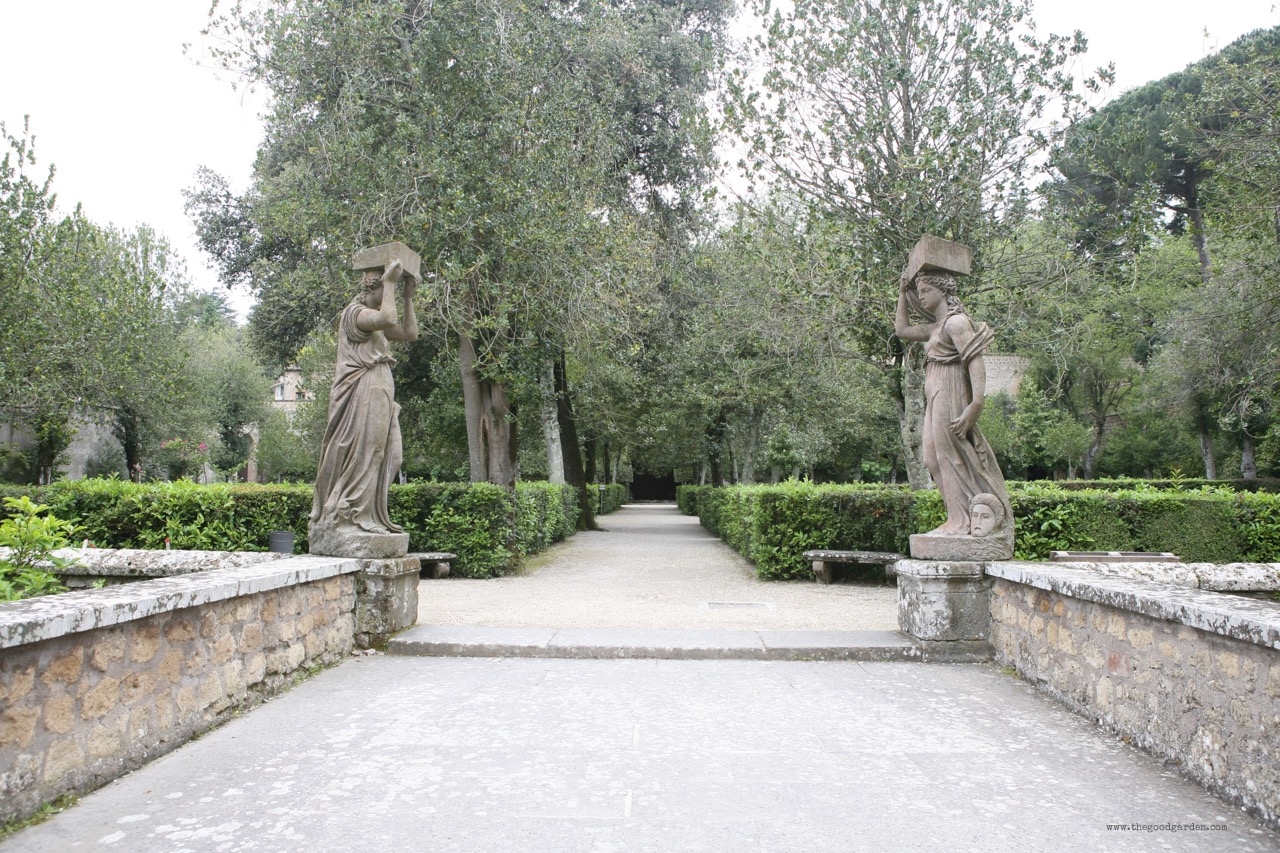
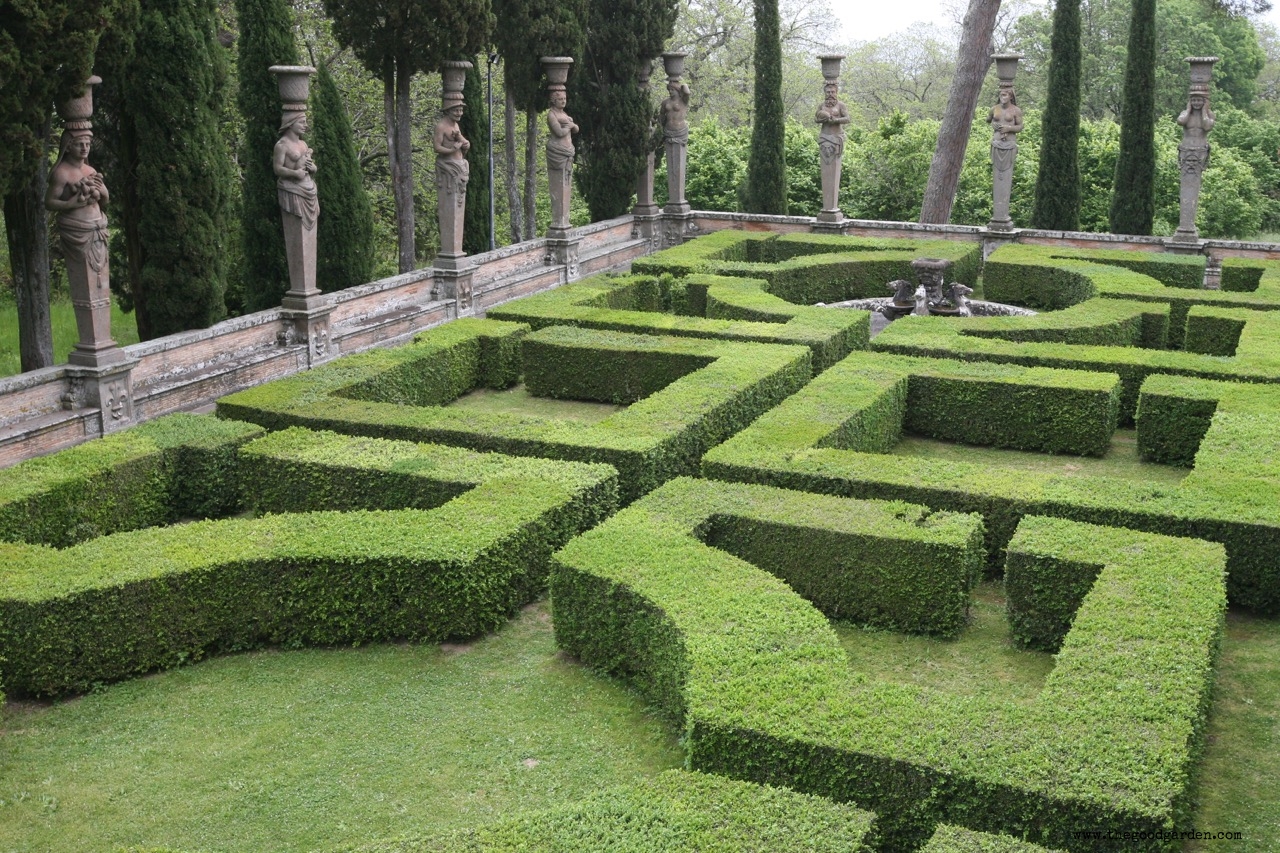
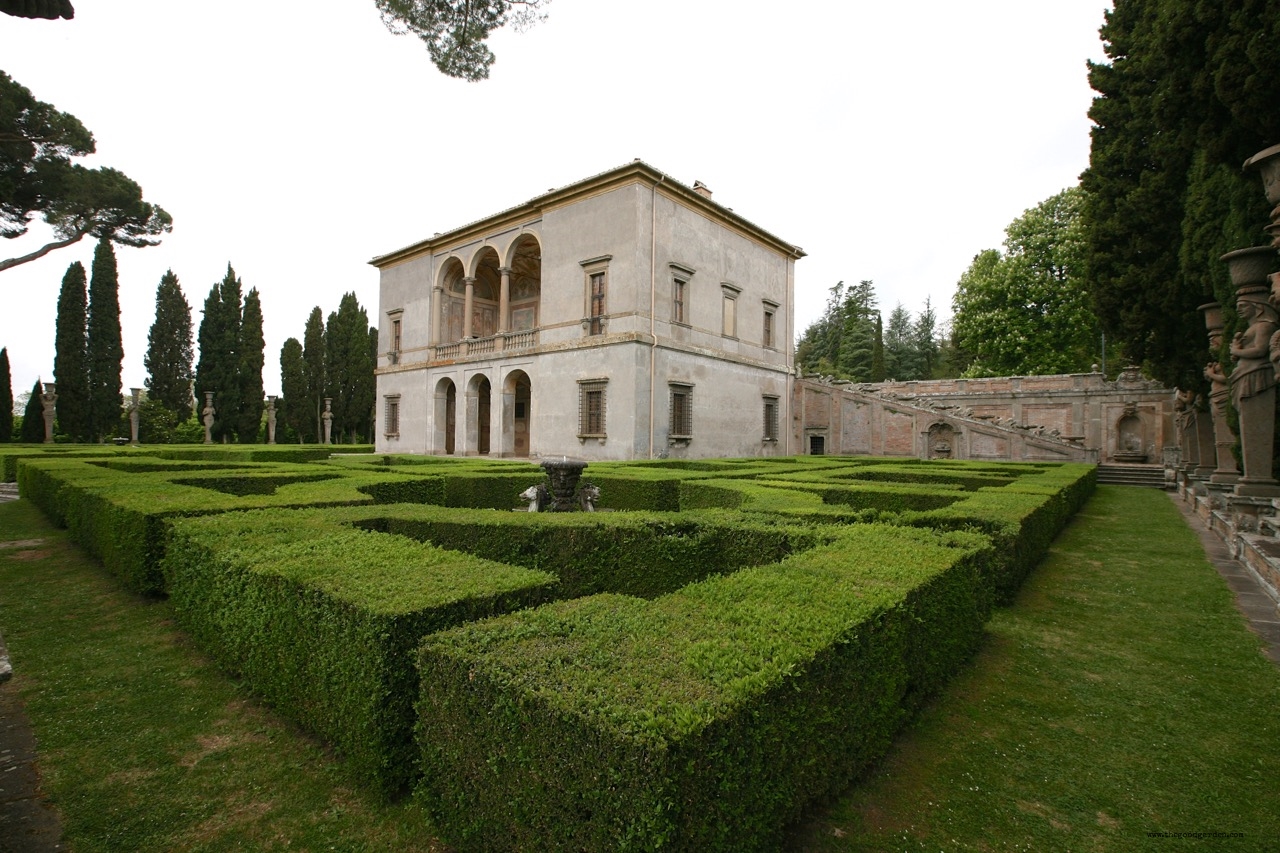
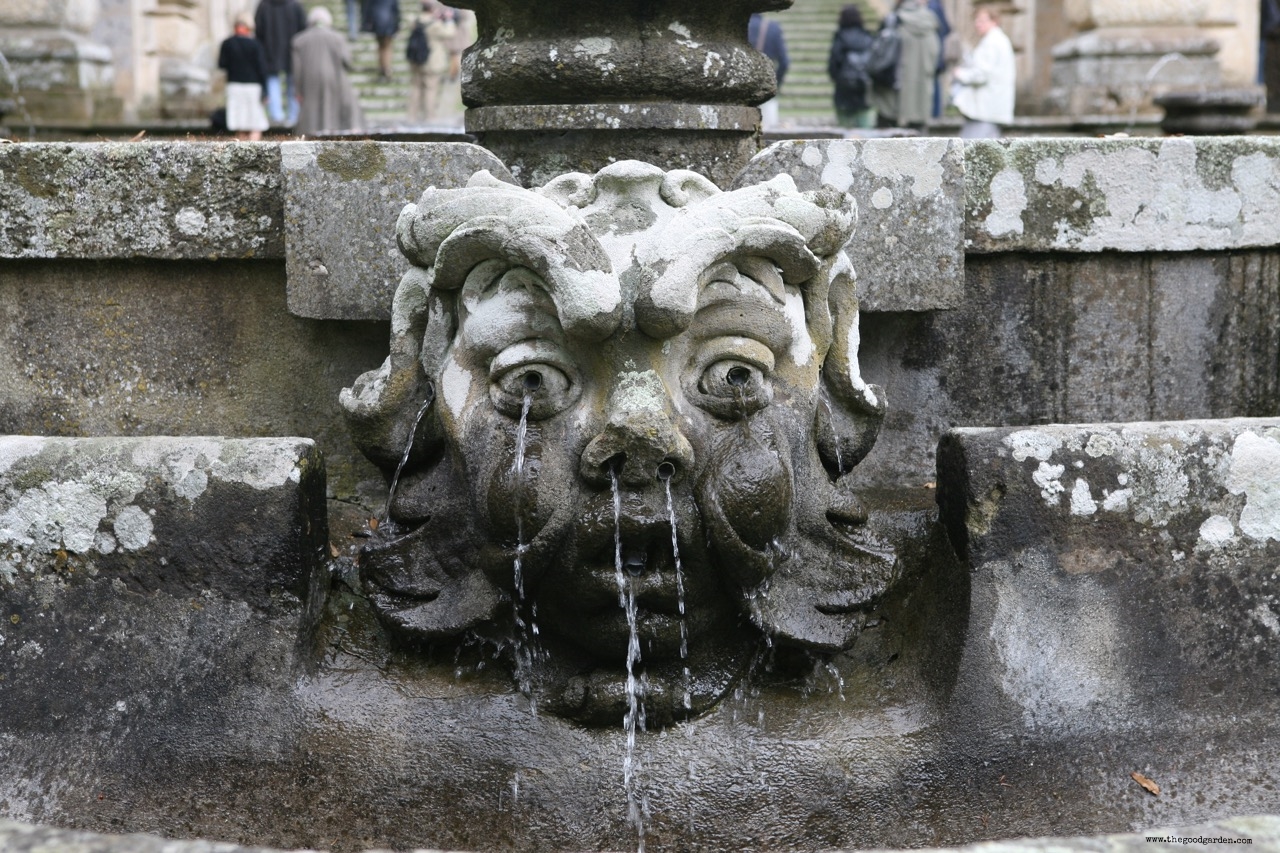
So ‘out’ with the somewhat austere cloister garden and ‘in’ with the Italian renaissance garden.  This new style emphasized a strong relationship between house and garden that was perfect for entertaining and impressing.  Strong axes, symmetry, repetition, and water define this style. It drew inspiration from Roman gardens like Hadrian’s Villa, Greek sculpture, as well as from Islamic gardens.  Mythological references anchored the garden in history, and expressed the sophistication, wealth, and power of the garden’s creator.

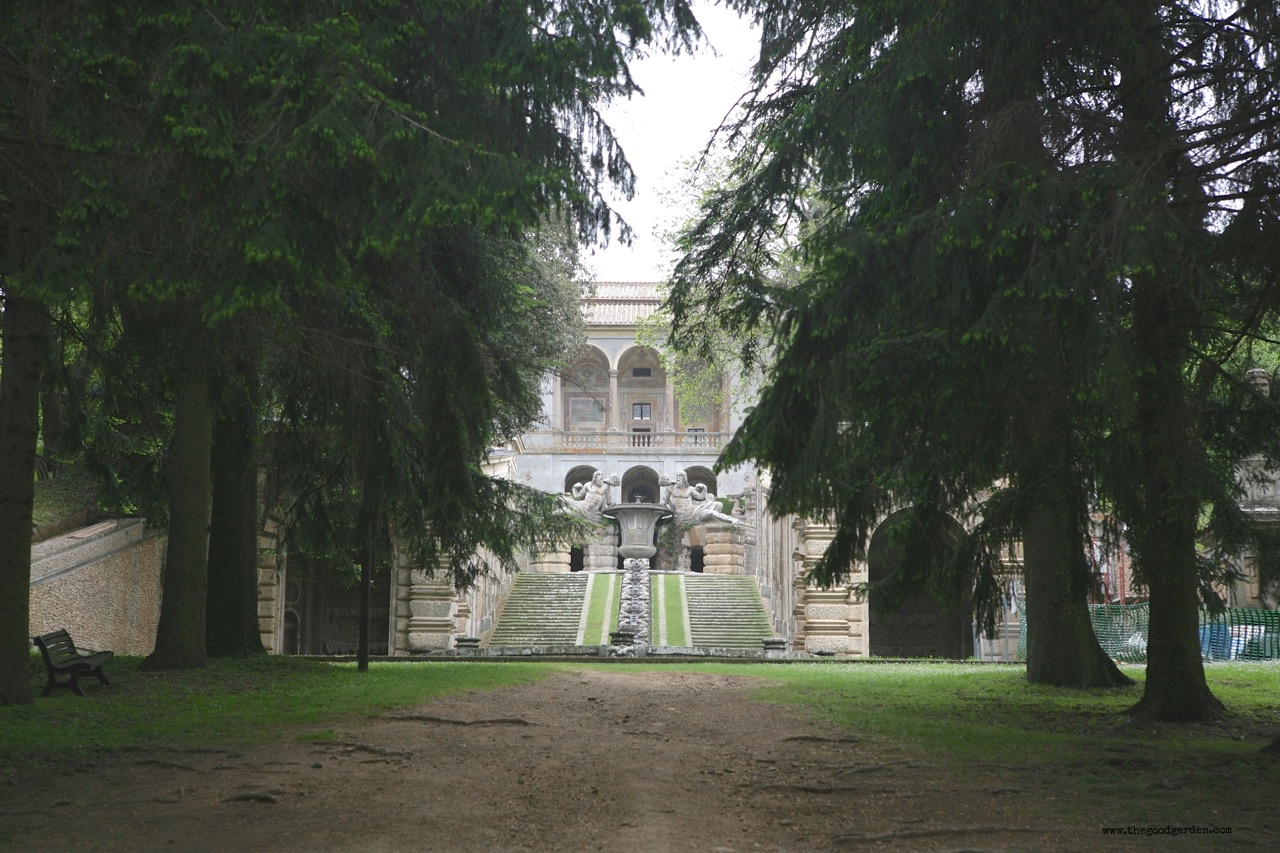
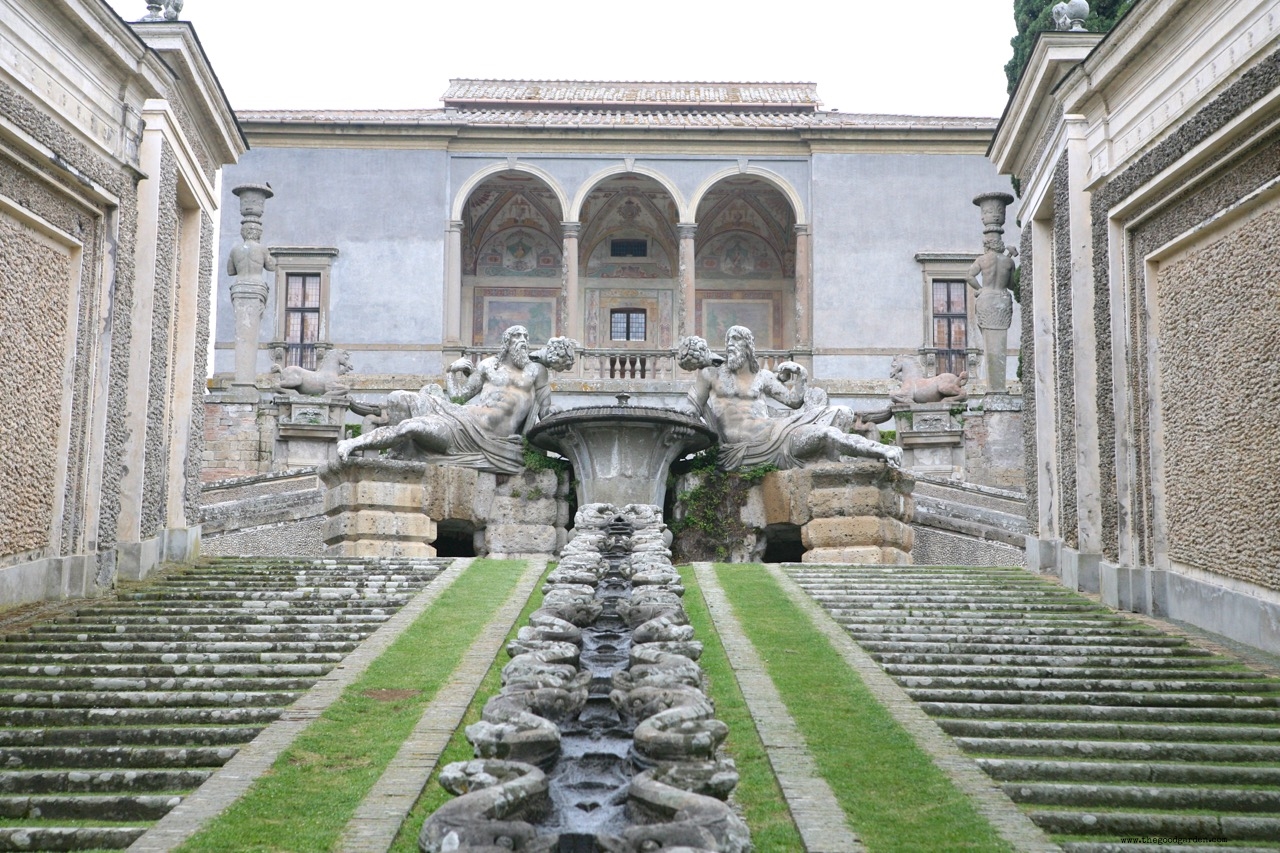
One of my favorite Italian renaissance gardens is at Villa Farnese near Viterbo, Italy.  Begun in the 1570’s by Alessandro Farnese II, the upper garden pictured above was designed by architect Giacomo del Duca.

With limited time and a love of visiting gardens in the morning, I arrived early to explore this garden. You can imagine my disappointment when the staff informed me that the garden was closed!  How could I be so near to one of the most famous gardens and not be able to go in.  Deflated, I decided to spend a few hours exploring the main eight-sided castle-like building.  I felt teased by the glimpses of the garden I got from the windows.  After a few hours of touring the castle, I started to get ready to leave.  But the docent, who had been following me throughout my visit, motioned for me to follow her to a side door.  She ushered me through and into the garden. It was closed only in the morning-- but open in the afternoon!  My patience was rewarded: I was allowed into the garden a full hour before the official opening time.  What a treat to have this time by myself in one of the most famous gardens in the world.

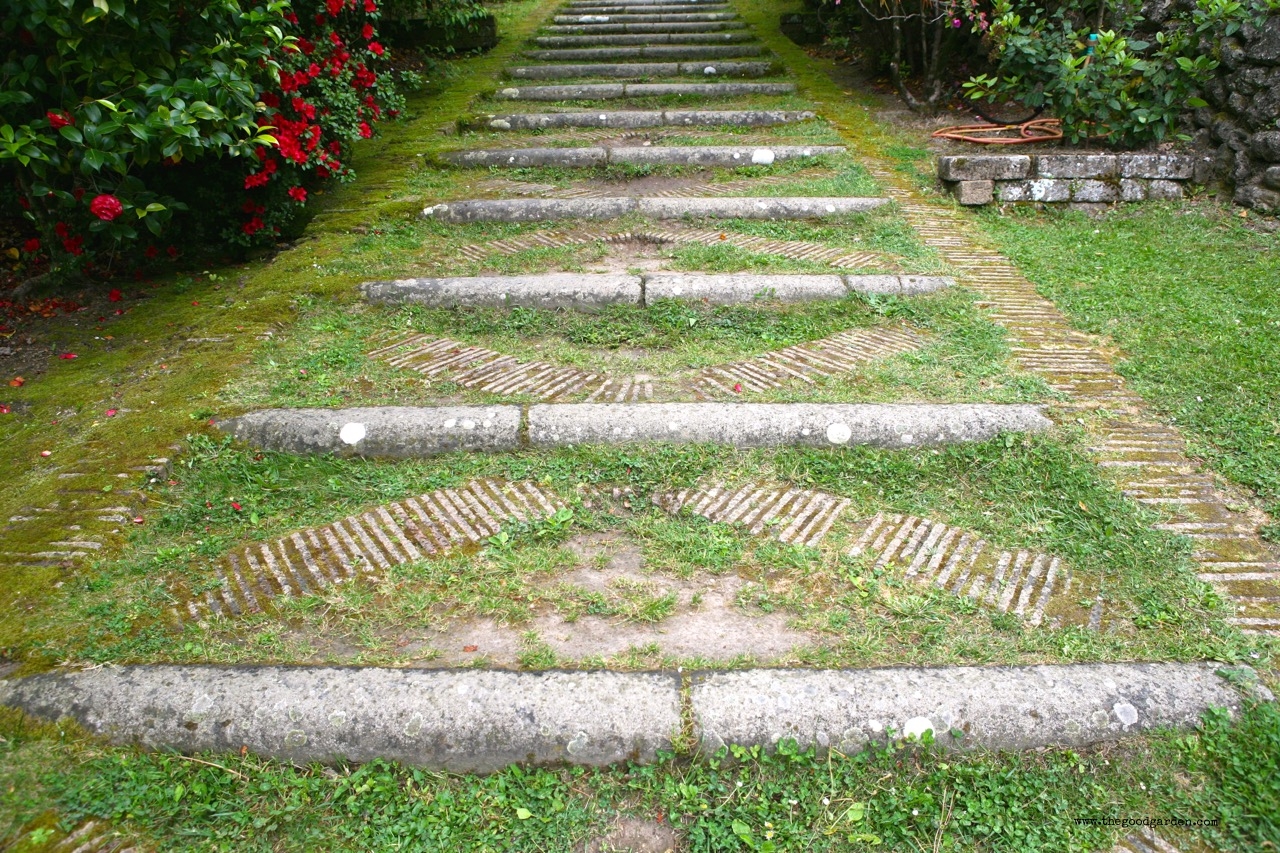
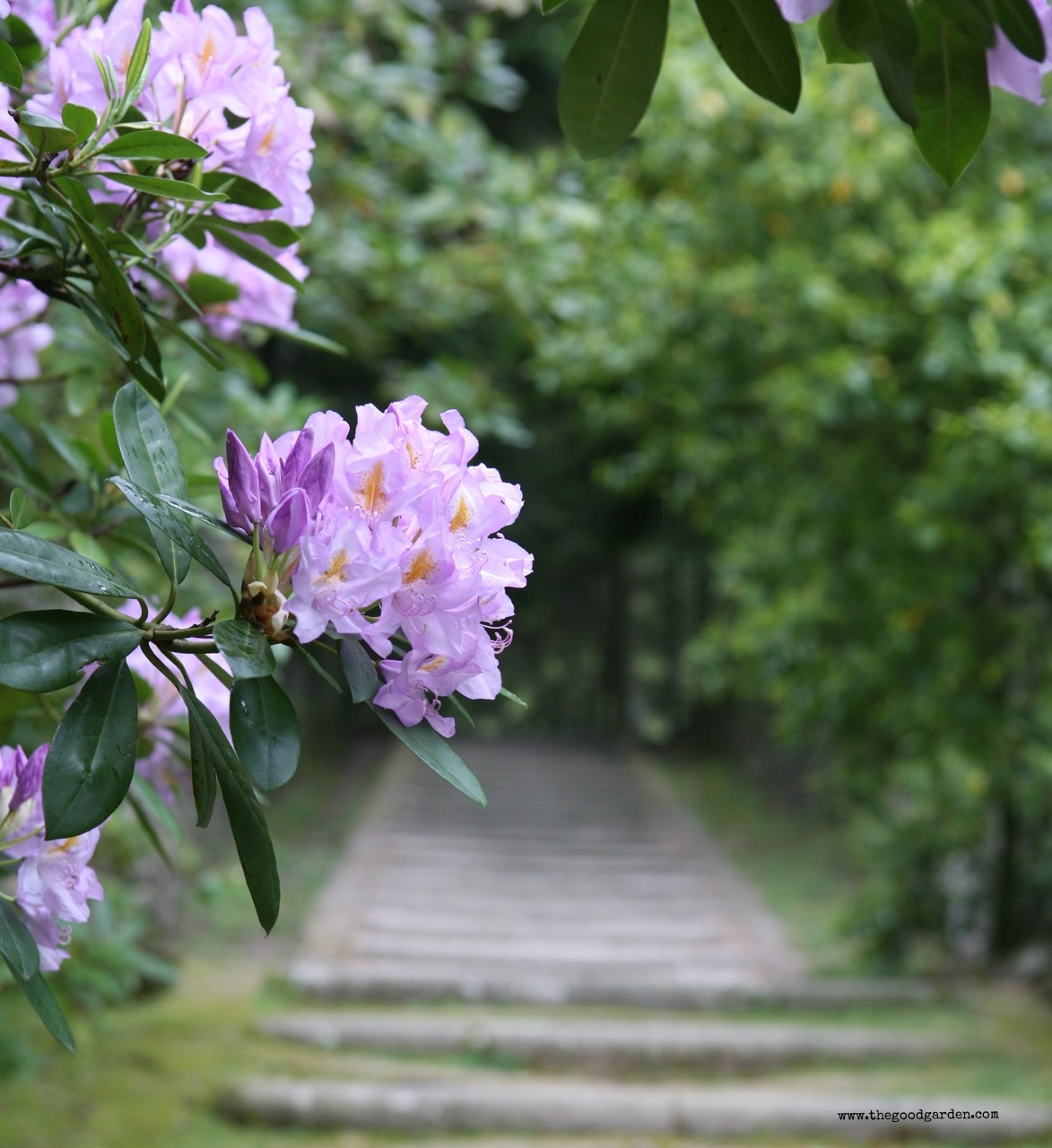
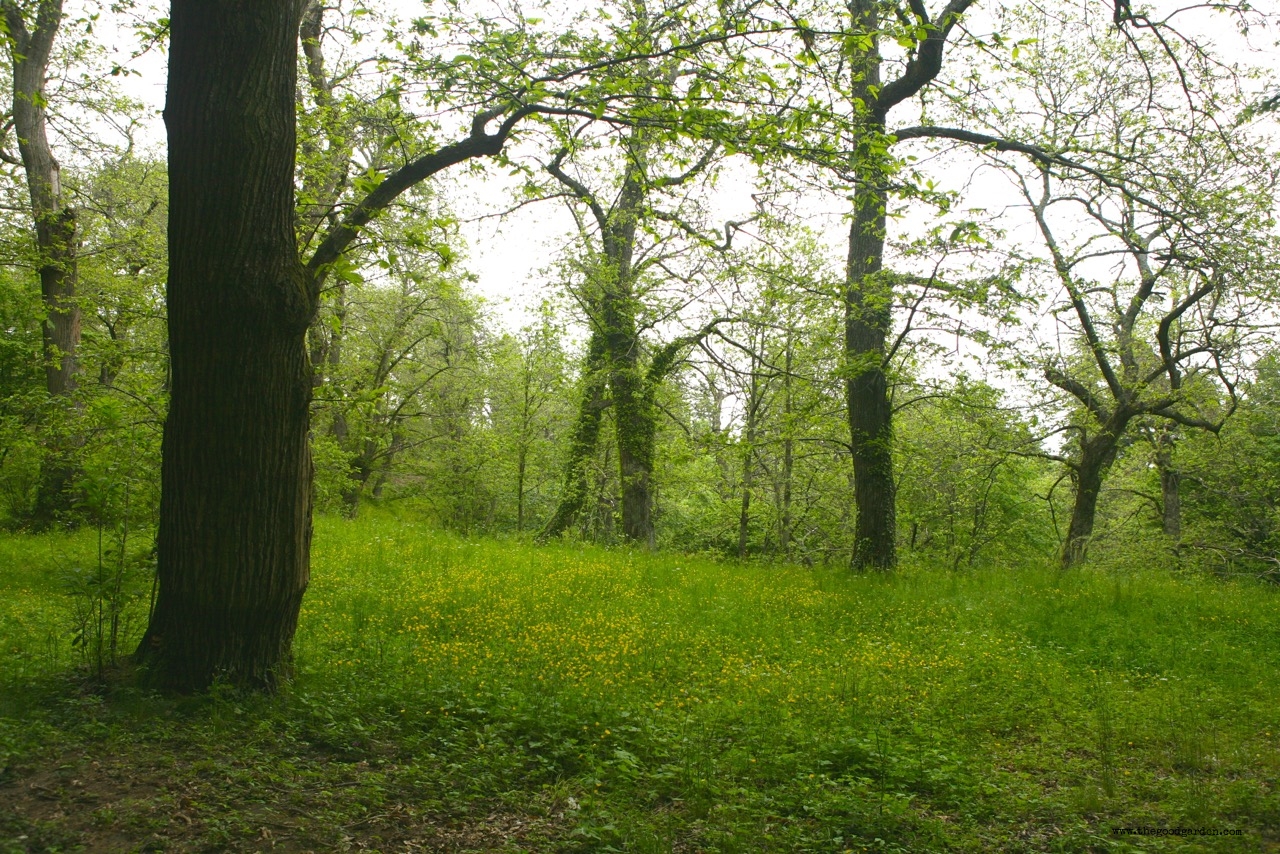
The garden is laid out in a series of sections.  A formal lower garden unfolds from the main villa.  A path leads to a rose garden and an azalea-lined stairway. The stairway took me to a ‘bosco’ or naturalistic woodland, and beyond: a dirt trail pointed my way up a hill.  Just as I thought this trail  reached the end of the property, the most amazing garden appeared.  Symmetrical stone walls and grottos, and a central water chain, led me to an ‘intimate’ villa and formal garden further above. 

By the time I reached the upper ‘secret’ garden, the magnificent water features were still turned off, so I was able to enjoy the space in silence.

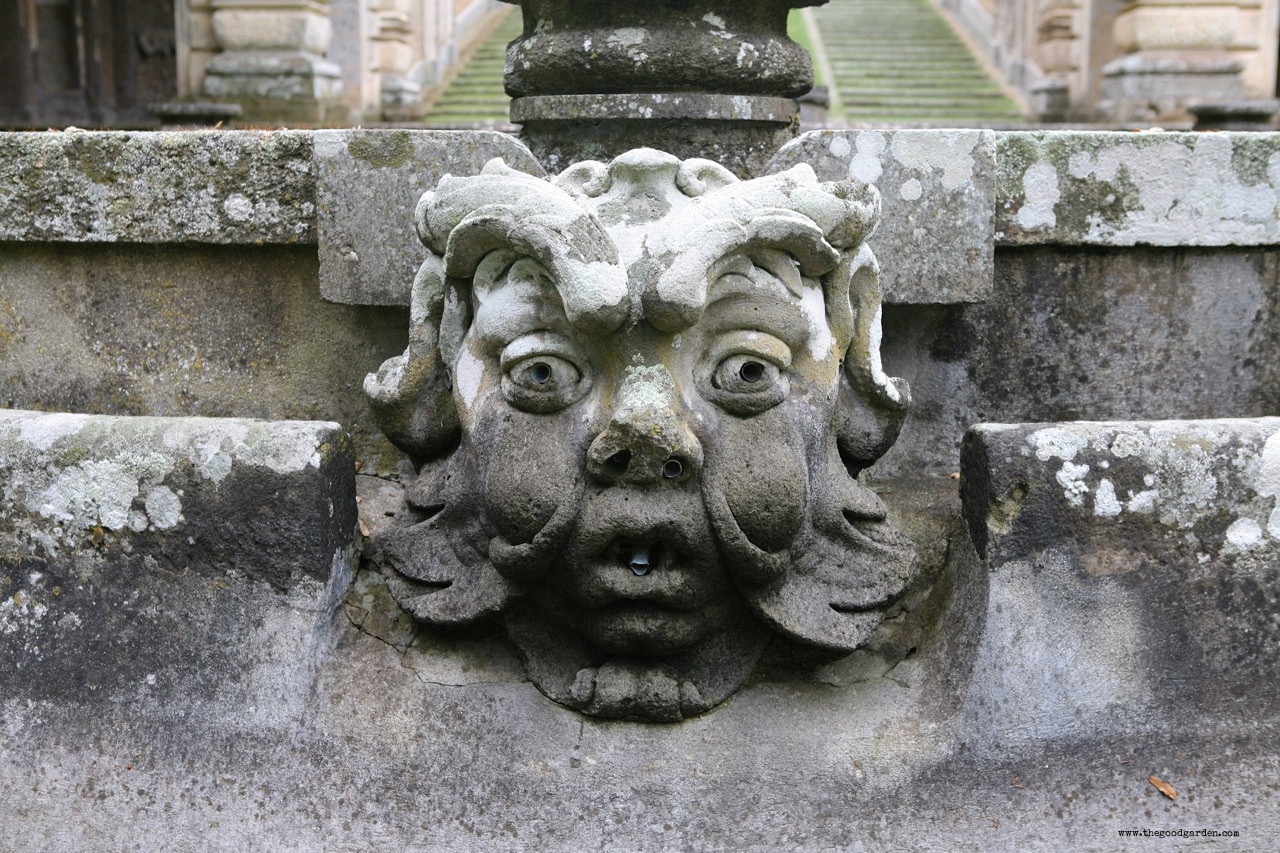
As I reached the final upper edge of the property, about one hour into my private time in the garden, gurgling sounds began to come from all directions.  At first the sound of air passing through the pipes feeding the fountain heads, then drops of water all around, then finally the fountains at full force.

The starting of the water features marked the official opening time of the garden.  A space that had been utterly quiet, was now filled with the music of splashing water.  By the time I descended, I met the first busload of tourists. 

 
 
In Italian renaissance Tags Villa Farnese, garden history, Viterbo, Italy, garden ornament, historic garden, historic gardens, garden inspiration, stories about gardens, landscape history, famous gardens of the world, garden stories
1 Comment
thegoodgarden|hetloopalace|winter|4655.jpg
thegoodgarden|hetloopalace|winter|4601.jpg
thegoodgarden|hetloopalace|winter|4553.jpg
thegoodgarden|hetloopalace|winter|4590.jpg
thegoodgarden|hetloopalace|winter|4637.jpg
thegoodgarden|hetloopalace|winter|4518.jpg
thegoodgarden|hetloopalace|winter|4653.jpg
thegoodgarden|hetloopalace|winter|4655.jpg thegoodgarden|hetloopalace|winter|4601.jpg thegoodgarden|hetloopalace|winter|4553.jpg thegoodgarden|hetloopalace|winter|4590.jpg thegoodgarden|hetloopalace|winter|4637.jpg thegoodgarden|hetloopalace|winter|4518.jpg thegoodgarden|hetloopalace|winter|4653.jpg

Never a bad day in the garden (Happy Holidays!)

David December 20, 2014

As winter arrives here in the northern hemisphere, it’s worth fighting the urge to stay inside.  Instead, let’s keep exploring gardens to enjoy and learn from them in all kinds of weather.

I have never had a bad day in a garden.  And my visit to the formal garden at Het Loo palace in Apeldorn, the Netherlands was no different despite a freak cold front and snow storm.  I considered canceling my trip, but this was the only Saturday that I was available to get to this garden.  So I loaded my camera and set out on a journey that included a trolley, a commuter rail, an international train, and a local bus.  The scenery along the train ride through freshly fallen snow was out of the movie Dr. Zhivago.

On average 1,000 people visit Het Loo each day. But on this day I was the only person in the garden!

The garden at Het Loo was built in the 1680’s by William (Dutch) and Mary (English).  The Queen and King were named joint sovereigns of Britain in 1689 in exchange for signing the Declaration of Rights that limited the power of the monarchy.

The garden was designed in the French formal style by mathematician Daniel Marot around a central axis, radiating walks, and boxwood parterres.  Nearly every plant is clipped -- as if to suggest complete human control over nature.  This style can feel stifling, and in the 1700’s the garden was demolished to make way for an English picturesque garden which would have looked like a naturalistic landscape park. Many European formal gardens of the time suffered this fate.  The view of nature in the eighteenth century shifted from dangerous wilderness that needed to be tamed, to a romantic ideal, all goodness.  More on this shift in later posts.  In the 1970’s, the garden was restored to its original design in order to preserve its history.  This garden is considered one of the finest examples of a formal European garden.  On a par with world famous Versailles, albeit much smaller.

I feel lucky to have been able to see this beautiful garden under a fresh blanket of snow.  It reminded me that in the search for the all season garden, the formal garden has a lot to offer. And that no day in the garden is a bad day.

Thanks to a delicious and hearty bowl of Dutch pea soup at the palace cafe and a souvenir hat from the gift shop, I managed to stay warm.  It was colder than it looks in the photos above.

Happy holidays!


In French formal Tags garden history, Het Loo Palace, Apeldoorn, garden ornament, historic gardens, famous gardens of the world, garden design
3 Comments
  • Blog
  • Older
  • Newer
Subscribe
No results found
Garden stories
 
facebook email
  • Policies
  • Contact
  • Subscribe
Garden stories

©2025 David Calle. The Good Garden.

the good garden

garden history, design inspiration

facebook email