the good garden

garden history, design inspiration
  • Home
  • My story
  • Talks and Articles
  • Resources
    • Places
    • Styles
    • Books, Video, Websites
  • Home
  • My story
  • Talks and Articles
    • Places
    • Styles
    • Books, Video, Websites

Blog

The good garden blog is about sharing garden inspiration and ideas from historic gardens around the world and some right next door.  Garden stories explore garden history, design, and the garden people behind famous and not-so-famous gardens.  My garden photographs span dozens of places across 5 continents.  Please join me in celebrating good garden design.

  • All
  • Arts and crafts
  • Chinese
  • Cloister
  • French formal
  • Gardenesque
  • Islamic
  • Italian renaissance
  • Japanese
  • Modernist
  • Picturesque
  • Roman
  • Thai
  • Vegetable
  • Wild
thegoodgarden|easthampton|0623.jpg
thegoodgarden|easthampton|0541.jpg
thegoodgarden|easthampton|0550.JPG.jpg
thegoodgarden|easthampton|0631-2.jpg
thegoodgarden|easthampton|0599.jpg
thegoodgarden|easthampton|0623.jpg thegoodgarden|easthampton|0541.jpg thegoodgarden|easthampton|0550.JPG.jpg thegoodgarden|easthampton|0631-2.jpg thegoodgarden|easthampton|0599.jpg

A formal, wild meadow

David July 31, 2015

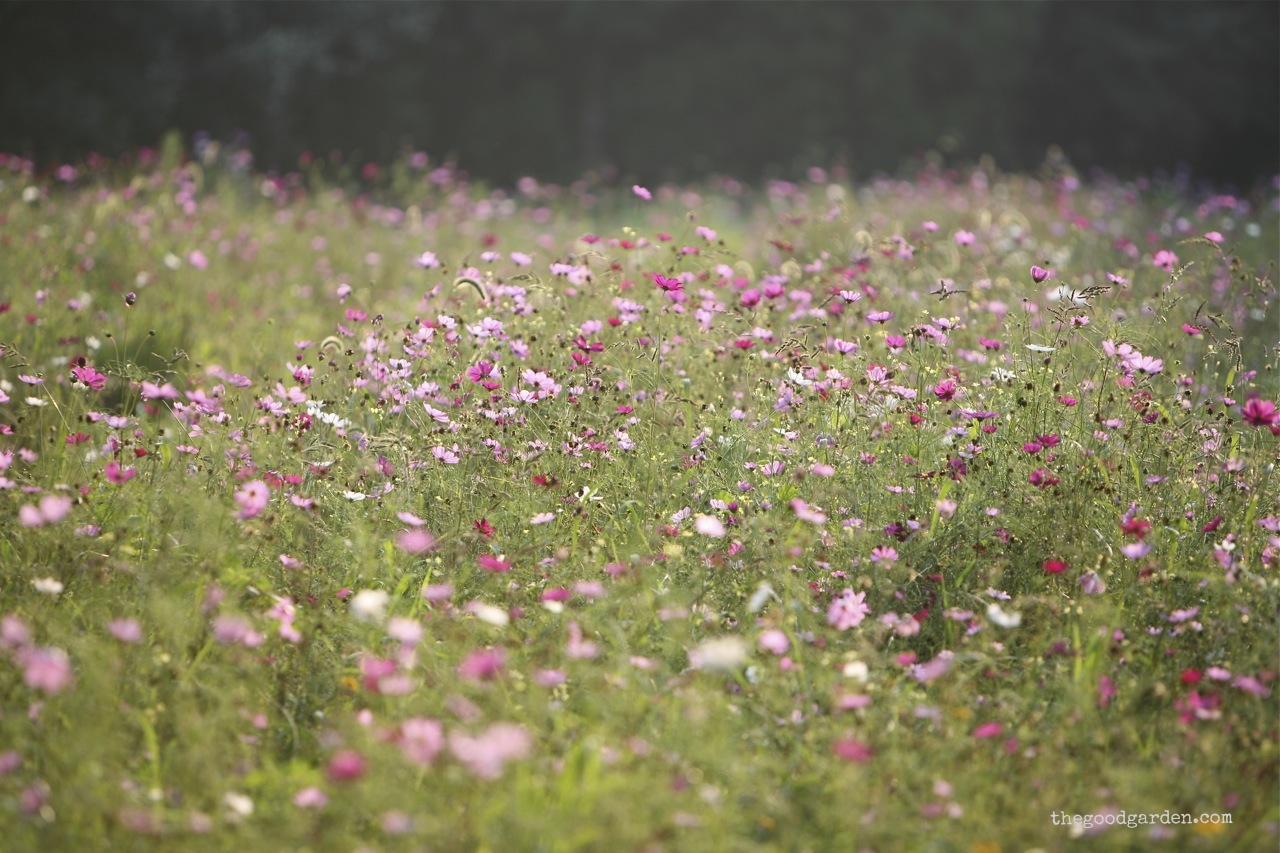
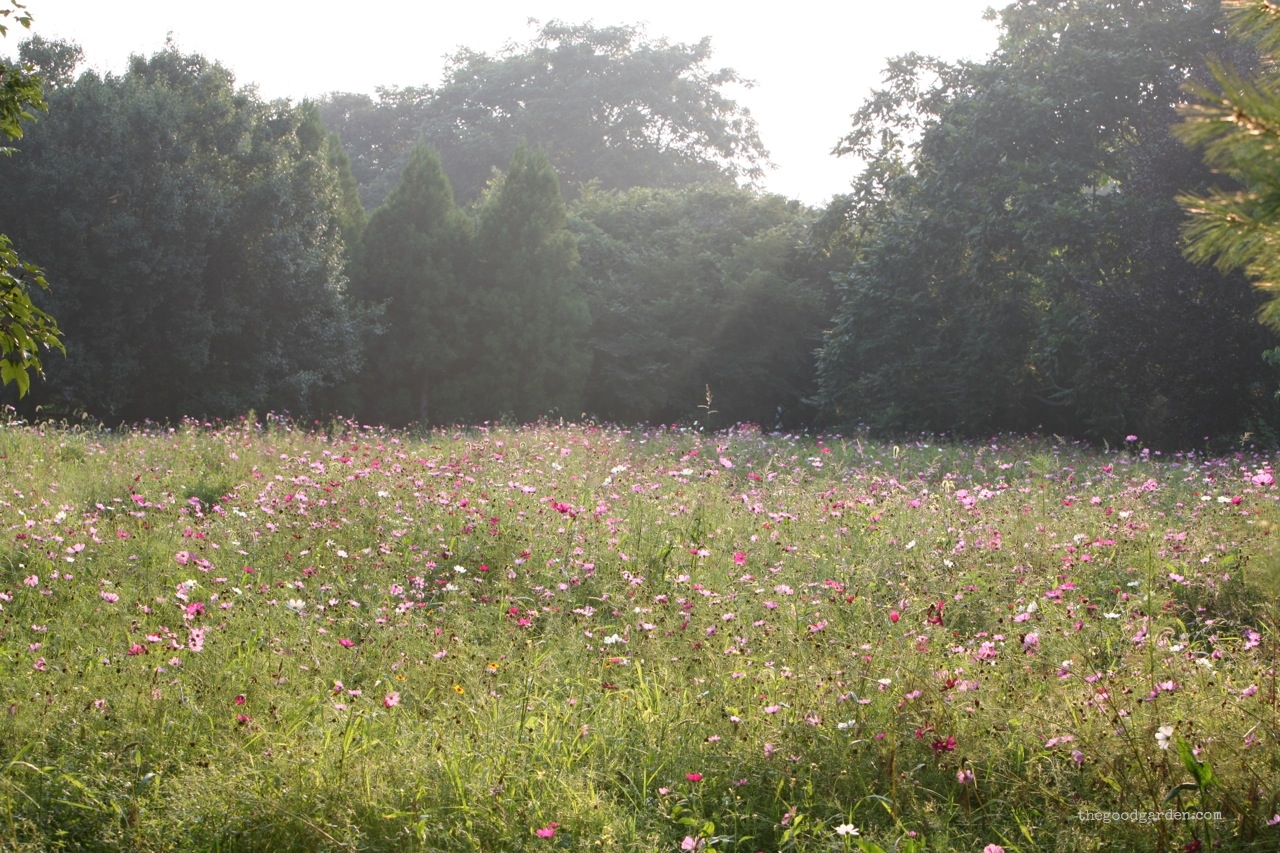
I will never forget this formal, wild meadow garden in East Hampton, NY. 

The Hamptons are famous for village lanes lined with mature sycamores, privet hedges, and arborvitae.  Such plantings mark the separation between the private and public worlds.  They provide shelter and privacy to personal gardens; shade and coziness to public spaces.  Getting around means passing through these delightful lanes.  

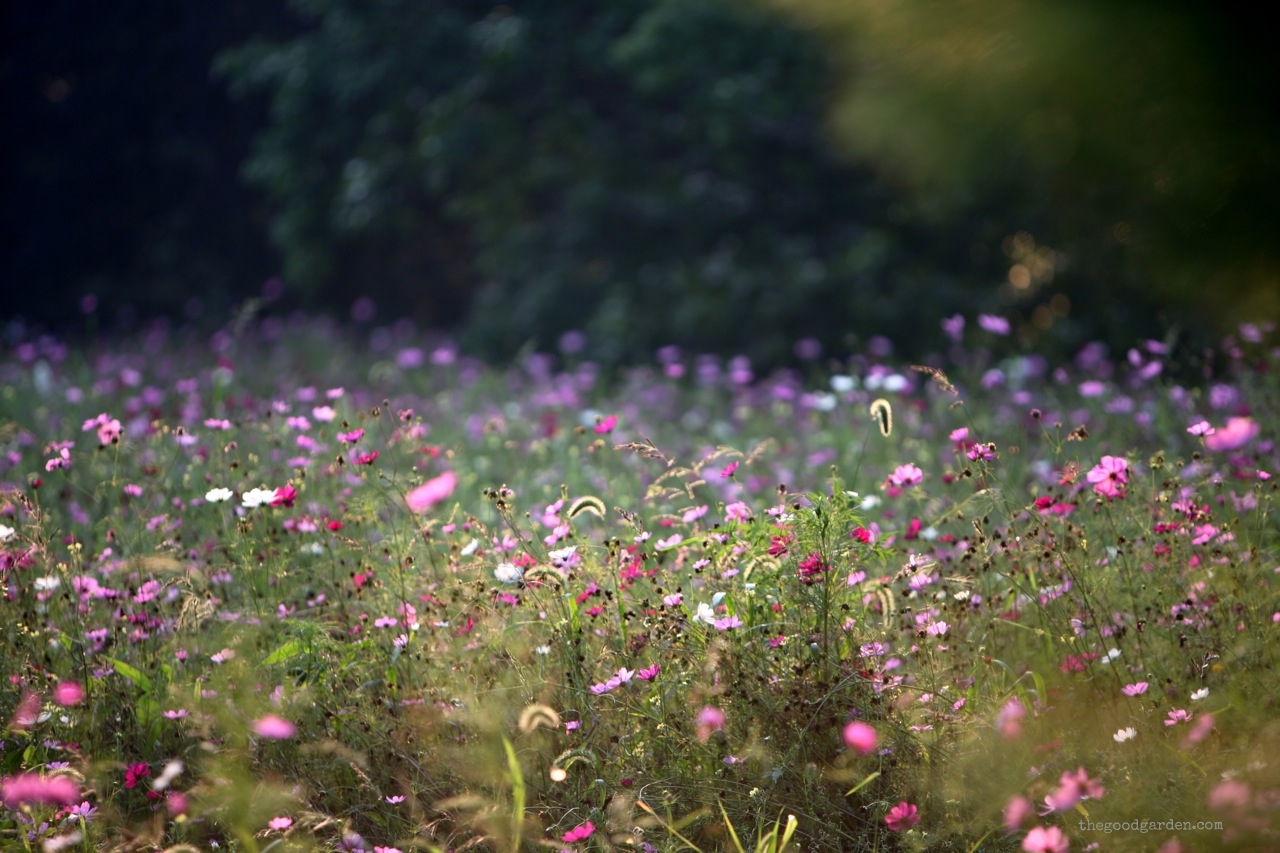
While walking back from the beach along one such lane, dense green walls on either side gave way to a burst of light and color.   The setting sun streamed through this stunning meadow seen above; thousands of cosmos were backlit so they appeared to be floating paper lanterns.

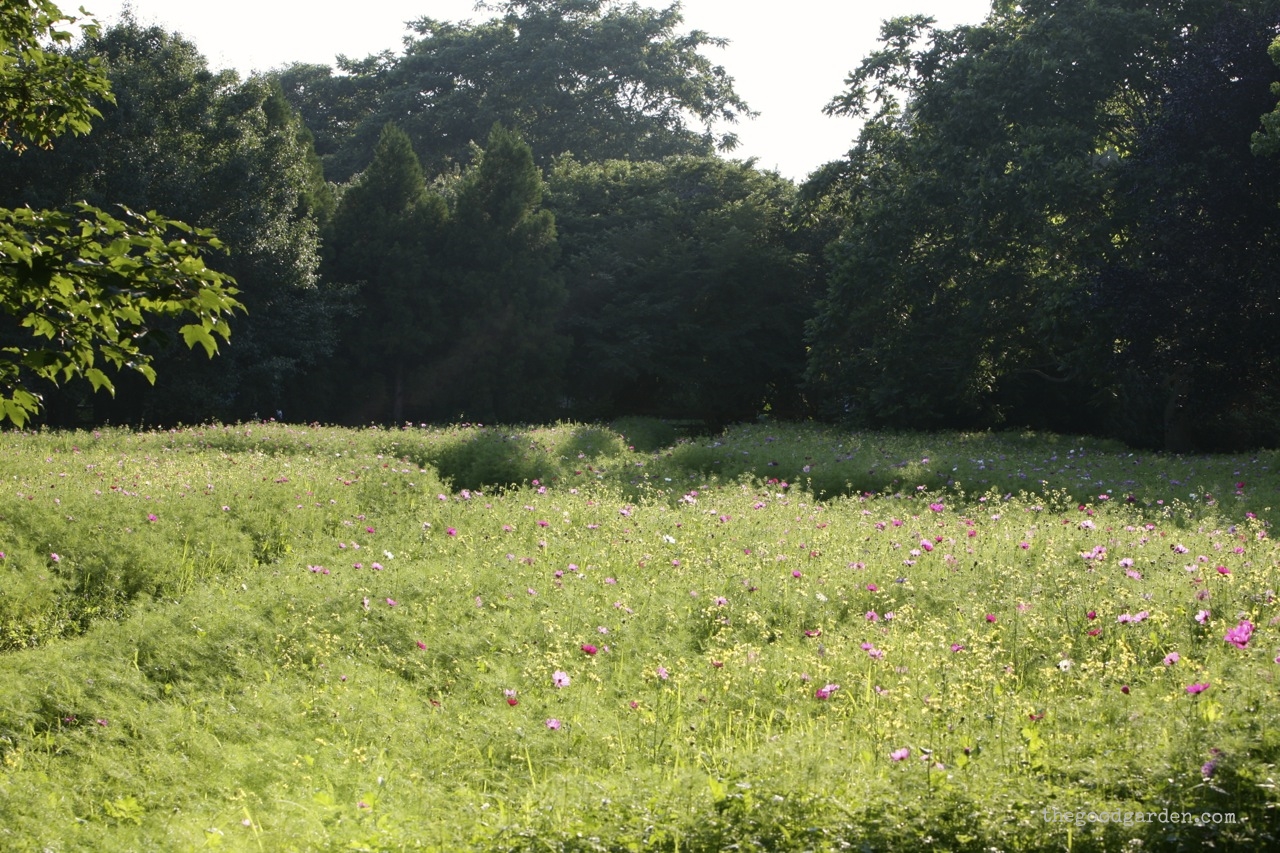
This garden has the layout of a formal parterre, a geometric area divided by symmetrical paths.  Its structure could easily fit into a French formal garden.  A square space is framed by evergreens.  Straight, criss-crossing paths meet in the middle of it to form a series of triangular beds filled with flowers.  This formality unifies the garden, giving it rhythm and consistency. 

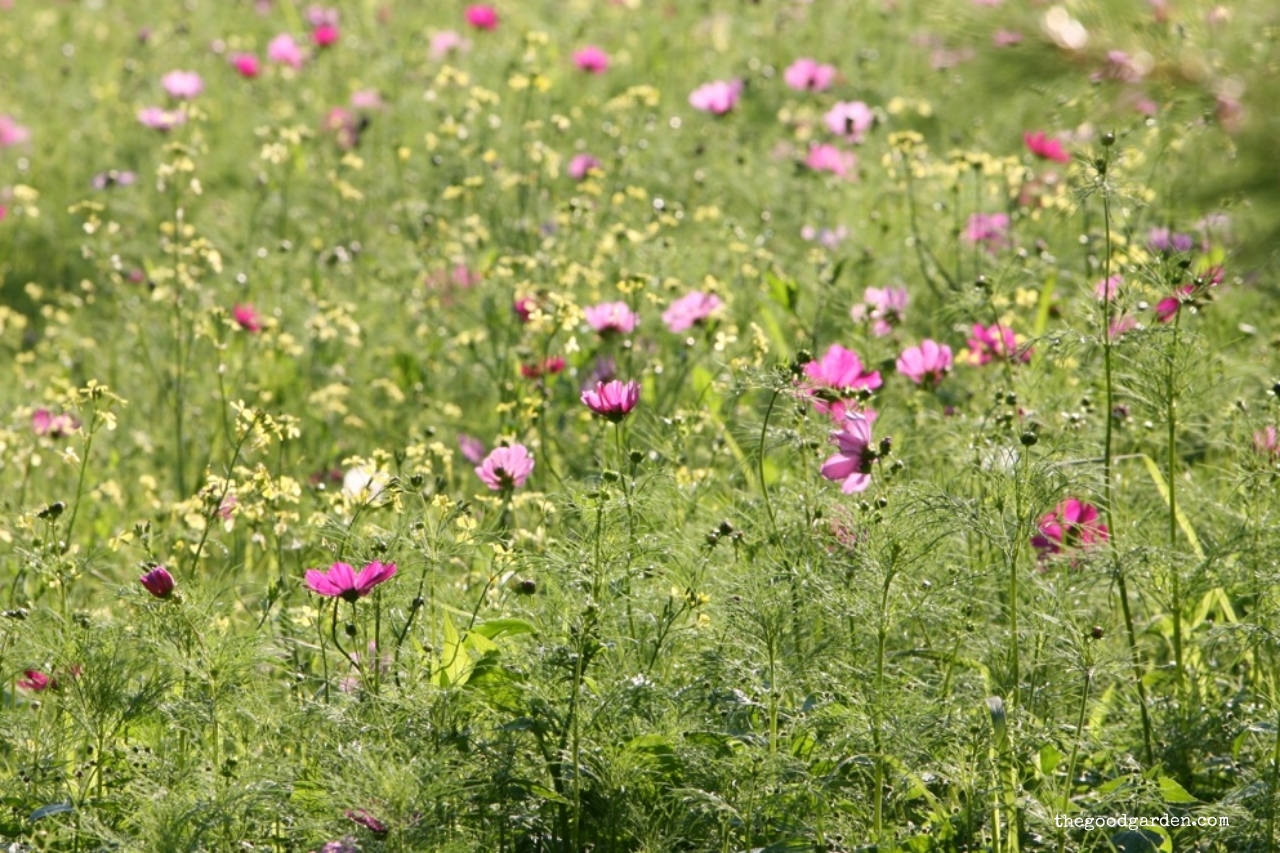
What made this garden special was how the gardener’s plant choices and pruning restraint softened its structured layout.  The evergreens were left to grow naturally; mown grass was used in the pathways instead of gravel; cosmos were selected for the flowerbeds and fell freely into the paths.  A few grasses and daisies were allowed to pop up now and then, further softening the scheme. The power of this garden comes from its combination of formality, and what I suppose was inspiration from the wild.

Fashioned in the arts and crafts style, this garden is one room in a series of gardens: more formal outdoor areas near the house provide space for entertaining; and this garden in the far corner is looser, more naturalistic.

As I plan my fantasy garden, a formal meadow like this one will fit in beautifully, especially since I will have limited space.   I can create a defined area with paths for easy access to the flower beds, and at the same time enjoy the beauty and serendipity that only nature can provide.  It will also face west so that the setting sun can wash over it.

See more arts and crafts gardens here.

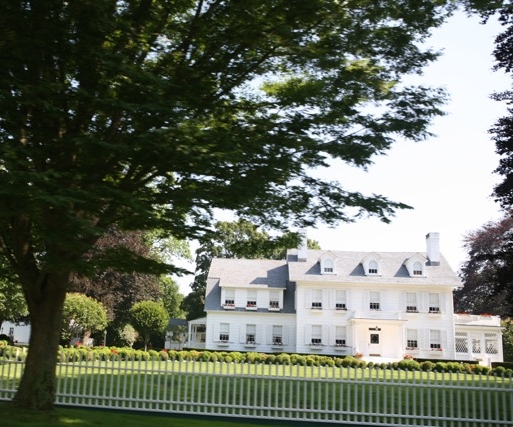
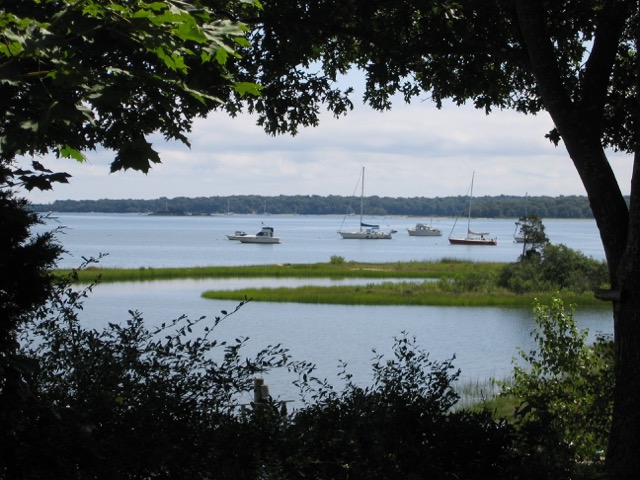
Founded in 1648, East Hampton is one of the earliest English settlements in America. This area is known for beautiful beaches and bays, historic (and modern) homes, design shops, and wonderful garden centers.
thegoodgarden|easthampton|0653.jpg
thegoodgarden|easthampton|1047.jpg
thegoodgarden|easthampton|1028.jpg
thegoodgarden|easthampton|0629.jpg


In Wild, Arts and crafts Tags East Hampton Garden, Cosmos, plant ideas, plant combinations, Meadow garden, parterre
4 Comments
thegoodgarden|gravetye|4047.jpg
thegoodgarden|gravetye|4202.jpg
thegoodgarden|gravetye|4253.jpg
thegoodgarden|gravetye|4139.jpg
thegoodgarden|gravetye|4263.jpg
thegoodgarden|gravetye|4122.jpg
thegoodgarden|gravetye|4047.jpg thegoodgarden|gravetye|4202.jpg thegoodgarden|gravetye|4253.jpg thegoodgarden|gravetye|4139.jpg thegoodgarden|gravetye|4263.jpg thegoodgarden|gravetye|4122.jpg

Happy B-day William Robinson

David July 10, 2015
Portrait of William Robinson. Source: Telegraph

Portrait of William Robinson. Source: Telegraph

“My object in The Wild Garden is now to show how we may have more of the varied beauty of hardy flowers than the most ardent admirer of the old style of garden ever dreams of, by naturalizing many beautiful plants of many regions of the earth in our fields, woods, and copses, … in every kind of garden.”  - William Robinson, The Wild Garden, 1870

The ability to spend a weekend at a friend’s beautiful garden in the country is a real treat.  Such a visit means getting to see the garden at different times of day, and to hear first hand about your friend's ideas, successes, and failures.  This is a truly wonderful way to find inspiration and to make a deeper connection.

This is how I felt when I had the chance to spend a few days at William Robinson’s country house, Gravetye, in West Sussex, outside of London.  By then I had heard about the garden he made there, and read several of his books. These books created a mental map of what to expect: naturalized bulbs, water gardens, and meadows.  Being there exceeded all of my expectations.  It was a pleasure to see the garden change from morning to night, to wander paths, to discover new sections, and to be able to take the time to absorb the garden.  I was most surprised by how Robinson successfully integrated "wild" plantings into formal elements .

The catch is that this garden is over 100 years old, with Robinson gone nearly that long.  In place of the living William Robinson, my room came with a copy of his plant book for Gravetye in which he explains the design process behind each section of the garden.  His spirit lives in his words.  Having fallen asleep half way through the book on my first night, it is no surprise that I dreamt that I saw his ghost wandering the halls! 

First published in 1883.  One of the most influential garden books of all time. Still worth reading.

First published in 1883.  One of the most influential garden books of all time. Still worth reading.

William Robinson was born in 1838 in Ireland.  By his twenties he was working in London’s Regent’s Park and collaborating with Charles Darwin.  In his thirties he dedicated himself to writing about gardens where he made his fortune.  His travels throughout Europe and North America allowed him to see plants not native to England in their natural settings.

William Robinson’s birthday would have been last week, so this is a good time to celebrate his contributions to garden design.  He has been described as “ground-breaking”, “most influential”, “a towering figure”, “changing the face of England”.

His work deviates in wonderful ways from the garden style of his time.  Those gardens were about controlling, managing nature: topiary, clipped hedges, and geometric bedding schemes full of bold annual plants grown in greenhouses.   In some ways garden design had an on-off switch: you could have a managed garden or chaotic wilderness.

Robinson described his view of the wild garden as "placing perfectly hardy plants in places they will take care of themselves."  He railed against costly annuals: “It should be borne in mind that the expense for this system [of using non-hardy plants] is an annual one; that no matter what may be spent in this way, or how many years may be devoted to perfecting it, the first sharp frost of November announces yet further labours.”

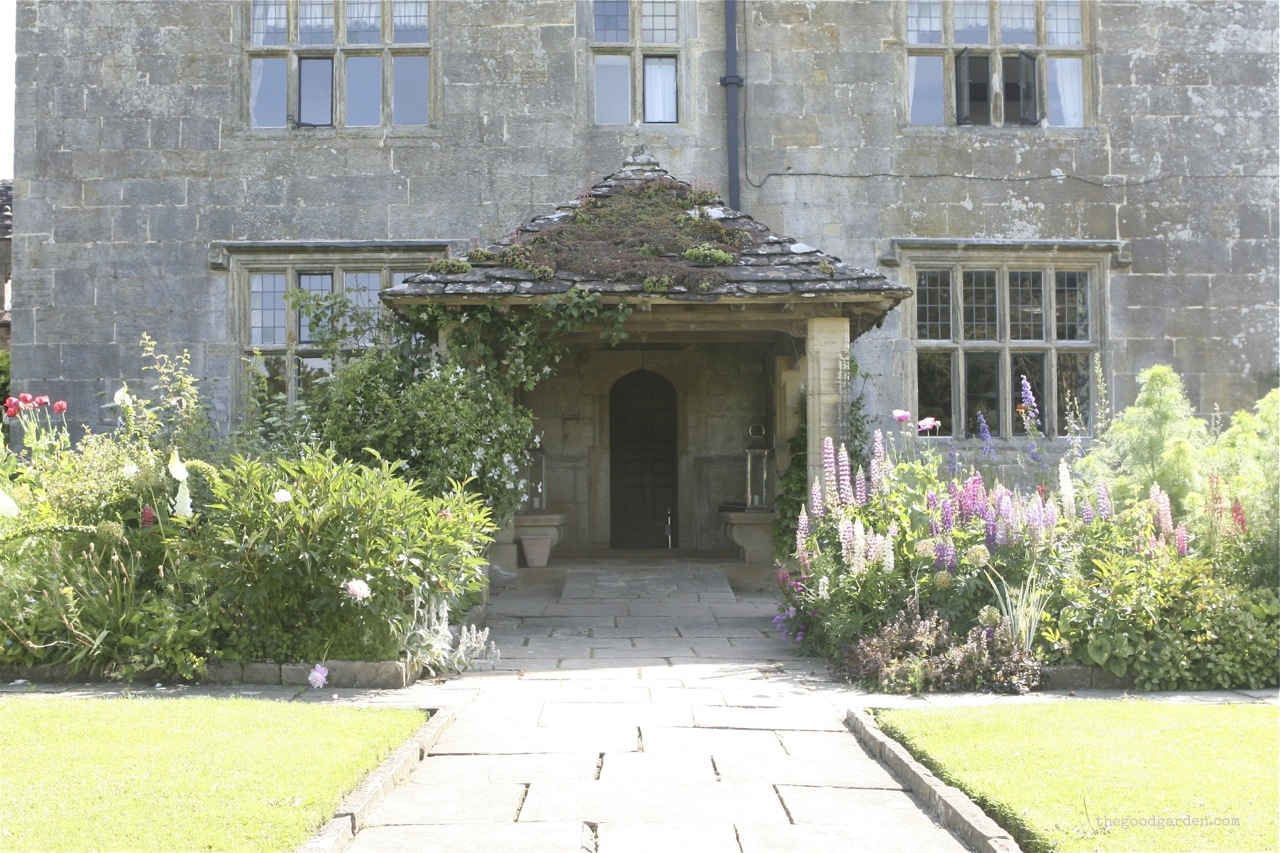
William Robison's home, Gravetye, was built in 1598.  He bought it along with 1,000 surrounding acres in 1884 to create his garden.

William Robison's home, Gravetye, was built in 1598.  He bought it along with 1,000 surrounding acres in 1884 to create his garden.

Robinson made it fashionable to move away from specimen planting to arrange plants naturally within a framework that gave order and unity.  He encouraged gardeners to be open to the serendipity and randomness of nature.  In his world, accidents were good, “…a world of delightful plant beauty that we might make happy around us.”  

Robinson helped us to make an important transition in garden making: from control, and some say artifice, to spontaneity, to “wildness”. His approach kept a sense of intentionality but it also embraced plants’ natural desire to spread and self-seed.  

Robinson’s legacy lives on in his writings.  His best-selling books The English Flower Garden and The Wild Garden taught gardeners why a new style of gardening was needed, often in practical bulleted lists.  And sections like “Early flowering bulbs in meadow grass” and “Not ugly fencing” taught us how to make the transition to the wild garden.  These books were best-sellers: hugely influential.  And his highly public spat with formalists like Reginald Blomfield (author of The Formal Garden in England, 1892) further helped gardeners think through the attractions of different garden styles.

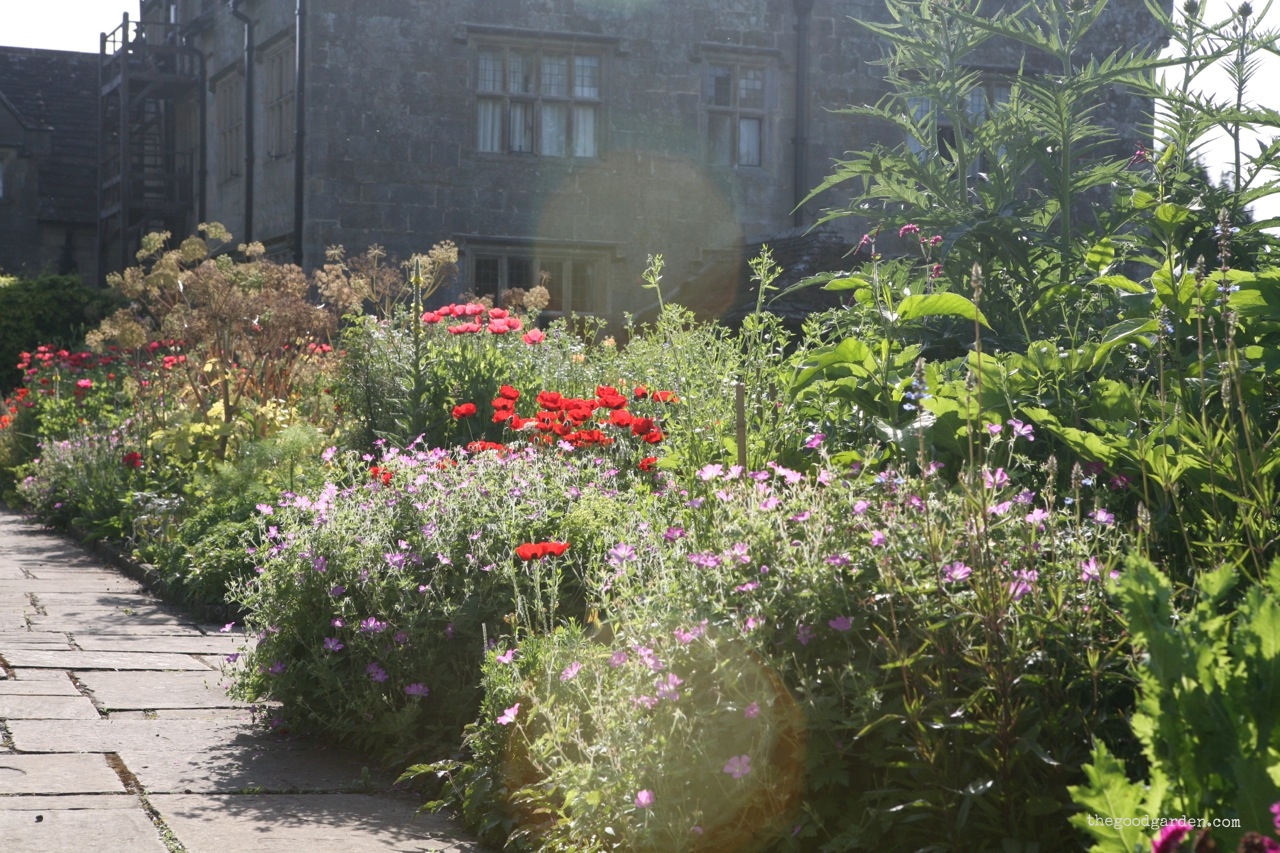
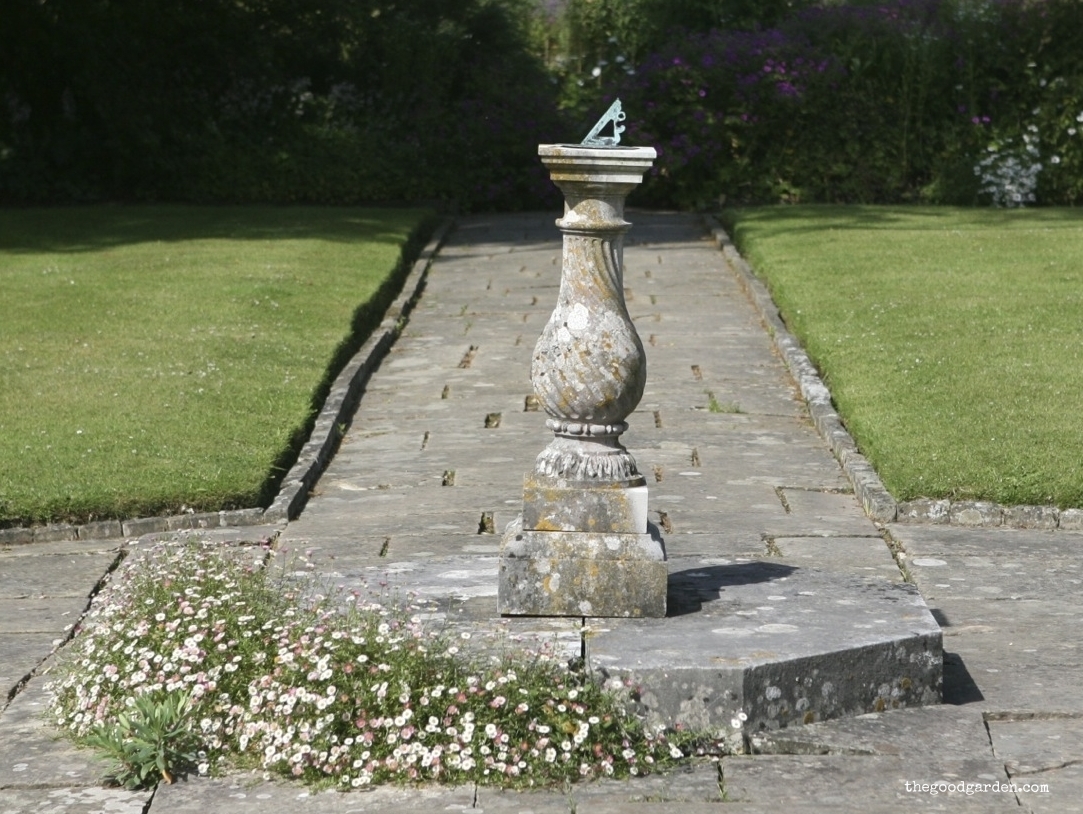
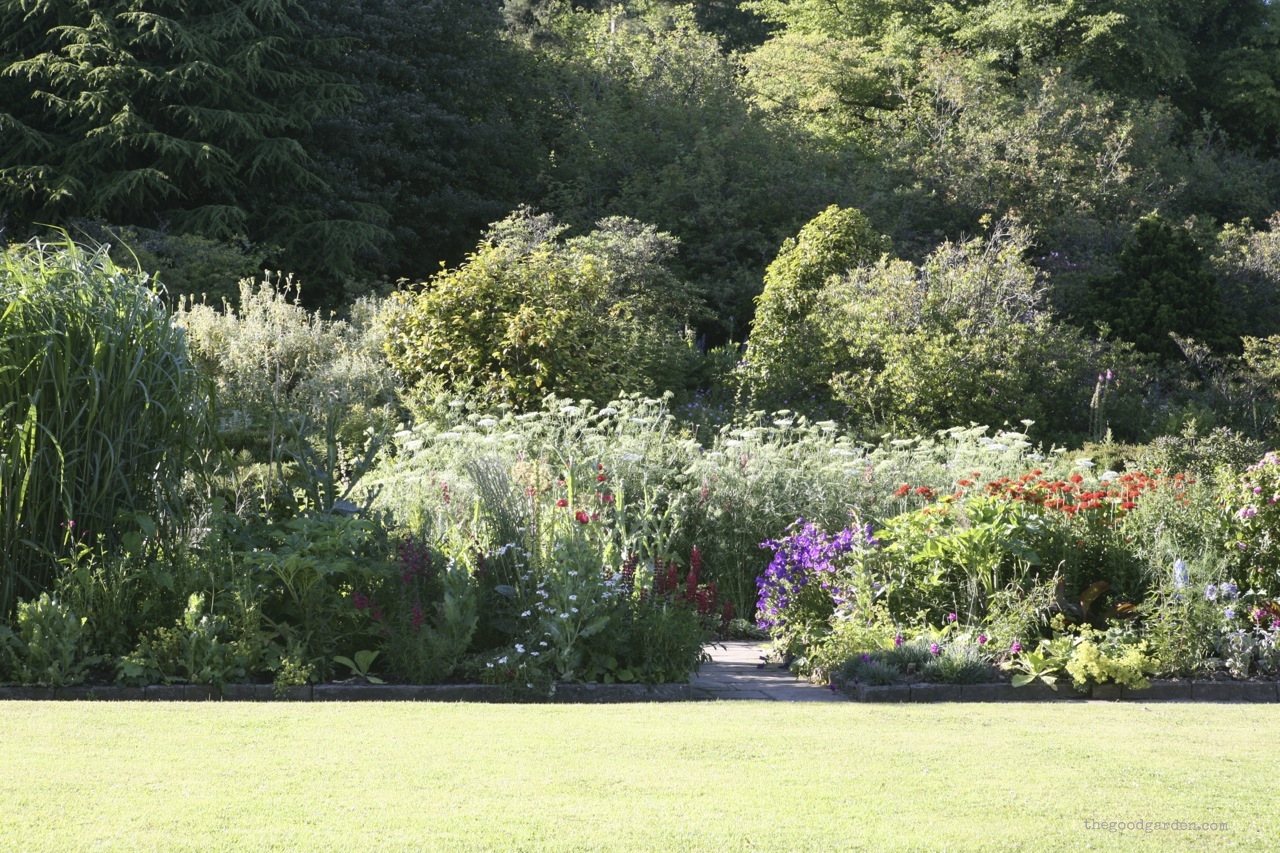
Fortunately we can also connect with Robinson through his garden, Gravetye.  He bought the 1,000 acre property south of London in 1884 to build the kind of garden he wrote about. The photos above are from the Flower Garden.  This formal frame stuffed with hardy plants capture the essence of Robinson's garden style.  Today Gravetye is a luxury bed and breakfast that aims to preserve William Robinson’s legacy.  It is part of the prestigious Relais & Chateaux hotel collection.  If a night at the house isn’t in the cards, make a reservation for lunch.

To learn more about Robinson, check out the re-released The Wild Garden in England with new material by designer/ photographer Richard Drake.  Check out Drake's wonderful video on Robinson where he explores "What is wild? and why it matters" below. 

Happy birthday William Robinson!

See more photos from Gravetye here.


In Wild Tags William Robinson, Richard Drake, The Wild Garden, The English Flower Garden, Gravetye, Sussex, West Sussex
2 Comments
thegoodgarden|canaanvalley|westvirginia|1599.JPG.jpg
thegoodgarden|canaanvalley|westvirginia|1562.jpg
thegoodgarden|canaanvalley|westvirginia|1577.jpg
thegoodgarden|canaanvalley|westvirginia|1564.jpg
thegoodgarden|canaanvalley|westvirginia|1583.jpg
thegoodgarden|canaanvalley|westvirginia|1599.JPG.jpg thegoodgarden|canaanvalley|westvirginia|1562.jpg thegoodgarden|canaanvalley|westvirginia|1577.jpg thegoodgarden|canaanvalley|westvirginia|1564.jpg thegoodgarden|canaanvalley|westvirginia|1583.jpg

"Bird food" for thought

David April 17, 2015

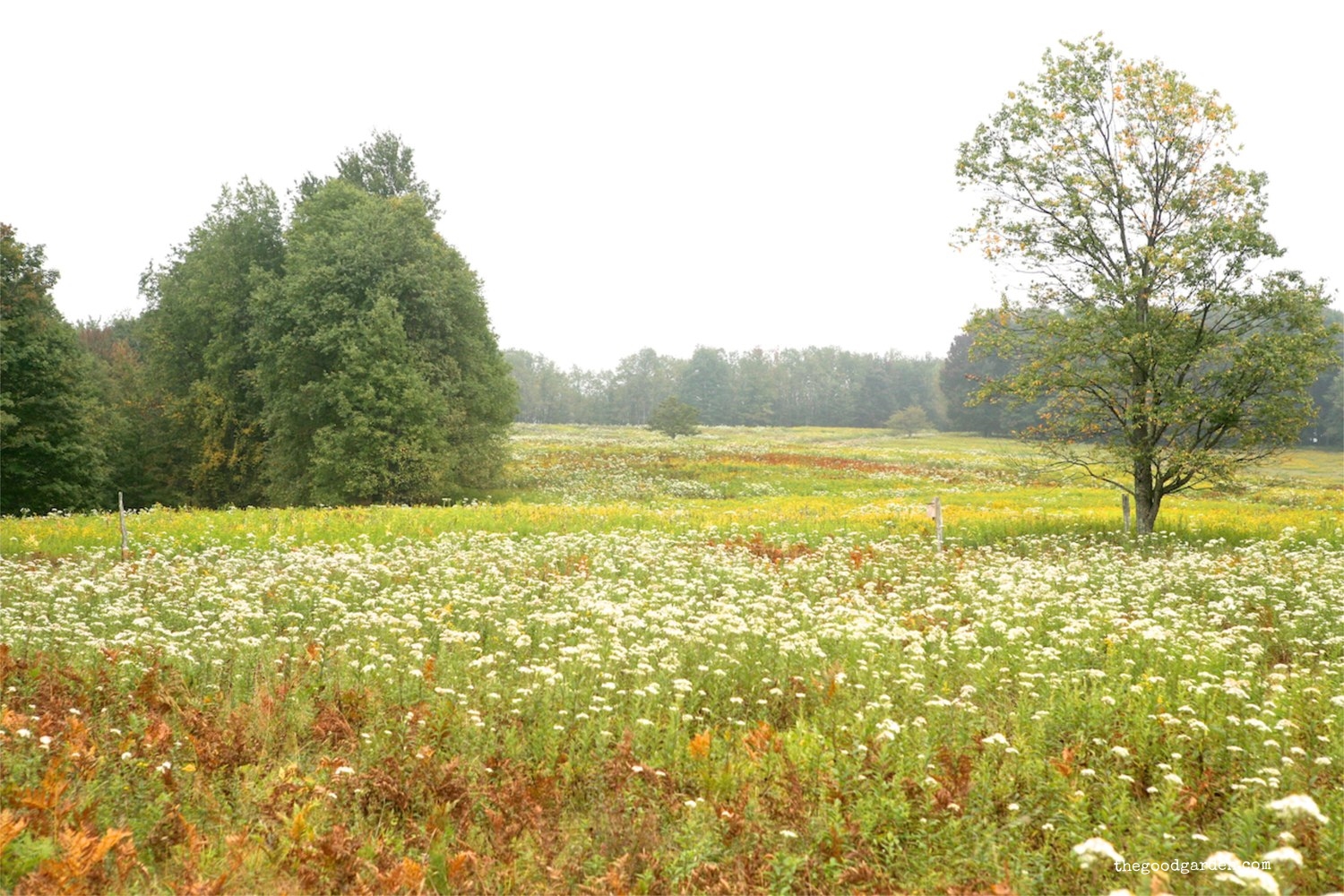
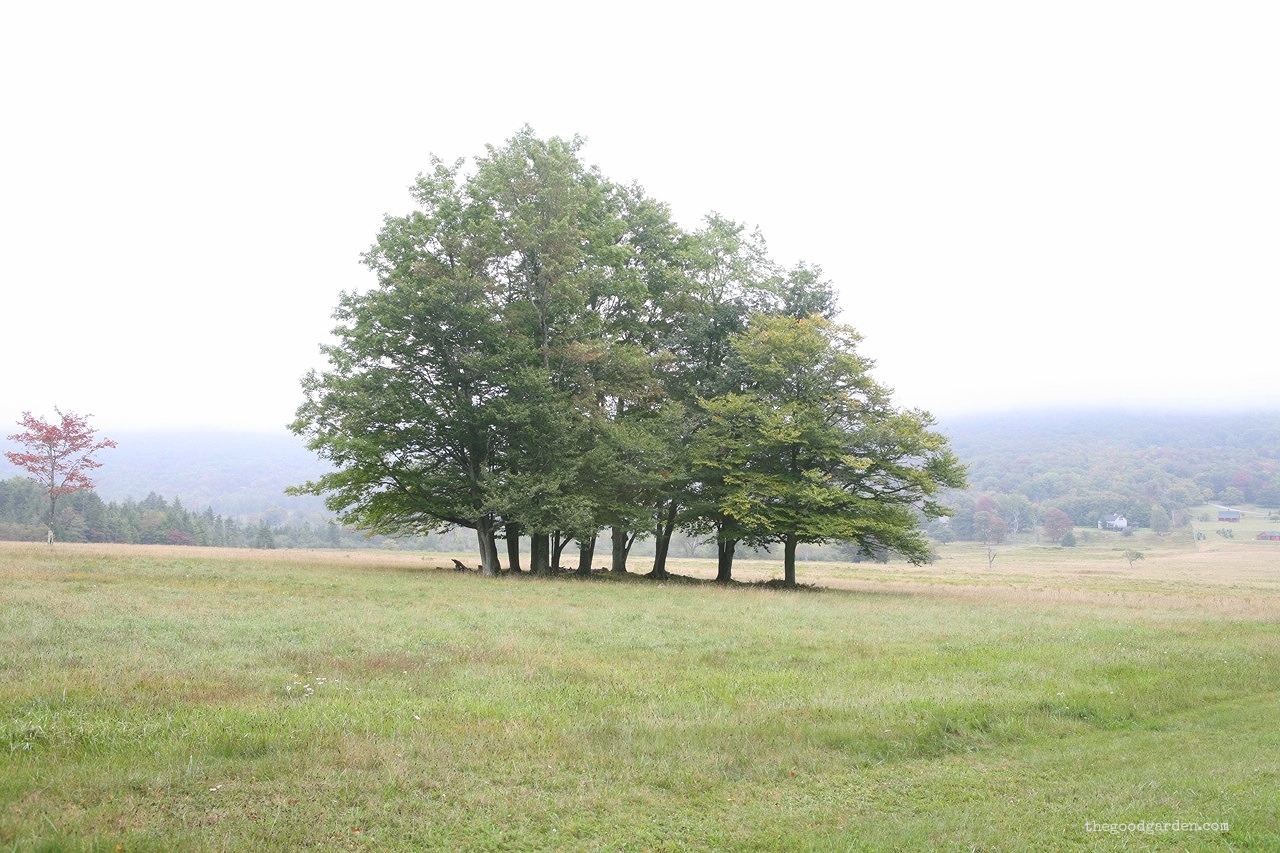
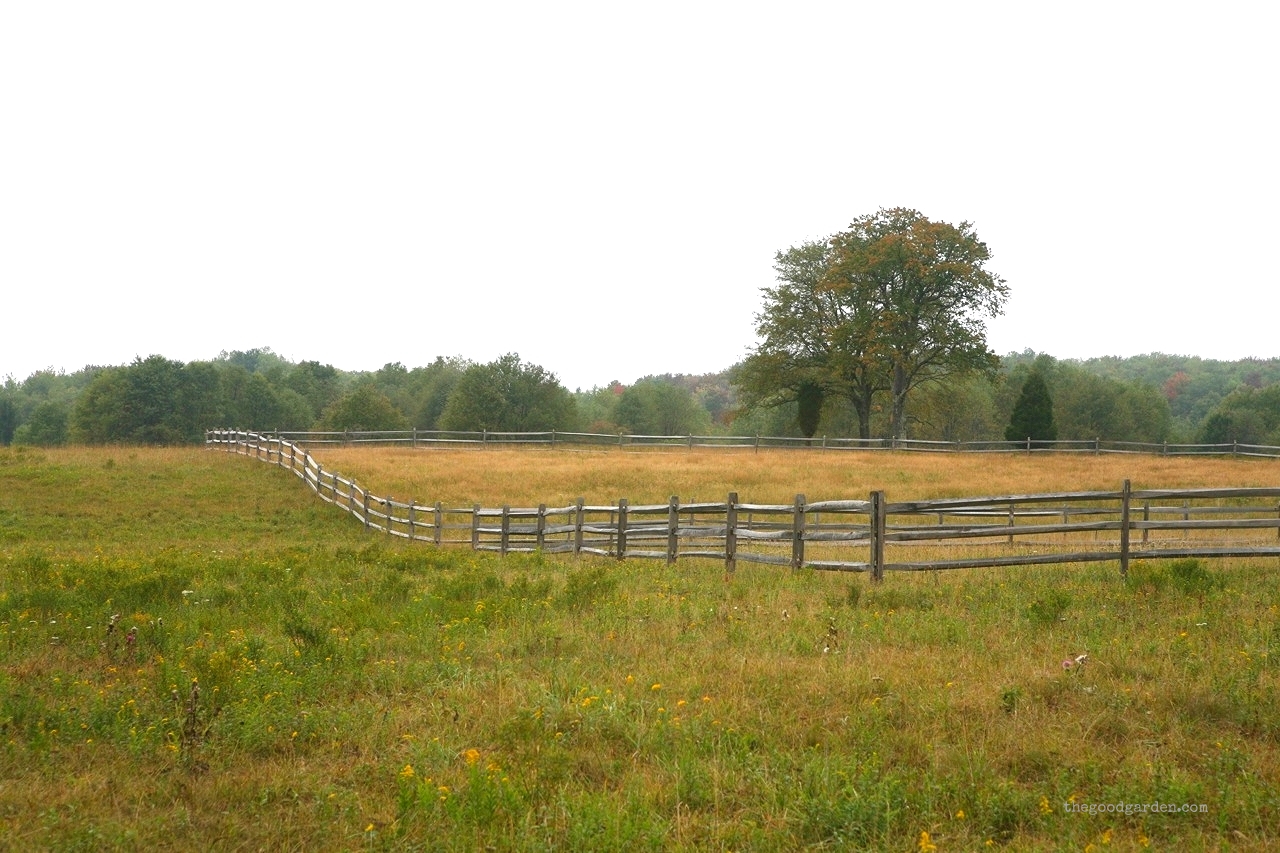
Visiting natural spaces such as the Canaan Valley National Wildlife Refuge in Davis, West Virginia, gives me inspiration for the wild garden.  I learn what combinations look good together, how to match a plant’s needs with the right garden spot, and what plants will best maintain a healthy eco-system.

Wild garden concepts make so much sense to us today.  Native plants have the genetics to survive our crazy weather; they play an important role in attracting wildlife that fosters a strong ecosystem; and provide interest year round.  As a result they require less watering, chemicals, and replacing than non-natives do, and have positive effects on the environment beyond the garden itself.

Wild gardening wasn’t always popular. For most of history, gardening meant the organization and control over nature. Native plants were generally considered weeds and in the 1800’s, the world went mad for exotics discovered by plant hunters all over the world.  The fashion wasn’t to tuck these discretely into borders but to let them scream by laying them out as single specimens or in elaborate patterns.  Not to forget our love of chemicals to control nature. As late as the 1970’s, we were spraying DDT on our properties to make sure nothing got too wild.  Today, many of us use disease-resistant, fruitless trees.  An advertisement for these trees claims, “just as appealing without the mess!”  Who wants all that pollen, messy fruit, or the nuisance of birds spreading seeds helter-skelter around the garden.

Some garden designers and scientists have bucked the trend toward the tidy and advocated a more natural, wild garden style.  In the early 1800’s we see Bernard McMahon encouraging gardeners to incorporate native plants into the garden in his American Gardener’s Calendar.  This went against the fashion of importing European plants to America.  William Robinson’s The Wild Garden in England of 1870 introduced planting schemes based on nature, though he promoted the use of both natives and hardy exotics. In the 1960’s Rachel Carson changed the world with her best-selling Silent Spring where she advocated for environmental sustainability.

My dad recently shared Douglas Tallamy’s story in The New York Times, “The Chickadee’s Guide to Gardening.”  Tallamy adds to this discussion by writing about the importance of choosing productive plants to nurture life in our gardens. 

He makes his points in a way that we can all understand.  In his column he looks at the difference between a white oak and a Bradford pear in his own backyard.  The white oak naturally attracts insects, which invite the birds that feed on them.  In contrast, the Bradford pear, an ornamental tree from Asia bred to be insect and disease resistant, plays almost no role in supporting wildlife. No insects means no birds.  Tallamy explains, “What we plant in our landscapes determines what can live in our landscapes. Controlling what grows in our yards is like playing God.  By favoring productive species, we can create life, and by using nonnative plants, we can prevent it.”

Since reading his article, I have thought about the power of planting "productive" plants in a new way.  I am glad I put in those serviceberries, whose fruit is so enticing that birds snatch up them all up before any can fall to the ground.  But I am feeling a little guilty about that disease-resistant fruitless apple tree.  Was it the right choice? 

Food for thought as we work on our spring gardens.

Douglas Tallamy is a professor of entomology and wildlife ecology at the University of Delaware. He is also the author of “Bringing Nature Home: How You Can Sustain Wildlife With Native Plants.”

If you are into wild garden style, check out more wild garden stories here.


In Wild Tags Canaan Valley Nature Refuge, Davis, West Virginia, plant combinations, Douglas Tallamy, Chickadee's Guide to Gardening, native plant
2 Comments
  • Blog
  • Older
  • Newer
Subscribe
Garden stories
 
facebook email
  • Policies
  • Contact
  • Subscribe
Garden stories

©2025 David Calle. The Good Garden.

the good garden

garden history, design inspiration

facebook email