the good garden

garden history, design inspiration
  • Home
  • My story
  • Talks and Articles
  • Resources
    • Places
    • Styles
    • Books, Video, Websites
  • Home
  • My story
  • Talks and Articles
    • Places
    • Styles
    • Books, Video, Websites

Blog

The good garden blog is about sharing garden inspiration and ideas from historic gardens around the world and some right next door.  Garden stories explore garden history, design, and the garden people behind famous and not-so-famous gardens.  My garden photographs span dozens of places across 5 continents.  Please join me in celebrating good garden design.

  • All
  • Arts and crafts
  • Chinese
  • Cloister
  • French formal
  • Gardenesque
  • Islamic
  • Italian renaissance
  • Japanese
  • Modernist
  • Picturesque
  • Roman
  • Thai
  • Vegetable
  • Wild
thegoodgarden|atlanta|history|museum|344.jpg
thegoodgarden|atlanta|history|museum|176.jpg
thegoodgarden|atlanta|history|museum|339.jpg
thegoodgarden|atlanta|history|museum|170.jpg
thegoodgarden|atlanta|history|museum|173.jpg
thegoodgarden|atlanta|history|museum|340.jpg
thegoodgarden|atlanta|history|museum|344.jpg thegoodgarden|atlanta|history|museum|176.jpg thegoodgarden|atlanta|history|museum|339.jpg thegoodgarden|atlanta|history|museum|170.jpg thegoodgarden|atlanta|history|museum|173.jpg thegoodgarden|atlanta|history|museum|340.jpg

You put a spell on me

David April 8, 2015

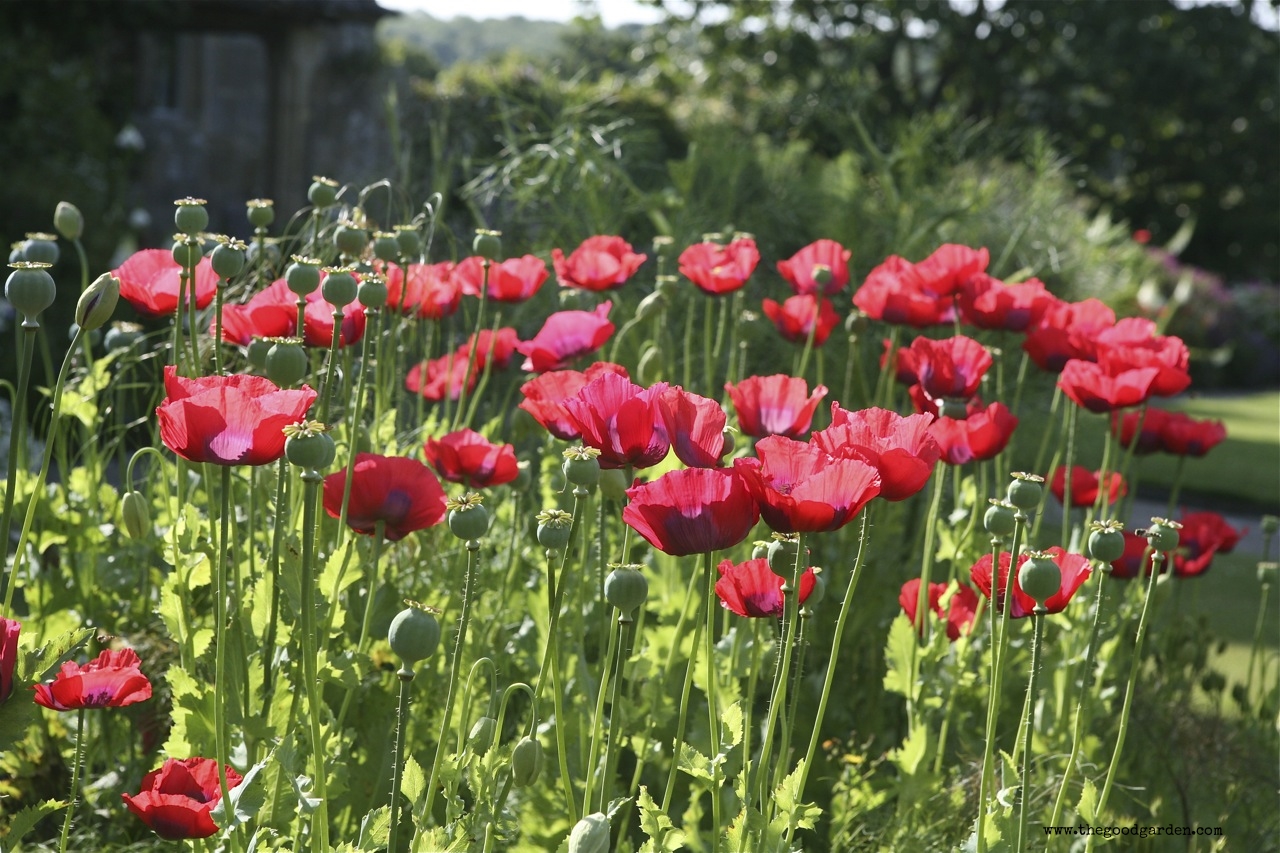
Though I am mostly interested in how garden designers create integrated compositions, occasionally I am drawn to a particular plant, and I can’t rest until I find a suitable spot for it.  My latest plant-fatuation is the hellebore.  I first noticed it in my neighbor Marcie’s summer garden and fell for its deep green foliage.  Recently I came across it at the Atlanta History Center where it was among the first things in bloom in their wild woodlands.  What a pretty face.  Hellebores are vigorous plants that do well even in dry shade, a rarity.

To make this plant more intriguing, hellebores contain the toxin protoanemonin which can be lethal and for a time thought to have medicinal properties.

According to Greek legend, hellebores cure insanity but require extreme care.  When digging them up, Pliny, the Roman naturalist, instructs gardeners to “draw a circle around the plant, face East, and offer a prayer.”  If an eagle sees you digging one up, though, it will kill you. 

The ancient city of Krissa was defeated when enemies contaminated its water supply with hellebore roots.

The hellebore’s medicinal qualities brought it to the cloister garden.  Supposedly good for black bile and melancholy, toothaches, and ear infections.  Cloister garden expert Deidre Larkin wrote about this in her blog post "Hell flowers." 

Best of all, hellebore roots are said to have the power to make you invisible!  The roots must be ground up first, then thrown into the air.  Walking through the dust apparently does the trick.

In any case, the hellebore has put a spell on me and I am working to find the right place to introduce it to my garden.


In Wild Tags hellebore, Atlanta History Museum, Atlanta, Georgia
2 Comments
thegoodgarden|gravetye|148.jpg
thegoodgarden|gravetye|4208.jpg
thegoodgarden|gravetye|4254.jpg
thegoodgarden|gravetye|226.jpg
thegoodgarden|gravetye|058.jpg
thegoodgarden|gravetye|077.jpg
thegoodgarden|gravetye|4074.jpg
thegoodgarden|gravetye|093.jpg
thegoodgarden|gravetye|148.jpg thegoodgarden|gravetye|4208.jpg thegoodgarden|gravetye|4254.jpg thegoodgarden|gravetye|226.jpg thegoodgarden|gravetye|058.jpg thegoodgarden|gravetye|077.jpg thegoodgarden|gravetye|4074.jpg thegoodgarden|gravetye|093.jpg

The wild garden

David March 11, 2015

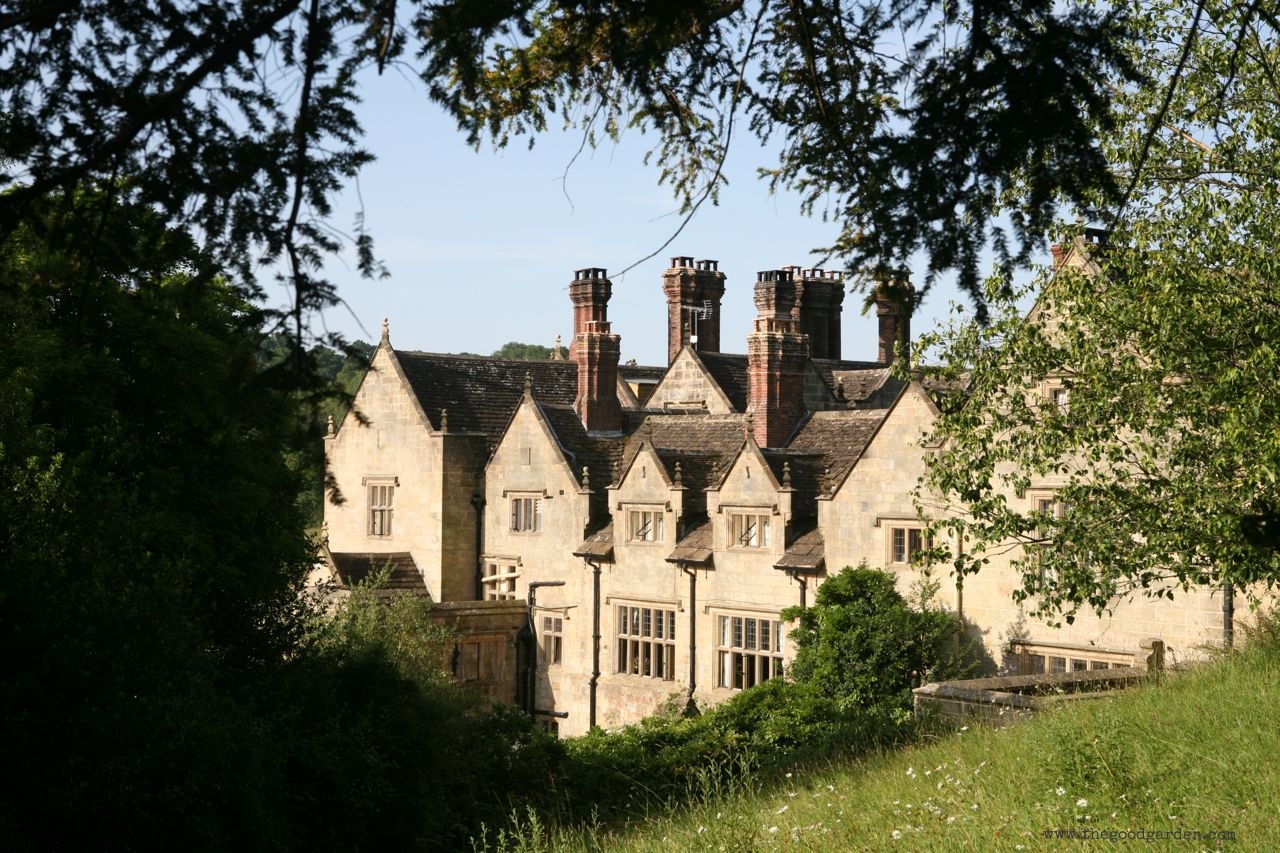
In the 1800’s a powerful change in garden styles came from a gardener named William Robinson, and his garden called Gravetye.

To appreciate how innovative this new style was it is useful to consider that at this time there were a few dominant garden styles: idealized nature in the Chinese and picturesque garden, rigid geometry in the formal garden, exotic plant displays in the gardenesque garden.  In some ways, the wild garden combined the best of each, but its real innovation was in using exotics in naturalistic ways.  Particularly in Europe, this meant planting non-native plants -- not as specimens, but as integral parts of compositions, as they might be seen in the wild.  Robinson described his view of the wild garden as "placing perfectly hardy plants in places they will take care of themselves."

51kTgSbChOL._UY250_.jpg

To promote this approach, Robinson wrote The Wild Garden in England.  And he created his own garden, Gravetye, as an example.  His garden has each of the elements of the wild garden: close to the house geometric planting beds are stuffed with sun loving native and wild plant species; beyond the house he created a mixed meadow; in the distance there is a pond for water loving plants; and a woodland area beckons to shade lovers.

Today, Gravetye is open to the public as a luxury bed and breakfast.   The property sits at the end of a narrow country lane in the swanky West Sussex area outside of London.  Once you get there, time slows down and you are transported to 1860.  This means no air conditioning in the summer, but breakfast and plenty of champagne in the glorious garden.  The garden is inspirational.  One of my favorite memories was that rooms include a copy of his "plant book".  This means being able to stroll the garden as Robinson himself describes what he was thinking as he created each section.  This garden will always stay in my mind.


Portrait of  Robinson from the National Botanic Gardens of Ireland. Source: americangardening.net 

Portrait of  Robinson from the National Botanic Gardens of Ireland. Source: americangardening.net 

In Wild Tags Gravetye, UK, William Robinson, Wild garden, plant ideas, garden ideas, West Sussex, garden design
4 Comments
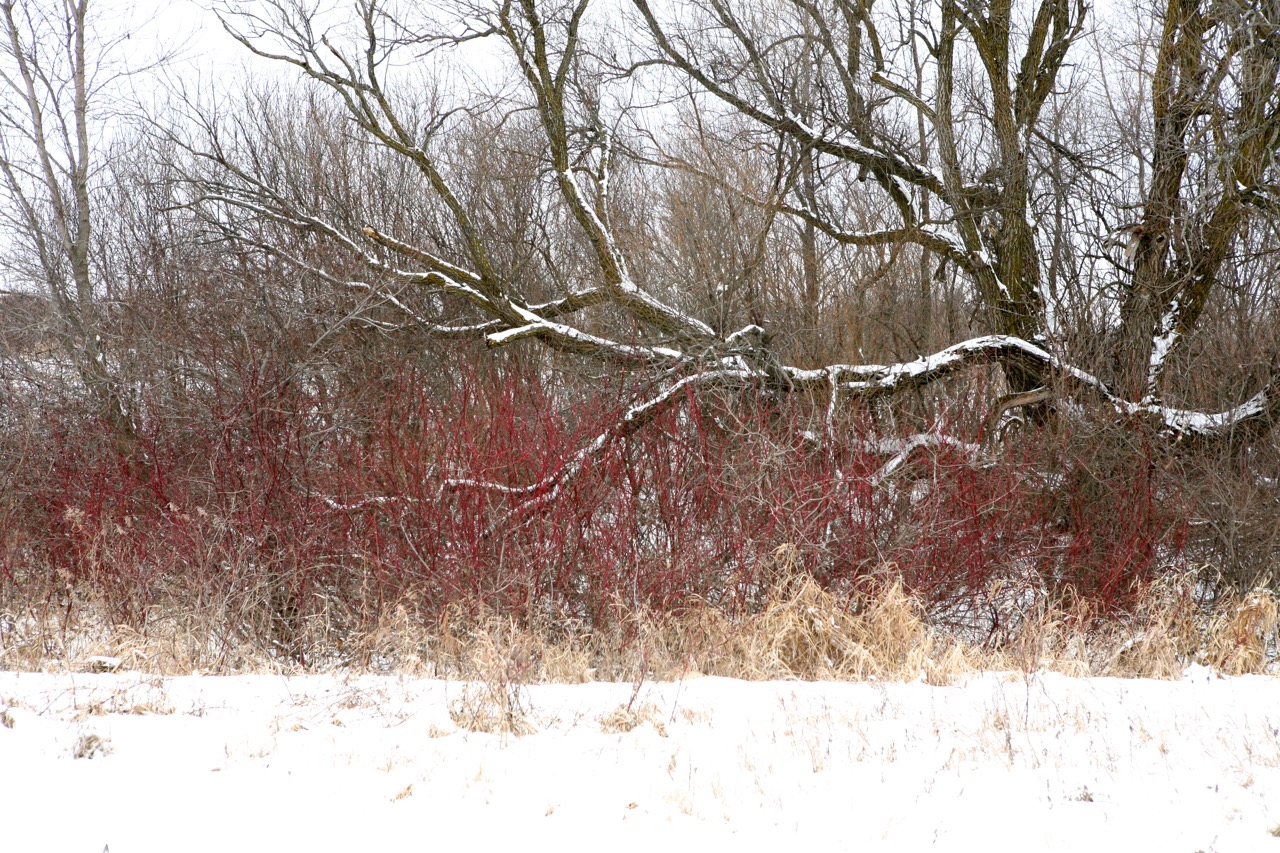
 Red twig dogwood contrast nicely with Timothy grass in Jim's Center garden.

Red twig dogwood contrast nicely with Timothy grass in Jim's Center garden.

 Anemones take on a new look in the winter, here in Marcie's Appleton garden.

Anemones take on a new look in the winter, here in Marcie's Appleton garden.

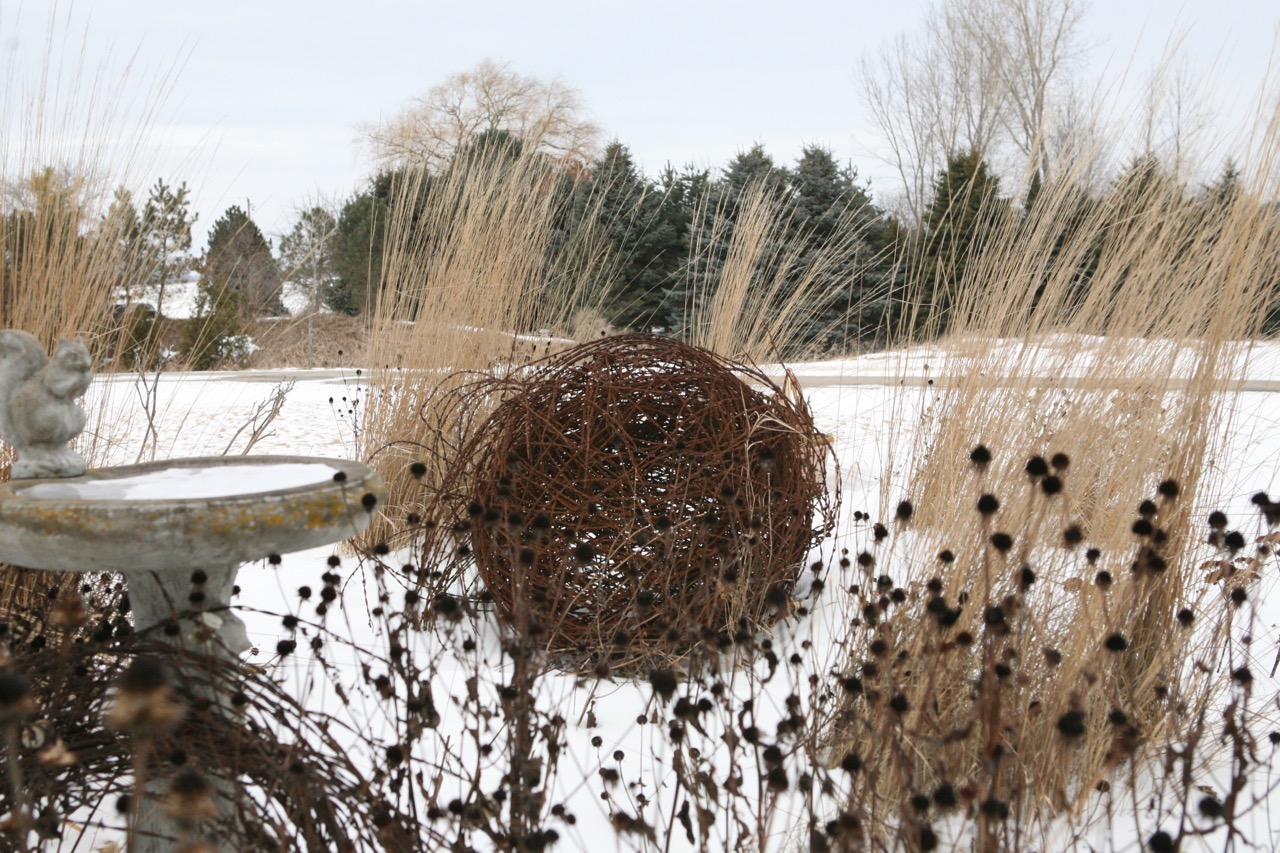
 One of a series of barbed wire balls that were originally part of the farm but discarded.  As ornaments they connect the garden with its past.

One of a series of barbed wire balls that were originally part of the farm but discarded.  As ornaments they connect the garden with its past.

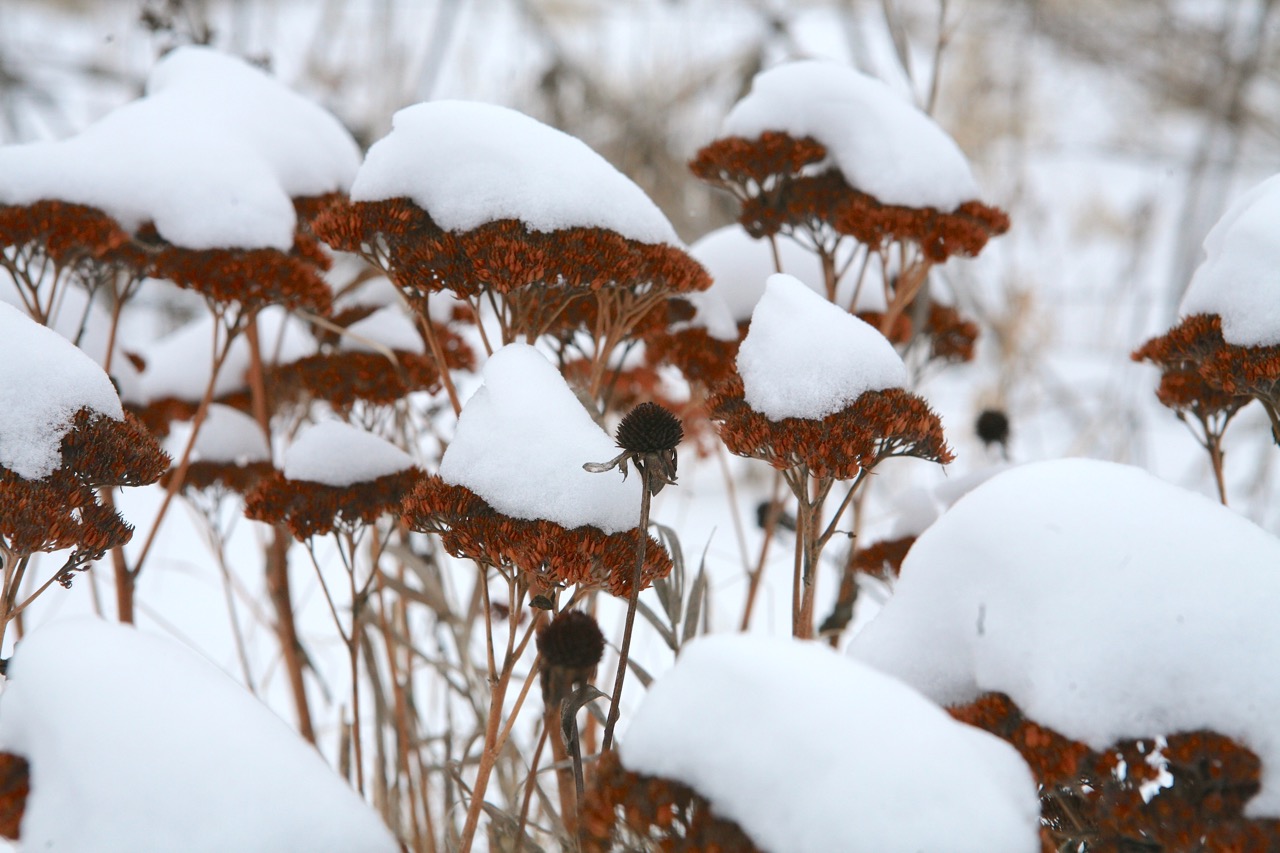
 Nature plays a role in the design with black-eyed susans finding their way into this cluster of Sedum in Jim's garden.

Nature plays a role in the design with black-eyed susans finding their way into this cluster of Sedum in Jim's garden.

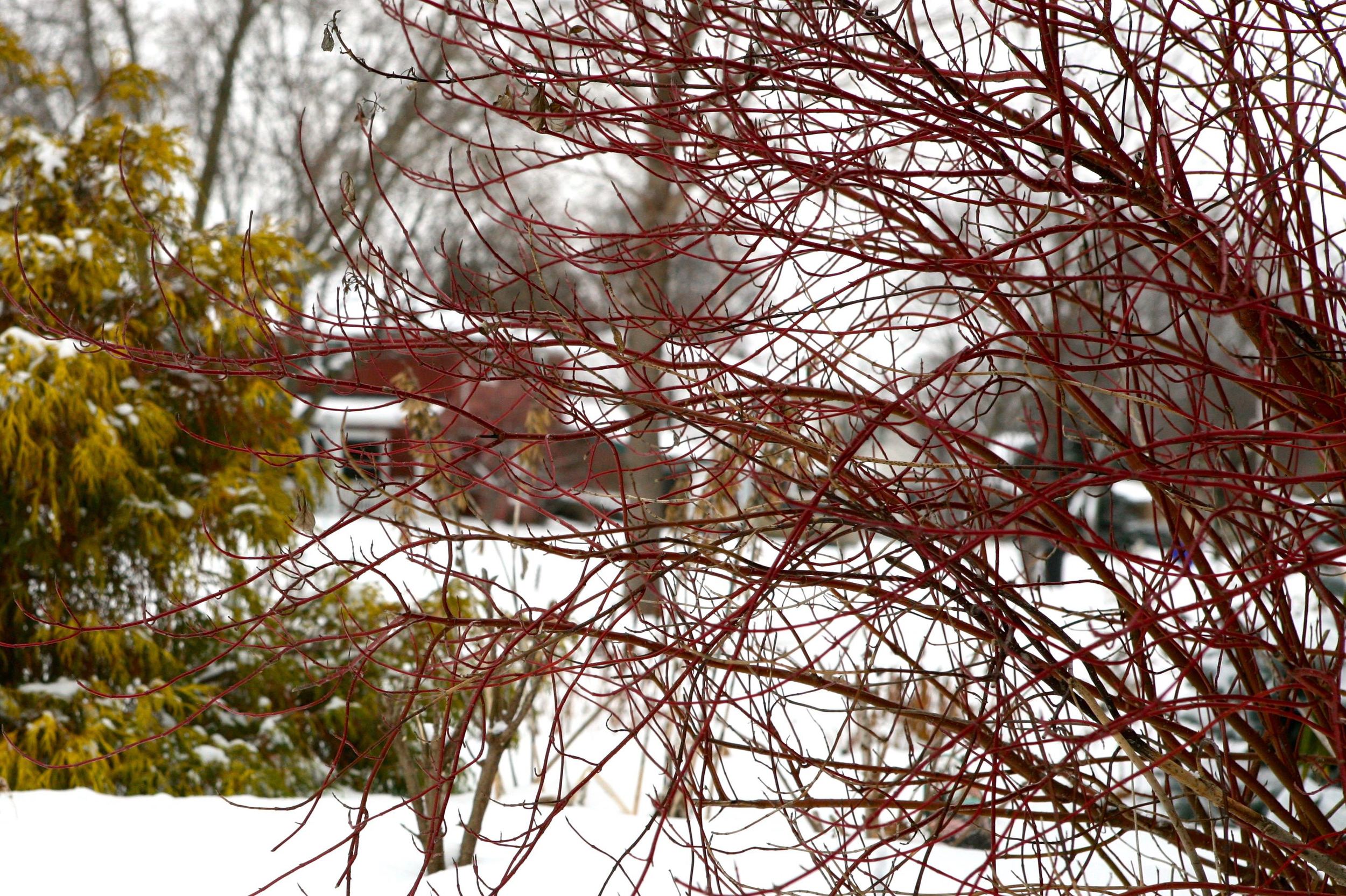
 Red-twig dogwood provides interest all winter in Marcie's garden.

Red-twig dogwood provides interest all winter in Marcie's garden.

 A vintage reflecting ball ornament lights up Jim's winter garden.

A vintage reflecting ball ornament lights up Jim's winter garden.

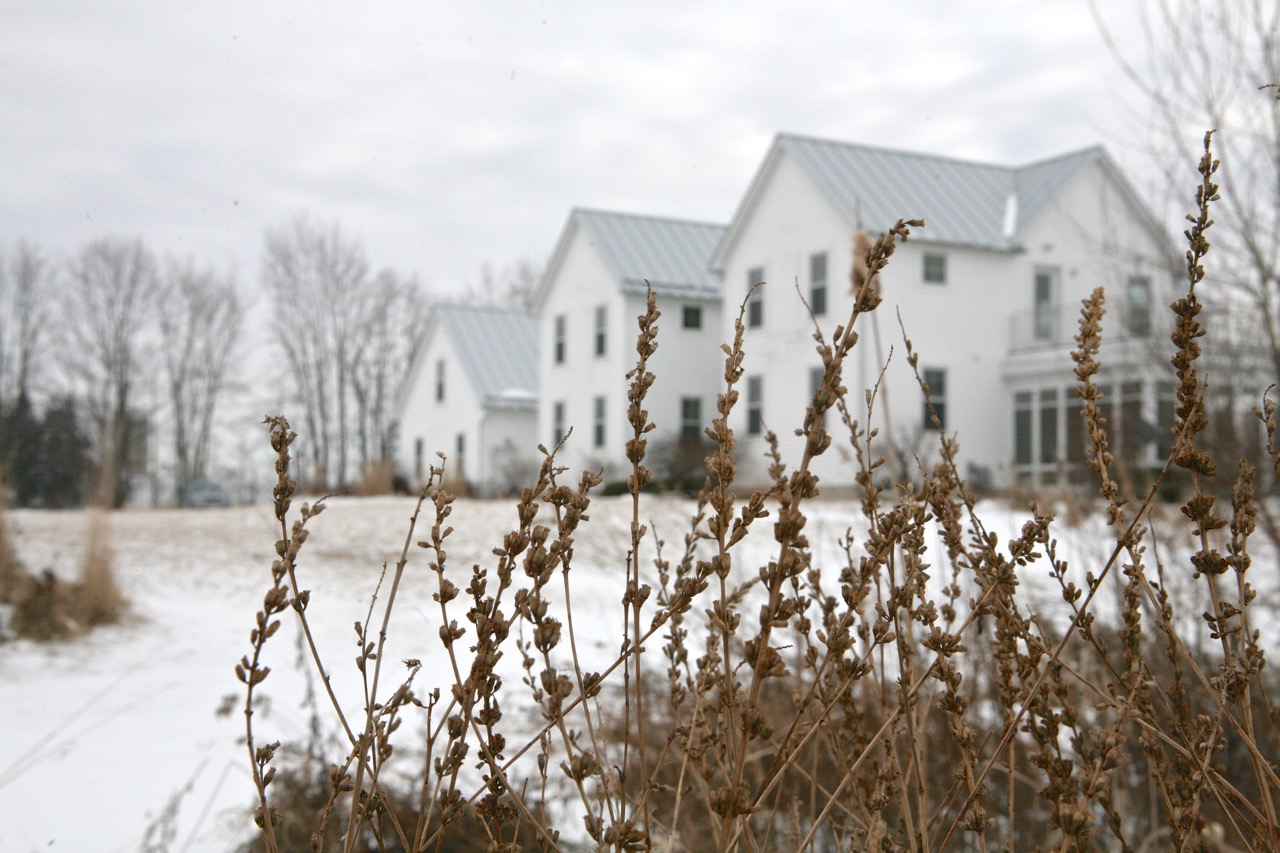
 Jim's modern farmhouse in a meadow of Timothy grass and other prairie plants.

Jim's modern farmhouse in a meadow of Timothy grass and other prairie plants.

 Red twig dogwood contrast nicely with Timothy grass in Jim's Center garden.  Anemones take on a new look in the winter, here in Marcie's Appleton garden.  One of a series of barbed wire balls that were originally part of the farm but discarded.  As ornaments they connect the garden with its past.  Nature plays a role in the design with black-eyed susans finding their way into this cluster of Sedum in Jim's garden.  Red-twig dogwood provides interest all winter in Marcie's garden.  A vintage reflecting ball ornament lights up Jim's winter garden.  Jim's modern farmhouse in a meadow of Timothy grass and other prairie plants.

Winter inspiration next door

David March 4, 2015

Winter is a good time to reflect on the magic of historic gardens to sharpen ideas for next season.  This year, however, I am taking a short break from garden history to get inspiration from local gardens and gardeners.   

I recently had the opportunity to visit with gardening friends in my own town to learn about their design inspiration, plant choices, and the merits of plant sharing. We talked about the power of childhood memories, embracing plants that are doing well in our gardens, and experimentation.

See the full column in the Post-Crescent to get the whole story.

With spring garden chores around the corner, now is a great time to get out and seek inspiration from our neighbor's gardens.  It may be hard to believe, but time's running out.


Click here to view article as it ran in The Post-Crescent.

Click here to view article as it ran in The Post-Crescent.


In Wild, Picturesque Tags Garden inspiration, garden ideas, garden ornament, plant ideas, Winter garden, Private Appleton Gardens, Jim Mahn, Marcie Burrows
2 Comments
  • Blog
  • Older
  • Newer
Subscribe
Garden stories
 
facebook email
  • Policies
  • Contact
  • Subscribe
Garden stories

©2025 David Calle. The Good Garden.

the good garden

garden history, design inspiration

facebook email