the good garden

garden history, design inspiration
  • Home
  • My story
  • Talks and Articles
  • Resources
    • Places
    • Styles
    • Books, Video, Websites
  • Home
  • My story
  • Talks and Articles
    • Places
    • Styles
    • Books, Video, Websites

Blog

The good garden blog is about sharing garden inspiration and ideas from historic gardens around the world and some right next door.  Garden stories explore garden history, design, and the garden people behind famous and not-so-famous gardens.  My garden photographs span dozens of places across 5 continents.  Please join me in celebrating good garden design.

  • All
  • Arts and crafts
  • Chinese
  • Cloister
  • French formal
  • Gardenesque
  • Islamic
  • Italian renaissance
  • Japanese
  • Modernist
  • Picturesque
  • Roman
  • Thai
  • Vegetable
  • Wild
thegoodgarden|rhododendrongarden|seattle||3134.jpg
thegoodgarden|rhododendrongarden|seattle||2654.jpg
thegoodgarden|rhododendrongarden|seattle||2651.jpg
thegoodgarden|rhododendrongarden|seattle||2653.jpg
thegoodgarden|rhododendrongarden|seattle||2641.jpg
thegoodgarden|rhododendrongarden|seattle||3134.jpg thegoodgarden|rhododendrongarden|seattle||2654.jpg thegoodgarden|rhododendrongarden|seattle||2651.jpg thegoodgarden|rhododendrongarden|seattle||2653.jpg thegoodgarden|rhododendrongarden|seattle||2641.jpg

Legend of the blue poppy

David May 12, 2015

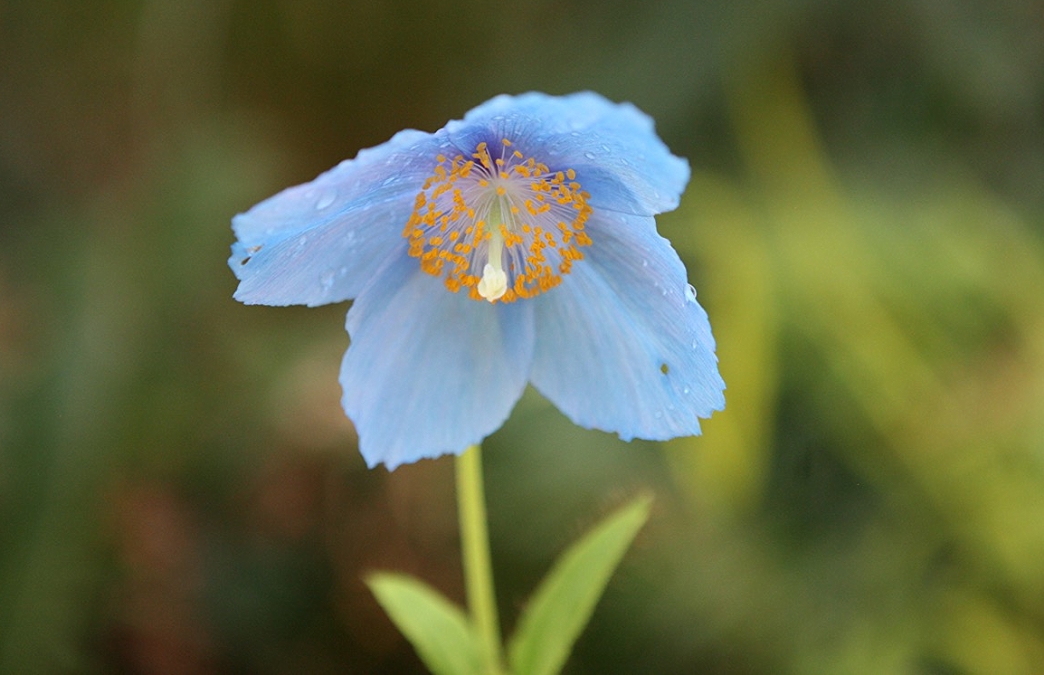
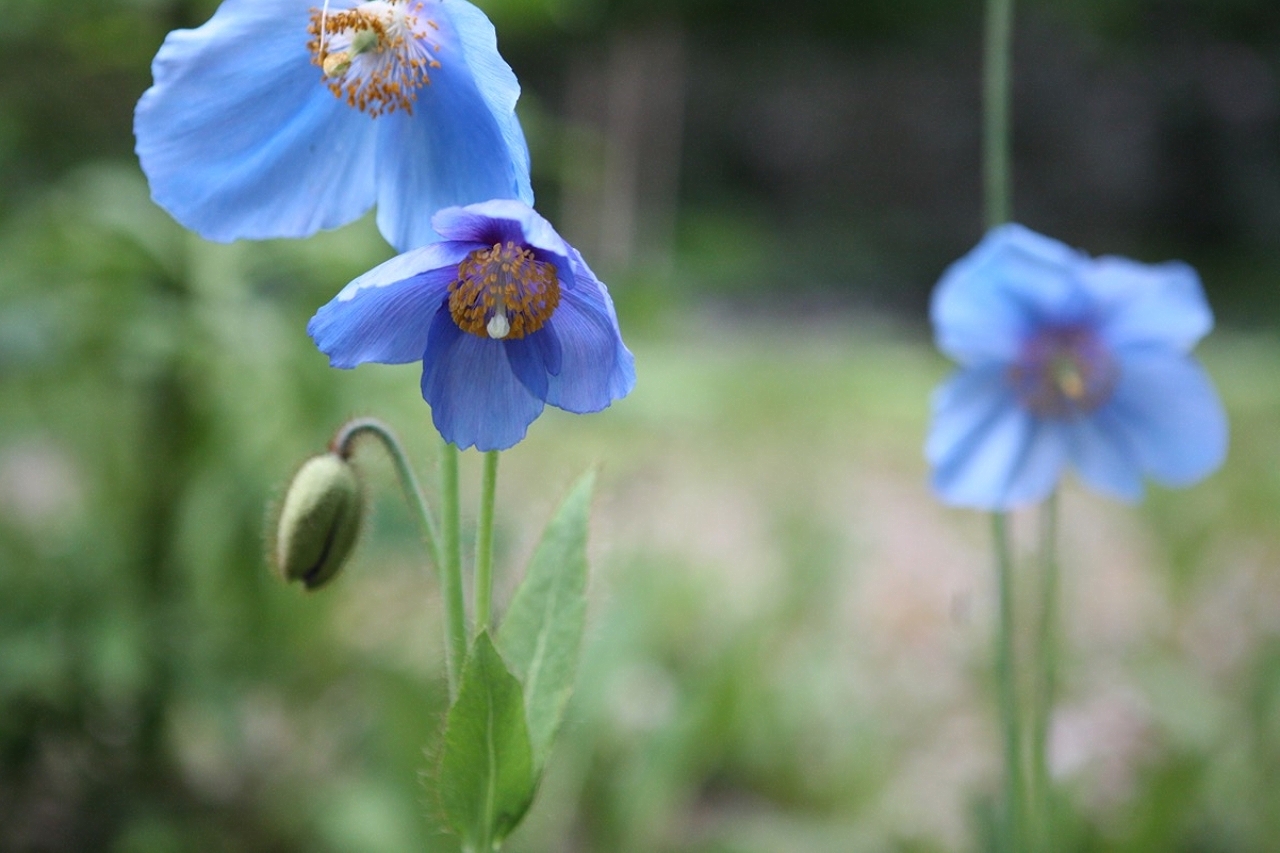
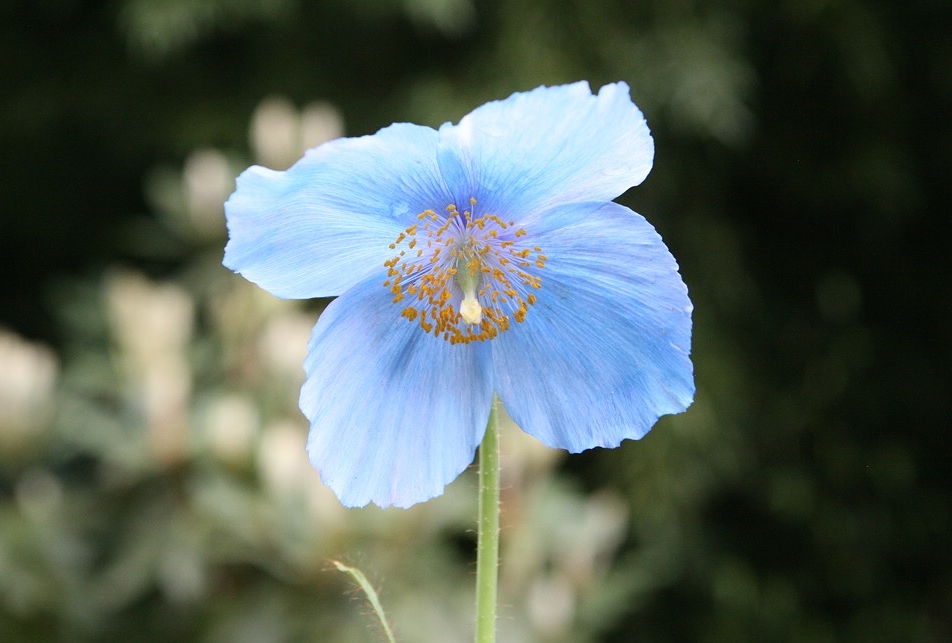
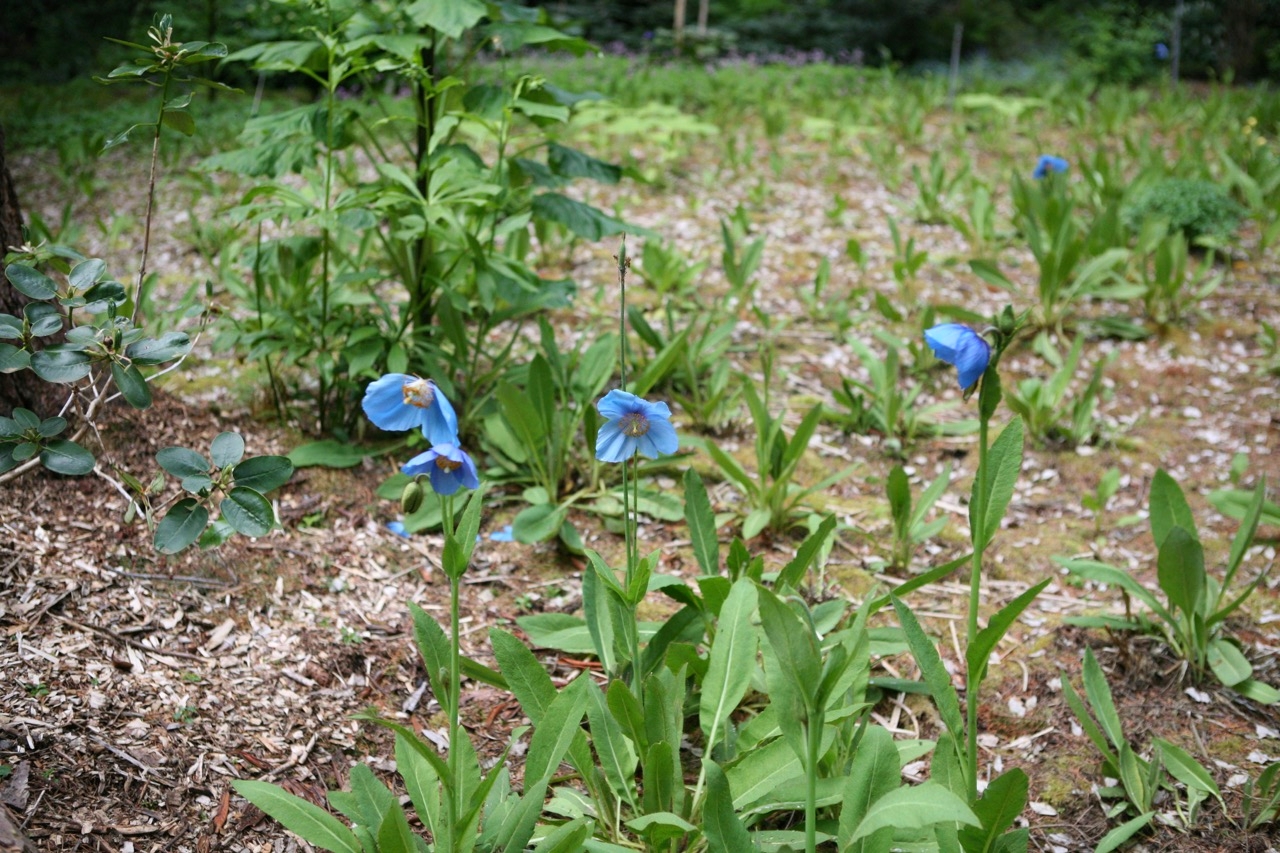
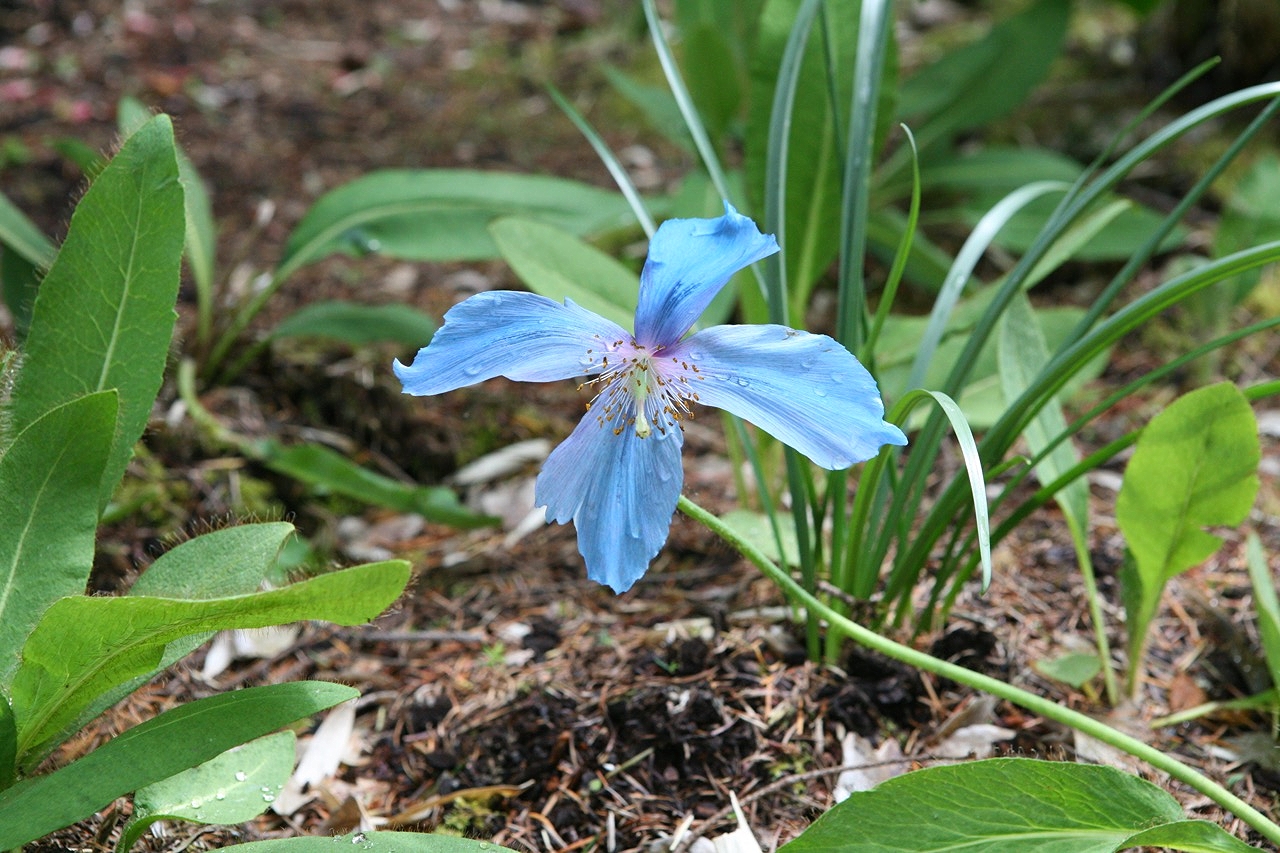
I’ve just seen my first blue poppies at the Rhododendron Species Botanical Garden!  Their color, a fluorescent blue, is so unusual that at first I thought that they were plastic.  The definition of simplicity, each flower just has 4 petals that frame a white pistil and a spray of golden anthers.

The Rhododendron Species Botanical Garden, located outside of Seattle in Federal Way, was founded in 1964 in order to preserve rhododendron from North America, Asia, Australia, and Europe, particularly important given the loss of natural habitat in many parts of the world.  In the US alone, over 20% of rhododendron species are facing extinction and this garden is the only botanical garden dedicated exclusively to preserving them.
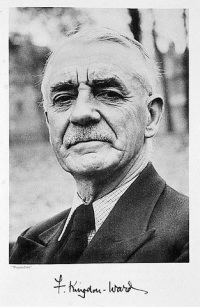
Plant hunter Frank Kingdon-Ward

Plant hunter Frank Kingdon-Ward

Arranged in a picturesque setting along curving paths, this garden showcases 700 out of the world’s 1,000 rhododendron species.  And to complement the “rhody’s,” the garden also features companion plants.  During my visit last week it was one of these, the blue poppy, that caught my attention.  

Native to the high altitude Himalaya’s, the blue poppy is extremely rare.  So few had seen one that for a time some questioned whether it existed.

It requires moist well-drained soil in a partially shaded spot protected from the wind. A poppy plant will often die after their first flowering so growers recommend sacrificing the first year’s flowers for hopes of some in subsequent years.  And slugs love them.

Then we come to their unique color.  For starters, less than 10% of flowering plants have blue flowers.  According to David Lee, author of Nature’s Palette: The Science of Plant Color, “There is no true blue pigment in plants, so plants don’t have a direct way of making a blue color.  Plants tweak… pigments to make blue flowers… through a variety of modifications involving pH shifts and mixing of pigments, molecules and ions.”

The flower’s history is tied to plant hunter Frank Kingdon-Ward, the first to export a viable seed. In 1913 he wrote In the Land of the Blue Poppies: Travels of a Naturalist in Eastern Tibet, “up here, at 17,000 feet, springing from amongst huge blocks of grey stone, I found the glorious Cambridge blue poppywort, one of the most beautiful flowers in existence…”  Through his many books he takes us along on adventures to some of the most remote parts of the planet.

Blue poppies bloom for about 3 weeks, so hurry out to the Rhododendron Species Botanical Garden to catch them while you can.  And don’t miss Blue Poppy Day at the garden this Saturday.
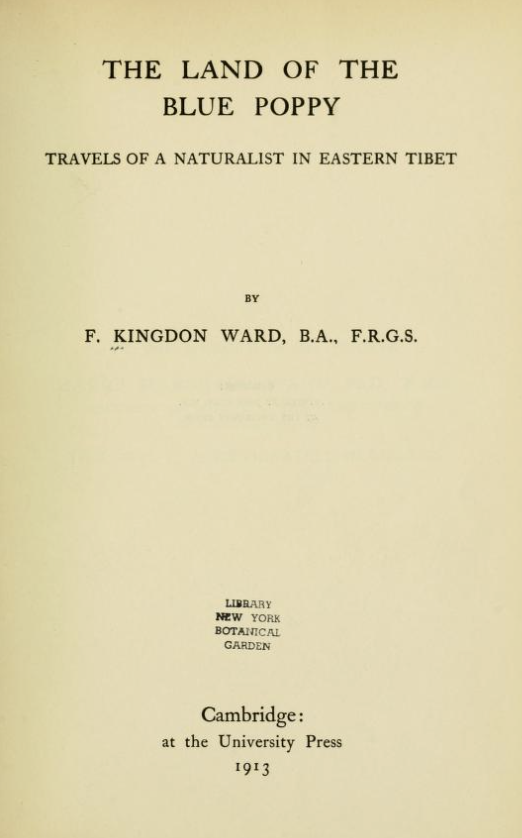
 
In the Land of the Blue Poppy (1913)

In the Land of the Blue Poppy (1913)

Photo from book. "Waterfall at T'eng-yueh, West Yunnan"
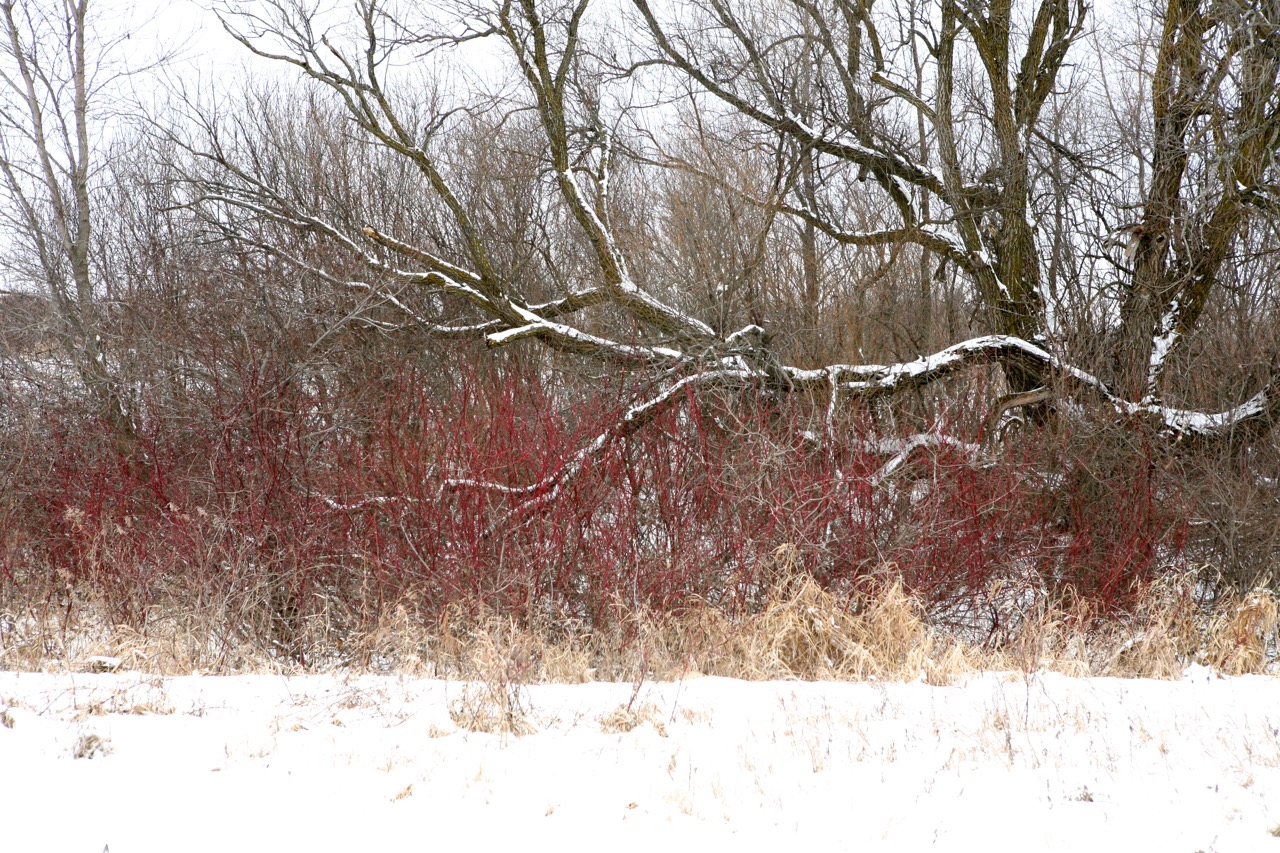
Photo from book. "Waterfall at T'eng-yueh, West Yunnan"

 
In Gardenesque, Picturesque Tags Rhododendron Species Garden, Seattle, Washington, Frank Kingdon-Ward, Blue poppy, plant hunters, plant ideas, Himalaya Blue Poppy, David Lee, Federal Way
6 Comments
 Red twig dogwood contrast nicely with Timothy grass in Jim's Center garden.

Red twig dogwood contrast nicely with Timothy grass in Jim's Center garden.

 Anemones take on a new look in the winter, here in Marcie's Appleton garden.

Anemones take on a new look in the winter, here in Marcie's Appleton garden.

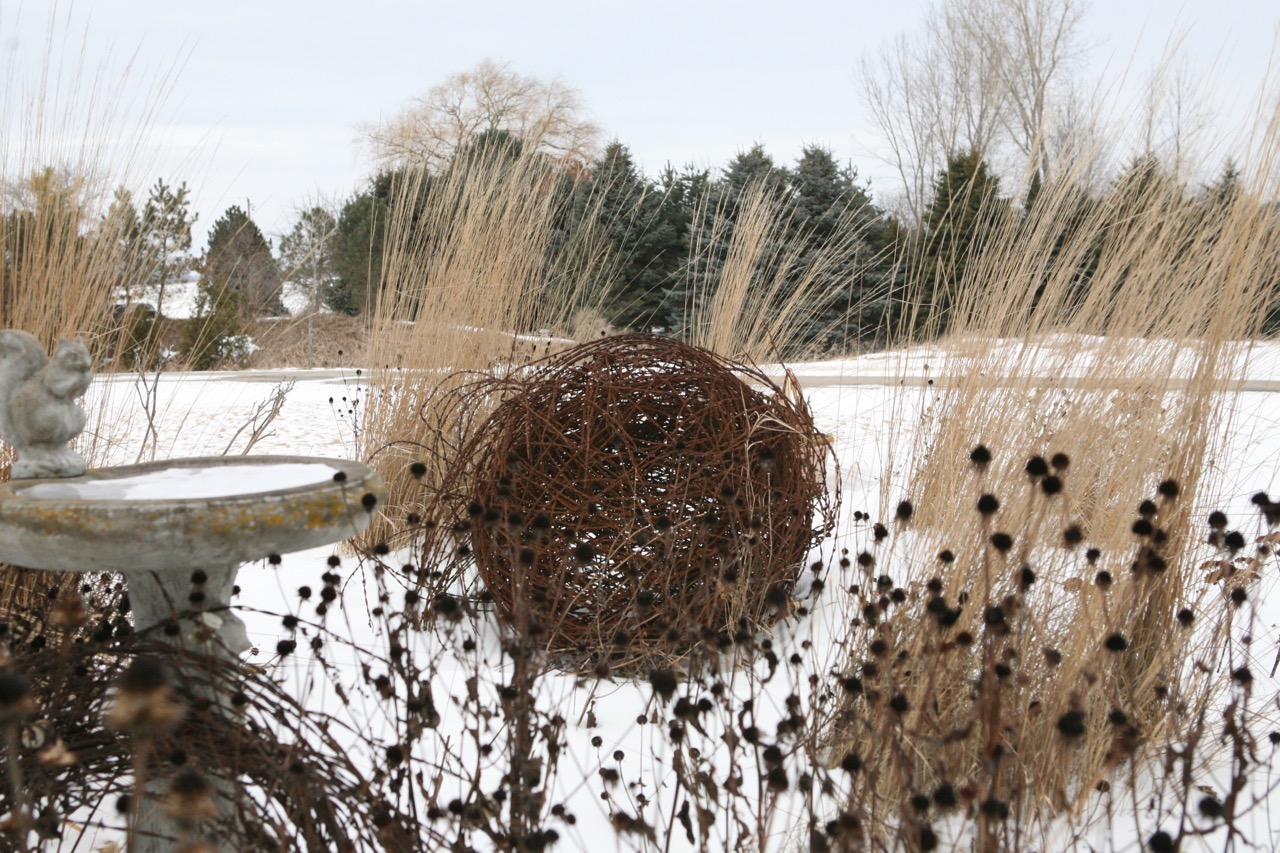
 One of a series of barbed wire balls that were originally part of the farm but discarded.  As ornaments they connect the garden with its past.

One of a series of barbed wire balls that were originally part of the farm but discarded.  As ornaments they connect the garden with its past.

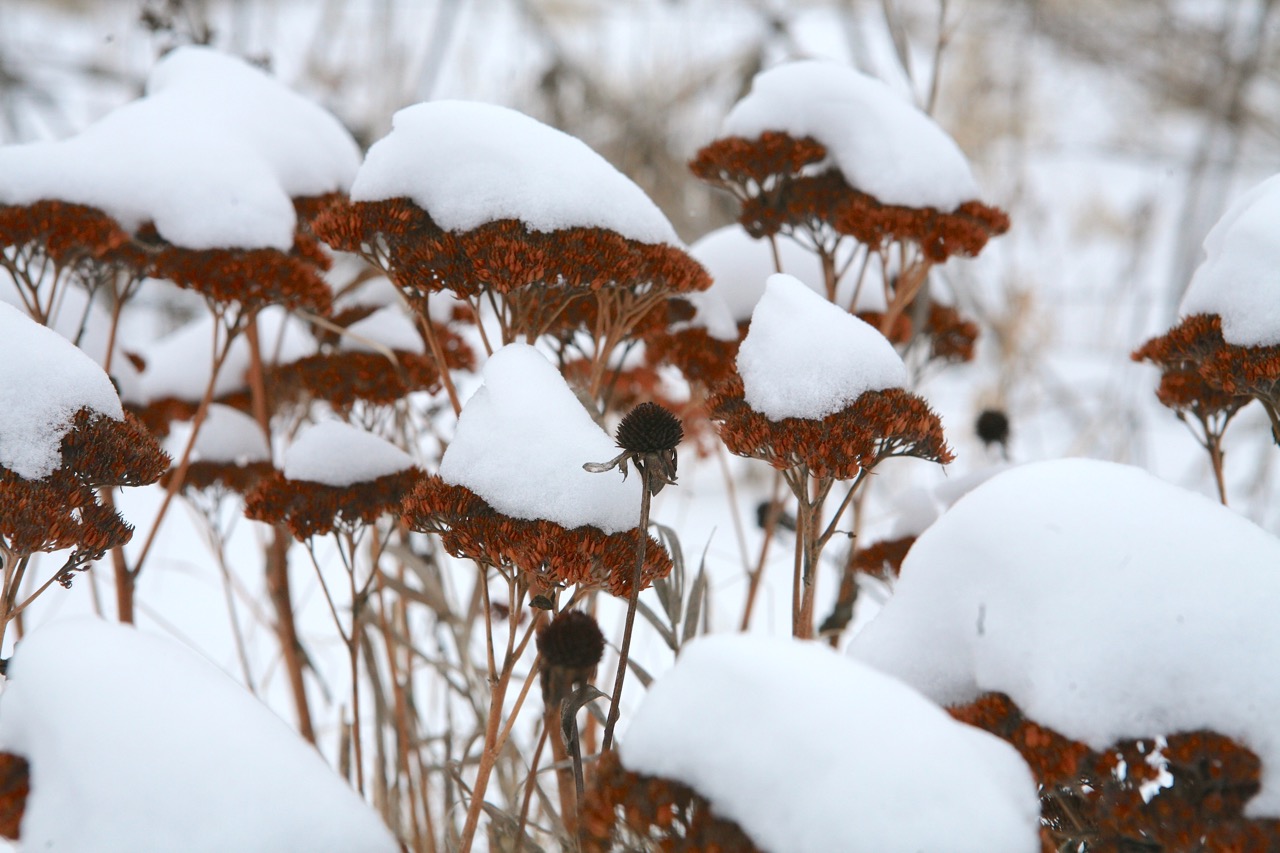
 Nature plays a role in the design with black-eyed susans finding their way into this cluster of Sedum in Jim's garden.

Nature plays a role in the design with black-eyed susans finding their way into this cluster of Sedum in Jim's garden.

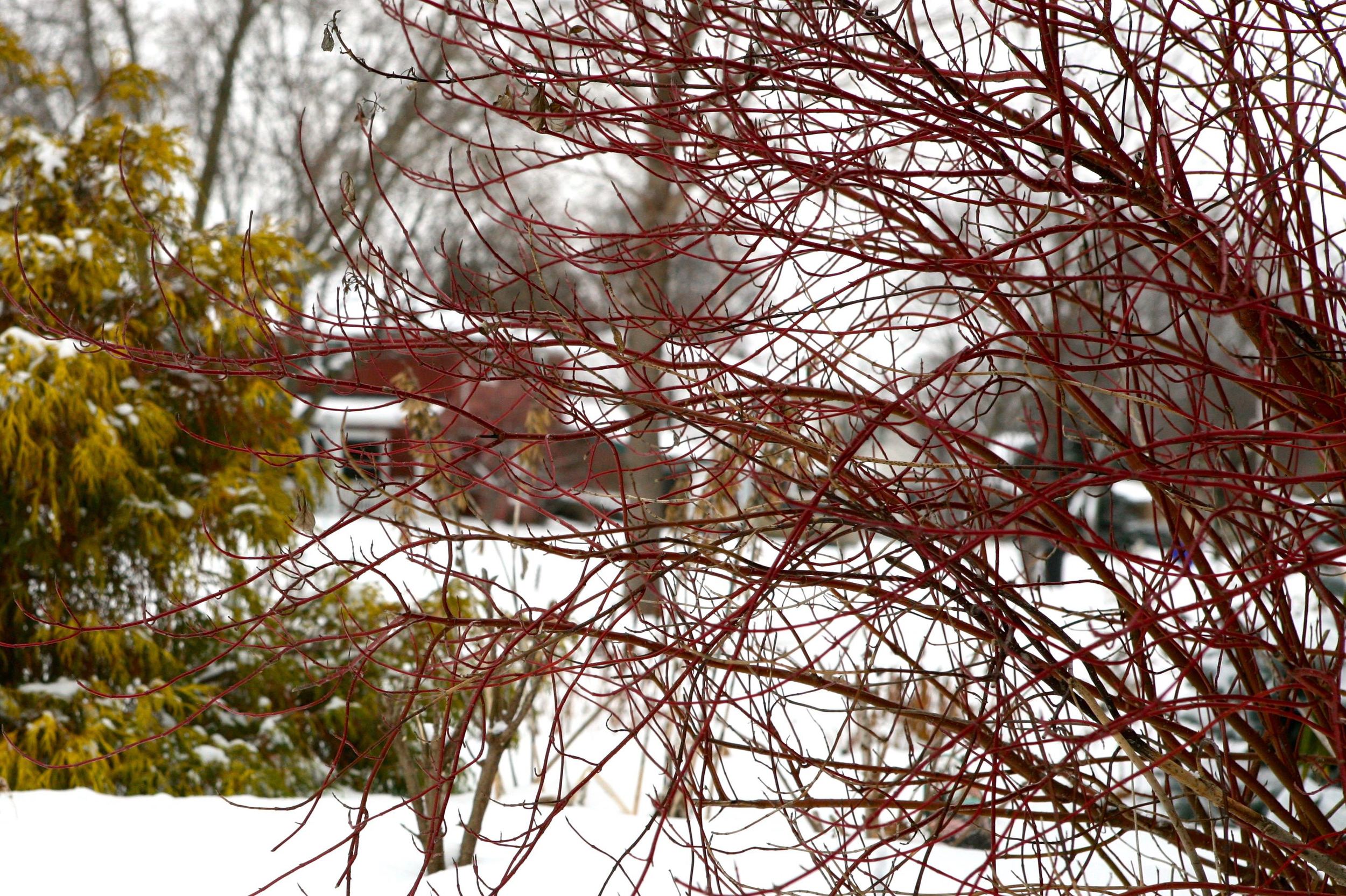
 Red-twig dogwood provides interest all winter in Marcie's garden.

Red-twig dogwood provides interest all winter in Marcie's garden.

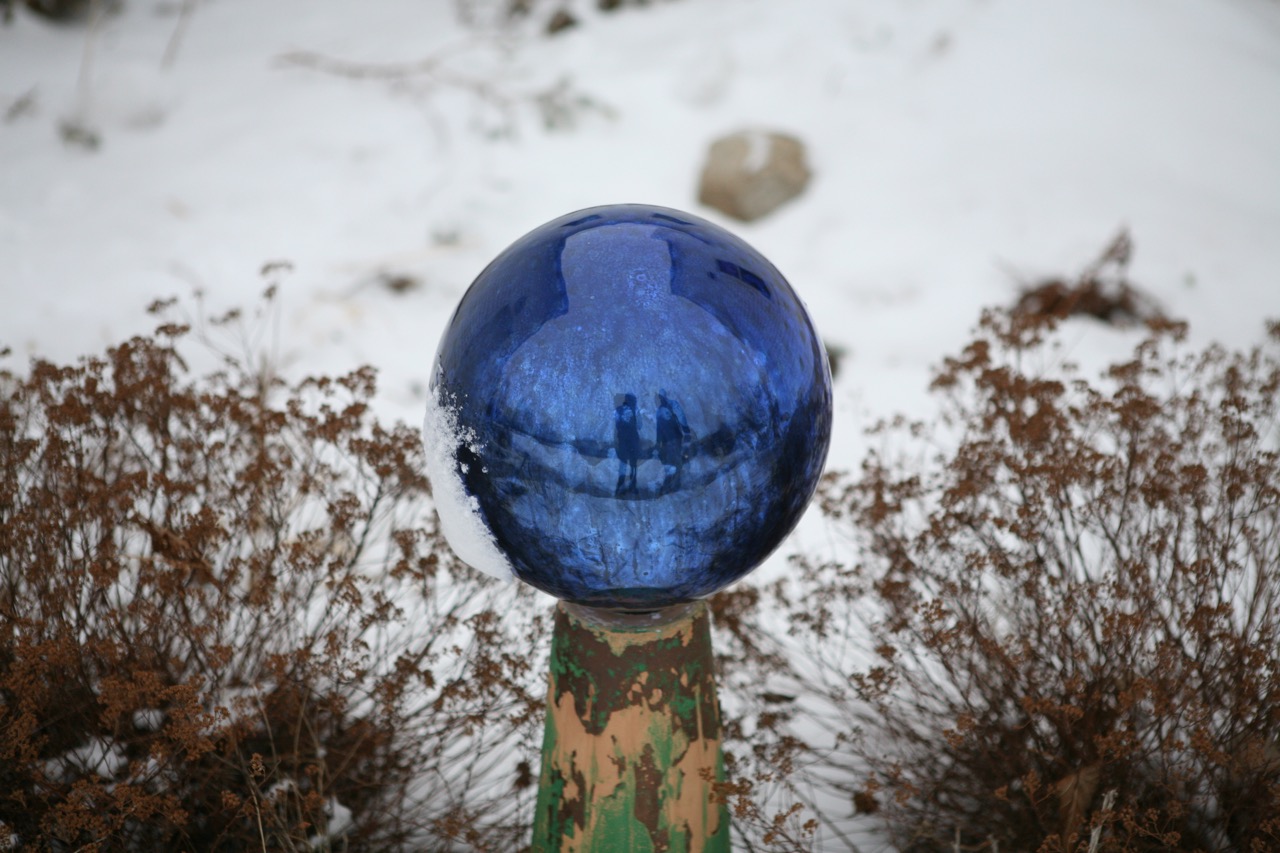
 A vintage reflecting ball ornament lights up Jim's winter garden.

A vintage reflecting ball ornament lights up Jim's winter garden.

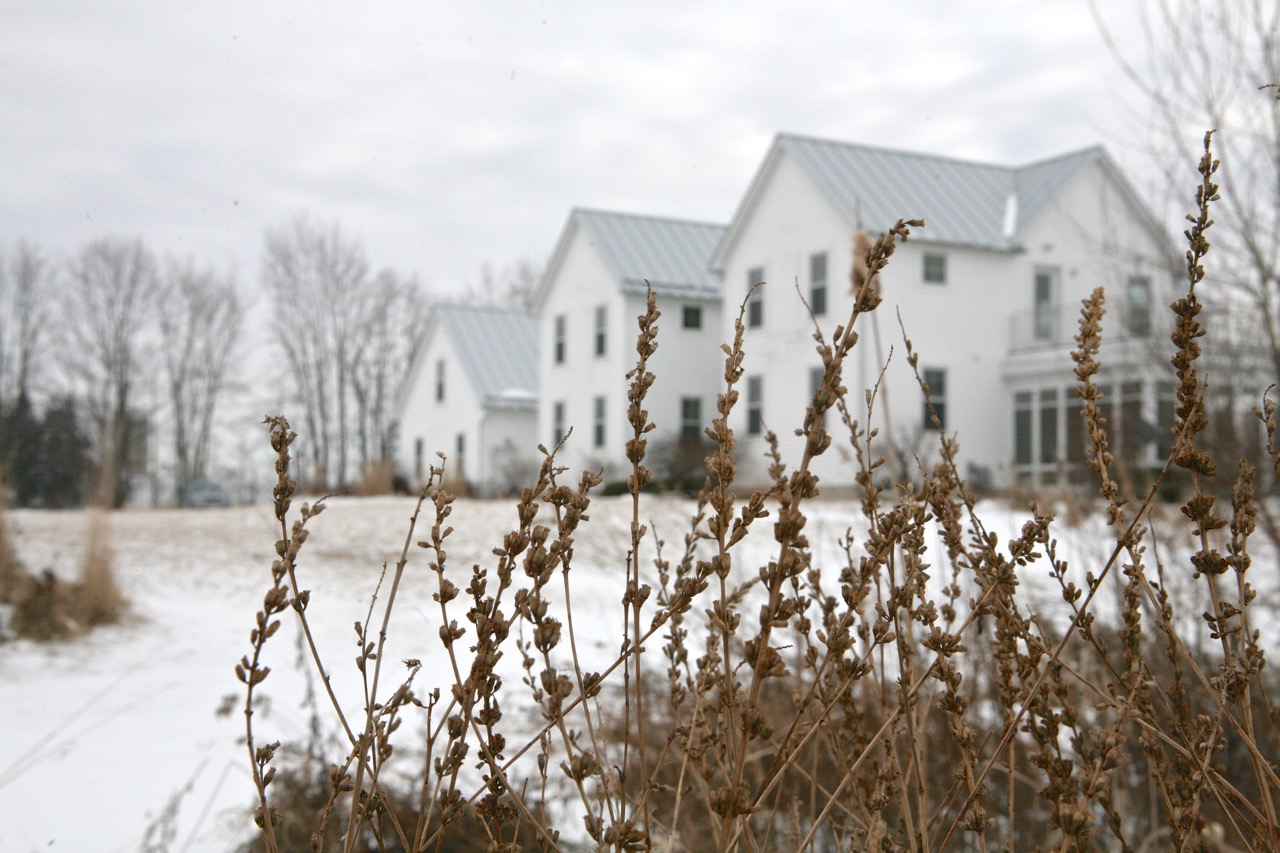
 Jim's modern farmhouse in a meadow of Timothy grass and other prairie plants.

Jim's modern farmhouse in a meadow of Timothy grass and other prairie plants.

 Red twig dogwood contrast nicely with Timothy grass in Jim's Center garden.  Anemones take on a new look in the winter, here in Marcie's Appleton garden.  One of a series of barbed wire balls that were originally part of the farm but discarded.  As ornaments they connect the garden with its past.  Nature plays a role in the design with black-eyed susans finding their way into this cluster of Sedum in Jim's garden.  Red-twig dogwood provides interest all winter in Marcie's garden.  A vintage reflecting ball ornament lights up Jim's winter garden.  Jim's modern farmhouse in a meadow of Timothy grass and other prairie plants.

Winter inspiration next door

David March 4, 2015

Winter is a good time to reflect on the magic of historic gardens to sharpen ideas for next season.  This year, however, I am taking a short break from garden history to get inspiration from local gardens and gardeners.   

I recently had the opportunity to visit with gardening friends in my own town to learn about their design inspiration, plant choices, and the merits of plant sharing. We talked about the power of childhood memories, embracing plants that are doing well in our gardens, and experimentation.

See the full column in the Post-Crescent to get the whole story.

With spring garden chores around the corner, now is a great time to get out and seek inspiration from our neighbor's gardens.  It may be hard to believe, but time's running out.


Click here to view article as it ran in The Post-Crescent.

Click here to view article as it ran in The Post-Crescent.


In Wild, Picturesque Tags Garden inspiration, garden ideas, garden ornament, plant ideas, Winter garden, Private Appleton Gardens, Jim Mahn, Marcie Burrows
2 Comments
thegoodgarden|hetpark|rotterdam|2003b.jpg
thegoodgarden|hetpark|rotterdam|01997.jpg
thegoodgarden|hetpark|rotterdam|2059b.jpg
thegoodgarden|hetpark|rotterdam|02060.jpg
thegoodgarden|hetpark|rotterdam|2003b.jpg thegoodgarden|hetpark|rotterdam|01997.jpg thegoodgarden|hetpark|rotterdam|2059b.jpg thegoodgarden|hetpark|rotterdam|02060.jpg

Crocuses welcome spring

David February 25, 2015

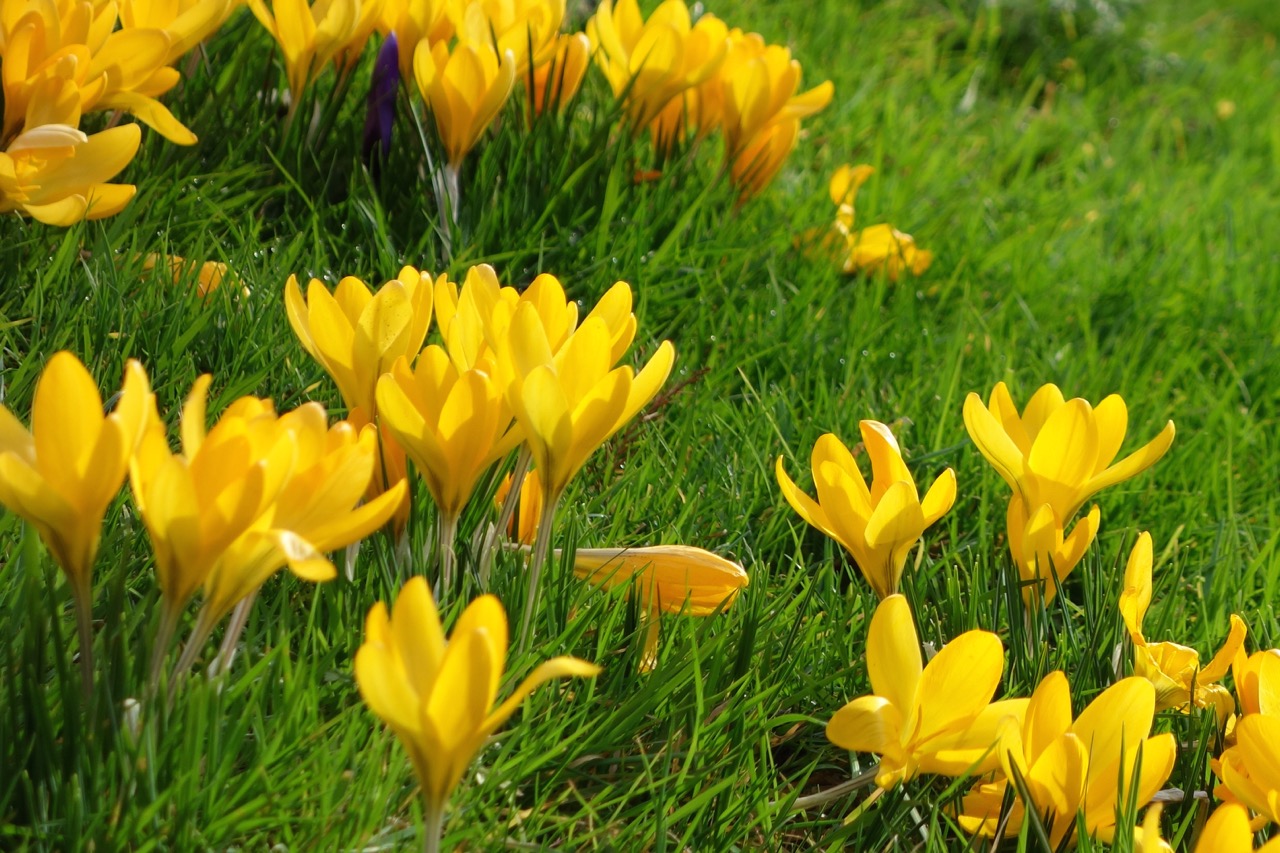
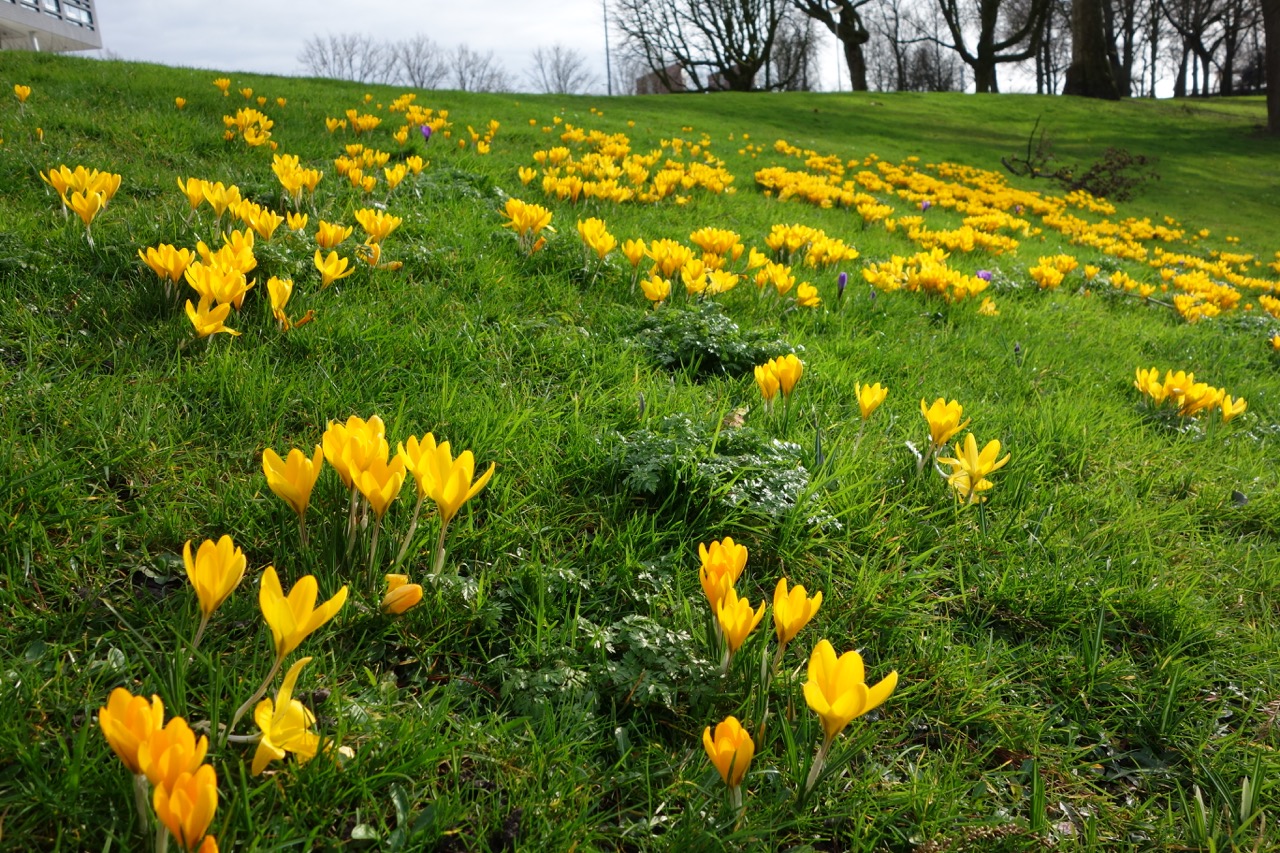
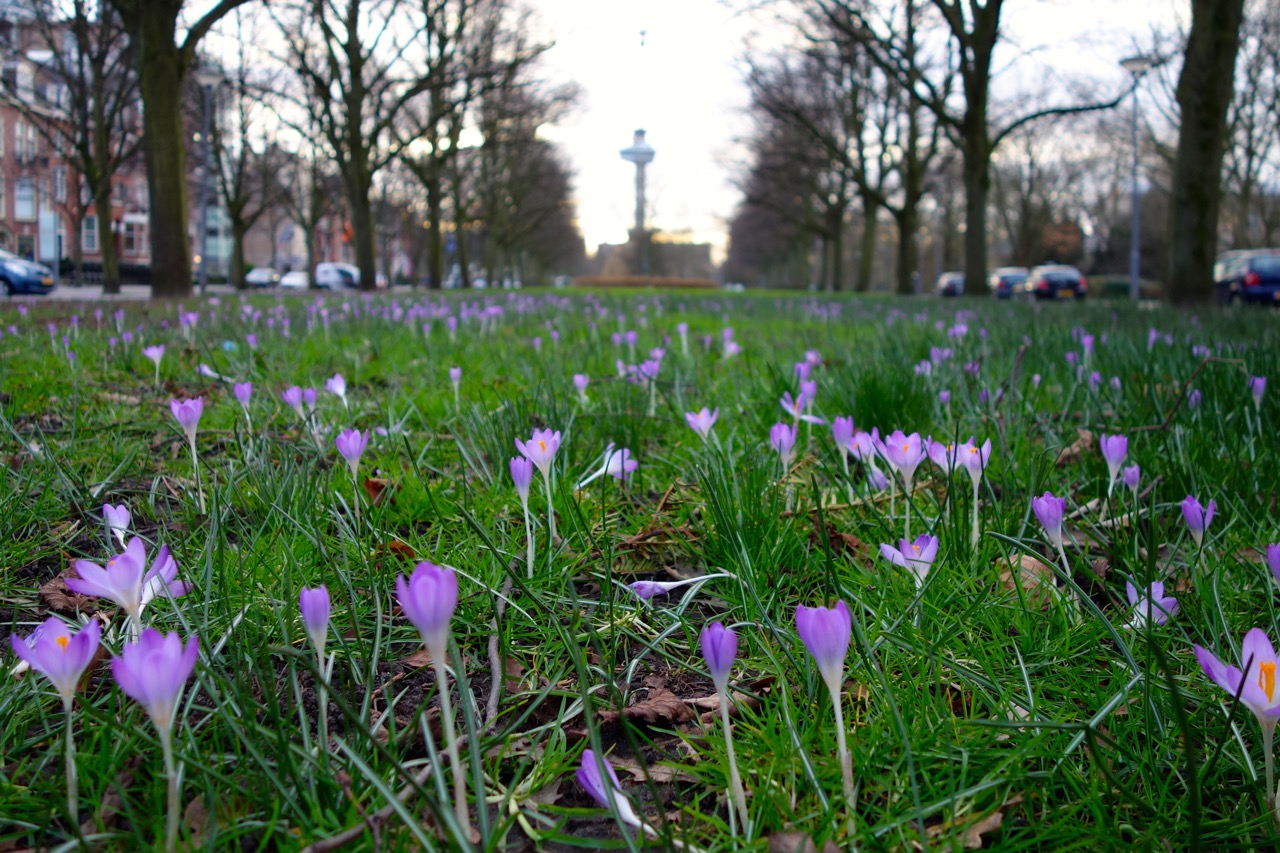
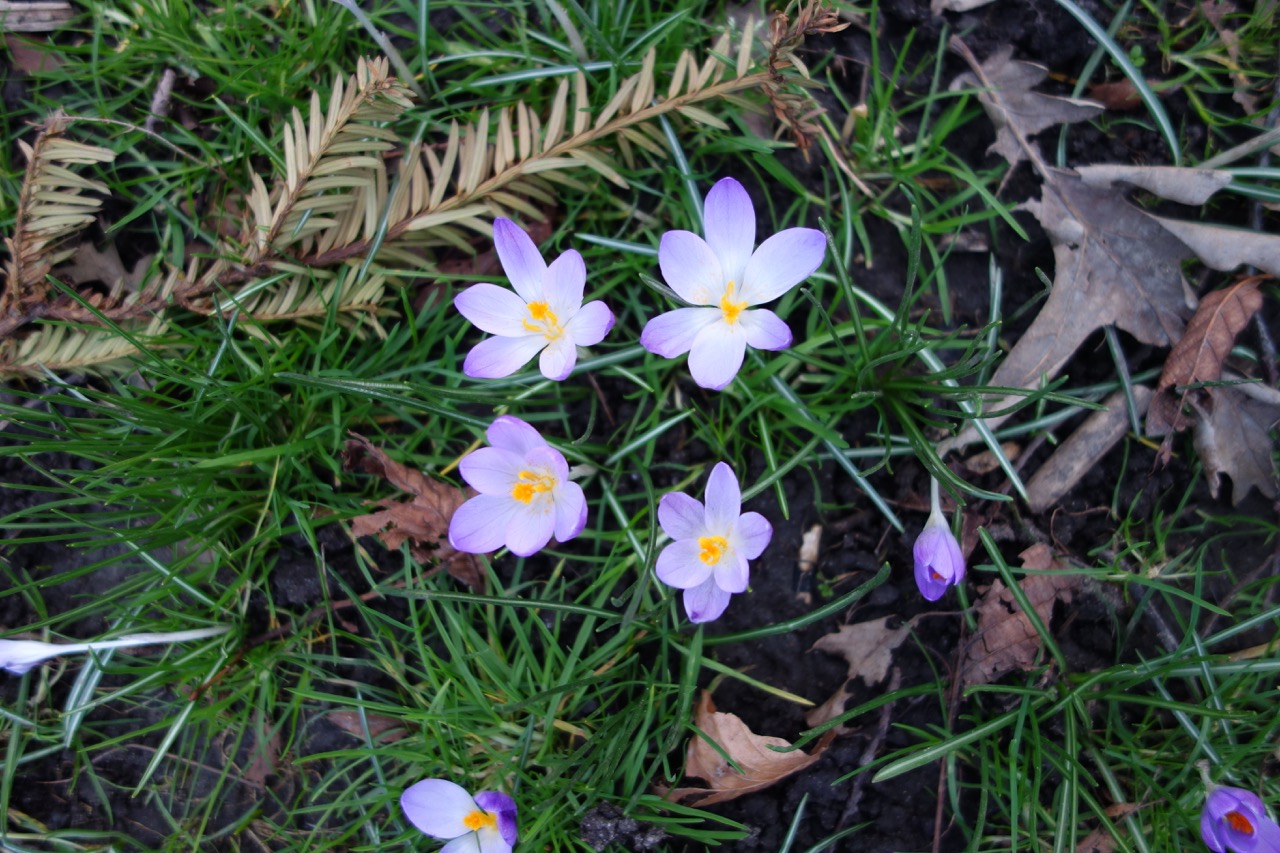
Thinking of spring.... I love how the gardeners at Het Park in Rotterdam use crocuses in naturalistic, random clusters to welcome spring.  By using only one type of crocus in each section of the garden, the result is soothing. elegant, and rhythmic.

This picturesque or English landscape style park dates from the 1850’s.  It was designed by Jan David Zocher and his son Louis Paul who started to work as a team at this time.

According to the Netherlands Architecture Institute, “Zocher’s ideal is to design building and landscape as a single entity. Which accounts for his inclination to work on many country estates, designing both the park and the house; one beautifies the other and they cannot be seen separately.”

 
2008 Book about Zocher's work.  Source:  Tuinhistorisch Genootschap Cascade

2008 Book about Zocher's work.  Source:  Tuinhistorisch Genootschap Cascade

Jan David Zocher.  Source: NAI.

Jan David Zocher.  Source: NAI.

In Picturesque Tags Het Park, Rotterdam, Netherlands, crocus, plant ideas, landscape garden
6 Comments
  • Blog
  • Older
  • Newer
Subscribe
Garden stories
 
facebook email
  • Policies
  • Contact
  • Subscribe
Garden stories

©2025 David Calle. The Good Garden.

the good garden

garden history, design inspiration

facebook email