the good garden

garden history, design inspiration
  • Home
  • My story
  • Talks and Articles
  • Resources
    • Places
    • Styles
    • Books, Video, Websites
  • Home
  • My story
  • Talks and Articles
    • Places
    • Styles
    • Books, Video, Websites

Blog

The good garden blog is about sharing garden inspiration and ideas from historic gardens around the world and some right next door.  Garden stories explore garden history, design, and the garden people behind famous and not-so-famous gardens.  My garden photographs span dozens of places across 5 continents.  Please join me in celebrating good garden design.

  • All
  • Arts and crafts
  • Chinese
  • Cloister
  • French formal
  • Gardenesque
  • Islamic
  • Italian renaissance
  • Japanese
  • Modernist
  • Picturesque
  • Roman
  • Thai
  • Vegetable
  • Wild
thegoodgarden|ninfa|sermoneta|4691.jpg
thegoodgarden|ninfa|sermoneta|4770.jpg
thegoodgarden|ninfa|sermoneta|4992.jpg
thegoodgarden|ninfa|sermoneta|4703.jpg
thegoodgarden|ninfa|sermoneta|4767.jpg
thegoodgarden|ninfa|sermoneta|5054.jpg
thegoodgarden|ninfa|sermoneta|5038.jpg
thegoodgarden|ninfa|sermoneta|4691.jpg thegoodgarden|ninfa|sermoneta|4770.jpg thegoodgarden|ninfa|sermoneta|4992.jpg thegoodgarden|ninfa|sermoneta|4703.jpg thegoodgarden|ninfa|sermoneta|4767.jpg thegoodgarden|ninfa|sermoneta|5054.jpg thegoodgarden|ninfa|sermoneta|5038.jpg

Happy Valentine's Day from Ninfa

David February 14, 2015

The garden of Ninfa is often refered to as “the most romantic garden in the world.”  It doesn’t hurt that garden expert Charles Quest-Ritson wrote a book about this garden using this phrase as its title. Is it a claim, a boast, or just a provocative statement meant to peak our interest?

I was curious to see this for myself.  With so many romantic gardens, how could any one claim to be the most romantic?  Depending on your mood, ”romantic” could take on many styles.  As I planned my day trip to Ninfa, near the medieval town of Sermoneta, south of Rome, I was skeptical -- to say the least.  Would I be impressed or disappointed?  To heighten my anticipation, the garden is hard to get to, is only open a few times per month, and only a few hours in the morning and afternoon.  Tickets can not be purchased in advance.  Instead they require waiting in line for at least an hour, and then, you can only visit in chaperoned groups.  I have never visited a public garden with so many restrictions.

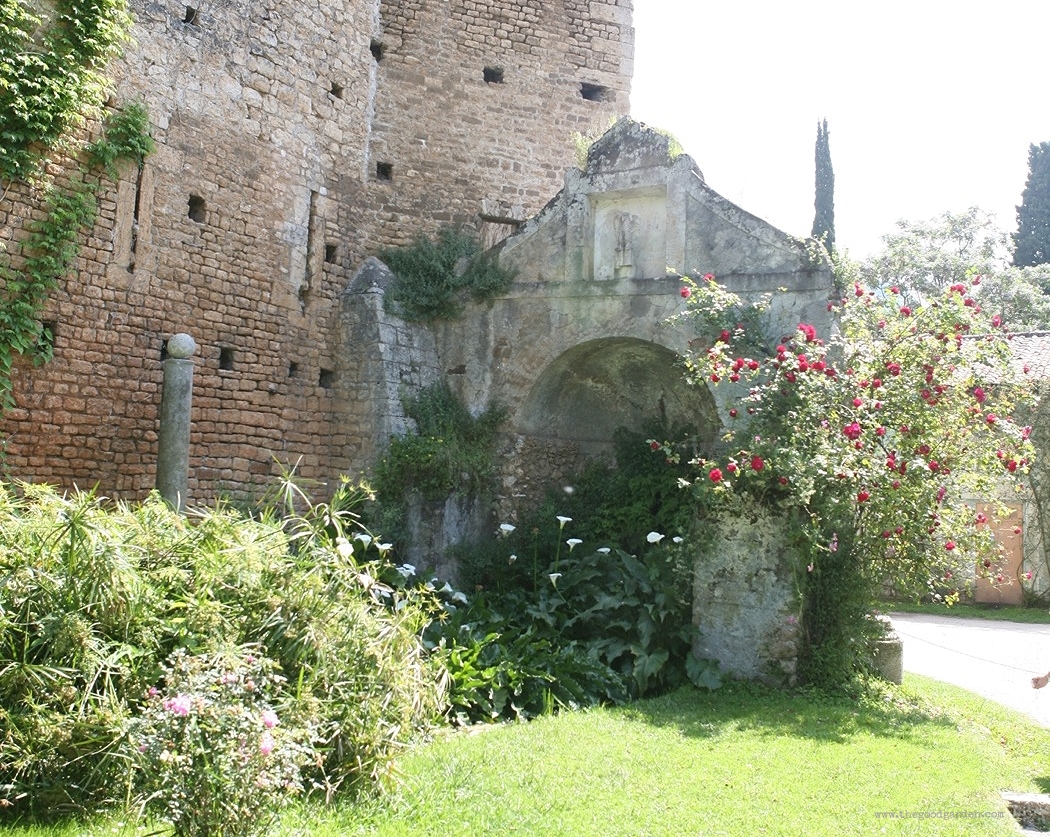
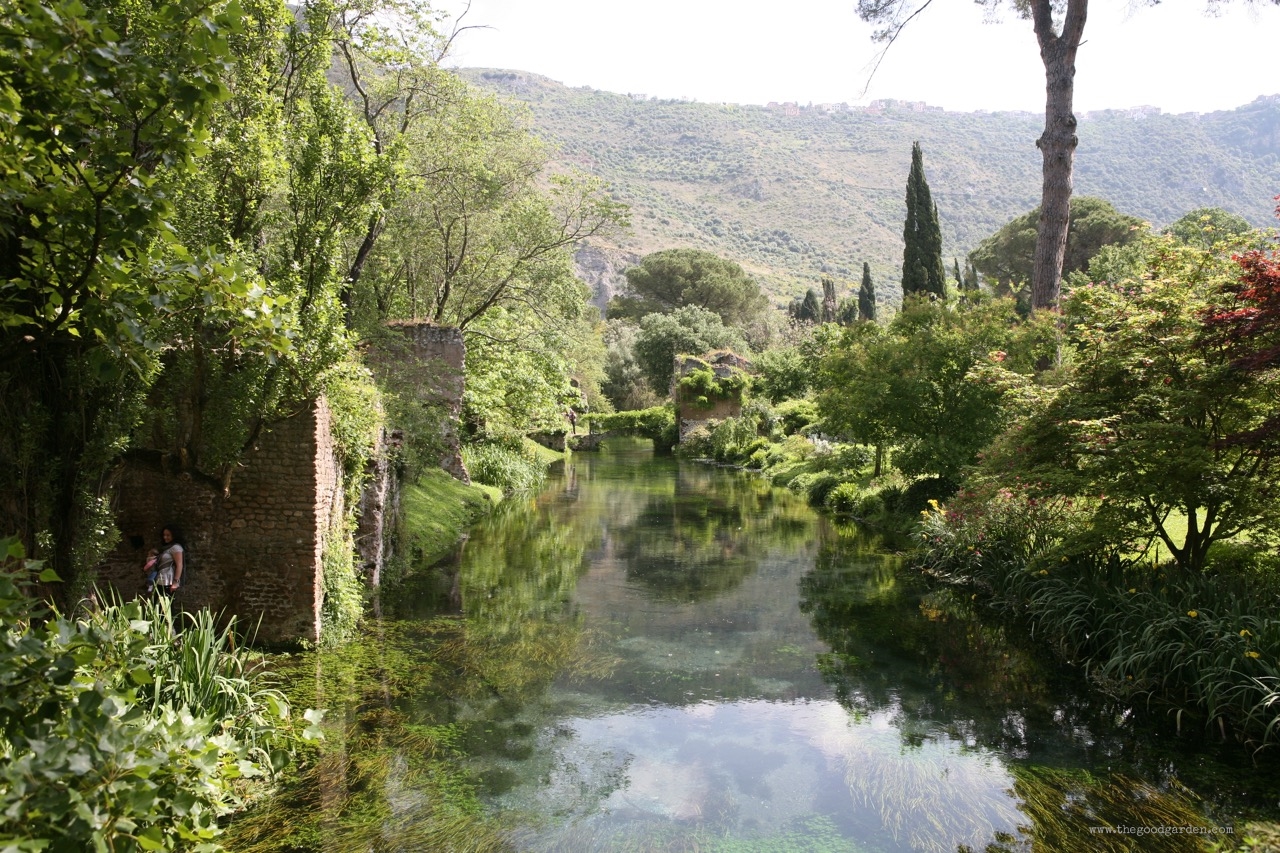
Like other picturesque gardens, Ninfa feels like a series of perfectly composed landscape paintings.  A river, a lake, mountains in the distance, and ruins are key elements.  What makes Ninfa unique is that it incorporates the actual ruins of a Roman village.  If you recall, the picturesque movement got its inspiration from paintings of the Italian countryside, and here we have a picturesque garden that is actually in the Italian countryside.

Monty Don and Derry Moore’s Great Gardens of Italy explains its history:  “For a thousand years Ninfa was a busy town on the main road from Rome to Naples until 1381 when it was sacked by mercenaries and the remaining inhabitants, much reduced by plague and … malaria from the surrounding marshes, abandoned it.”

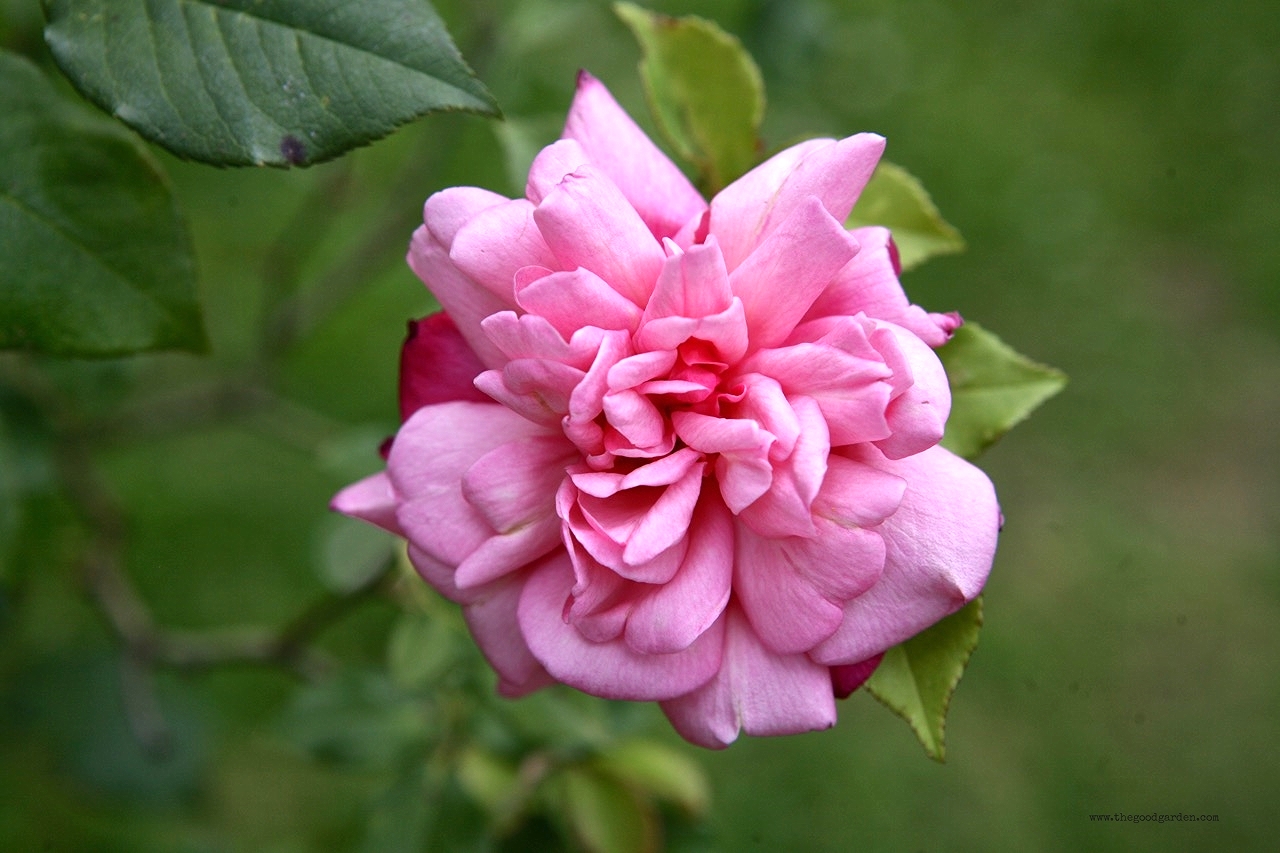
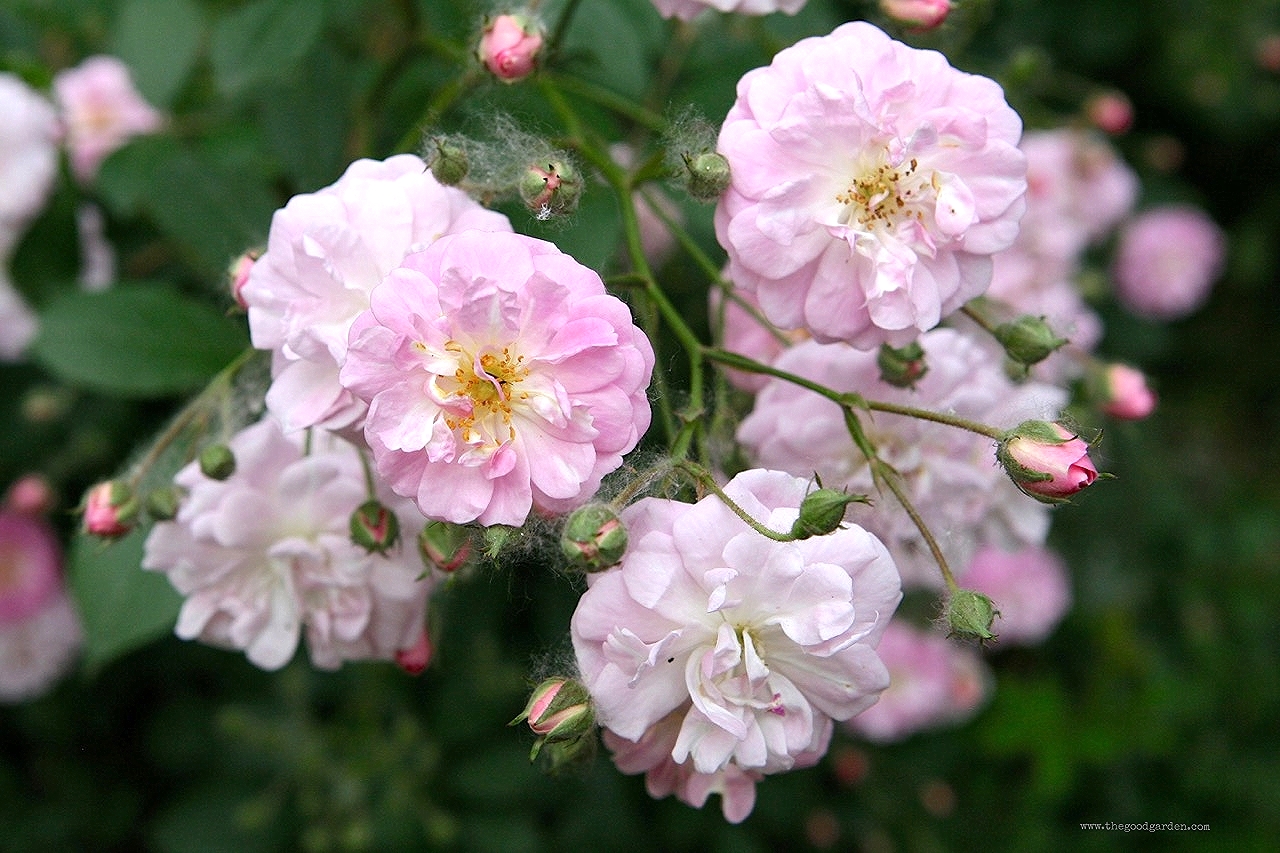
Fast forward to the 1920’s when the Caetani family began to shore up the ruins and to plant again. They planted cypress, pines, oaks, and cedars.  But most of all, they planted roses. The rose links the garden spaces together.  Roses of all varieties are everywhere.  Marguerite Caetani, a literary magazine editor and wealthy American, is credited with how the garden looks today, herself planting hundreds of roses. 

This garden is a dream place.  To enter this garden is to enter a bubble in time and space.  A garden well worth the hassle of getting there and waiting in line for tickets; it deserves all the praise it gets.

Happy Valentine's Day.


Marguerite Caetani.  Source: Made in South Italy Today 
Marguerite Caetani.  Source: Made in South Italy Today 
In Picturesque Tags Ninfa, Italy, Roses, plant ideas, Garden ruins, Roman ruins
2 Comments
thegoodgarden|centralpark|NYC|4668.jpg
thegoodgarden|centralpark|NYC|4709.jpg
thegoodgarden|centralpark|NYC|4562.jpg
thegoodgarden|centralpark|NYC|4583.jpg
thegoodgarden|centralpark|NYC|4659.jpg
thegoodgarden|centralpark|NYC|4684.jpg
thegoodgarden|centralpark|NYC|4656.jpg
thegoodgarden|centralpark|NYC|4594.jpg
thegoodgarden|centralpark|NYC|4668.jpg thegoodgarden|centralpark|NYC|4709.jpg thegoodgarden|centralpark|NYC|4562.jpg thegoodgarden|centralpark|NYC|4583.jpg thegoodgarden|centralpark|NYC|4659.jpg thegoodgarden|centralpark|NYC|4684.jpg thegoodgarden|centralpark|NYC|4656.jpg thegoodgarden|centralpark|NYC|4594.jpg

Picturesque in NYC

David January 6, 2015

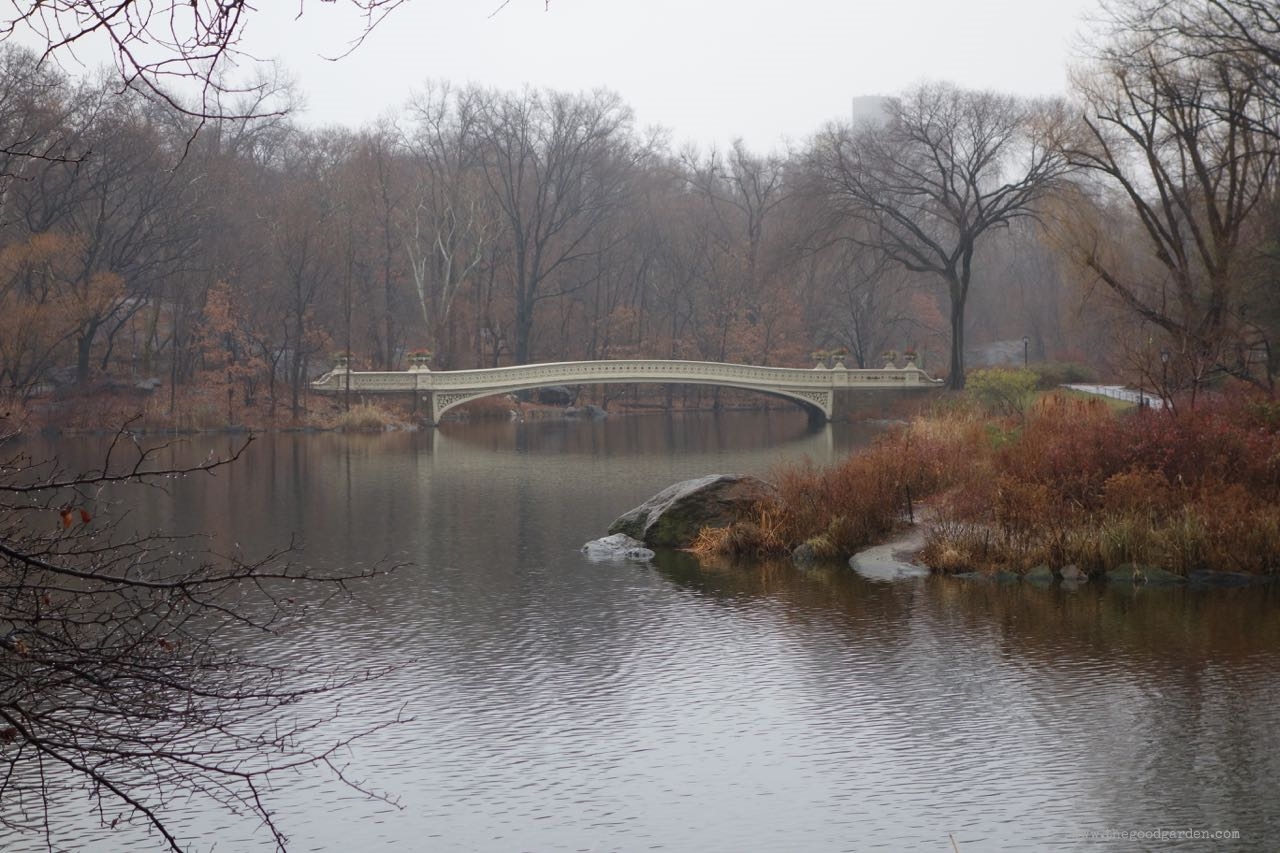
I recently had the chance to visit family and friends in New York City.  One rainy day I found myself with morning appointments on the West Side of Manhattan and afternoon appointments on the East Side.  To native New Yorkers, this triggers immediate anxiety as to the best way to get from one side to the other.  Though Central Park is only .5 mile wide (.8 km), there is no direct route across the park, and at peak times it can take an hour to make the journey.  I was thrilled to have an excuse and the time to walk across the park.  As so many recent posts have been about formal gardens, I was curious to experience the completely different, picturesque style of Central Park. 

“Picturesque” names a style in which garden designers created gardens in the image of idyllic European landscape paintings.  Famous examples of these paintings were by Nicolas Poussin and Claude Lorraine, who painted scenes of the Italian countryside in the 1600’s.  Their art reflected changing philosophy toward nature and wilderness.  In Europe, the first gardens made in this style date from the early 1700’s. This romantic style became popular under the influence of British designers such as William Kent, Capability Brown, and Humphrey Repton.  Repton in particular, adapted the style to smaller gardens, making it more accessible to the middle class.

In 1800’s America, garden designers were heavily influenced by Europe.  And the Hudson River School of painting captured the natural beauty of the American continent, further encouraging the popularity of the “picturesque.”  One of its most famous executions is New York’s Central Park.

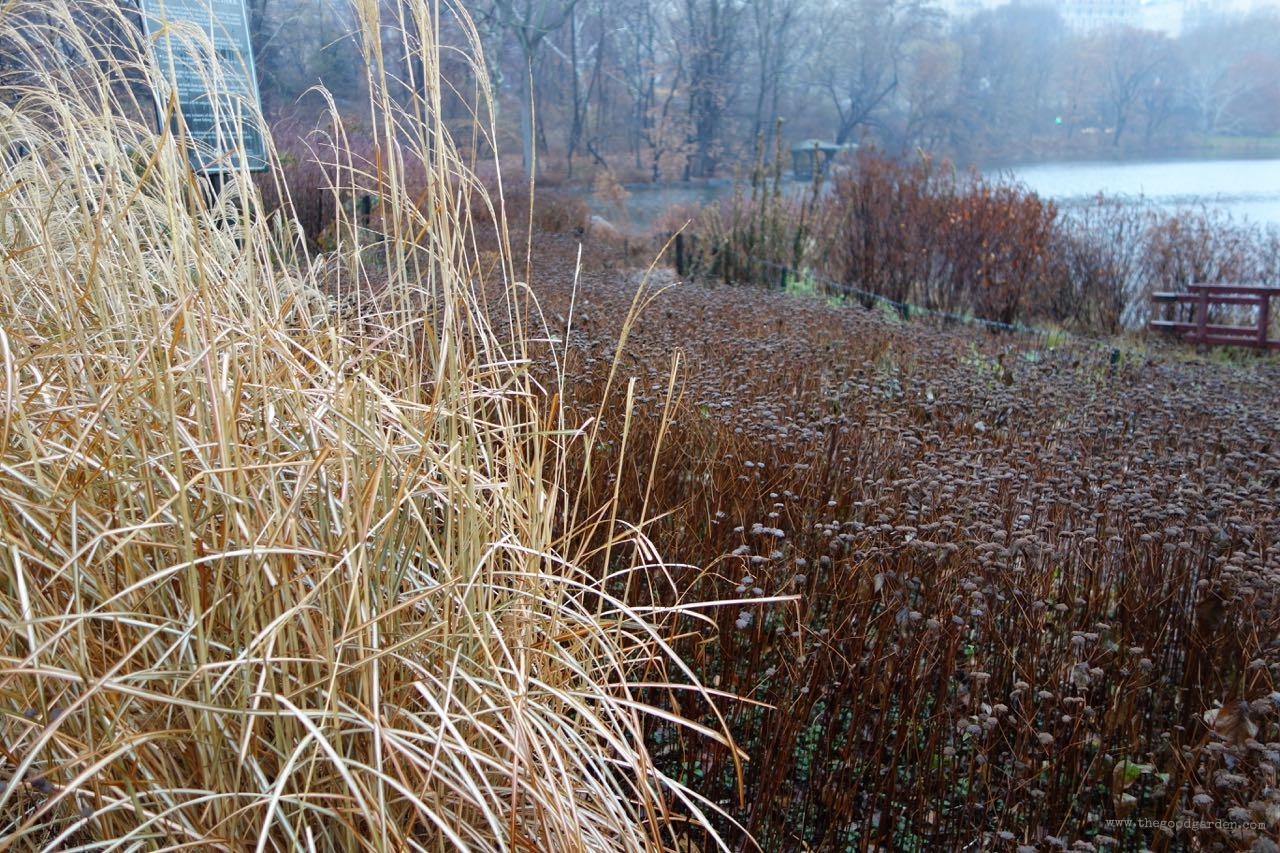
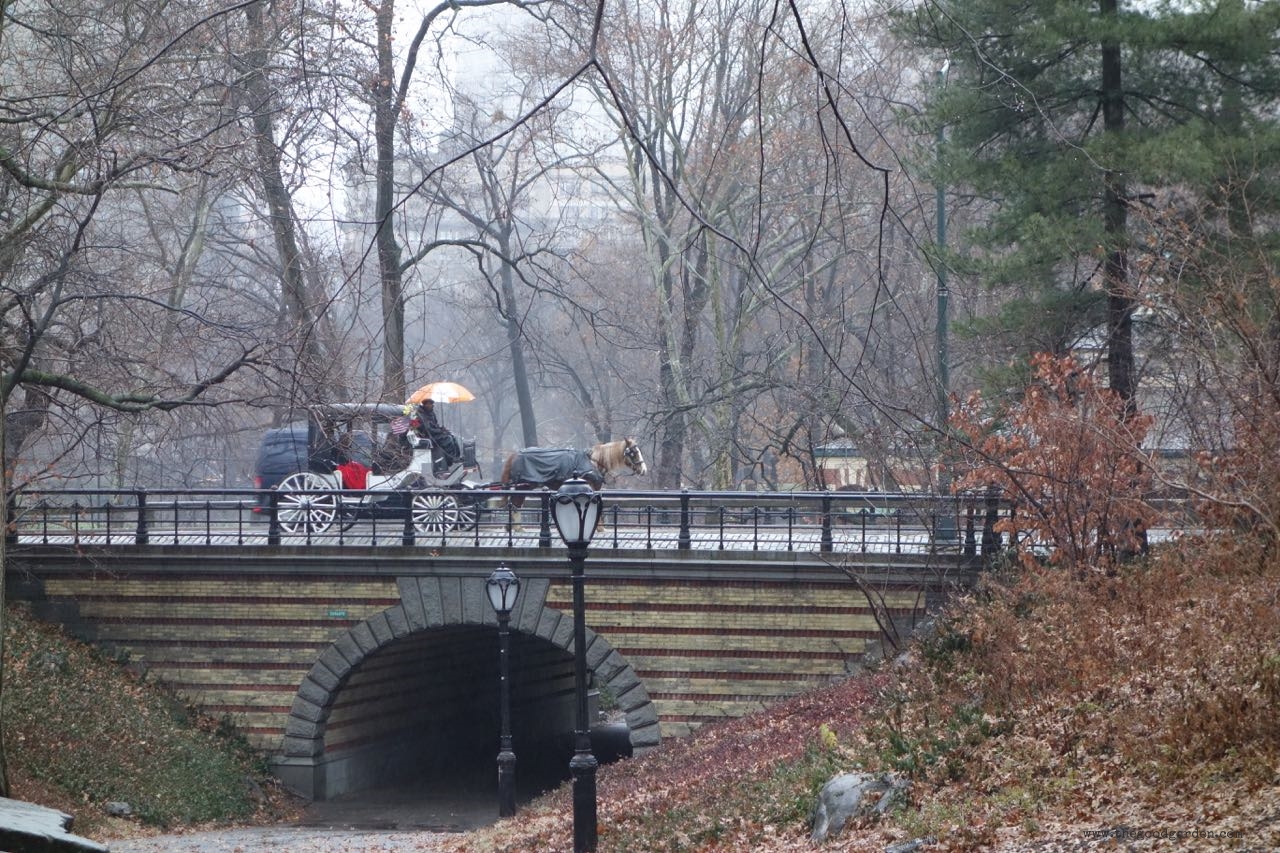
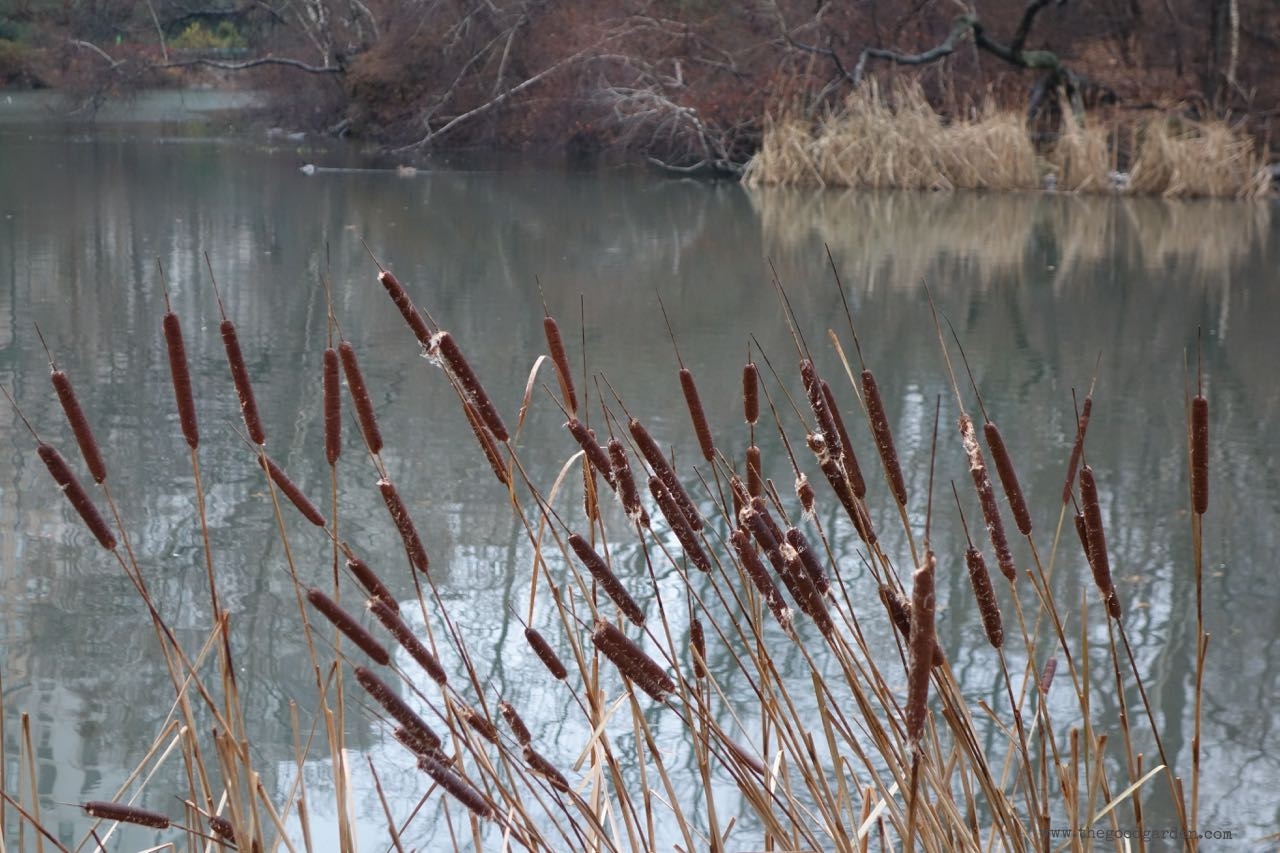
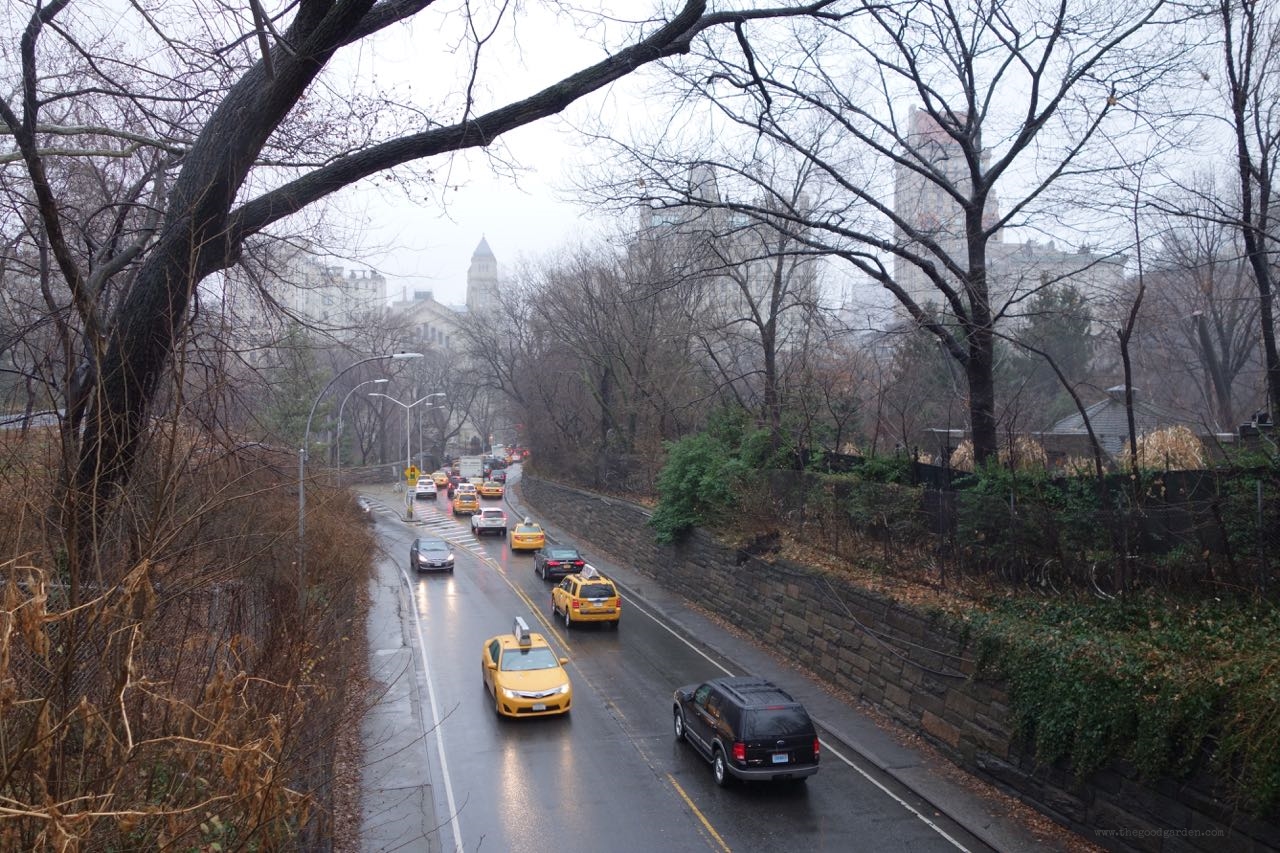
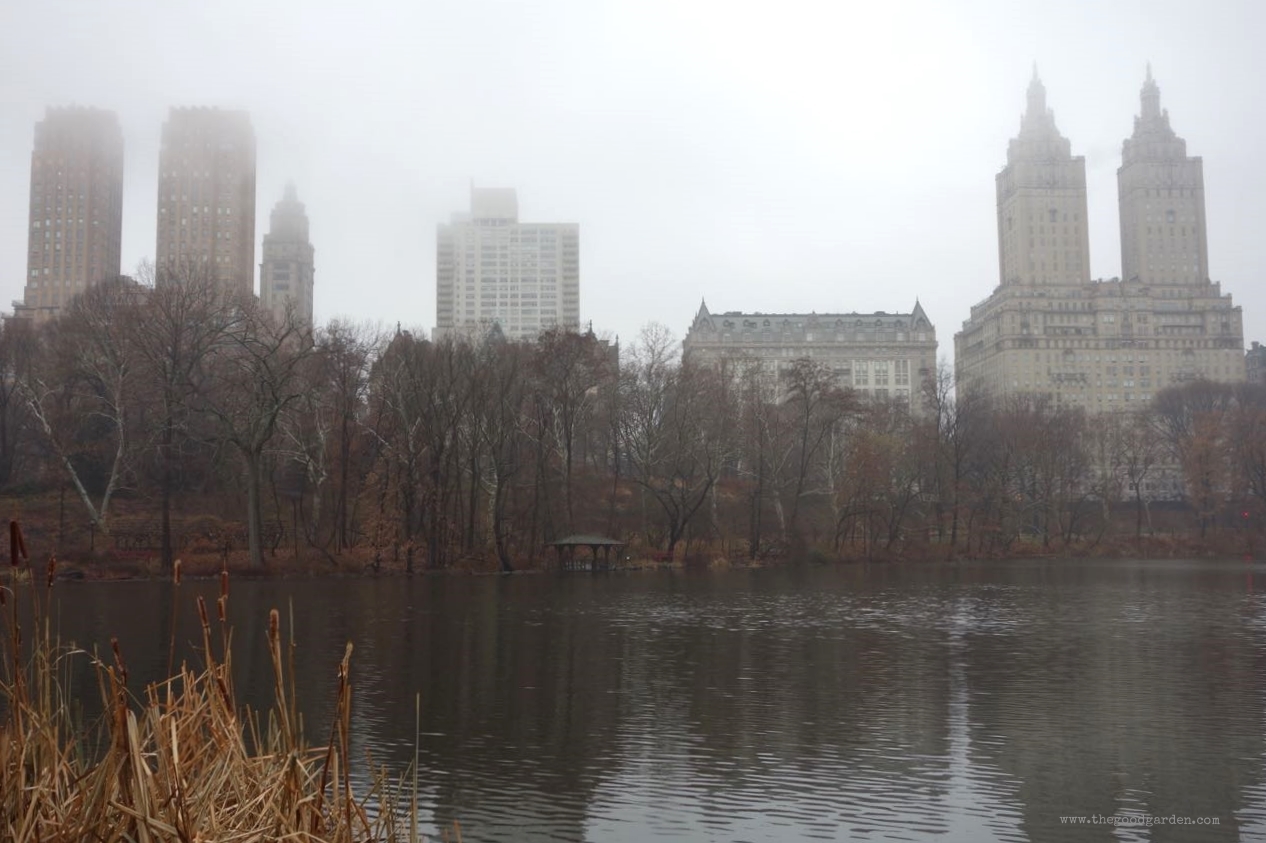
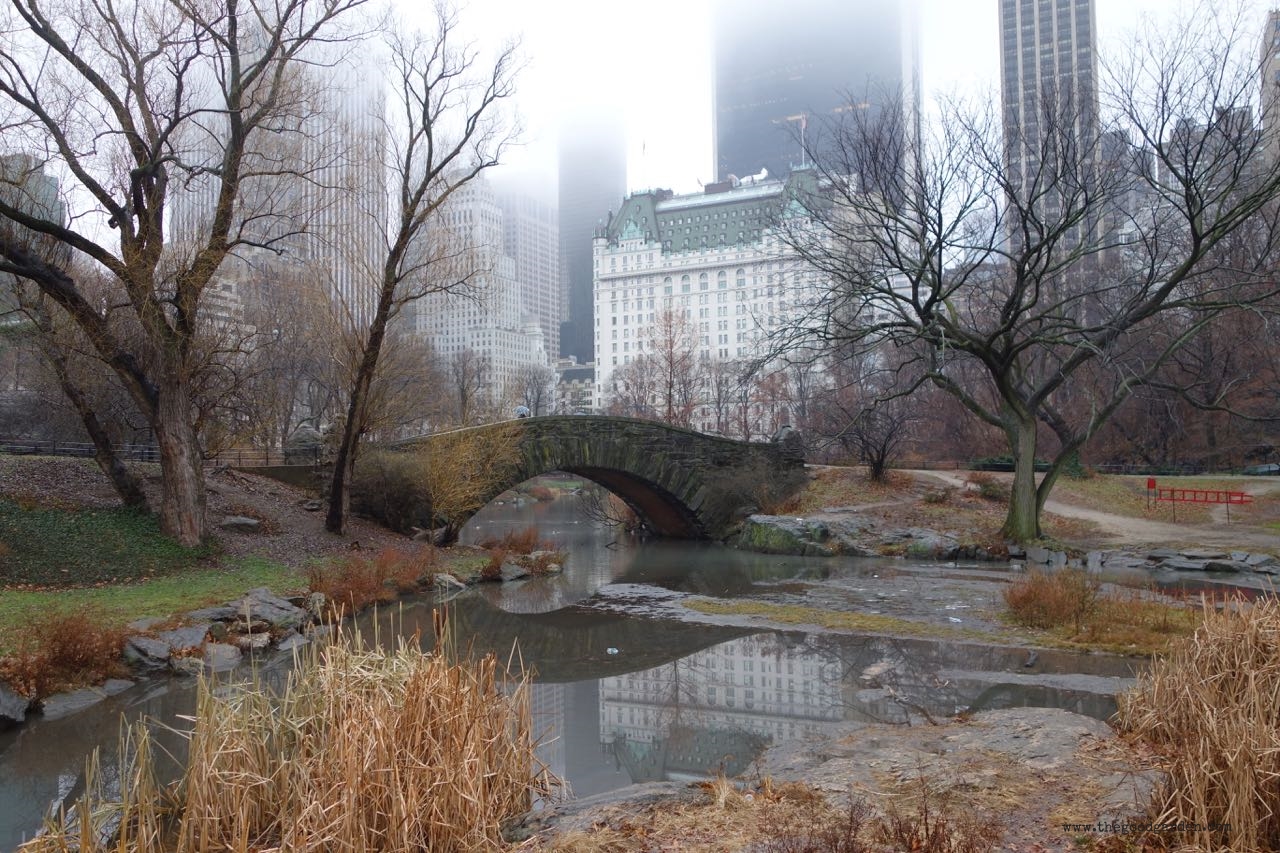
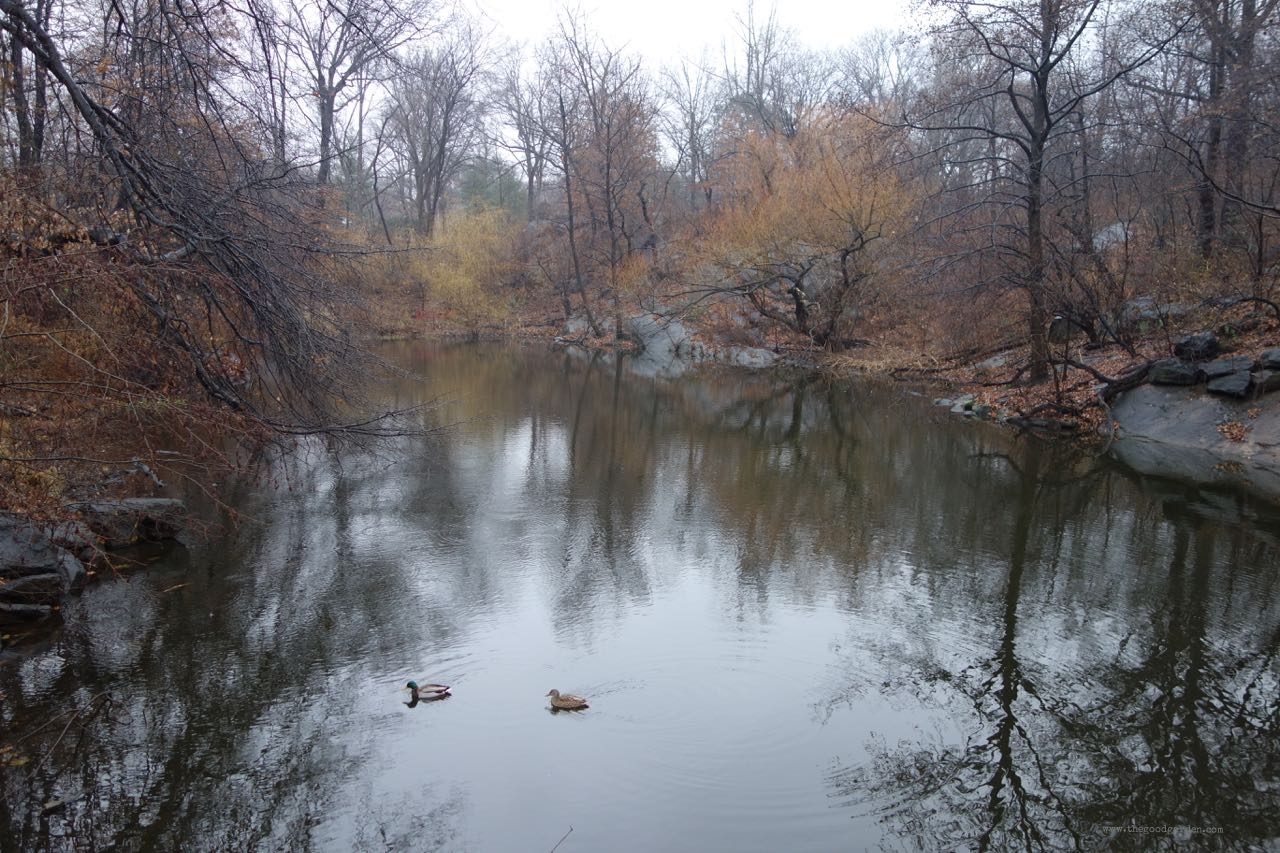
Central Park was designed in 1857 by the Englishman Calvert Vaux and the American Frederick Law Olmstead.  Their winning Greensward plan submerged the busy cross streets that connect the east and west sides of New York, and created several naturalistic lakes.  Both are featured in the photos above.

In Olmstead and Vaux’s proposal: “…Each of the transverse roads is intended to be sunk so far below the general surface that the park drives may, at every necessary point of intersection, be carried entirely over it, without any obvious elevation… a little judicious planting on the tops… of the banks will… entirely conceal both the roads and the vehicles… from the view of those walking… in the park.” 

Regarding a lake at the southeast corner of the park:  “…it is proposed to form a lake of irregular shape… by introducing such an ornamental sheet of water… the picturesque effect of the bold bluffs that will run down to its edge and overhang it, must be much increased.”

At times while walking through the park last week I felt that I was wandering through a nature preserve far from an urban center.  In reality I was in an entirely man-made environment: lakes, rivers, trees all placed by hand.  Only the tall buildings that emerged now and again through the fog reminded me where I really was. 

If you can find yourself in NYC soon, the original pen and ink Greensward Plan map is on display at the City Museum of New York through the end of January 2015.  Call ahead to confirm details.


In Picturesque Tags Frederick Law Olmstead, Calvert Vaux, Greensward Plan, Central Park, NYC, garden history, historic gardens, famous gardens
Comment
thegoodgarden|keukenhof|netherlands|6549.jpg
thegoodgarden|keukenhof|netherlands|6633.jpg
thegoodgarden|keukenhof|netherlands|6604.jpg
thegoodgarden|keukenhof|netherlands|6737.jpg
thegoodgarden|keukenhof|netherlands|6579.jpg
thegoodgarden|keukenhof|netherlands|6846.jpg
thegoodgarden|keukenhof|netherlands|6549.jpg thegoodgarden|keukenhof|netherlands|6633.jpg thegoodgarden|keukenhof|netherlands|6604.jpg thegoodgarden|keukenhof|netherlands|6737.jpg thegoodgarden|keukenhof|netherlands|6579.jpg thegoodgarden|keukenhof|netherlands|6846.jpg

Tulipmania

David October 21, 2014

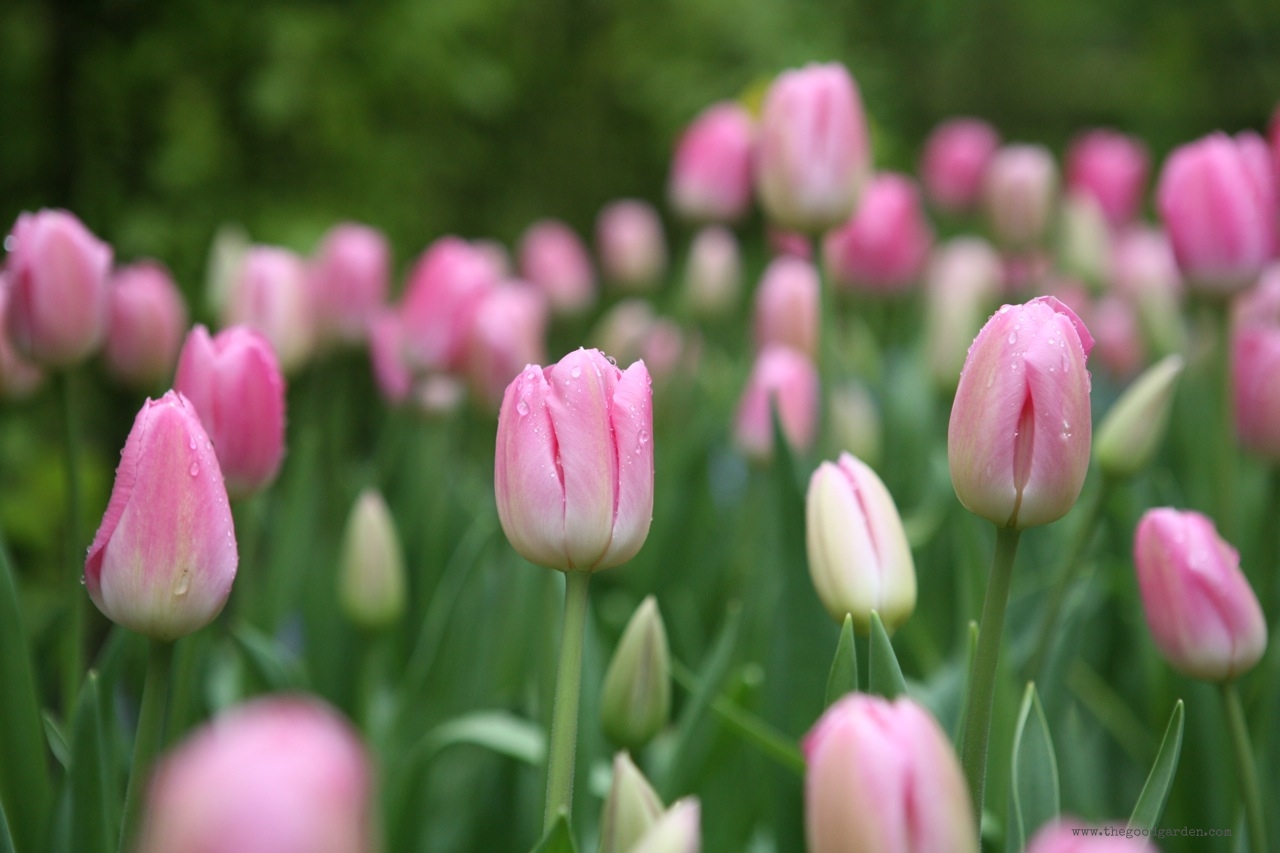
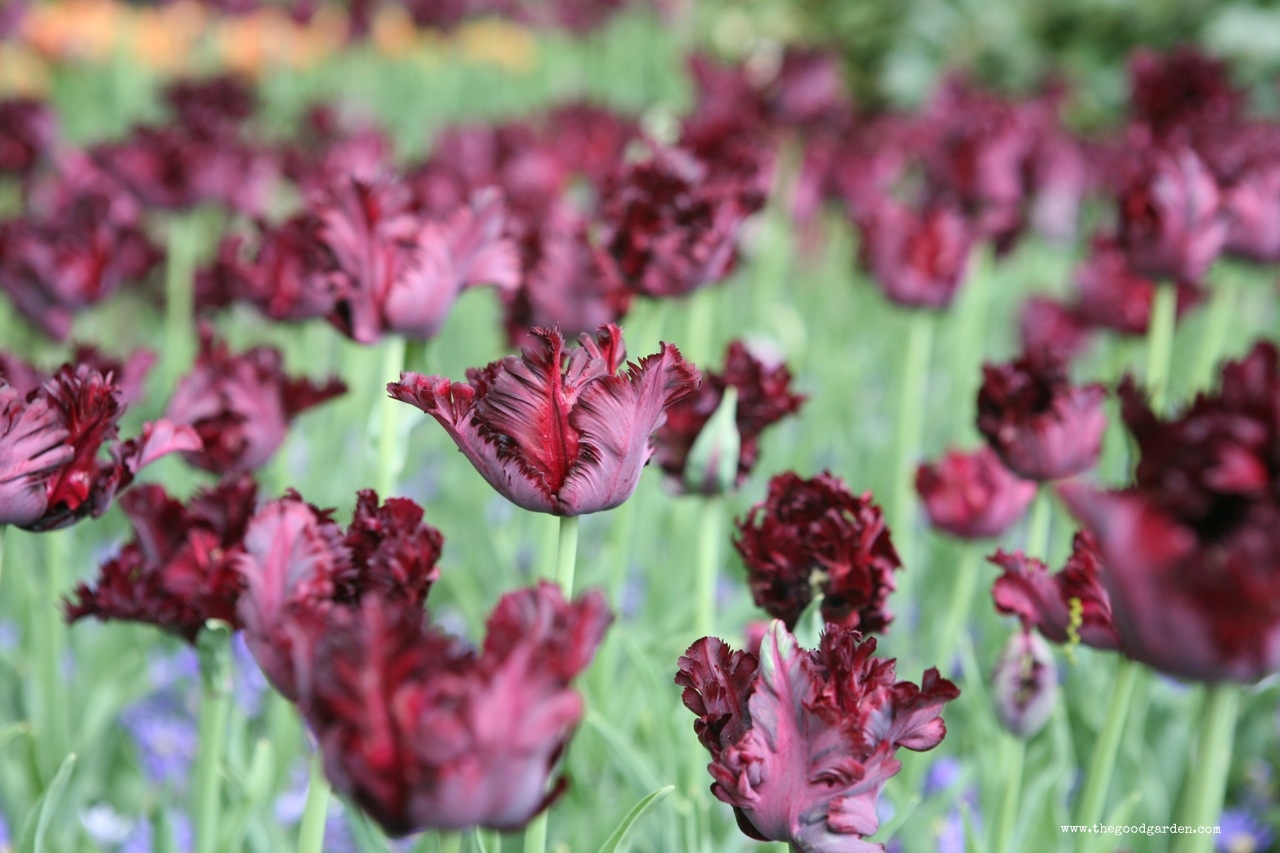
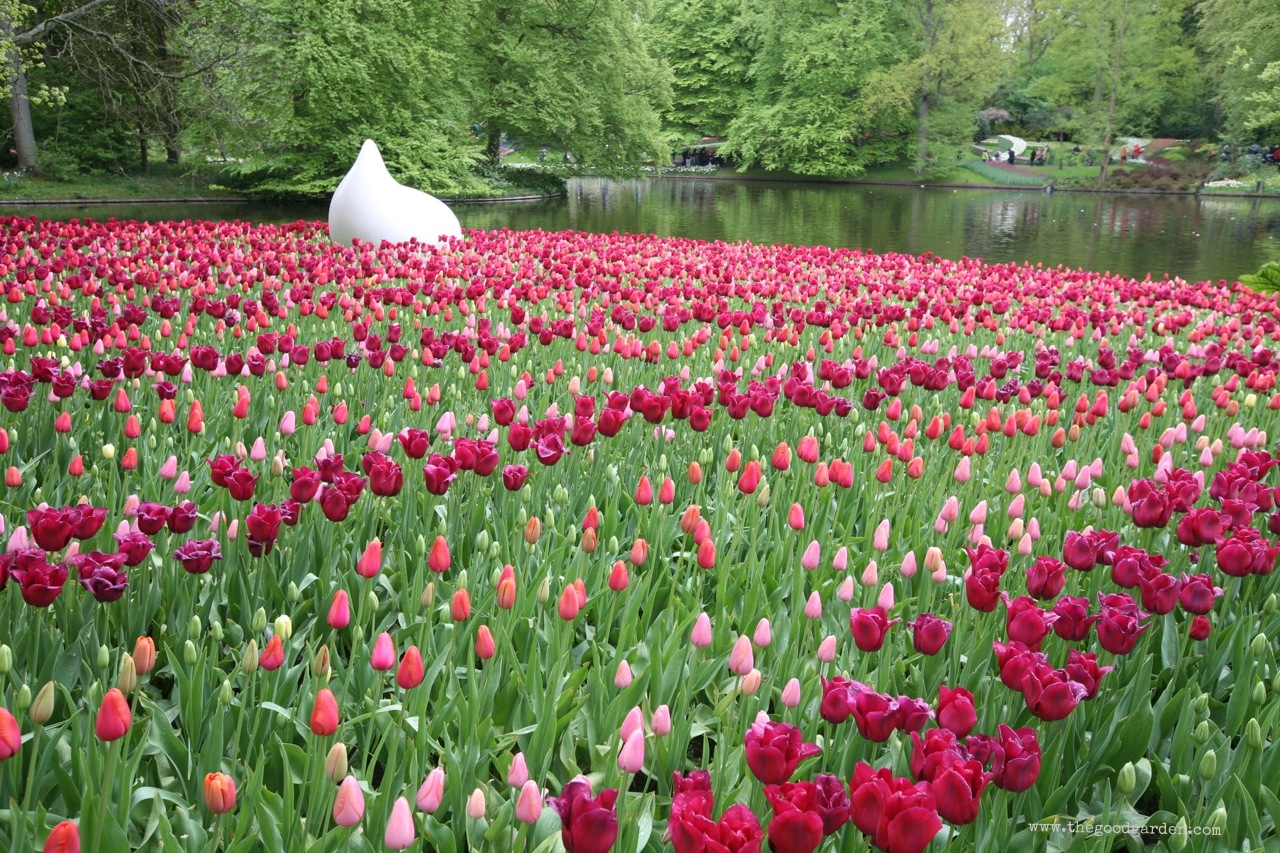
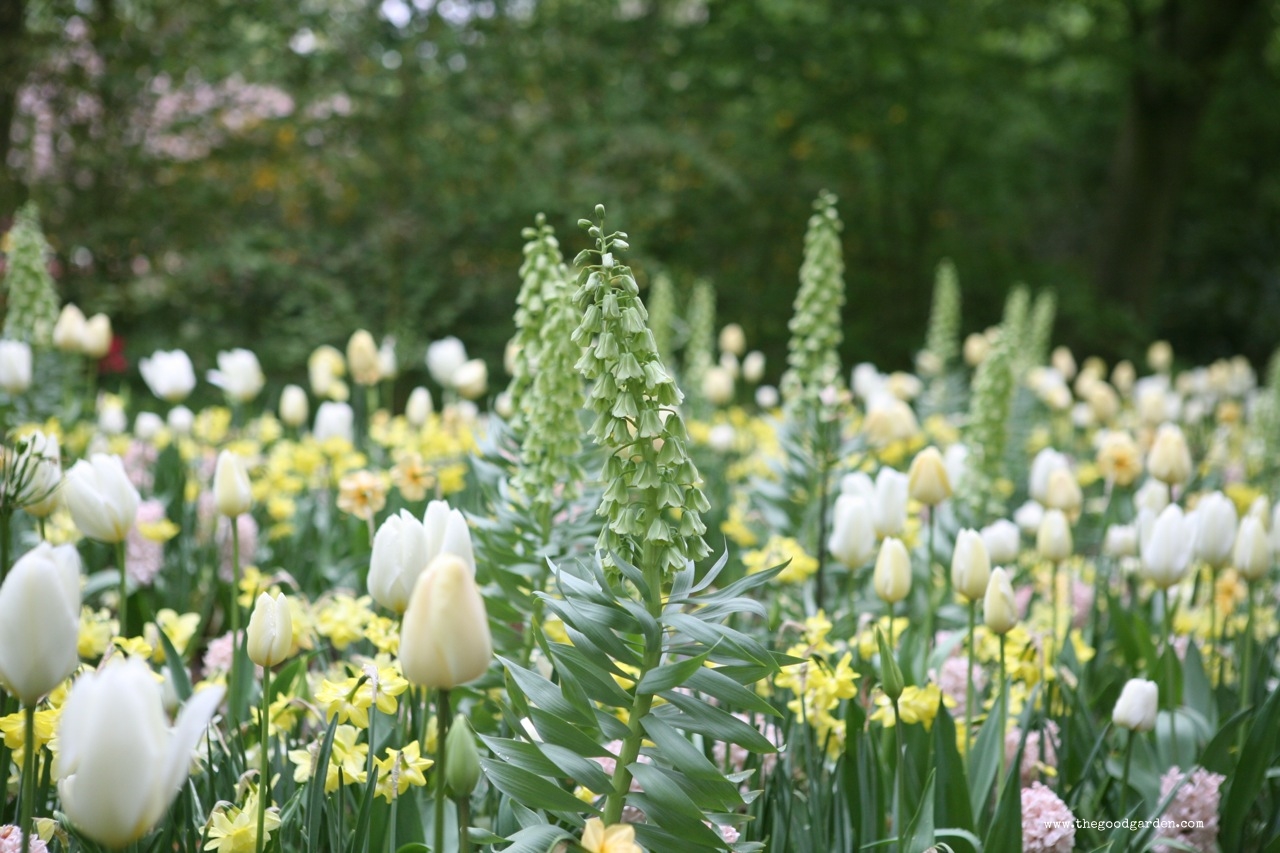
It's tulip planting season!  Tulips, native to south eastern Europe and the middle East, have been refined over the last 400 years by the Dutch.  This is no where more evident than in a special garden, Keukenhof which was originally part of a 15th century castle. The name translates to mean "the kitchen garden". Though quite a bit bigger than the name suggests, it claims to be the largest flower garden in the world at 79 acres.  It is built around a picturesque garden installed in 1850's with curved paths, a naturalistic lake, and clusters of mature trees.  Unlike a traditional picturesque garden designed to mimic ideal nature, this one is dedicated to showing off roughly 7 million tulips, daffodils, and hyacinths in line with the gardenesque style.  This garden is full of show stopping combinations.  It's open only a few weeks each year.  In the meantime, happy planting!


In Gardenesque, Picturesque Tags Netherlands, garden ideas, Garden inspiration, plant ideas, garden history, historic gardens, famous gardens, famous gardens of the world, garden stories, Keukenhof, garden design
Comment
  • Blog
  • Older
  • Newer
Subscribe
Garden stories
 
facebook email
  • Policies
  • Contact
  • Subscribe
Garden stories

©2025 David Calle. The Good Garden.

the good garden

garden history, design inspiration

facebook email