the good garden

garden history, design inspiration
  • Home
  • My story
  • Talks and Articles
  • Resources
    • Places
    • Styles
    • Books, Video, Websites
  • Home
  • My story
  • Talks and Articles
    • Places
    • Styles
    • Books, Video, Websites

Blog

The good garden blog is about sharing garden inspiration and ideas from historic gardens around the world and some right next door.  Garden stories explore garden history, design, and the garden people behind famous and not-so-famous gardens.  My garden photographs span dozens of places across 5 continents.  Please join me in celebrating good garden design.

  • All
  • Arts and crafts
  • Chinese
  • Cloister
  • French formal
  • Gardenesque
  • Islamic
  • Italian renaissance
  • Japanese
  • Modernist
  • Picturesque
  • Roman
  • Thai
  • Vegetable
  • Wild
thegoodgarden|meridianhill|washingtondc|9608.jpg
thegoodgarden|meridianhill|washingtondc|9538.jpg
thegoodgarden|meridianhill|washingtondc|9471.jpg
thegoodgarden|meridianhill|washingtondc|9548.jpg
thegoodgarden|meridianhill|washingtondc|9514.jpg
thegoodgarden|meridianhill|washingtondc|9528.jpg
thegoodgarden|meridianhill|.jpg
thegoodgarden|meridianhill|washingtondc|9608.jpg thegoodgarden|meridianhill|washingtondc|9538.jpg thegoodgarden|meridianhill|washingtondc|9471.jpg thegoodgarden|meridianhill|washingtondc|9548.jpg thegoodgarden|meridianhill|washingtondc|9514.jpg thegoodgarden|meridianhill|washingtondc|9528.jpg thegoodgarden|meridianhill|.jpg

"What's out there?"

David August 7, 2015

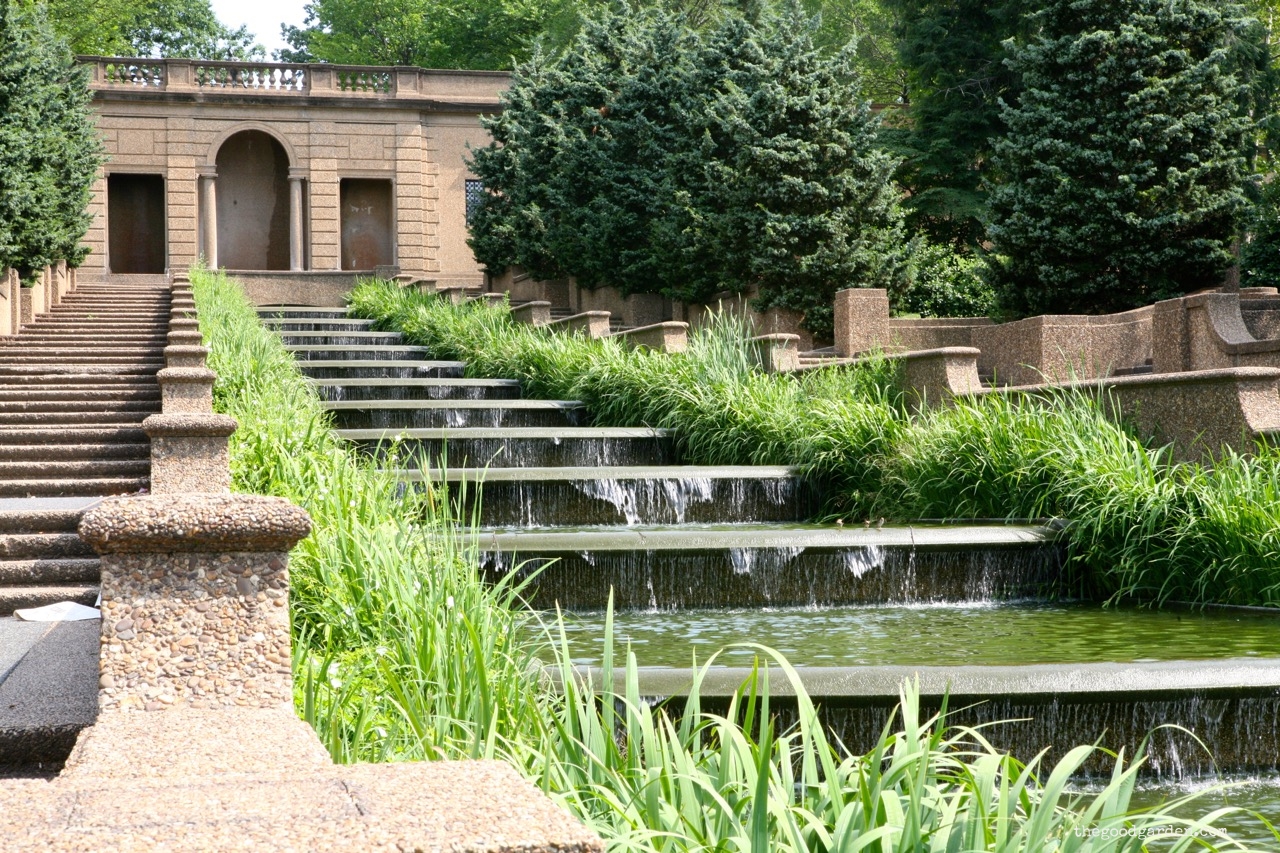
On my recent trip to Washington DC, Meridian Hill answered this question. This Italian renaissance garden sits right in the heart of the Columbia Heights-Adams Morgan neighborhoods surrounded by Beaux Arts mansions and elegant apartment buildings.  Now a National Historic Landmark, “the creation of a Renaissance villa landscape in the midst of an American city… has no true parallel."

The garden is well known to local residents but as a visitor from out of town, I wouldn’t have thought to venture in.  This garden doesn’t open up to the street the way a city park usually does.  A perimeter of tall plantings, retaining walls, and fencing separates the busy world outside from the quiet space within.  I find this inviting in a private garden, but I must admit that-- in a city that I don’t know well-- I found the barriers unwelcoming. 

TCLF What's out there DC guide.png

Fortunately I had just read about this garden in The Cultural Landscape Foundation’s “What’s Out There” guide for DC—which inspired me to visit.

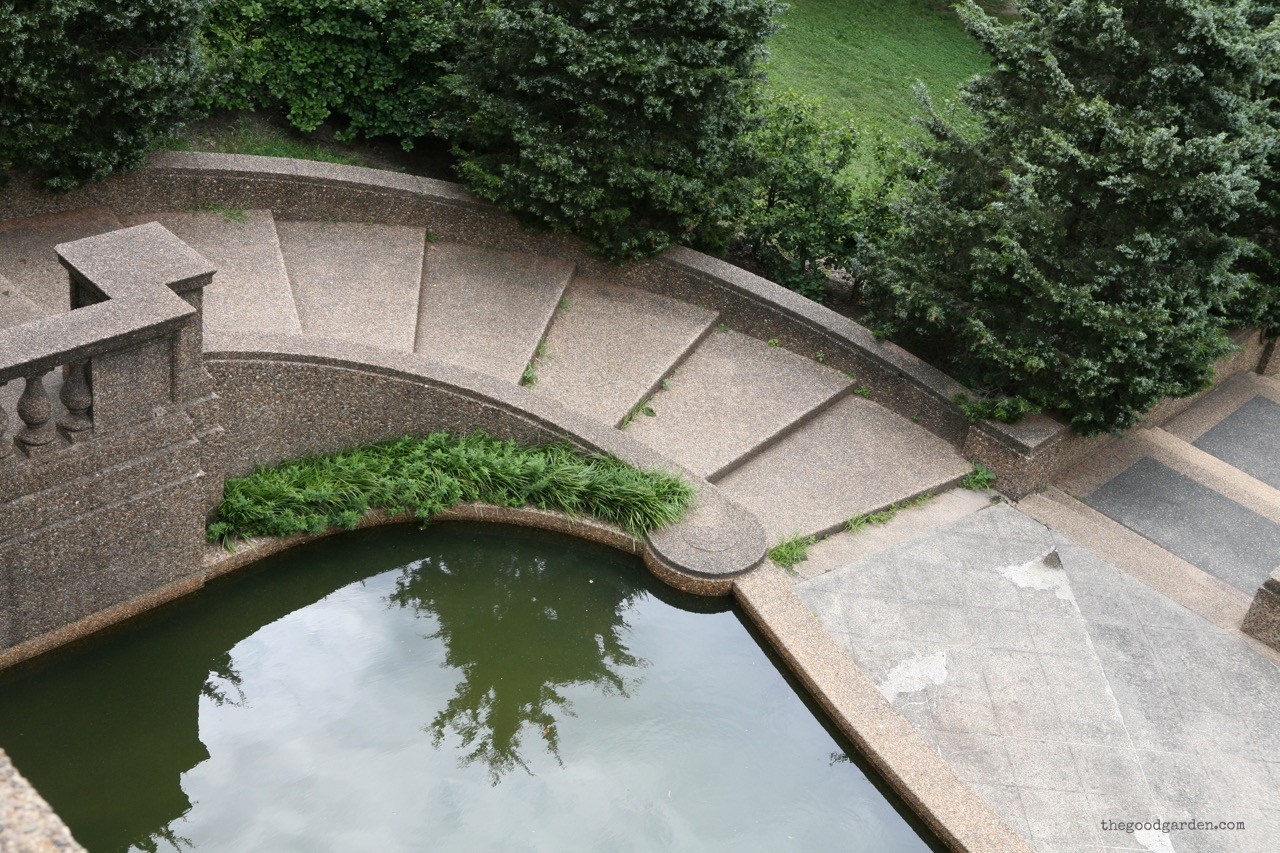
The garden has several distinct sections: there is a grass mall set on a cliff with views of the city, a memorial garden to President Buchanan (the only one in the city), and a quiet avenue of linden trees.  Key elements are set on an axis; geometry and symmetry govern the design. Wonderful side paths and garden spaces connect the sections and soften the incline of the property.  Benches offer places to relax.   

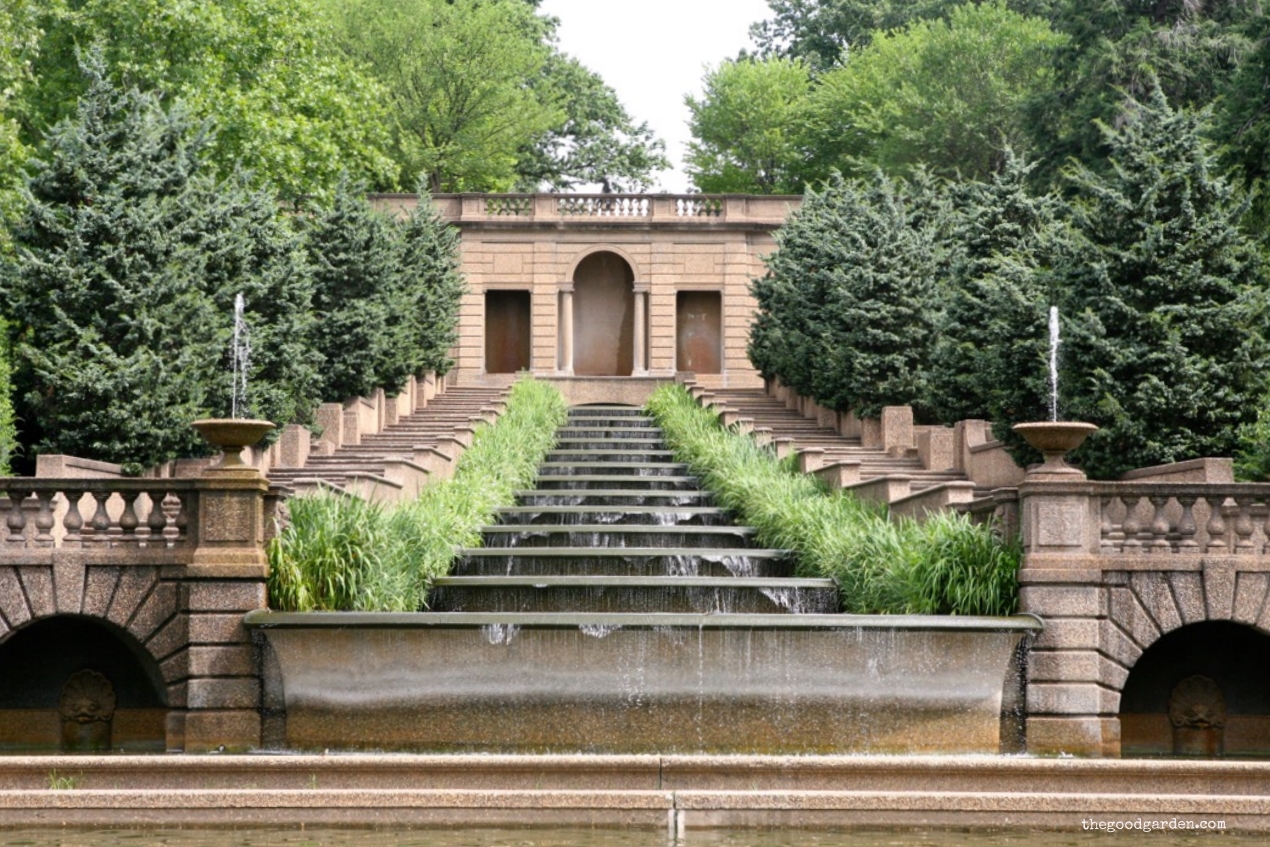
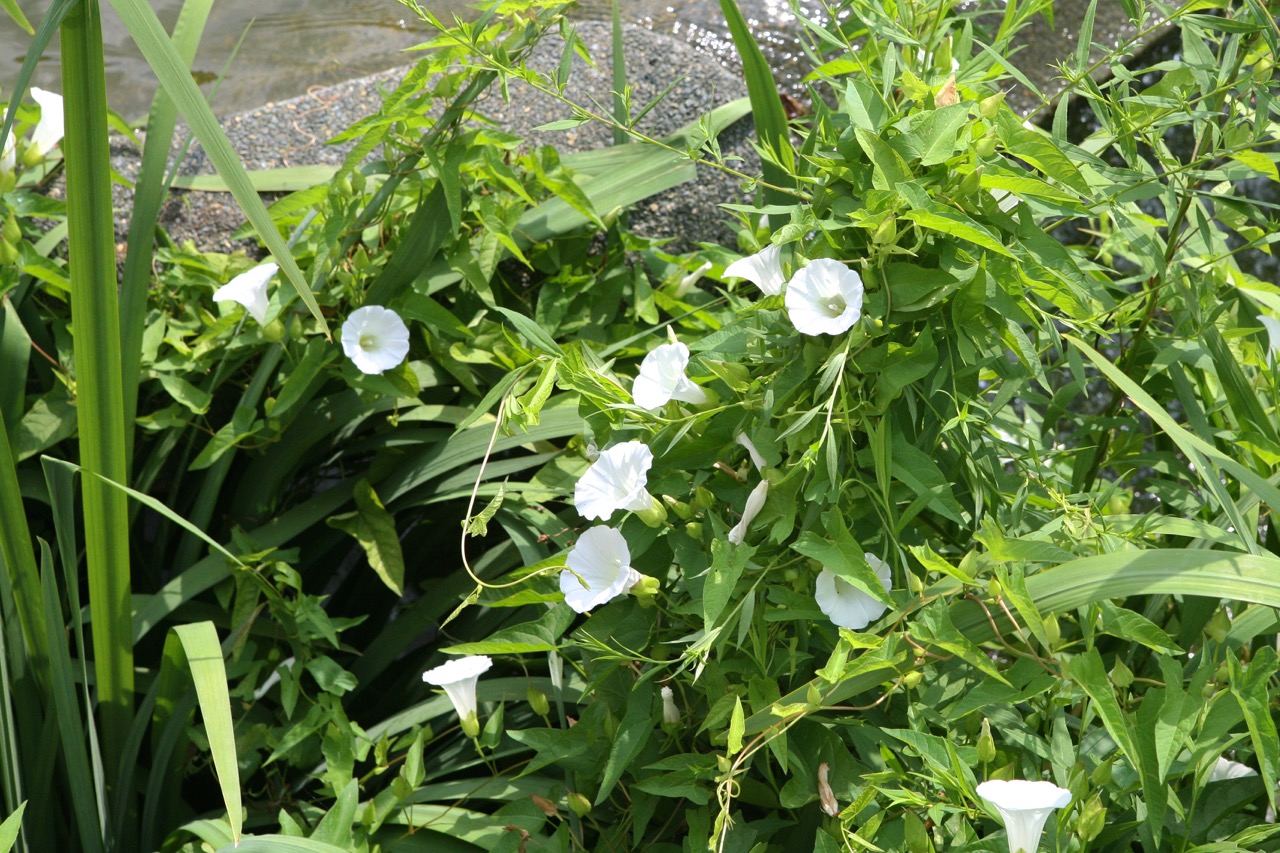
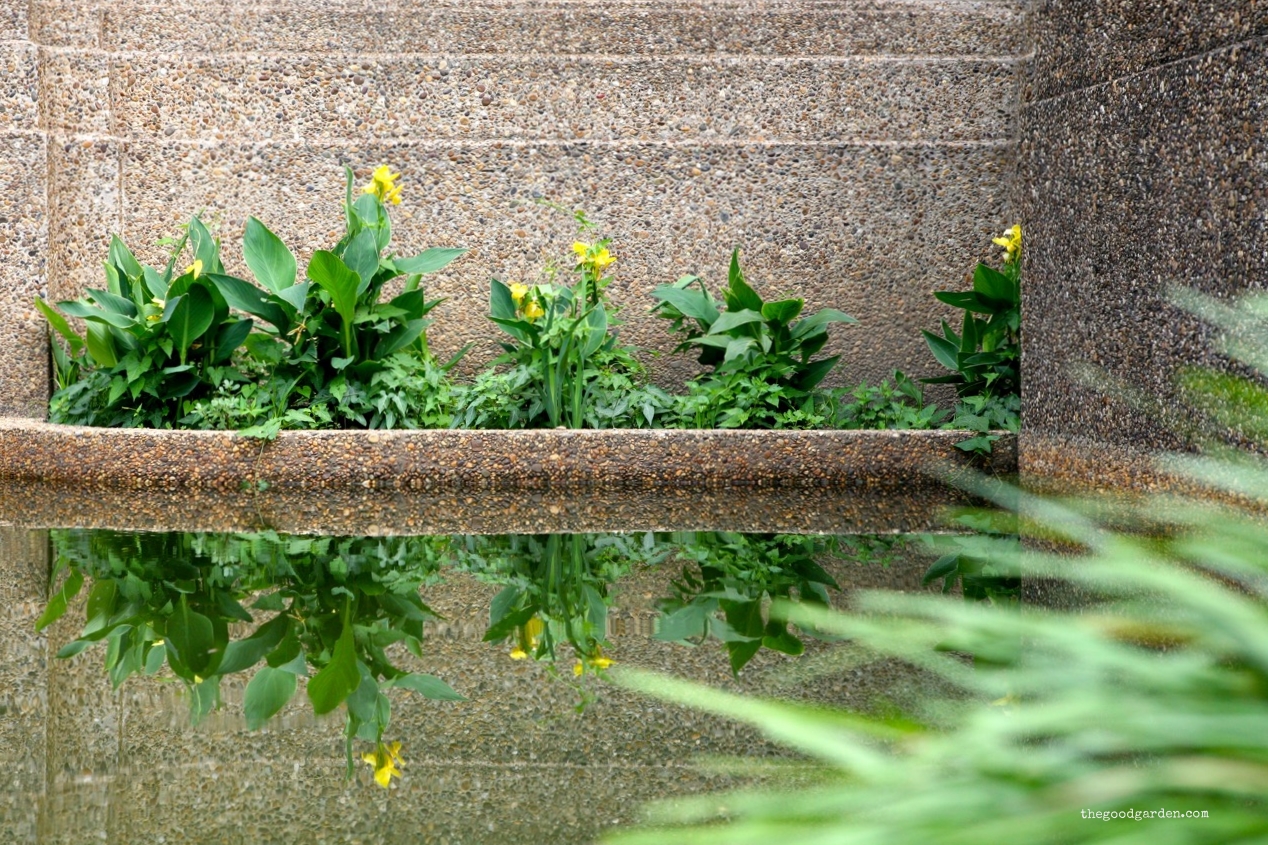
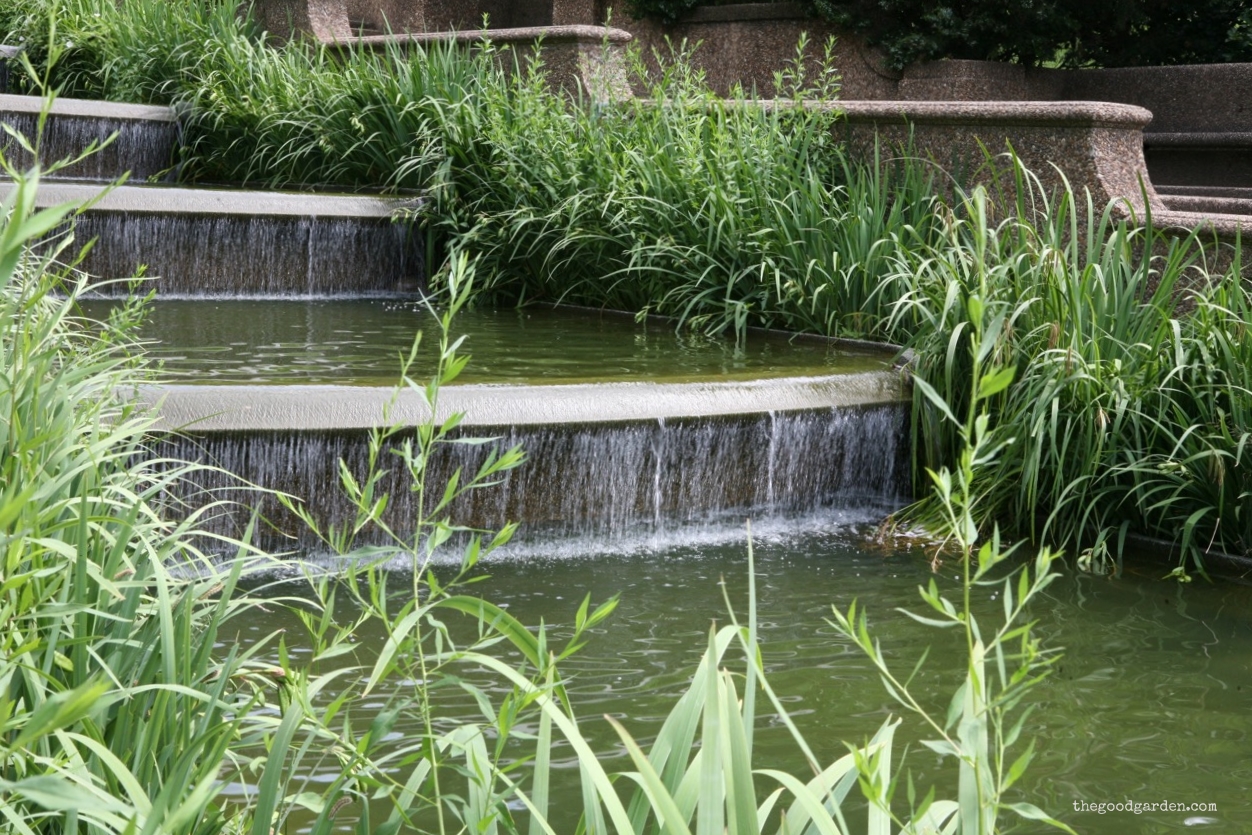
My favorite element was the dramatic cascade.  A multi-tier waterfall takes advantage of the 75-foot drop from the top of the hill to the street below.  In this section, the planting scheme ranges from the intentional to the serendipitous.  Cannas and boxwood join morning glories and grasses that have worked their way into some of the planters.  Though I could imagine the garden with more formal plantings, I just loved this touch of abandon: the look of nature left to its own devices that complements structure so well.

Creating the park was the personal passion of 'urban planner' Mary Henderson.  She envisioned an area full of embassies and missions and started to lobby Congress in the 1890s to create the park as an iconic entrance to the city.

George Burnap and Horace Peaslee, from the Office of Public Buildings and Grounds, created the first designs in 1914.   In 1918, landscape designer Ferruccio Vitale joined the team to develop the planting plan and simplified the design that we see today.

Mary Henderson, 1923. Source: StreetsofWashington.com
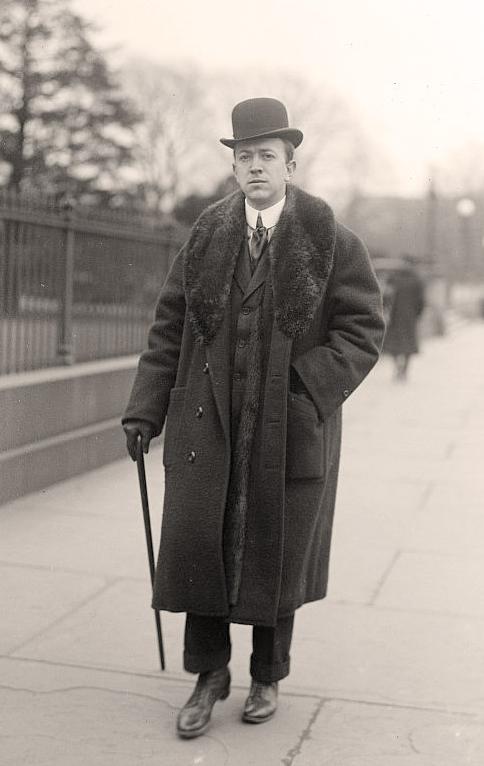
Mary Henderson, 1923. Source: StreetsofWashington.com

George Burnap, 1914. OldPictures.com

George Burnap, 1914. OldPictures.com

Ferruccio Vitale.  Source: The Cultural Landscape Foundation

Ferruccio Vitale.  Source: The Cultural Landscape Foundation

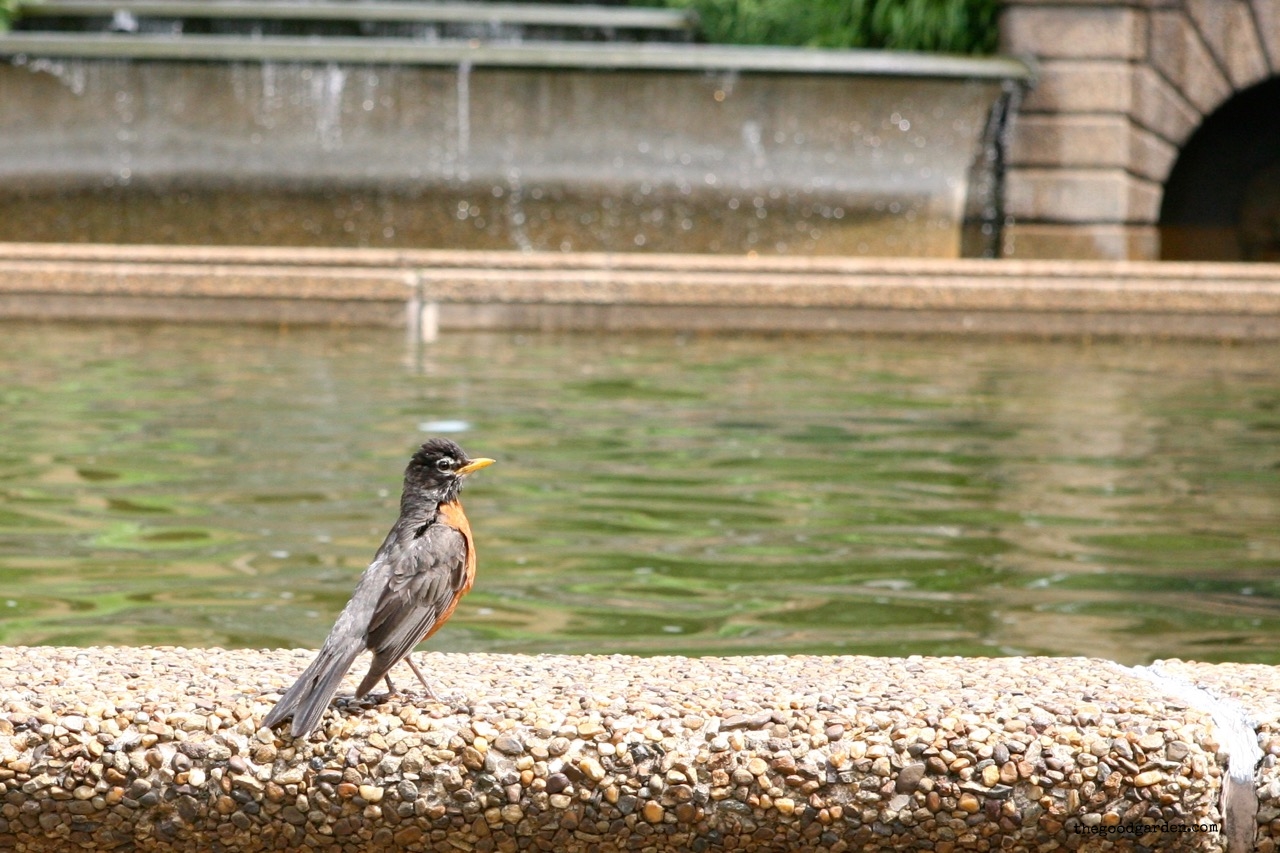
As in every garden, budget constraints meant trade-offs. The designers had hoped for natural stone, but its cost was prohibitive.  With so much hardscape required, the designers turned to local artisan, John Earley.  Early developed a technique that used economical cast concrete embedded with aggregate, a material he would become famous for.

"The rhythm of the city: The Meridian Hill Park drum circle evolves."  The Washington Post. By Jahi Chikwendiu, August 28, 2014

"The rhythm of the city: The Meridian Hill Park drum circle evolves."  The Washington Post. By Jahi Chikwendiu, August 28, 2014

Today, the park hosts a drumming circle during the summer.  Started in 1965 to celebrate the life of Malcolm X after his assassination, the tradition continues every Sunday.  The park is sometimes called Malcolm X Park.  I think that Mary Henderson would be thrilled to see how comfortably old-world style can host the needs of modern culture.

Thanks to The Cultural Landscape Foundation’s “What’s out there” garden guide, it is now easier than ever to find a good garden to visit.  The guides have it all: a short history of the garden, information on the people who created it, the reasons why the garden is important, and where to find it.

Vacation season is upon us; whether you stay close to home or travel far, I hope you will have the chance to visit a good garden “out there.”

See more Italian renaissance gardens here.
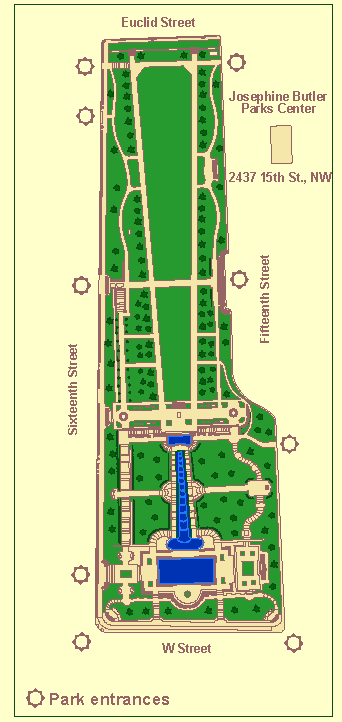
 
Map of Meridian Hill Park.  Source: Washington Parks and People

Map of Meridian Hill Park.  Source: Washington Parks and People


In Italian renaissance Tags Meridian Hill, Malcolm X Park, Washington DC, Cultural Landscape Foundation, What's out there, Cascade, George Burnap, Horace Peaslee, Ferruccio Vitale, Mary Foote Henderson, John Earley
Comment
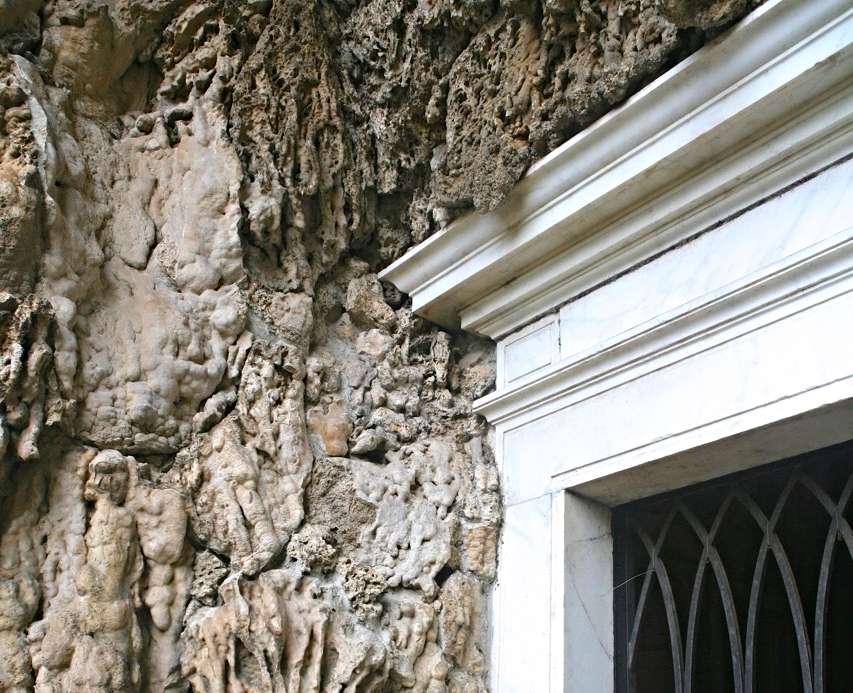
 Grotto of Madama

Grotto of Madama

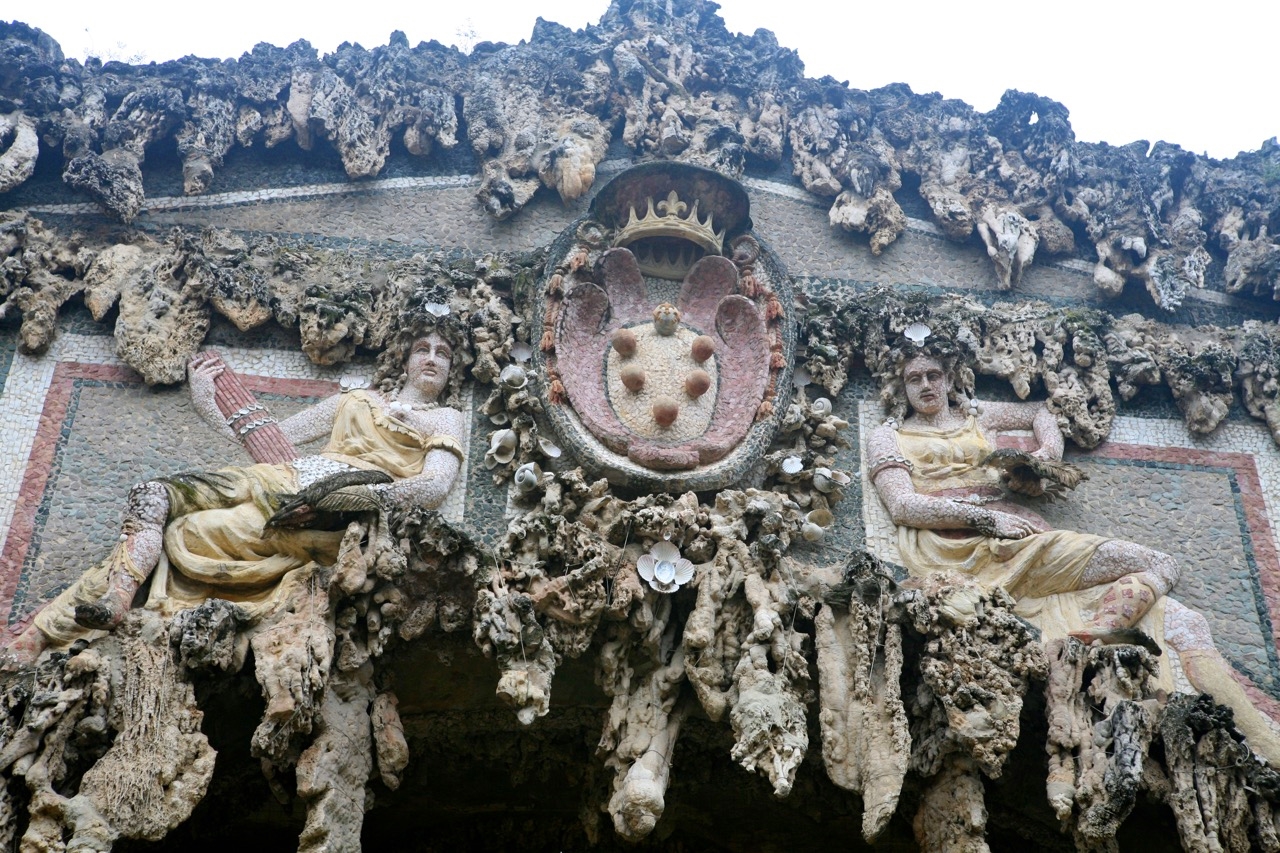
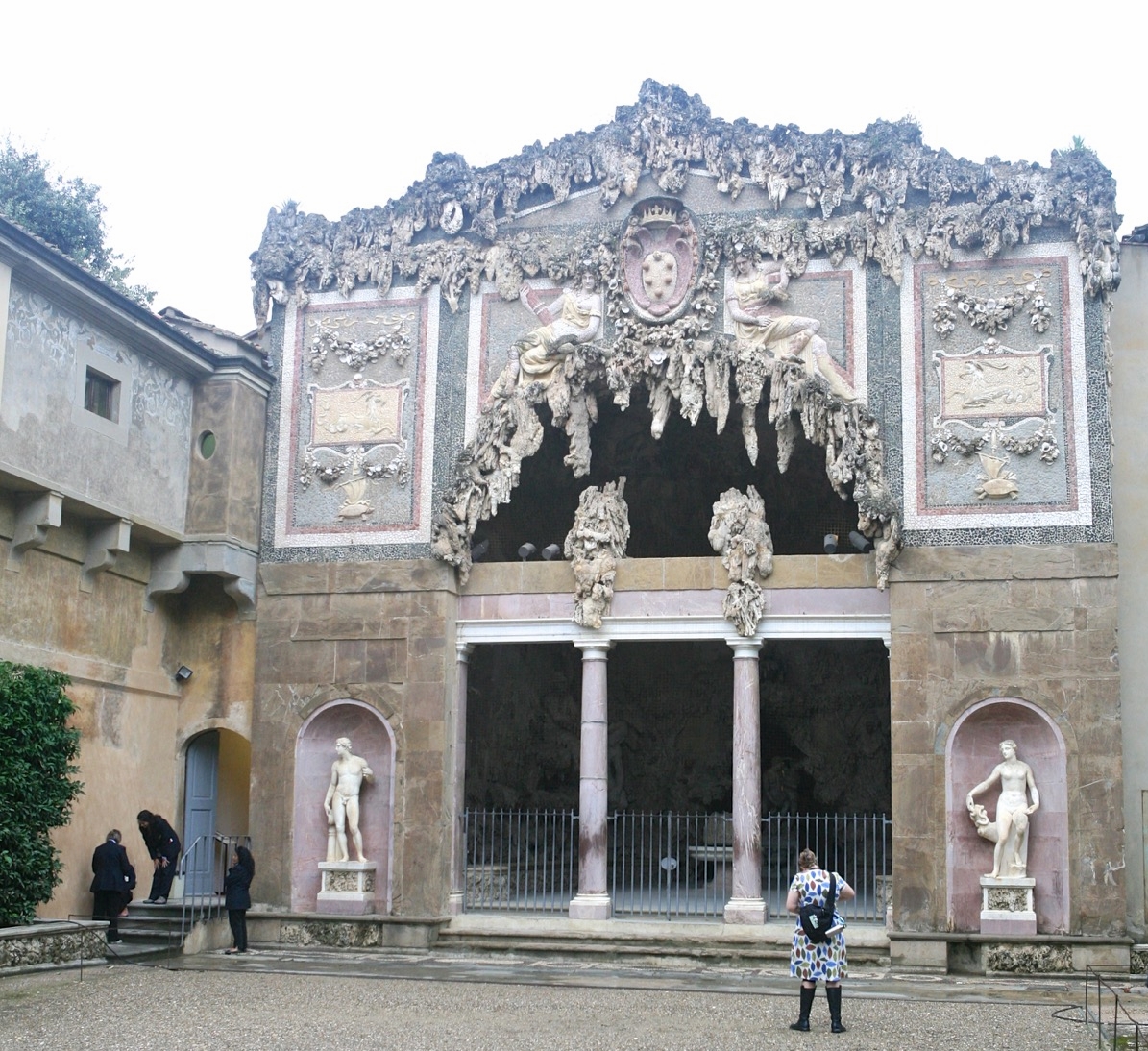
 Grotto of Madama.

Grotto of Madama.

Grotto of Madama.
Grotto of Madama.
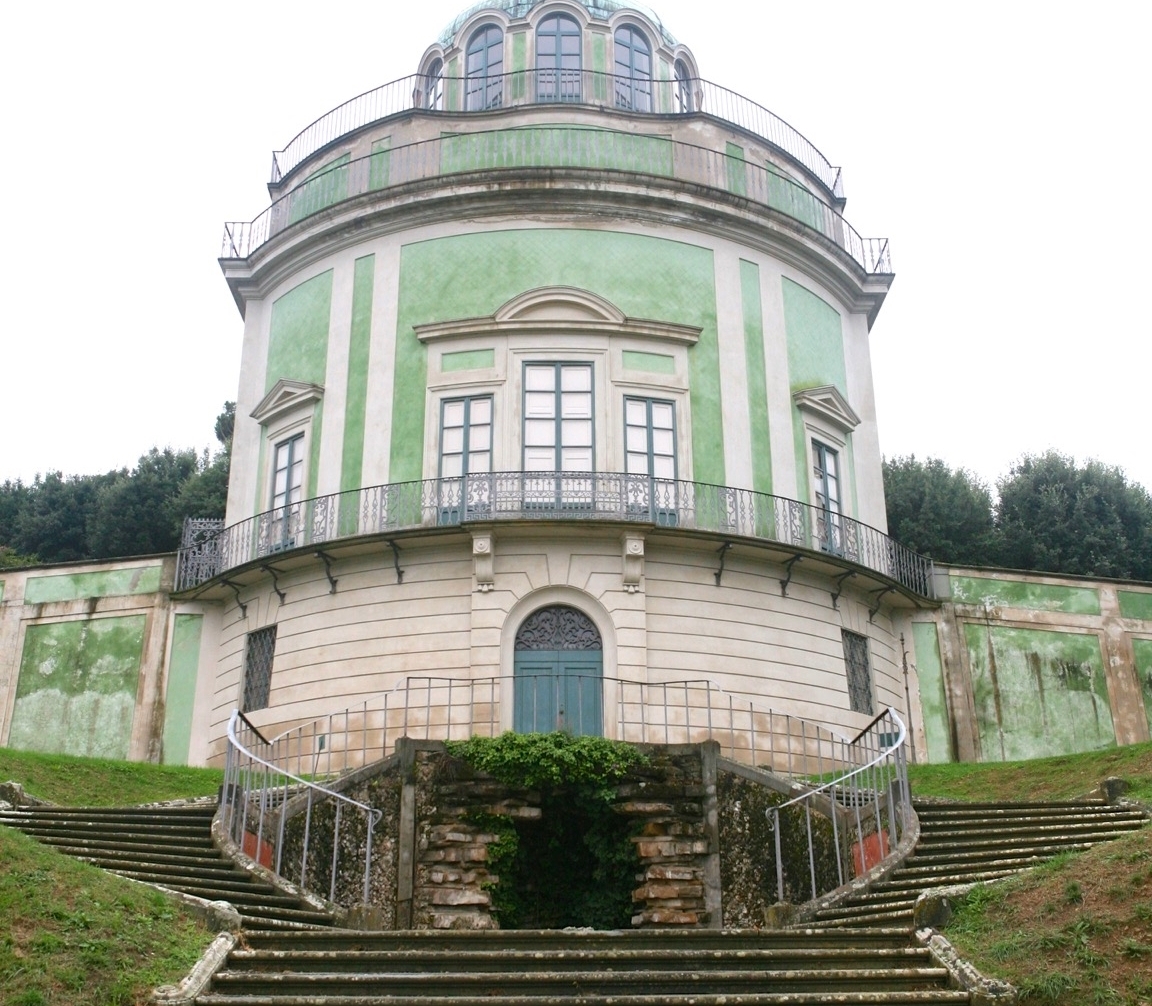
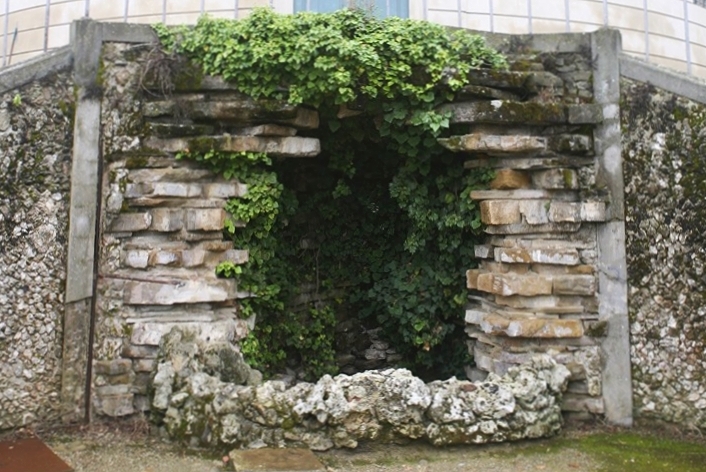
 Kaffehaus Grotto.

Kaffehaus Grotto.

 Kaffehaus Grotto.

Kaffehaus Grotto.

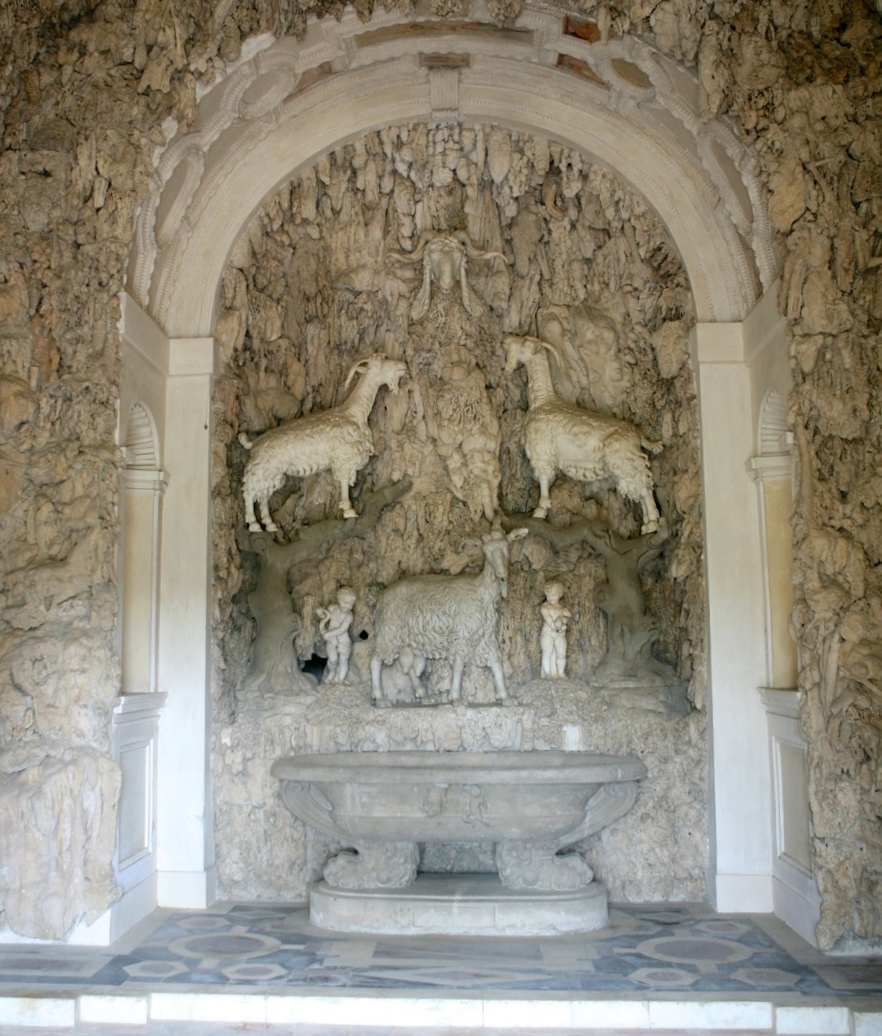
 Grotto grande.

Grotto grande.

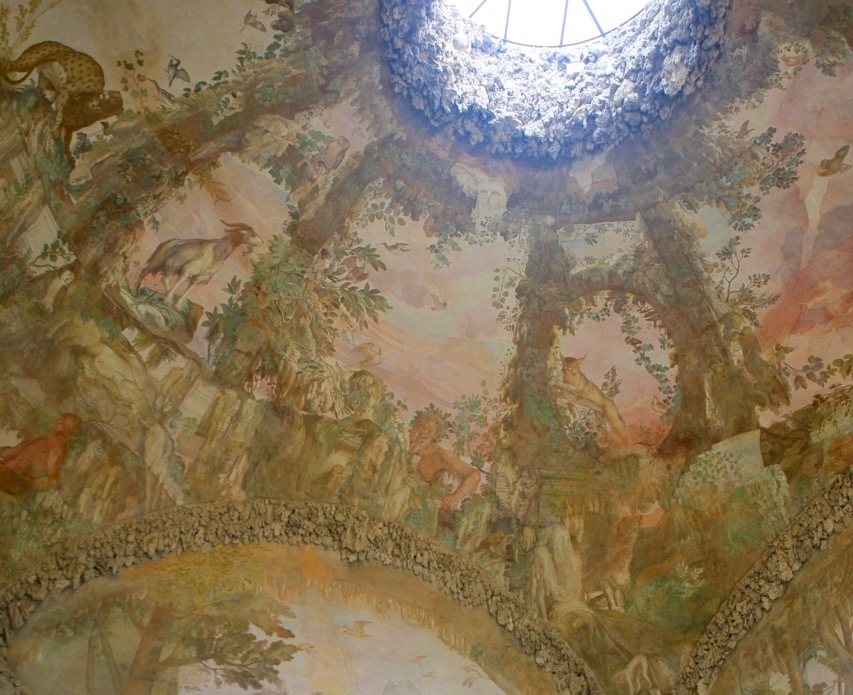
 Grotto grande ceiling detail.

Grotto grande ceiling detail.

 Grotto grande.

Grotto grande.

 Grotto grande interior.

Grotto grande interior.

 Grotto of Madama  Grotto of Madama. Grotto of Madama.  Kaffehaus Grotto.  Kaffehaus Grotto.  Grotto grande.  Grotto grande ceiling detail.  Grotto grande.  Grotto grande interior.

Boboli's grottos

David July 17, 2015

One of my favorite features in the Italian garden is the grotto.  A grotto is defined as “a small picturesque cave”. Grottos are a key feature of Greek and Roman stories: in Homer’s Odyssey, the man-eating giant Polyphemus lives in a grotto where he keeps his flock at night; in the legend of Seven Sleepers, a group seeks refuge from religious persecution in a grotto; and the Roman sea god Poseidon lives in a sea grotto.  Given that the Italian renaissance garden gets much inspiration from classical Greek and Roman culture, it should be no surprise that the grotto also plays a role in Italian renaissance gardens.

Cosimo I and Eleanora of Toledo's Pitti Palace, Florence, Italy.

Cosimo I and Eleanora of Toledo's Pitti Palace, Florence, Italy.

The grotto provides an element of surprise, a contrast to the more formal geometry of the rest of the garden.  Grottos are a destination.  They offer practical shelter from spring showers, summer sun, and winter winds. They can also be dark and a bit scary.  Because they are protective they enjoy special ornament, sculpture and painted walls that celebrate great legends. Best of all they are a place for luxurious plantings of shade loving plants like ferns and mosses that contrast with the arid summer climate outside.  The perfect grotto includes water-bathed walls that add sheen to the space, and a small stream to make soothing water sounds.

The 3 grottos above are from the Boboli gardens at Pitti Palace in Florence, Italy.

These gardens were commissioned by Eleonora di Toledo, wife of Cosimo I de Medici, Grand Duke of Tuscany as a private family garden.  Eleonora was from Spain and probably brought ideas from gardens there.  The initial plan was made by sculptor Niccolo Tribolo who also designed Cosimo’s country house, Villa Medici di Castello.  Tribolo passed away before the Boboli gardens were completed.  Architects Giorgio Vasari, Bartolomeo Ammannati, and Bernardo Buontalenti completed most of the work we see today.

Portrait of Eleonora of Toledo by Bronzino, 1544-45.  Watch a video about this portrait to learn more about Eleonora.

Portrait of Eleonora of Toledo by Bronzino, 1544-45.  Watch a video about this portrait to learn more about Eleonora.

Cosimo I. Source: National Gallery, UK.

Cosimo I. Source: National Gallery, UK.

Etching of Niccolò Tribolo. Source: members.efn.org

Etching of Niccolò Tribolo. Source: members.efn.org


Subsequent generations of the family added to the expansive.gardens.  On the early spring day that I visited Boboli, it mostly rained.  So it was the grottos that provided welcome cover as I worked my way through the garden. 

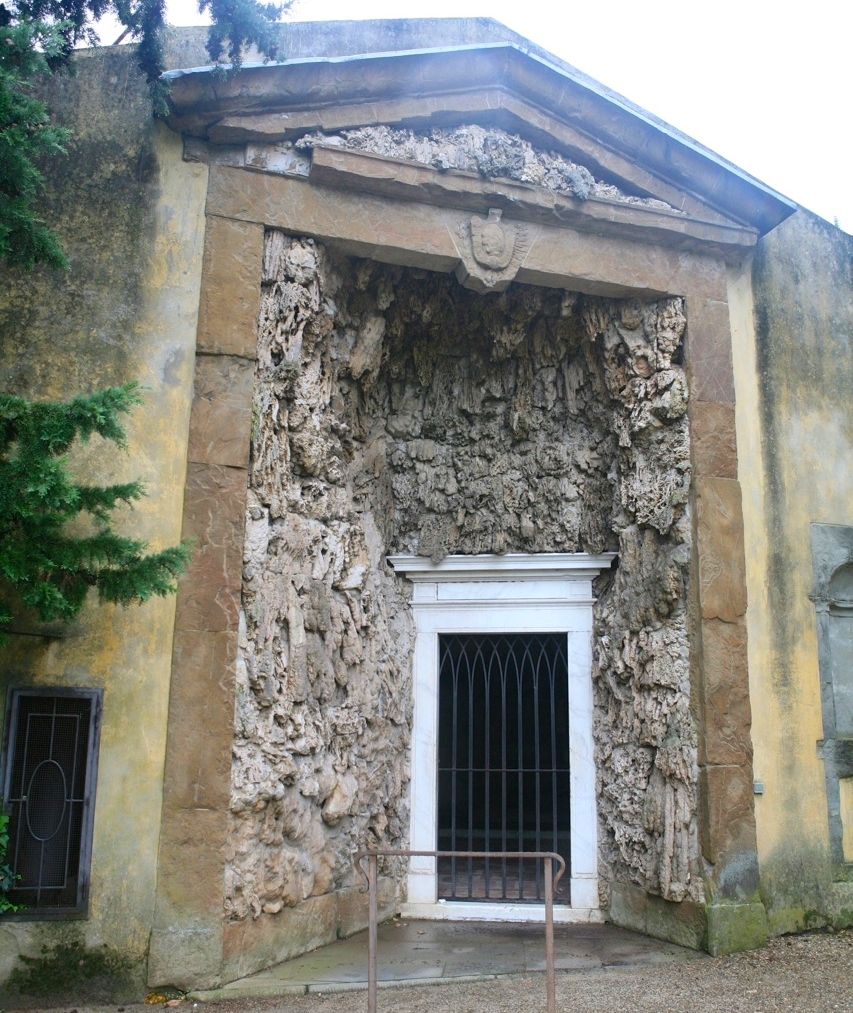
My favorite was the smaller grotto of Madama with its beautiful palladian door frame set into what looks like natural rock.  Just brilliant to see “civilization” meeting “wilderness.”

The grotto at Kaffehaus, added in the 18th century, was quite intimate with a wonderful view of the garden there. 

Grotta Grande by architect Bernardo Buontalenti, 1593.

Grotta Grande by architect Bernardo Buontalenti, 1593.

The most famous grotto at Boboli is Grotta Grande by architect Bernardo Buontalenti.  It took 10 years to build and it was completed in 1593.  It fills the space of an entire building, and it is divided into 3 sections.  The first is painted to look like a natural grotto that an actual shepherd would use, and 2 other rooms, all incorporating a mixture of beautiful classical sculpture and naturalistic rock structures.

Although at first it might seem extreme to add a grotto to a modern day garden, I think that the concept is worth considering.  Imagine a relatively small, sheltered space tucked into the garden: a secret hide-out where you can read a book or take a nap.

Though I don’t have space for one now, in the dream garden that I am working on in my mind, I have tucked a small grotto into the far corner of the garden as a special retreat.

Any grotto stories from your garden?


In Italian renaissance Tags Boboli Gardens, Bernardo Buontalenti, Florence, Italy, Grotto, Eleanora di Toledo, Cosimo I di Medici, Niccolo Tribolo, Giorgio Vasari, Bartolomeo Ammannati
Comment
thegoodgarden|villa|diCastello|italy|0710.jpg
thegoodgarden|villa|diCastello|italy|0712.jpg
thegoodgarden|villa|diCastello|italy|0692.jpg
thegoodgarden|villa|diCastello|italy|0786.jpg
thegoodgarden|villa|diCastello|italy|0704.jpg
thegoodgarden|villa|diCastello|italy|0683.jpg
thegoodgarden|villa|diCastello|italy|0710.jpg thegoodgarden|villa|diCastello|italy|0712.jpg thegoodgarden|villa|diCastello|italy|0692.jpg thegoodgarden|villa|diCastello|italy|0786.jpg thegoodgarden|villa|diCastello|italy|0704.jpg thegoodgarden|villa|diCastello|italy|0683.jpg

Monumental containers

David April 22, 2015

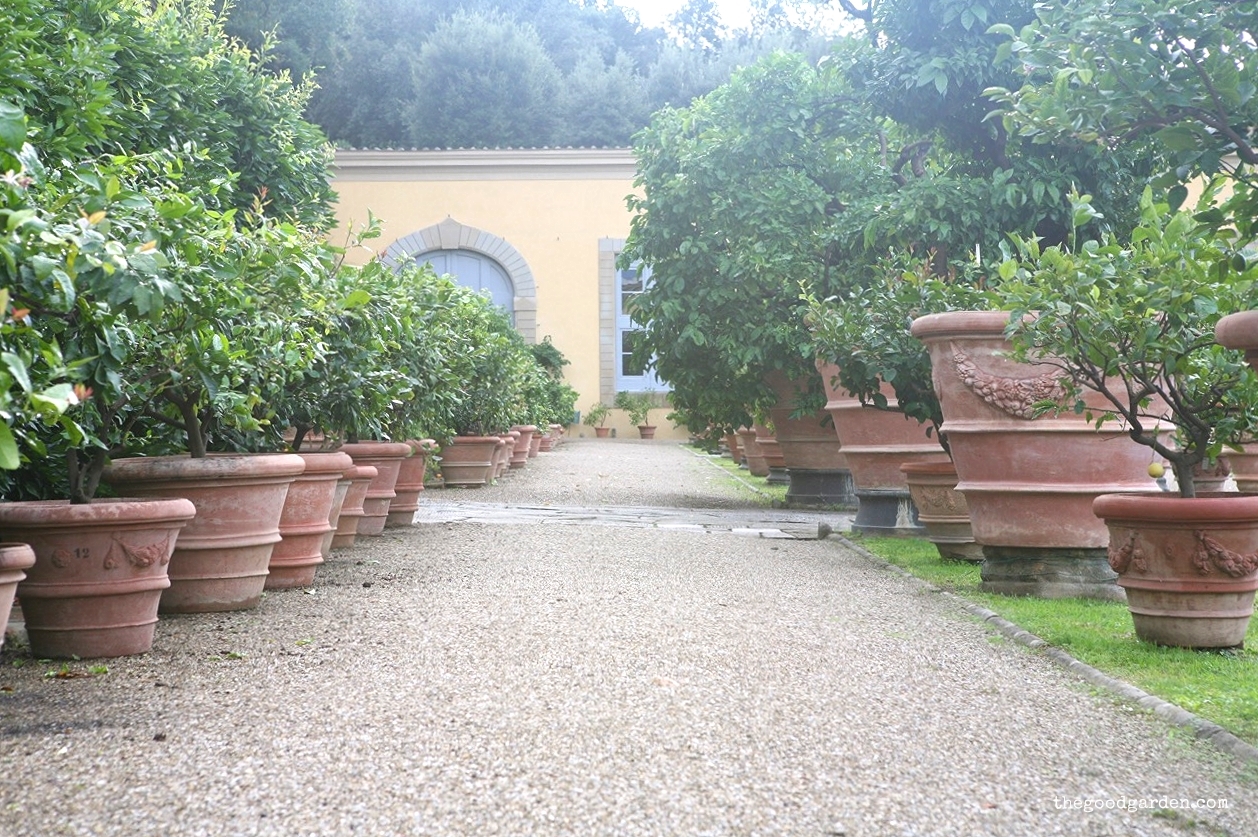
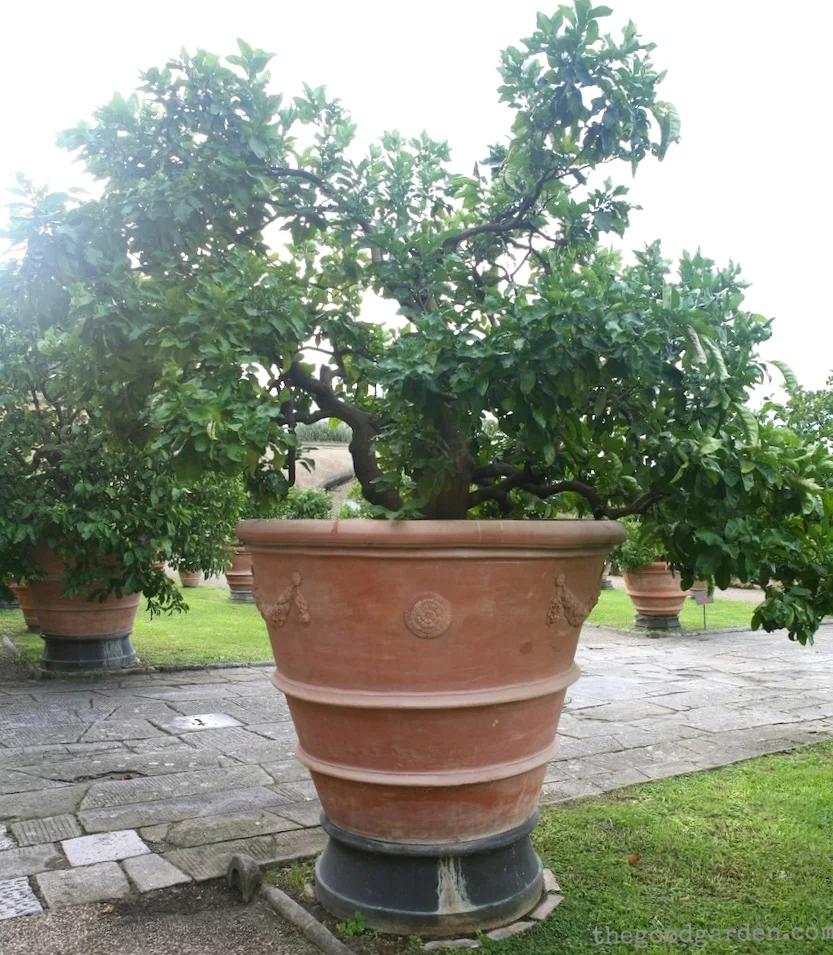
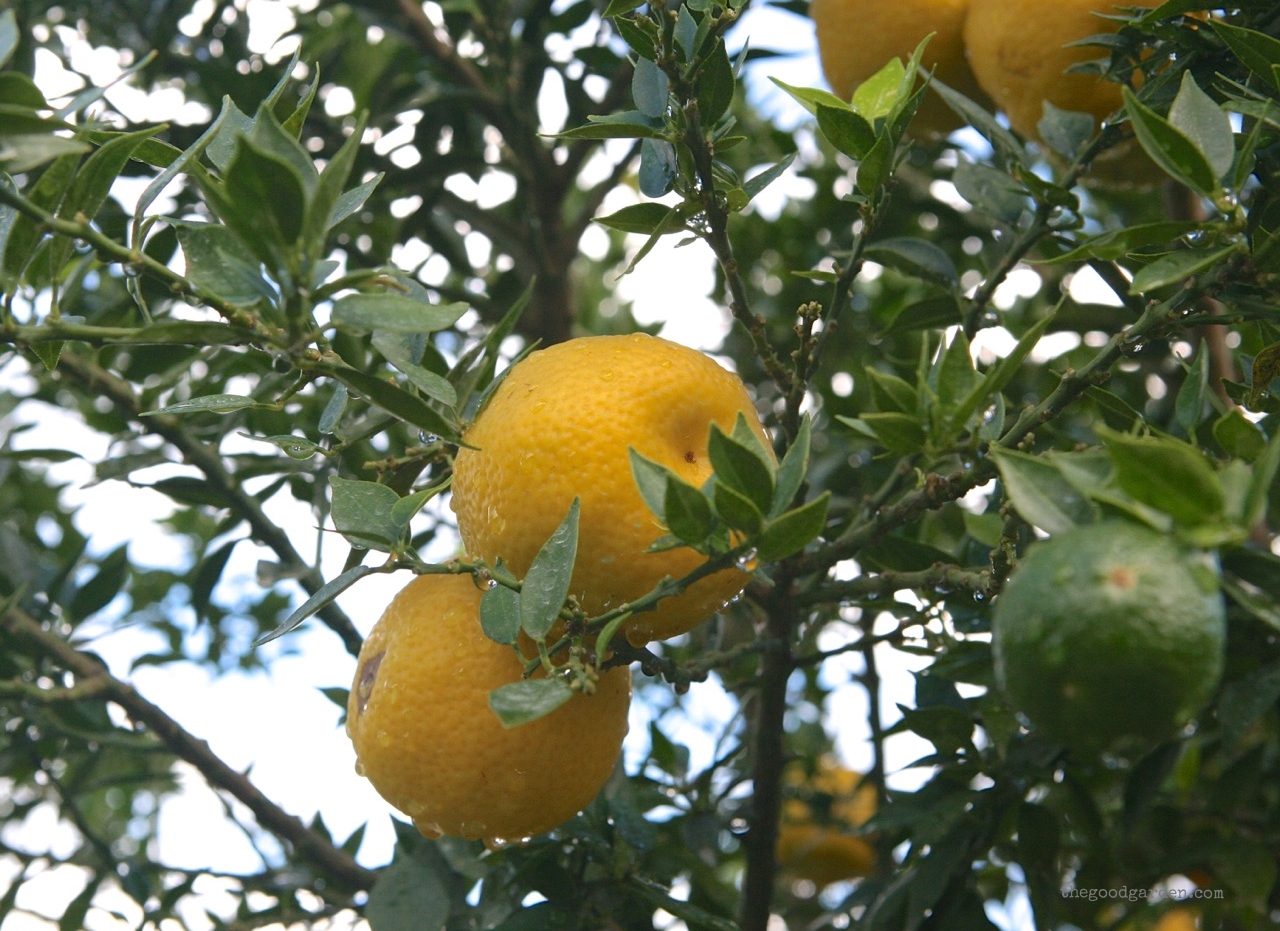
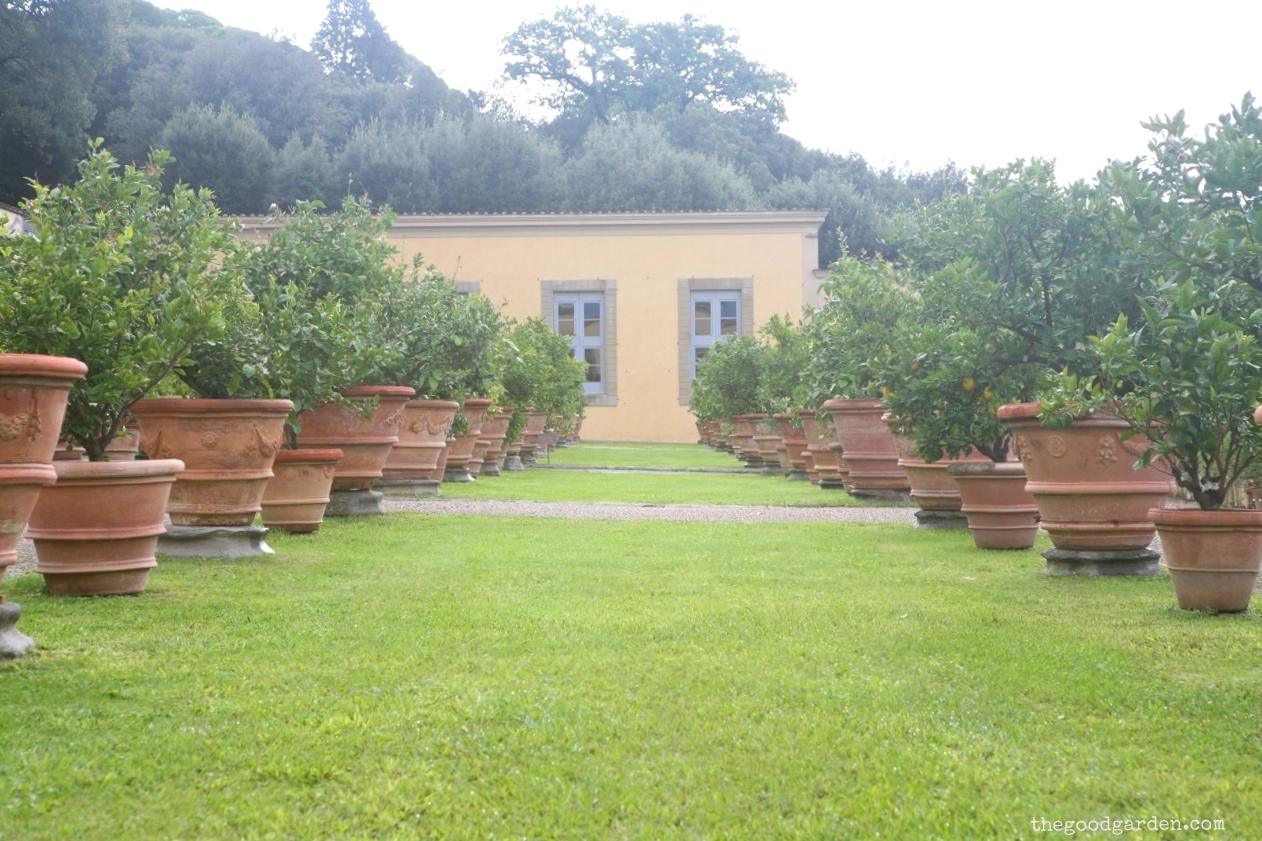
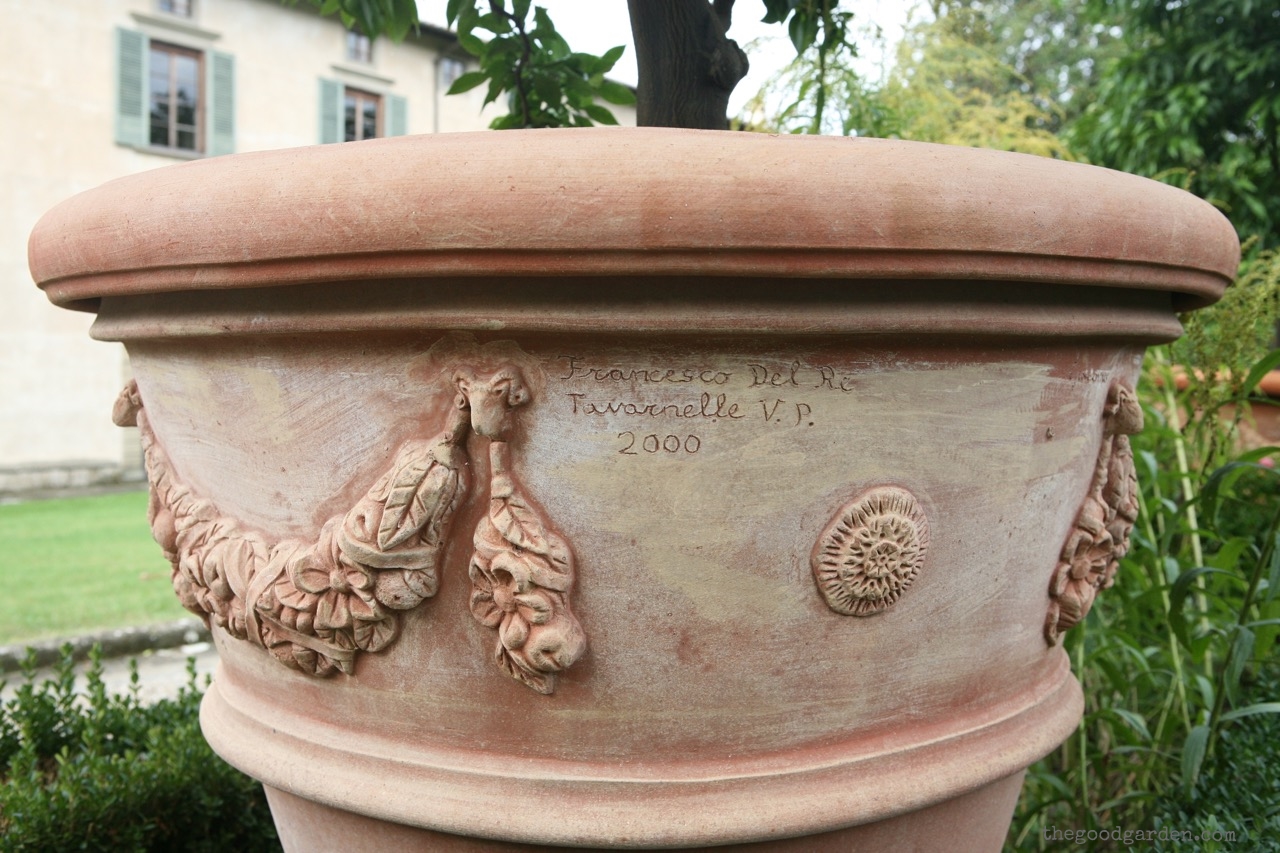
I fell in love with these monumental terra cotta pots at Villa di Castello in Florence, Italy.  Originally the country estate of Cosimo I de Medici, Grand Duke of Tuscany, this Italian renaissance garden includes fountains, statuary, a grotto, and a bosque.  But it is these massive, earthy containers filled with citrus trees that captured my interest the most.

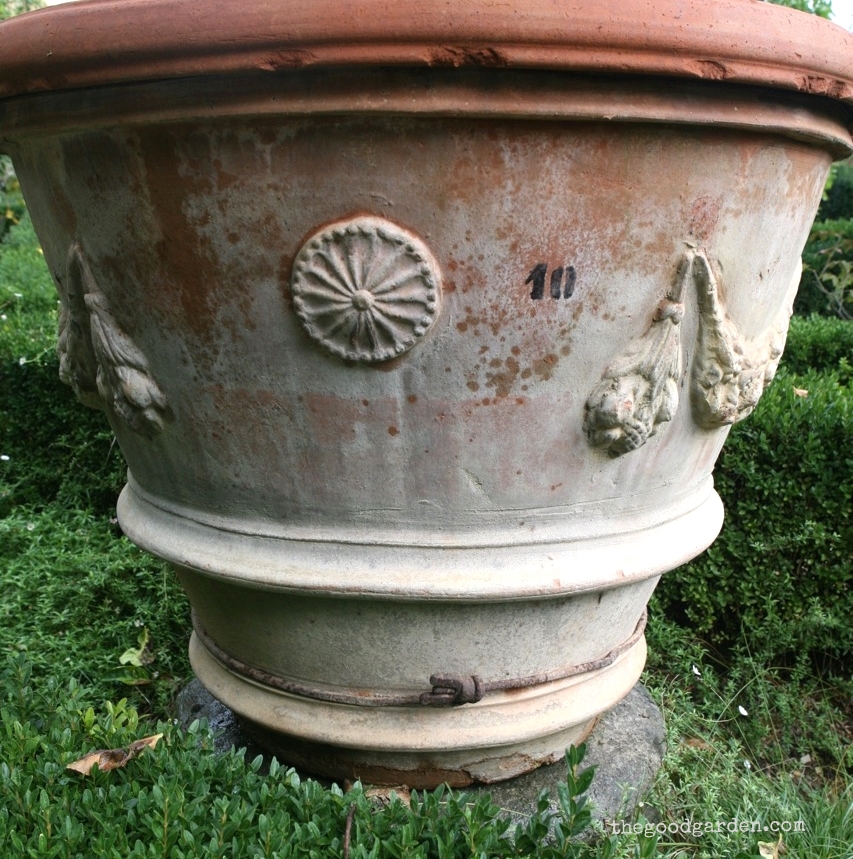
Each container is slightly different in age, size, and ornamentation. Some even have heavy wire bands for added strength.  By using a consistent material, terra cotta, and by placing them along the gravel paths, they create a unified whole. I am especially drawn to the slight imperfections and irregularities in each container that communicate “hand made” and add to their warmth. 

The garden equivalent of a navy blazer or black dress, terra cotta goes with everything.  Letting the plants, and the design, shine through.  In this case, they also serve a functional purpose.  The trees become portable so that they can be moved into shelter when the weather gets too cold.  Though I’d love to see how they move several hundreds of pounds of pot, dirt, and tree.

Terra cotta literally translates as baked earth.  And nobody does terracotta like the town of Imprunetta, Italy.  Terra cotta has been made in this area since the first Etruscan settlements 3,000 years ago and the first industry association for terra cotta manufacturers goes back to 1300! 

Pots are made by hand using the coil method where the sides of the vessel are built up one layer at a time.  Once ornamentation is applied, pots are dried and fired in a wood-burning kiln that reaches nearly 2000°F (1000°C).  This gives traditional terra cotta its strength and durability.

The garden was designed in 1538 by Niccolò Tribolo who later designed Boboli Garden.

See more Italian renaissance gardens here.
 
 
In Italian renaissance Tags garden ornament, plant containers, terra cotta, Florence, Italy, Villa di Castello
Comment
  • Blog
  • Older
  • Newer
Subscribe
Garden stories
 
facebook email
  • Policies
  • Contact
  • Subscribe
Garden stories

©2025 David Calle. The Good Garden.

the good garden

garden history, design inspiration

facebook email