the good garden

garden history, design inspiration
  • Home
  • My story
  • Talks and Articles
  • Resources
    • Places
    • Styles
    • Books, Video, Websites
  • Home
  • My story
  • Talks and Articles
    • Places
    • Styles
    • Books, Video, Websites

Blog

The good garden blog is about sharing garden inspiration and ideas from historic gardens around the world and some right next door.  Garden stories explore garden history, design, and the garden people behind famous and not-so-famous gardens.  My garden photographs span dozens of places across 5 continents.  Please join me in celebrating good garden design.

  • All
  • Arts and crafts
  • Chinese
  • Cloister
  • French formal
  • Gardenesque
  • Islamic
  • Italian renaissance
  • Japanese
  • Modernist
  • Picturesque
  • Roman
  • Thai
  • Vegetable
  • Wild
thegoodgarden|atlanta|history|museum|205.jpg
thegoodgarden|atlanta|history|museum|194.jpg
thegoodgarden|atlanta|history|museum|197.jpg
thegoodgarden|atlanta|history|museum|212.jpg
thegoodgarden|atlanta|history|museum|295.jpg
thegoodgarden|atlanta|history|museum|193.jpg
thegoodgarden|atlanta|history|museum|234.jpg
thegoodgarden|atlanta|history|museum|205.jpg thegoodgarden|atlanta|history|museum|194.jpg thegoodgarden|atlanta|history|museum|197.jpg thegoodgarden|atlanta|history|museum|212.jpg thegoodgarden|atlanta|history|museum|295.jpg thegoodgarden|atlanta|history|museum|193.jpg thegoodgarden|atlanta|history|museum|234.jpg

Good design never goes out of style

David April 10, 2015

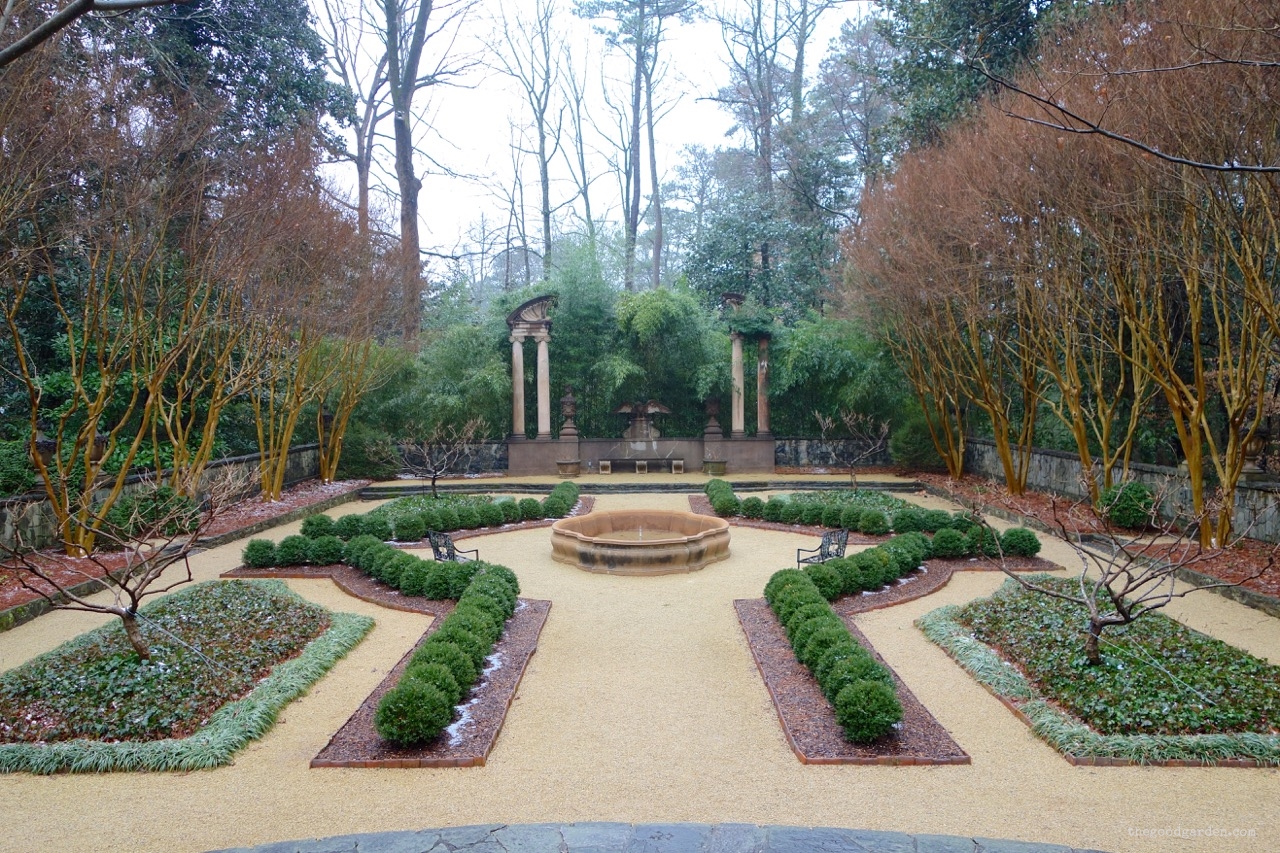
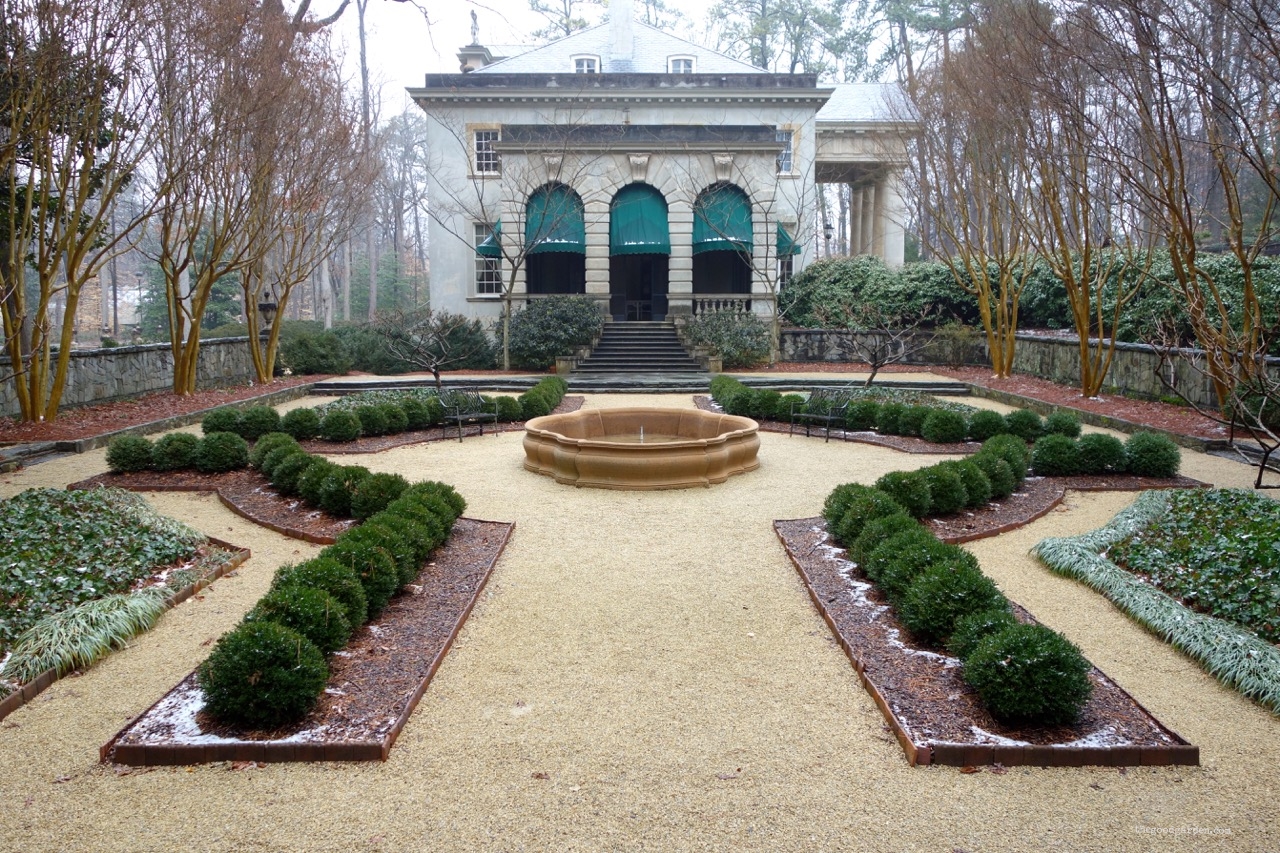
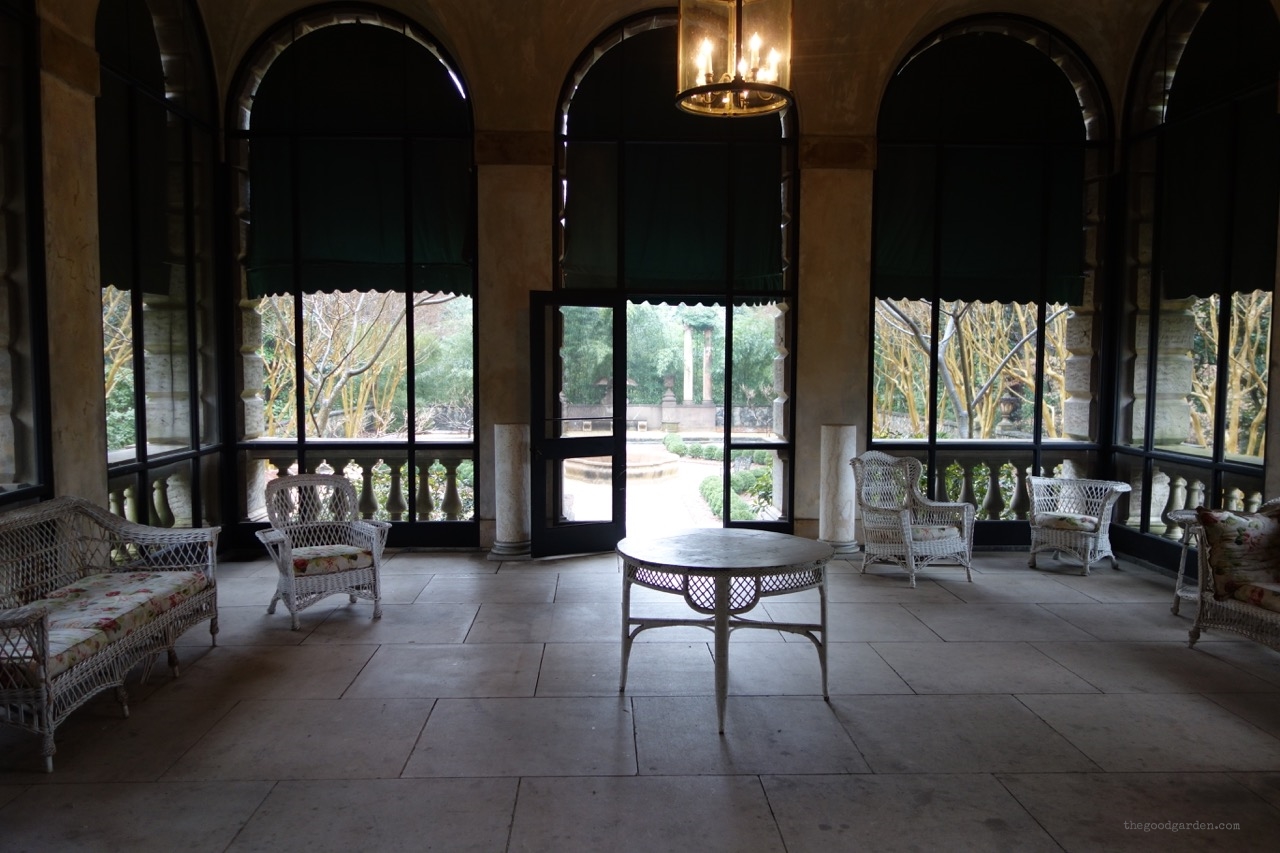
This side garden in Atlanta, Georgia is a wonderful space where scale, geometry, symmetry, and simplicity work together.

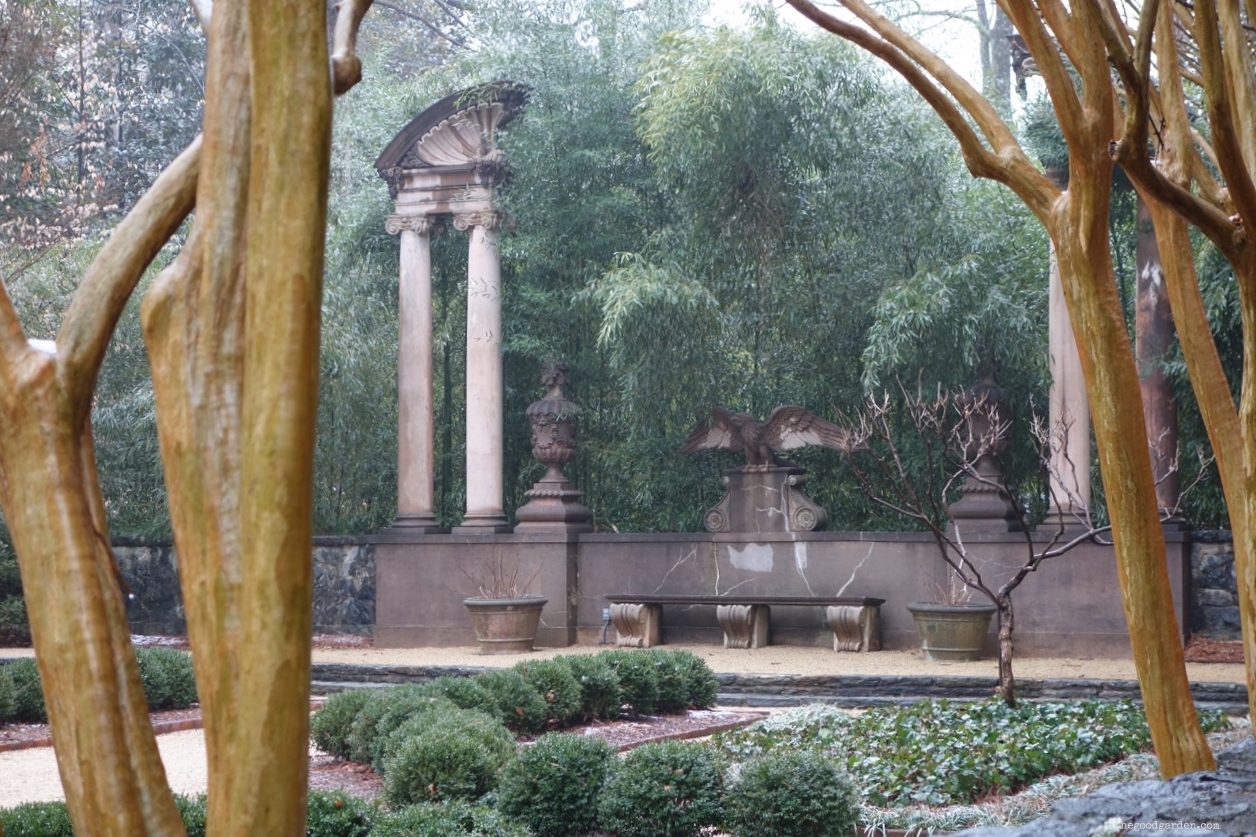
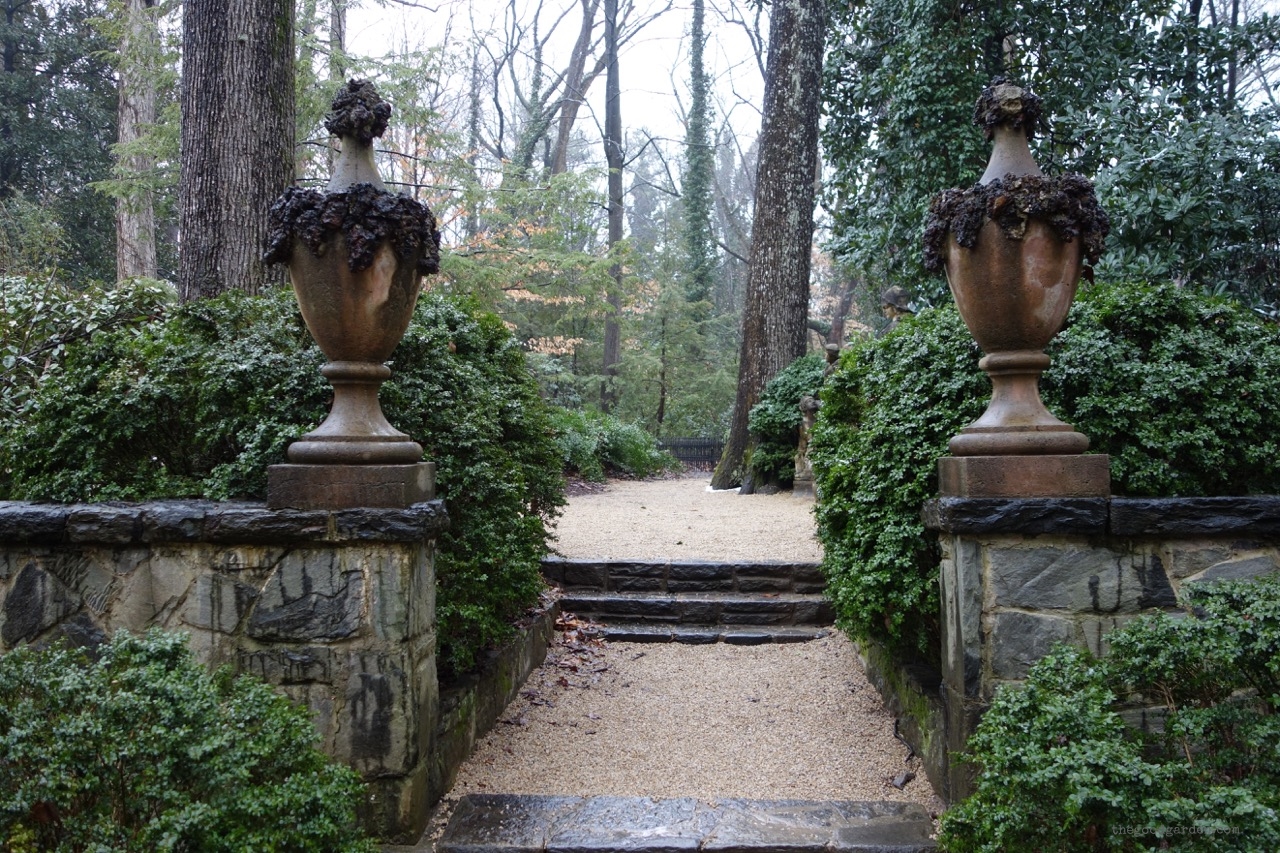
A matching pair of brownstone urns and a few steps down mark the entrance to the garden.  Set in a rectangle that lines up perfectly with a side porch, plantings and stone paths frame a central water feature.  On both sides an allee of crape myrtles creates a sense of enclosure and shelter.  Their colorful bark stands out on this rainy spring day.  Tall columns and a grove of bamboo pull the eye to the back of the garden.  The choice of plant material gives this garden a sense of place, but it’s the monumental stone eagle that says ‘we are in America.’

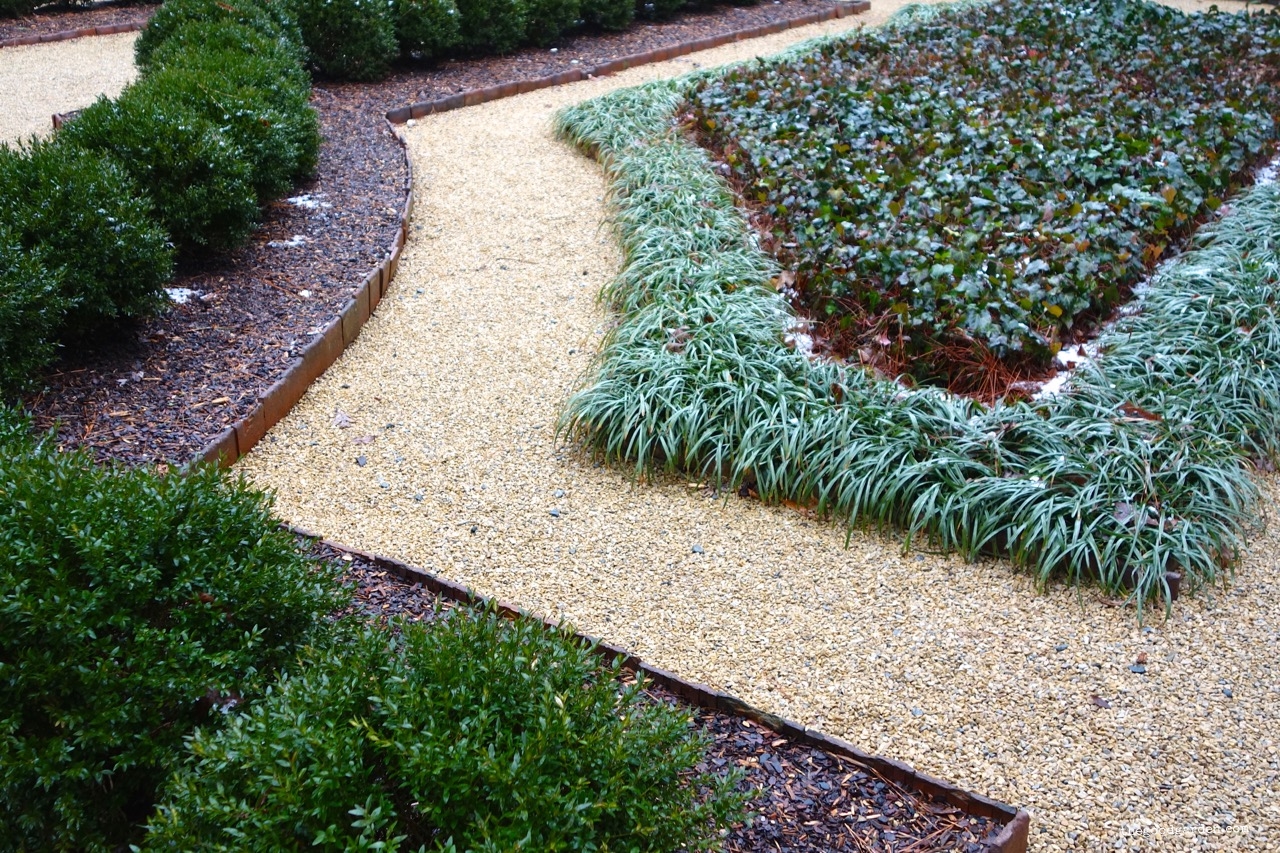
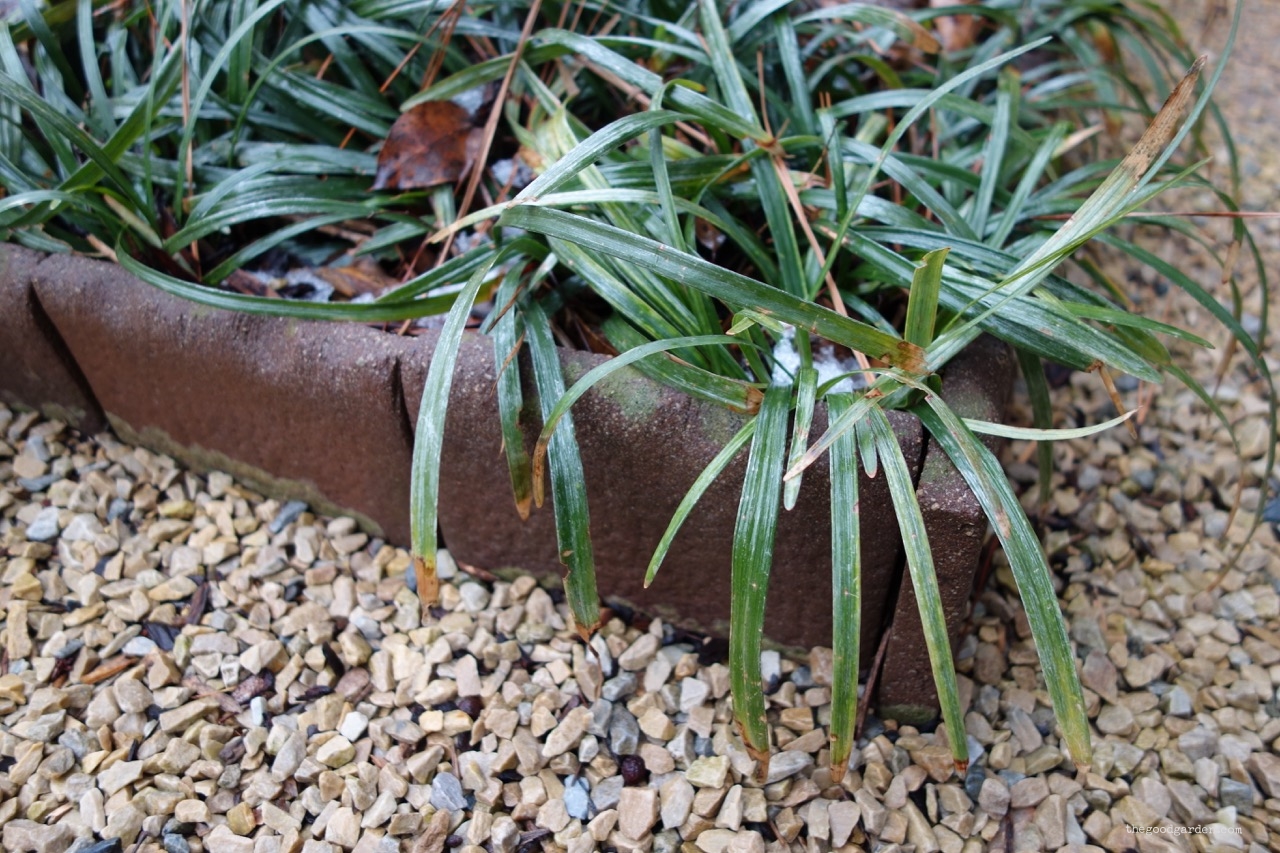
This is a large garden that could easily be scaled for a smaller space.   And the simple plant palette - boxwood, bamboo, crape myrtle, ivy, and miscanthus – would work well in many situations. 

Philip Trammell Shutze, ca. 1920 / unidentified photographer. Allyn Cox papers, Archives of American Art, Smithsonian Institution.

Philip Trammell Shutze, ca. 1920 / unidentified photographer. Allyn Cox papers, Archives of American Art, Smithsonian Institution.

Philip Trammell Shutze designed the Swan House and garden in 1928 for the Inman family, whose wealth came from their cotton brokerage business.  Shutze was educated in the US and won the Rome Prize to attend the American Academy in Rome in the 1915.  Georgia Tech School of Architecture professor Robert Craig describes Shutze as,“…an academic architect of the first order, known during his career as America's greatest living classical architect. The Columbus native was a designer of skill, with a masterly sense of proportion and scale, and a talent seldom rivaled by his contemporaries. For forty years he designed many of Atlanta's most elegant homes and buildings.” Source: Robert M. Craig, "Philip Trammell Shutze (1890-1982)." New Georgia Encyclopedia. 04 November 2013.

The Swan House gardens are done in the Italian renaissance style, which Shutze experienced during his time in Italy.  For the well-to-do of the time, this approach was coming back into favor.  For example, garden designer Diego Suarez started work on the Italian renaissance masterpiece at Vizcaya in 1914 and at Villa Acton in 1908, where he used columns similar to those at Swan House. 

Sitting in Swan House’s side garden, I was struck that this is not just a calming rectangular space.  Instead it represents 2,000 years of garden design, handed down, borrowed, and built upon over time.  The core elements of this garden date back to some of the earliest civilizations: around 100 CE, the Romans borrowed similar ideas of axis, symmetry, and geometry from the Greeks, Persians, and Egyptians.  In the 1500’s the Italians went back to the Romans for garden inspiration.  And here we sit in 1920’s America, enjoying ideas borrowed from the Italian renaissance.   

419ZB1307jL.jpg

Good garden design never goes out of style. 

American Classicist: The Architecture of Philip Trammell Shutze by Elizabeth Meredith Dowling is a wonderful book about Shutze's education, professional contribution, and life as an "old eccentric Southern bachelor."  The photography of Timothy Hursley allows us to tour his many projects.  The old photographs of Shutze in Italy, from his own collection and the Smithsonian, particularly captured my imagination and are worth a look.  They provide insight into formative experiences that influenced his later work.  Here is just a glimpse at a few examples.
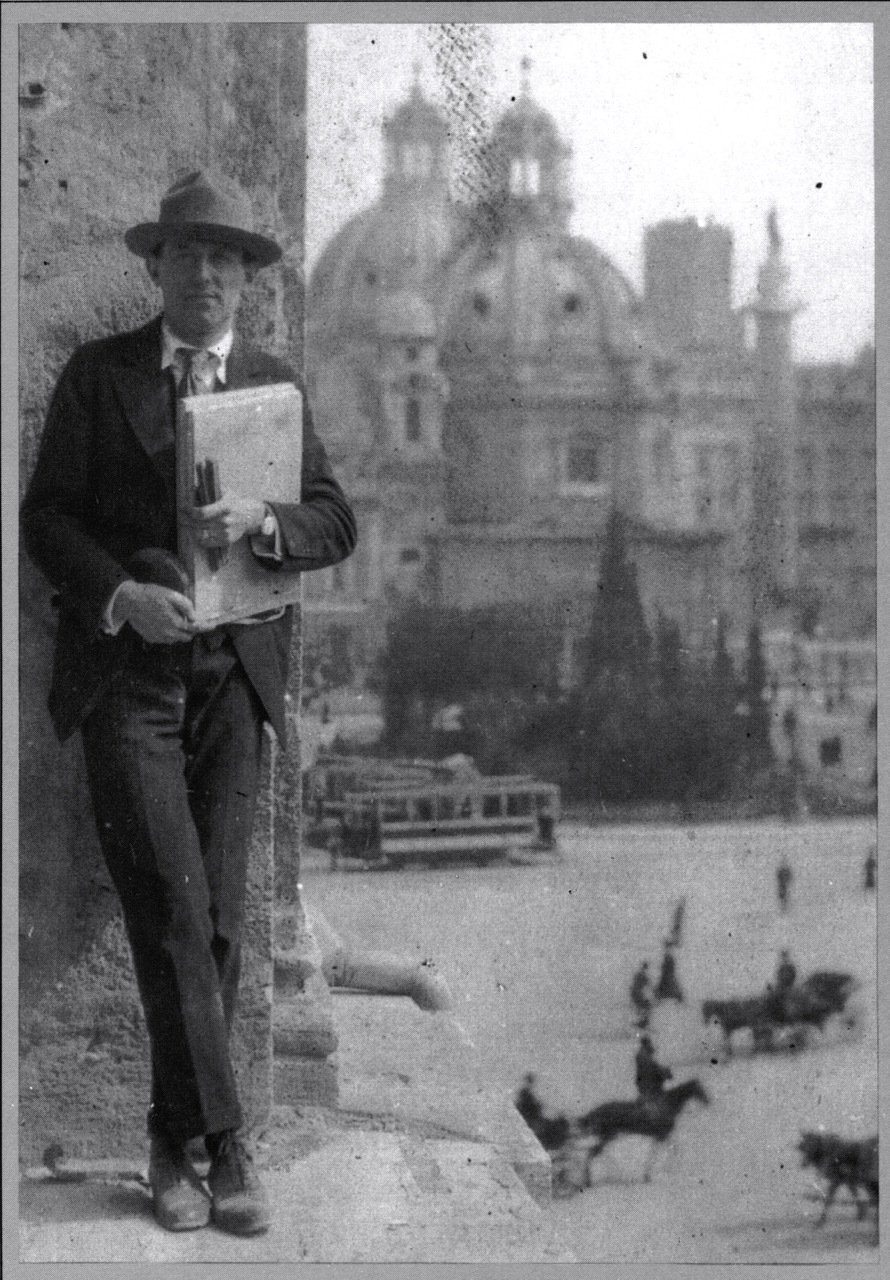
 

Philip Trammell Shutze with sketchbook overlooking the Piazza Venezia in Rome around 1917. Source: E.M. Dowling, American Classicist. Shutze Collection.
Philip Trammell Shutze with sketchbook overlooking the Piazza Venezia in Rome around 1917. Source: E.M. Dowling, American Classicist. Shutze Collection.

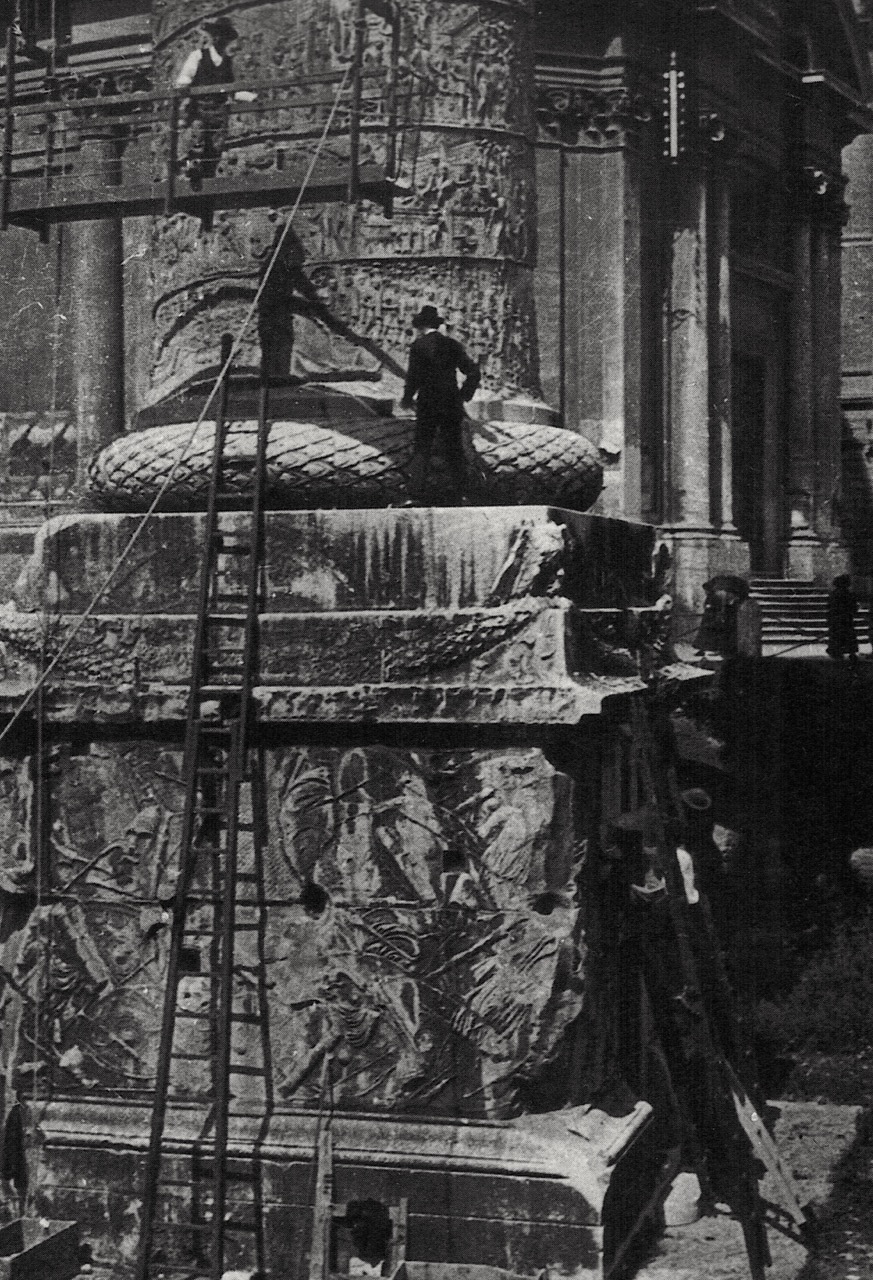
Shutze and colleagues making a rubbing of inscriptions at the base of Trajan's Column, Rome. Source: E.M. Dowling, American Classicist. Smithsonian Institution.
Shutze and colleagues making a rubbing of inscriptions at the base of Trajan's Column, Rome. Source: E.M. Dowling, American Classicist. Smithsonian Institution.

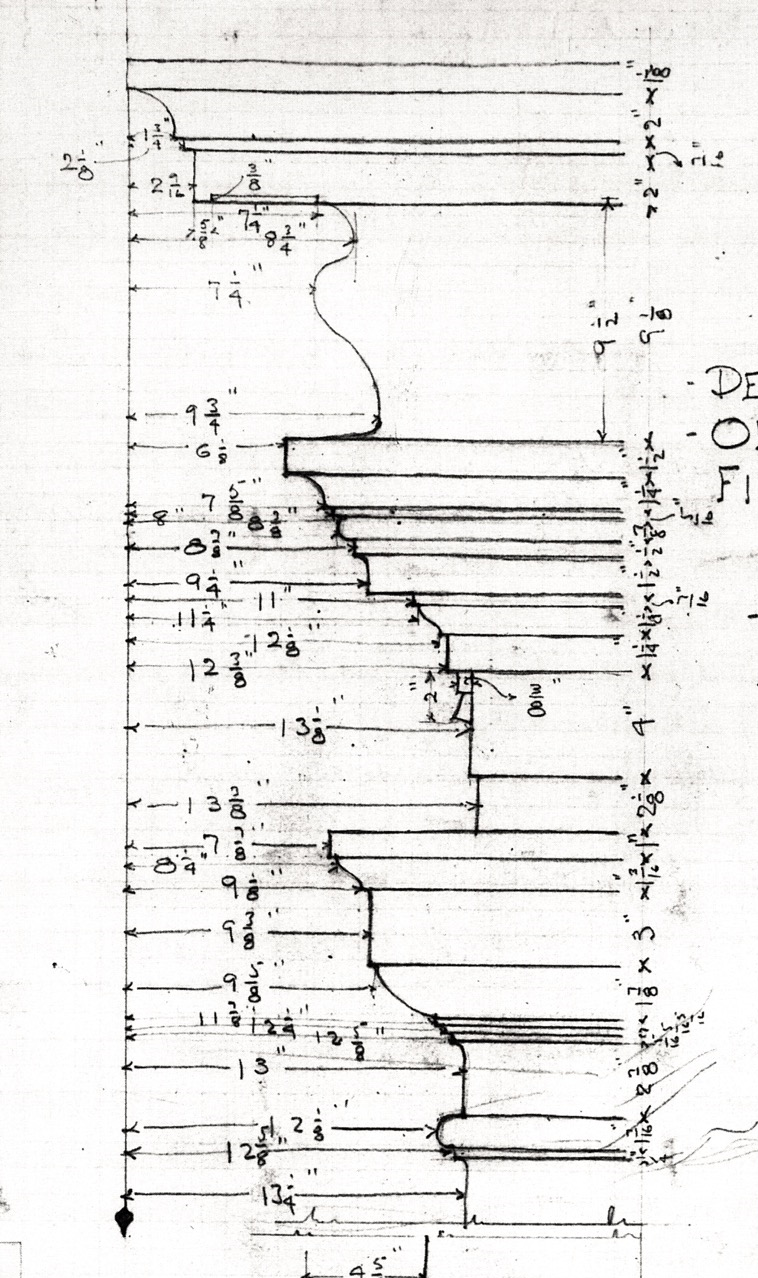
A page from Shutze's sketchbook showing the technique used to record molding details.  Source: E.M. Dowling, American Classicist. Shutze Collection.
A page from Shutze's sketchbook showing the technique used to record molding details.  Source: E.M. Dowling, American Classicist. Shutze Collection.


In Italian renaissance Tags Philip Trammell Shutze, Atlanta History Center, Swan House, garden history, historic gardens, garden ornament, Elizabeth Meredith Dowling, Timothy Hursley, plant ideas, plant combinations
Comment
thegoodgarden|vizcaya|diegosuarez|553.JPG.jpg
thegoodgarden|vizcaya|diegosuarez|653.jpg
thegoodgarden|vizcaya|diegosuarez|642.JPG.jpg
thegoodgarden|vizcaya|diegosuarez|600.jpg
thegoodgarden|vizcaya|diegosuarez|661.jpg
thegoodgarden|vizcaya|diegosuarez|663.JPG.jpg
thegoodgarden|vizcaya|diegosuarez|716.jpg
thegoodgarden|vizcaya|diegosuarez|553.JPG.jpg thegoodgarden|vizcaya|diegosuarez|653.jpg thegoodgarden|vizcaya|diegosuarez|642.JPG.jpg thegoodgarden|vizcaya|diegosuarez|600.jpg thegoodgarden|vizcaya|diegosuarez|661.jpg thegoodgarden|vizcaya|diegosuarez|663.JPG.jpg thegoodgarden|vizcaya|diegosuarez|716.jpg

When money was no object

David December 27, 2014

Greetings from Florida!  As we recover from year-end shopping, travel, gift giving, and bills, let’s go back to a time when money was no object.

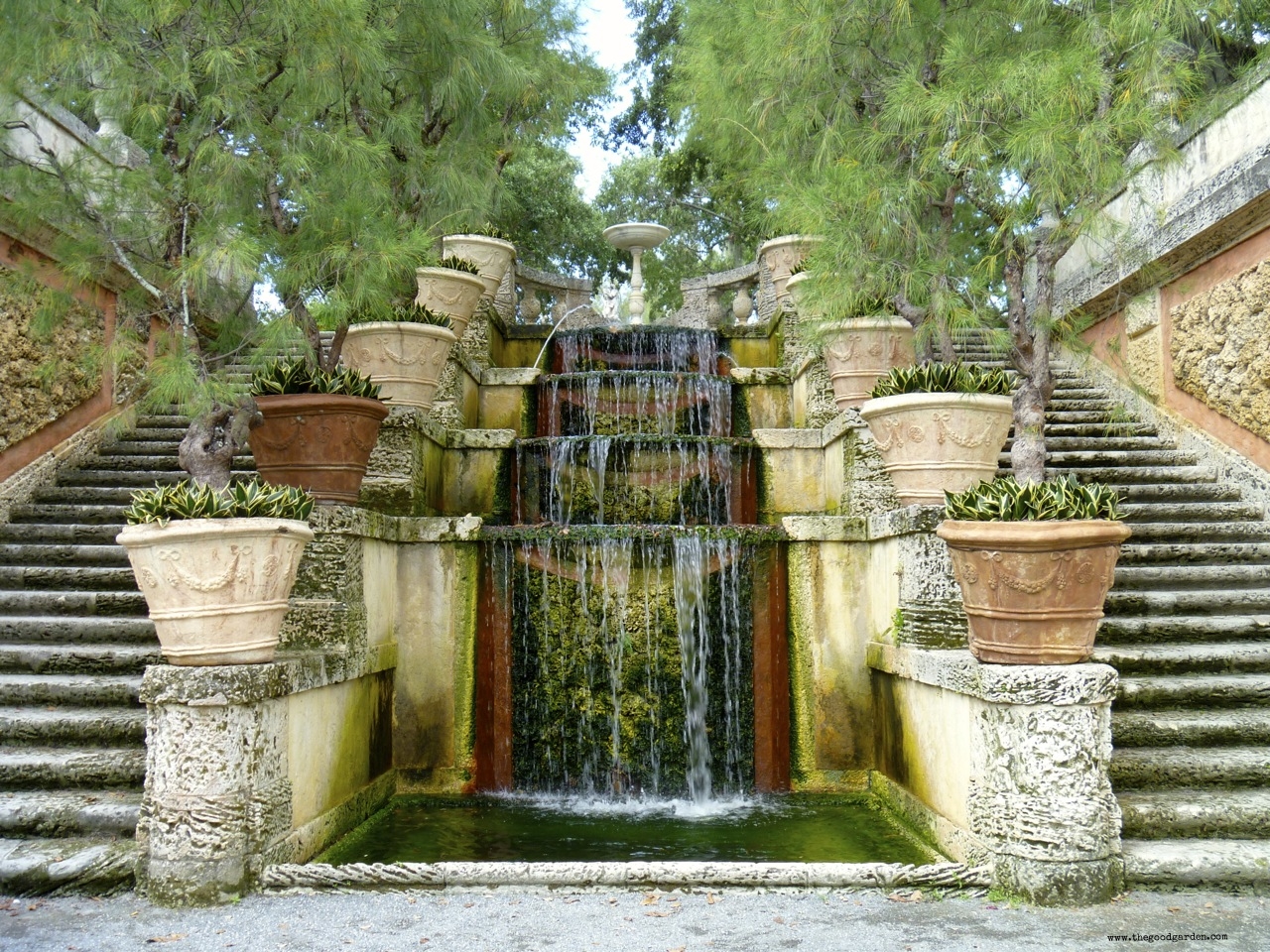
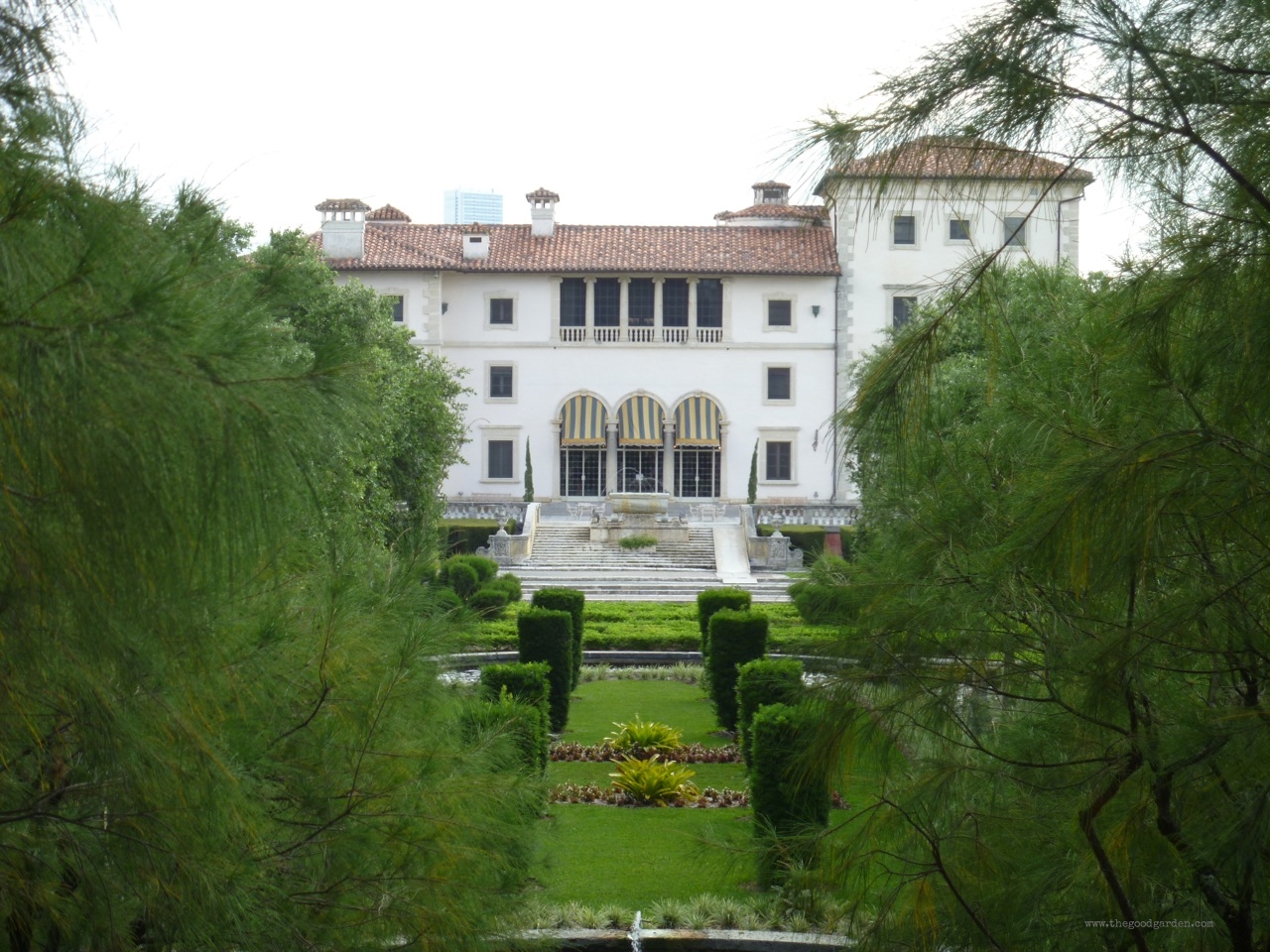
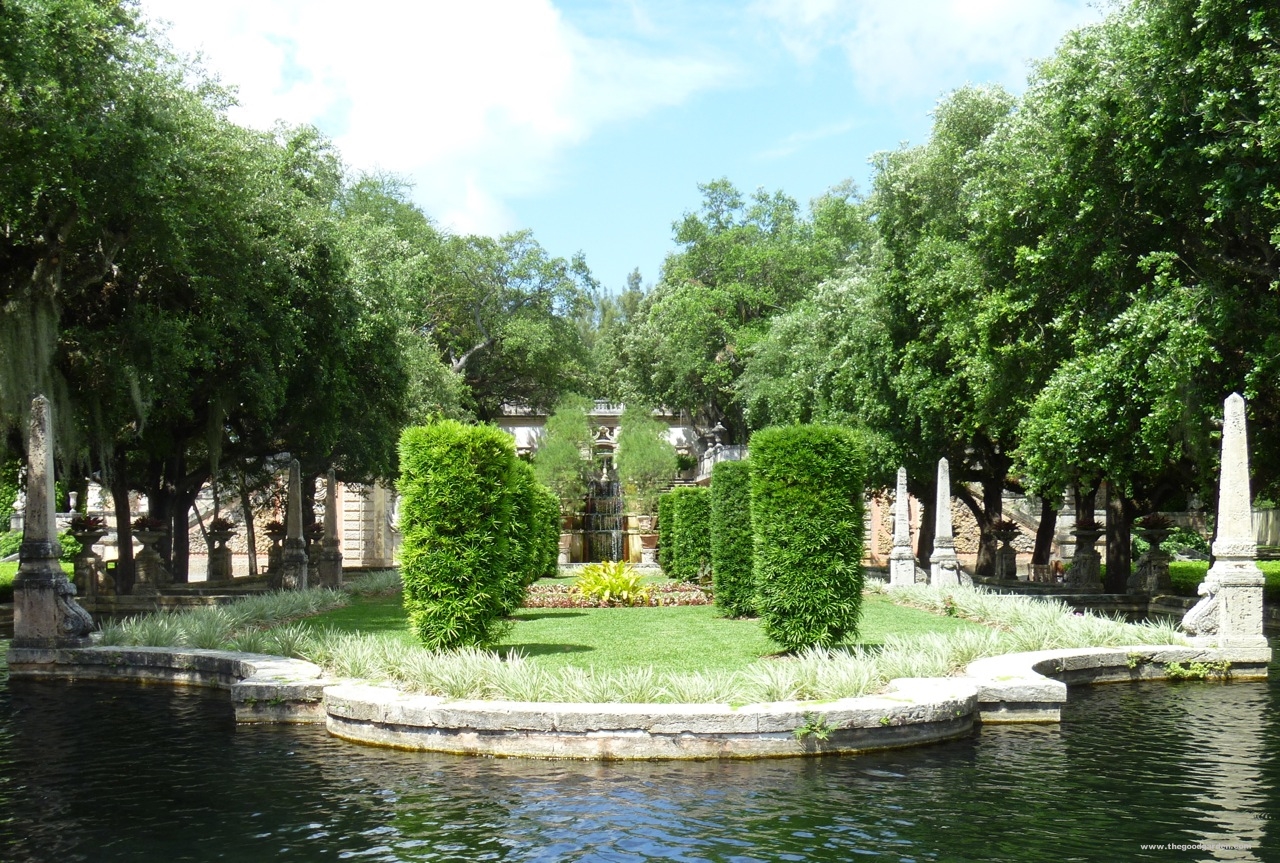
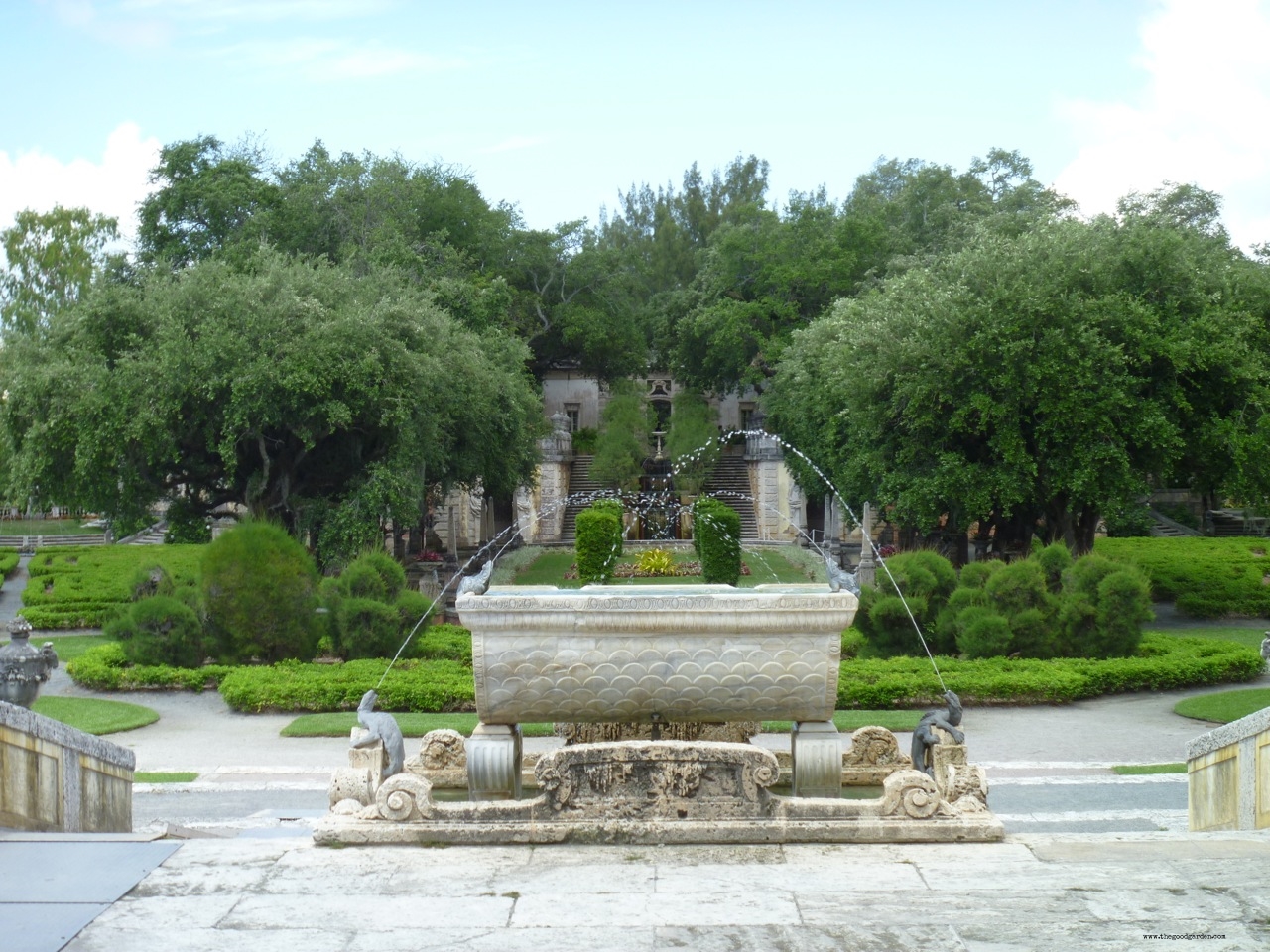
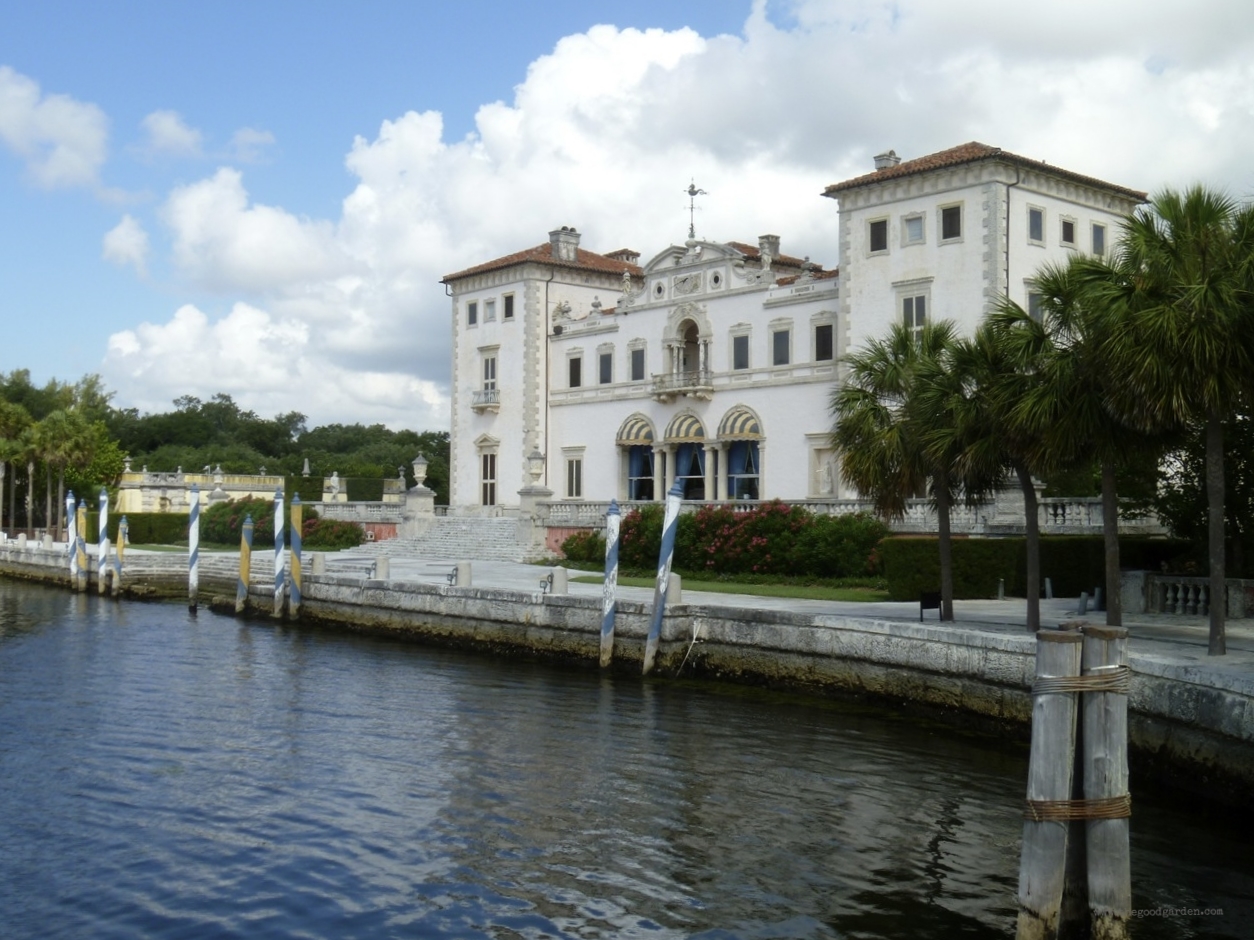
In 1915, American industrialist James Deering, of the International Harvester fortune hired Colombian landscape architect Diego Suarez to create Vizcaya, an Italian renaissance garden.  Modeled after the original ones from 350 years earlier, Deering picked Key Biscayne outside of Miami, Florida for its setting.  Suarez, a graduate of Florence's Accademia di Belle Arti, was an expert in historic Italian gardens and designed several famous gardens for the Anglo-American community in Florence.  He brought his knowledge to bear in the design for Vizcaya.  Part of the unique personality of this garden lies in Suarez's use of native plants within an Italian design framework, including oaks, royal palms, peach palm, elephant ear, and flowering lily.

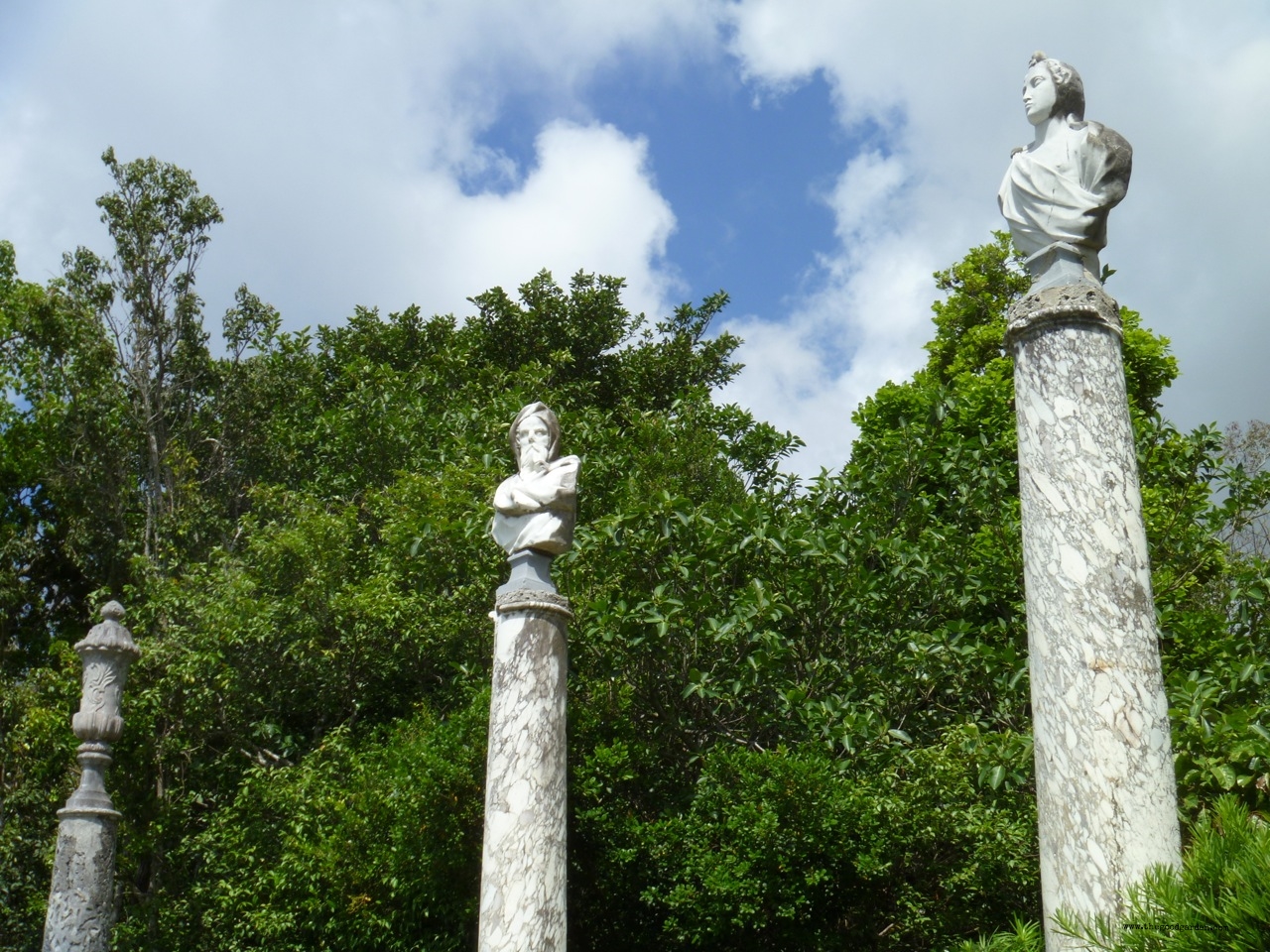
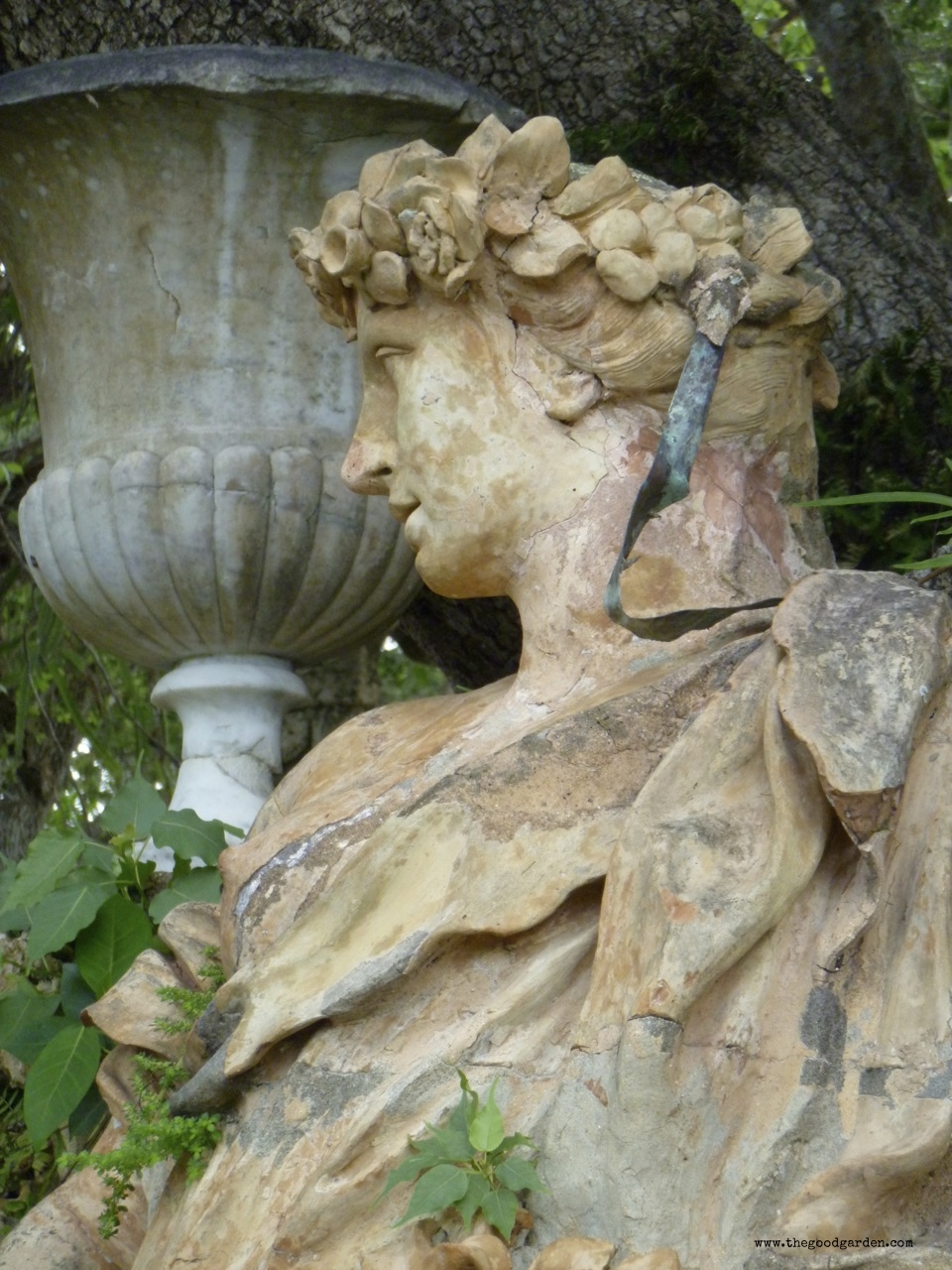
No expense was spared in building Vizcaya.  Trips to Europe involved visiting gardens for inspiration and meeting with antique dealers to collect original garden pots and statuary.  During the height of construction, 10% of the population of Miami was employed on the project.

In the photos here we see the use of axes, symmetry, order, repetition, and water. 

A visit to Vizcaya is well worth the time, especially in the winter months.  

Best wishes to all for 2015!

In Italian renaissance Tags Vizcaya, garden history, Miami, Florida, Garden inspiration, garden ideas, plant containers, plant ideas, herb garden, garden ornament, historic gardens, garden stories, garden design
Comment
thegoodgarden|villafarnese|6098.jpg
thegoodgarden|villafarnese|6107.jpg
thegoodgarden|villafarnese|6109.jpg
thegoodgarden|villafarnese|6116.jpg
thegoodgarden|villafarnese|6119.jpg
thegoodgarden|villafarnese|6138.jpg
thegoodgarden|villafarnese|6187.jpg
thegoodgarden|villafarnese|6285.jpg
thegoodgarden|villafarnese|6129.jpg
thegoodgarden|villafarnese|6329.jpg
thegoodgarden|villafarnese|6098.jpg thegoodgarden|villafarnese|6107.jpg thegoodgarden|villafarnese|6109.jpg thegoodgarden|villafarnese|6116.jpg thegoodgarden|villafarnese|6119.jpg thegoodgarden|villafarnese|6138.jpg thegoodgarden|villafarnese|6187.jpg thegoodgarden|villafarnese|6285.jpg thegoodgarden|villafarnese|6129.jpg thegoodgarden|villafarnese|6329.jpg

Italian garden show

David December 23, 2014

The European renaissance marked the end of the middle ages.  By 1500 the city-states of Italy were flush with money and ready to show off.  And part of showing off included a new style of garden.

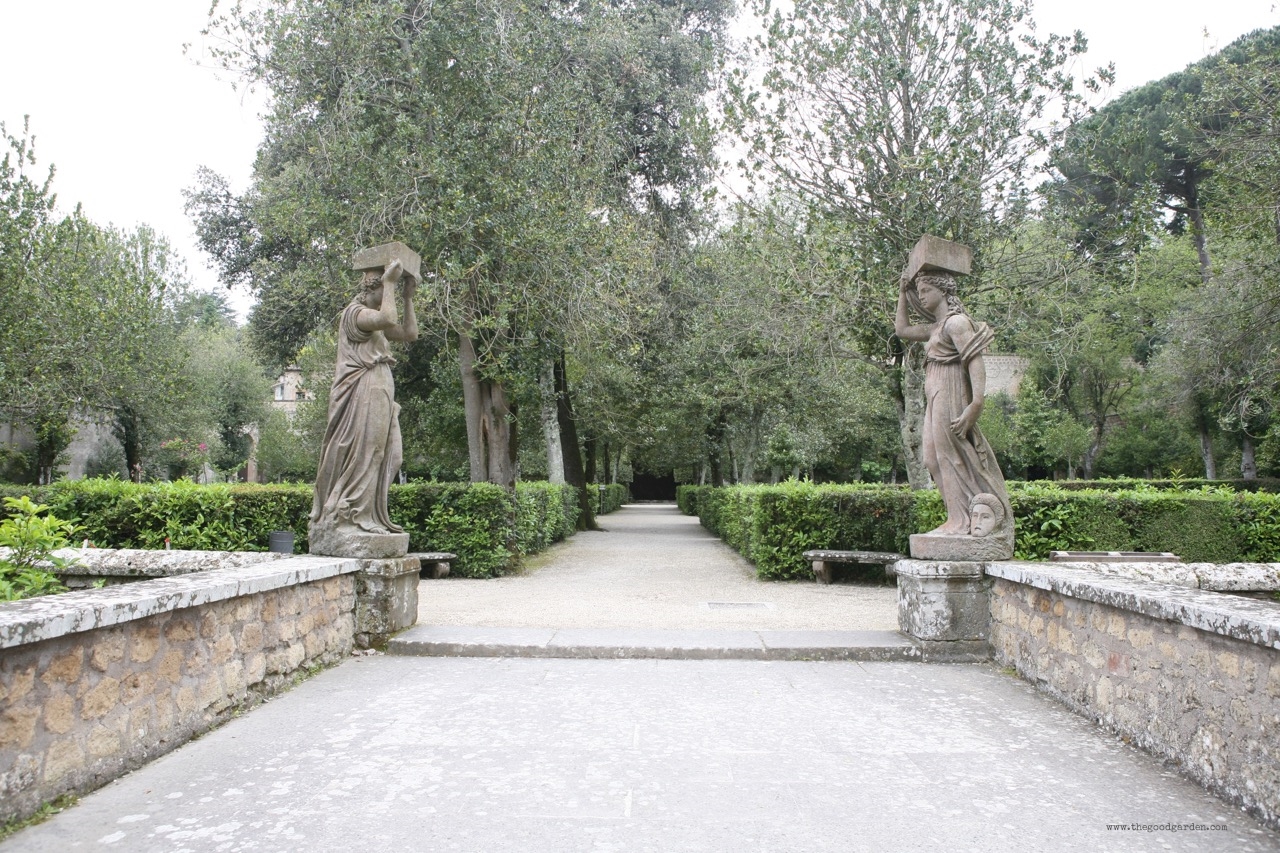
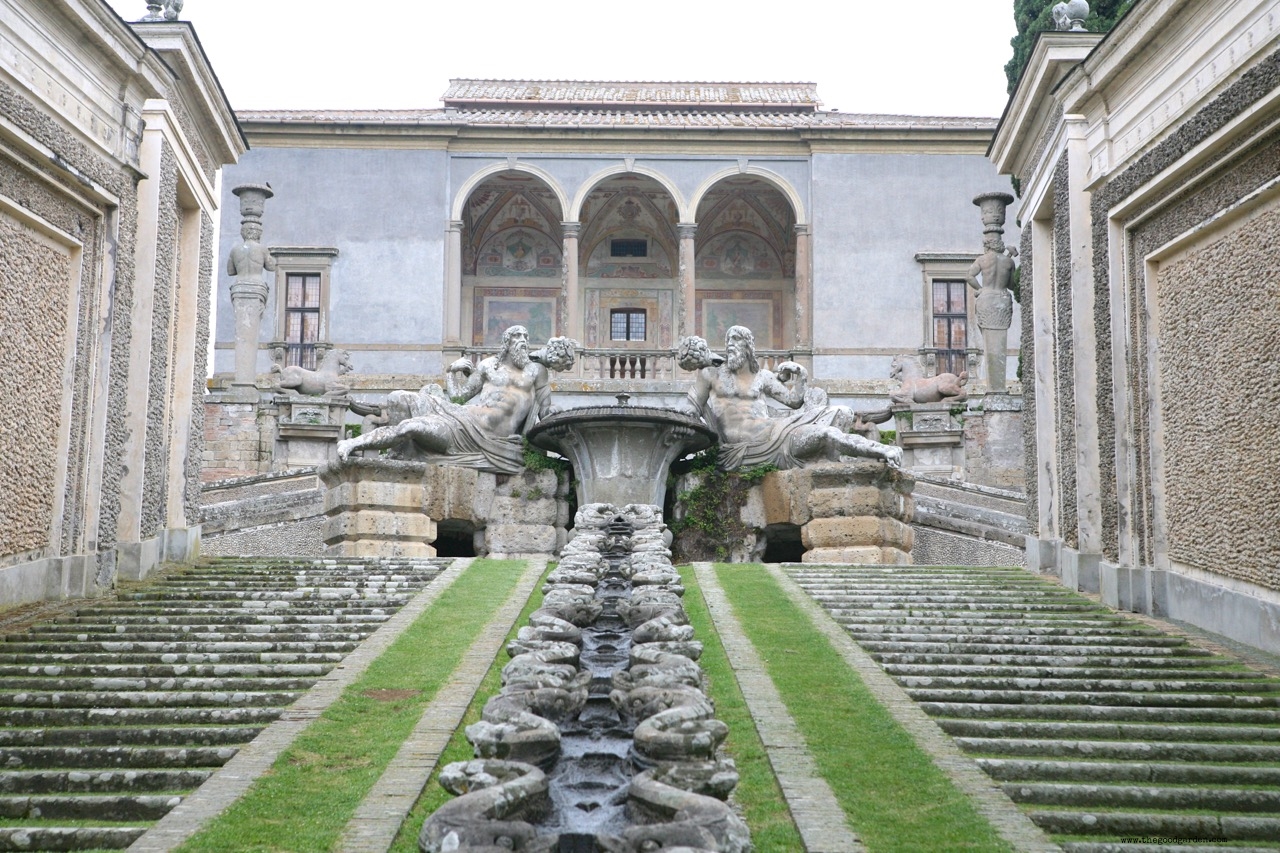
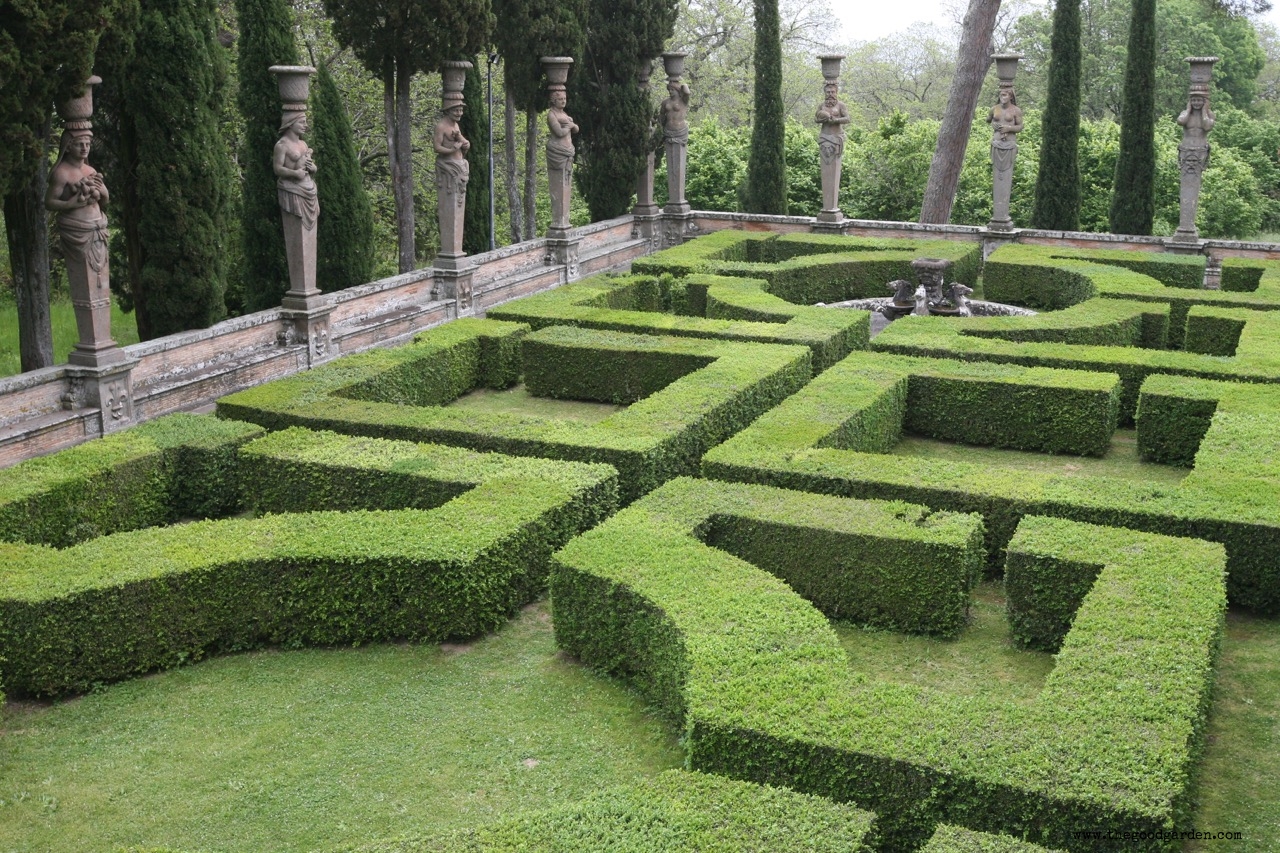
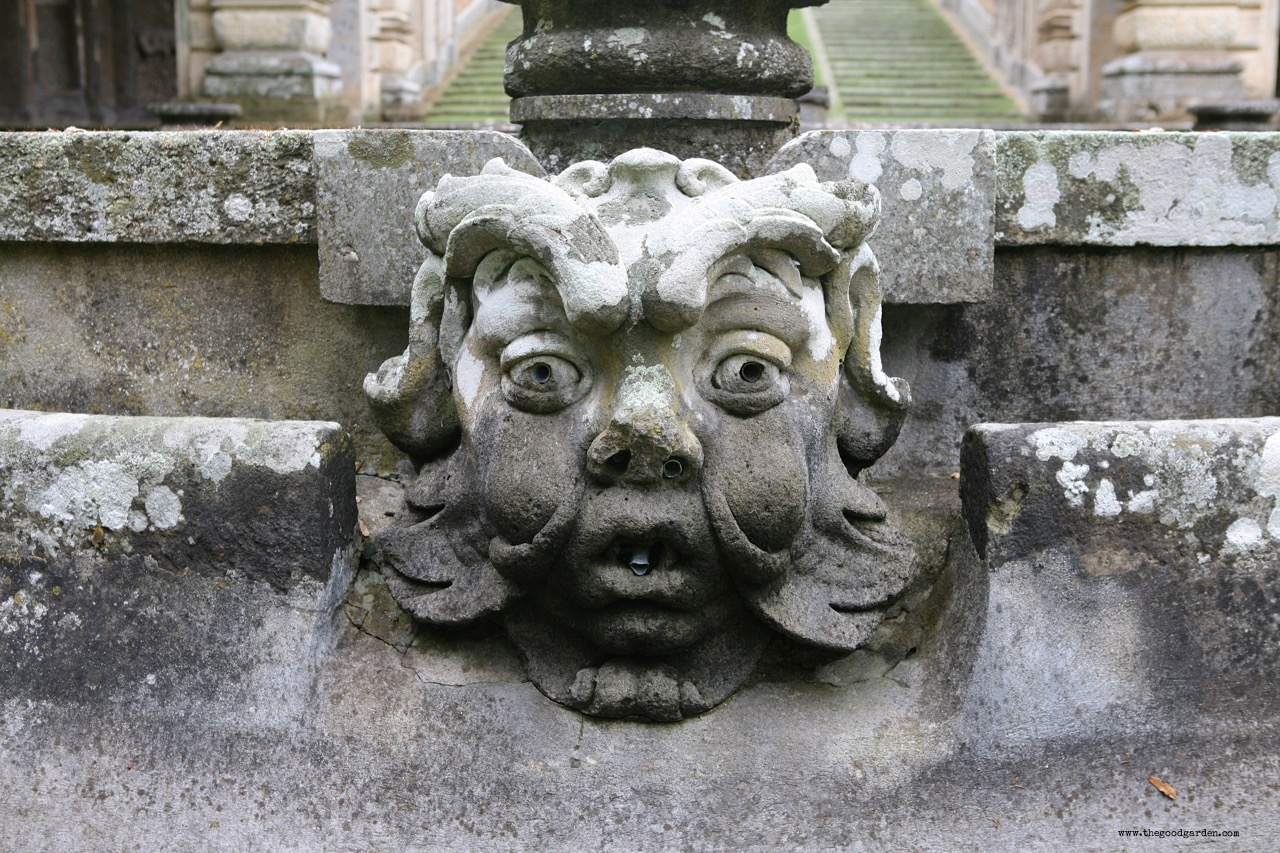
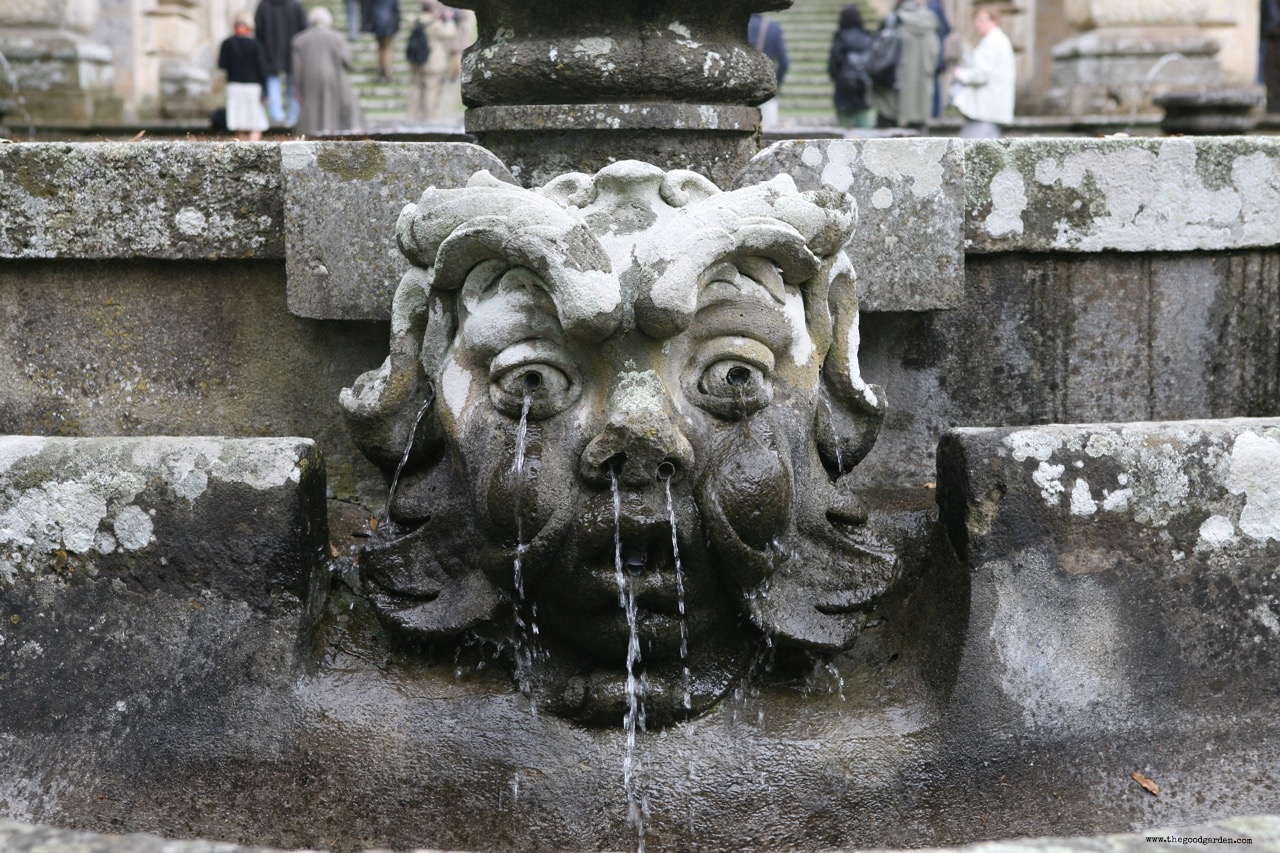
So ‘out’ with the somewhat austere cloister garden and ‘in’ with the Italian renaissance garden.  This new style emphasized a strong relationship between house and garden that was perfect for entertaining and impressing.  Strong axes, symmetry, repetition, and water define this style. It drew inspiration from Roman gardens like Hadrian’s Villa, Greek sculpture, as well as from Islamic gardens.  Mythological references anchored the garden in history, and expressed the sophistication, wealth, and power of the garden’s creator.

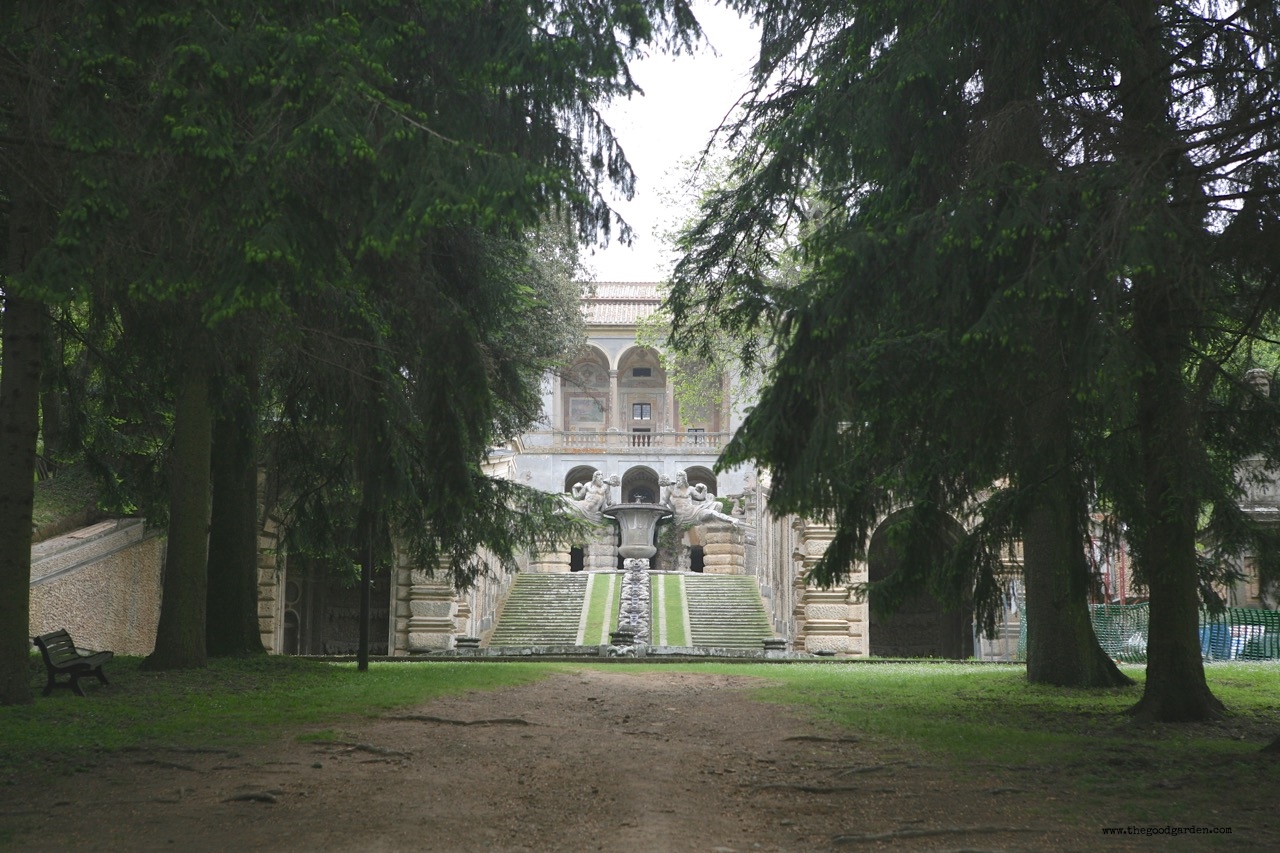
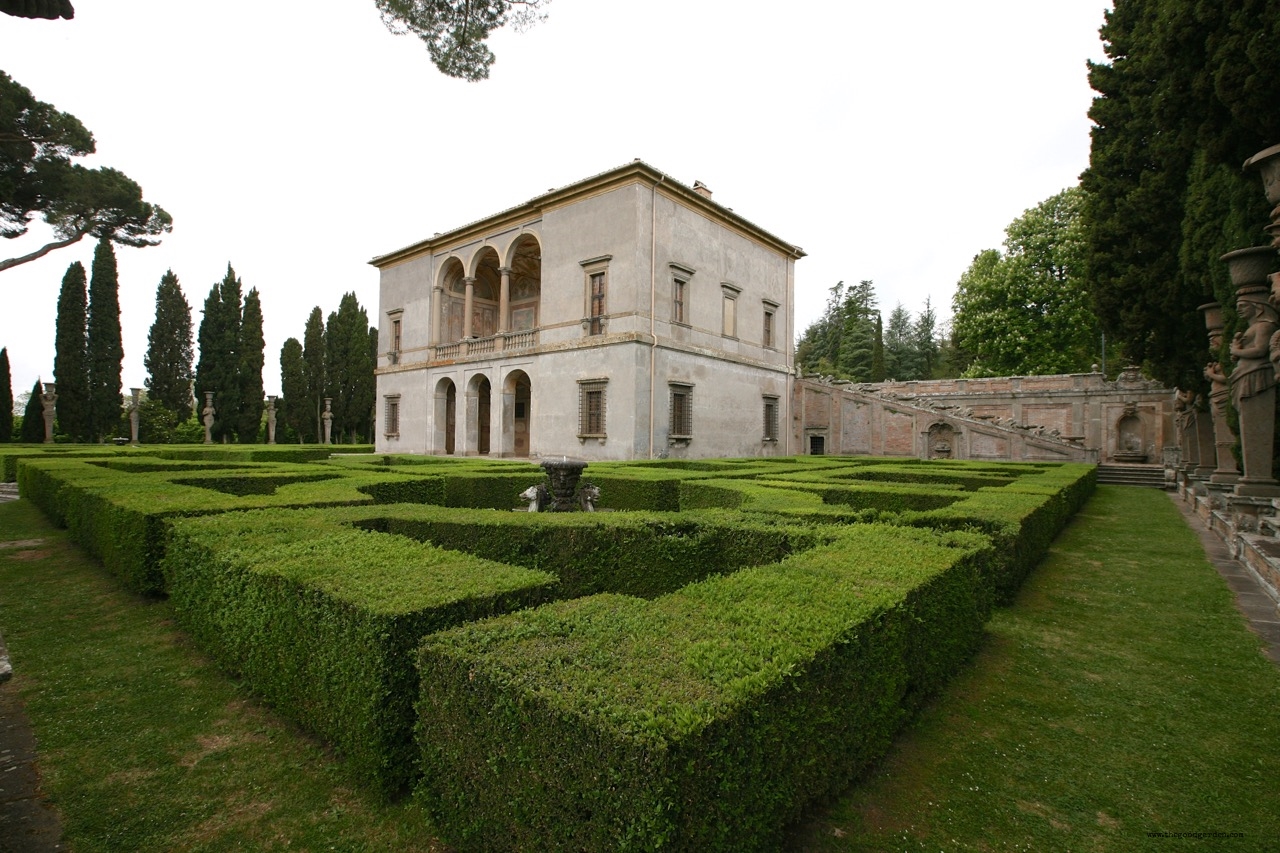
One of my favorite Italian renaissance gardens is at Villa Farnese near Viterbo, Italy.  Begun in the 1570’s by Alessandro Farnese II, the upper garden pictured above was designed by architect Giacomo del Duca.

With limited time and a love of visiting gardens in the morning, I arrived early to explore this garden. You can imagine my disappointment when the staff informed me that the garden was closed!  How could I be so near to one of the most famous gardens and not be able to go in.  Deflated, I decided to spend a few hours exploring the main eight-sided castle-like building.  I felt teased by the glimpses of the garden I got from the windows.  After a few hours of touring the castle, I started to get ready to leave.  But the docent, who had been following me throughout my visit, motioned for me to follow her to a side door.  She ushered me through and into the garden. It was closed only in the morning-- but open in the afternoon!  My patience was rewarded: I was allowed into the garden a full hour before the official opening time.  What a treat to have this time by myself in one of the most famous gardens in the world.

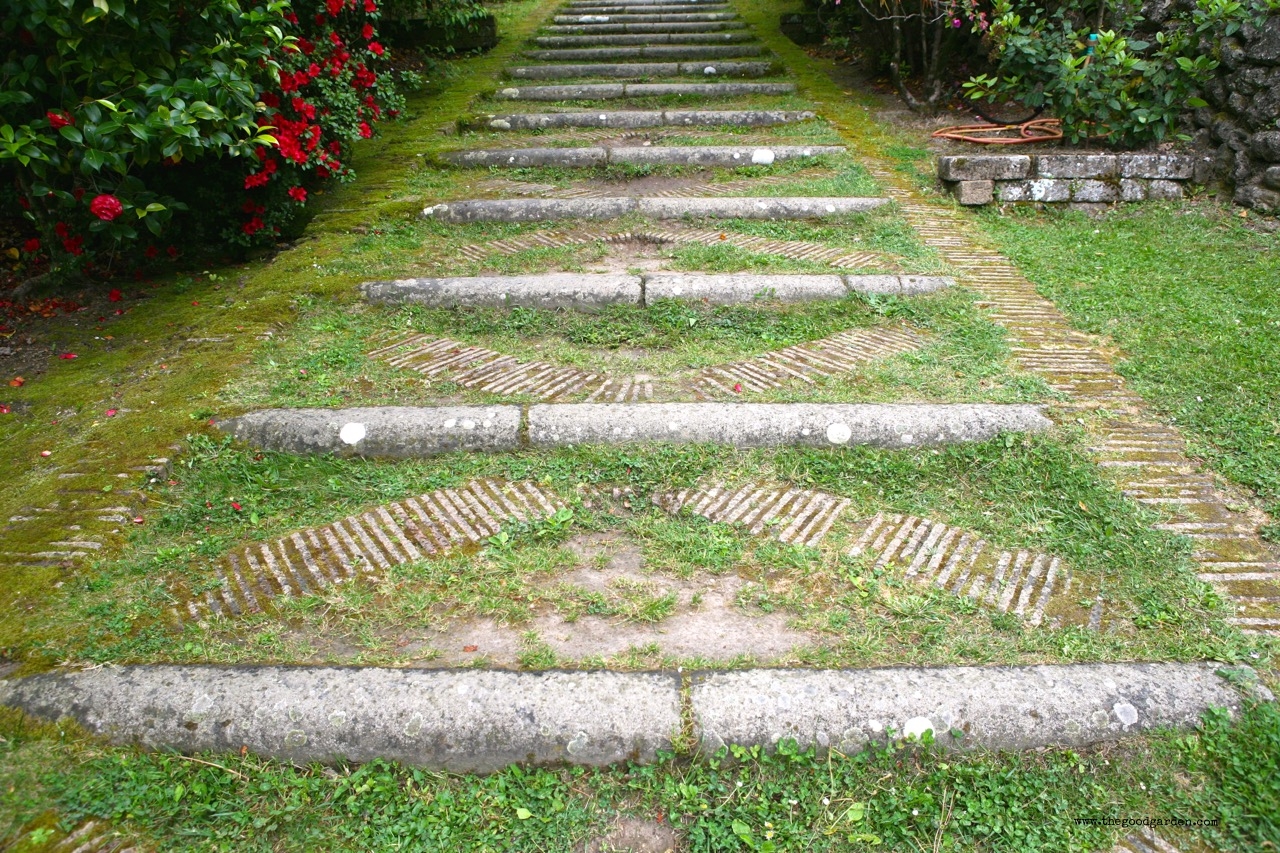
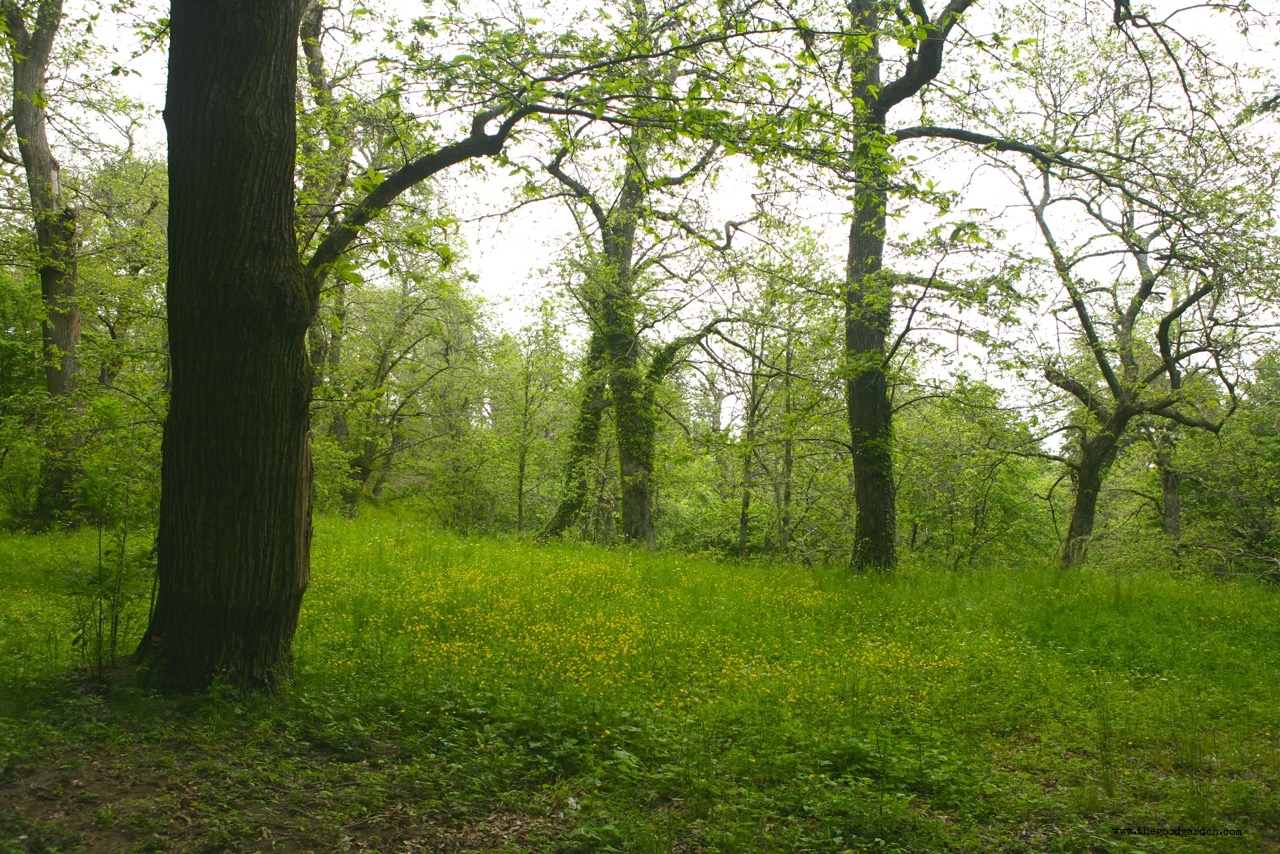
The garden is laid out in a series of sections.  A formal lower garden unfolds from the main villa.  A path leads to a rose garden and an azalea-lined stairway. The stairway took me to a ‘bosco’ or naturalistic woodland, and beyond: a dirt trail pointed my way up a hill.  Just as I thought this trail  reached the end of the property, the most amazing garden appeared.  Symmetrical stone walls and grottos, and a central water chain, led me to an ‘intimate’ villa and formal garden further above. 

By the time I reached the upper ‘secret’ garden, the magnificent water features were still turned off, so I was able to enjoy the space in silence.

As I reached the final upper edge of the property, about one hour into my private time in the garden, gurgling sounds began to come from all directions.  At first the sound of air passing through the pipes feeding the fountain heads, then drops of water all around, then finally the fountains at full force.

The starting of the water features marked the official opening time of the garden.  A space that had been utterly quiet, was now filled with the music of splashing water.  By the time I descended, I met the first busload of tourists. 


In Italian renaissance Tags Villa Farnese, garden history, Viterbo, Italy, garden ornament, historic garden, historic gardens, garden inspiration, stories about gardens, landscape history, famous gardens of the world, garden stories
1 Comment
  • Blog
  • Older
  • Newer
Subscribe
Garden stories
 
facebook email
  • Policies
  • Contact
  • Subscribe
Garden stories

©2025 David Calle. The Good Garden.

the good garden

garden history, design inspiration

facebook email